Why Choose PVC Check Valves?
FLUID HANDLING EXPERTS

Blog, all our news

Why Choose PVC Check Valves?

A check valve has a simple job: allow flow in one direction and resist reverse flow. In water lines, pools, irrigation systems, and some chemical-handling setups, that small function can help protect pumps and limit backflow. PVC check valves are often chosen for their light weight, corrosion resistance, and practical cost. They can also be easier to handle than metal valves during installation.

Simple, but not foolproof. Valve design matters. Swing, spring, and ball-style mechanisms respond differently to flow and installation conditions. A model that works well in a horizontal line may not suit a vertical one. Check the manufacturer’s instructions, pressure rating, temperature limits, and fluid compatibility before selecting a valve. PVC performance can change with heat, and chemical resistance depends on the specific fluid and seal materials. These details deserve a closer look.

Good installation choices matter just as much as the valve itself. Keep the line clean, follow the required flow-direction marking, and leave room for inspection or replacement. Unions can make later maintenance easier, where the system design allows them. A check valve is not a substitute for an isolation valve, and it may not prevent every form of backflow under every condition. That caveat is easy to overlook. This guide explores why PVC check valves can be a sensible option, what to compare before buying, and how to avoid common selection mistakes.
Why Choose PVC Check Valves?

What a PVC Check Valve Is and How It Works

Why Choose PVC Check Valves?

What a PVC Check Valve Is and How It Works

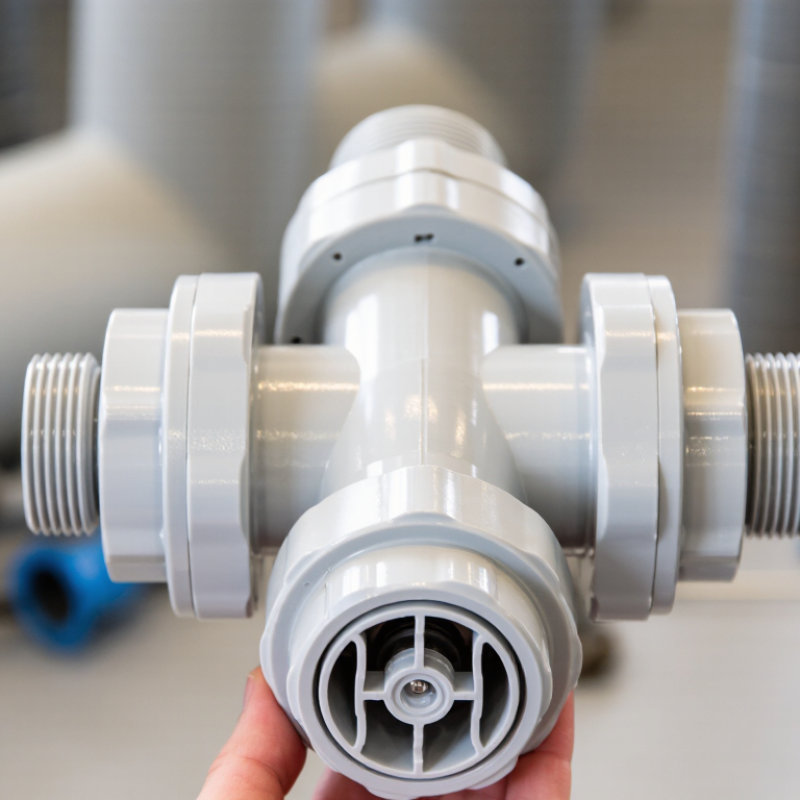
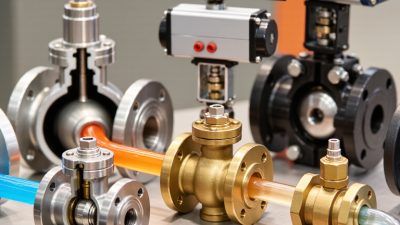
A PVC check valve is a one-way fitting that lets liquid flow forward and helps prevent it from moving backward. It contains a moving part, such as a disc, ball, or hinged flap, that responds to changes in pressure. No handle is needed. When upstream pressure pushes the part open, fluid passes through the valve. If flow slows or reverses, the part returns to its seat and restricts backflow.

The mechanism is simple, but installation details matter. A spring-loaded model may close differently from a swing-style model, and each design has its own flow direction marking. The arrow on the valve body should point toward the intended flow. A small amount of debris on the sealing surface can stop the valve from closing fully. That can be easy to miss.

PVC is often selected for water and other compatible fluids because it is lightweight and resists corrosion. Still, the valve must suit the fluid, pressure, and operating temperature; PVC has limits. Check the manufacturer’s specifications for the particular valve, and avoid assuming every model performs alike. In a real system, occasional inspection can reveal leaks, deposits, or a sticking internal part before they affect flow. The check valve reduces backflow risk, but it does not replace proper system design.
How PVC Construction Resists Corrosion and Chemical Exposure

Why Choose PVC Check Valves?
How PVC Construction Resists Corrosion and Chemical Exposure

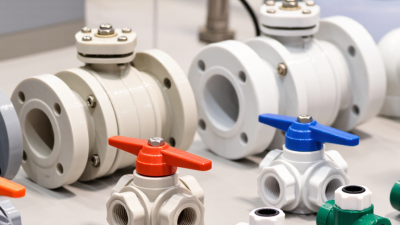
PVC check valves resist rust because their wetted surfaces are nonmetallic. In a pump room, that matters when damp air, splashes, or acidic process fluids could attack metal parts. The smooth interior also limits scale buildup, helping the valve open and close without extra drag. Less corrosion can mean fewer leaks and less unplanned maintenance.

PVC is not immune to every chemical. Compatibility depends on the fluid, its concentration, temperature, and exposure time. A solution that is mild at room temperature may behave differently in a warm line. Check a current chemical-compatibility chart and confirm pressure and temperature limits before installation. Valve design matters too: seals and seats may use materials with different resistance. Not a cure-all.

Tips: Record the chemical name, concentration, and operating temperature before selecting a valve. Flush residue from the line when the process allows, and inspect seals for swelling or brittleness. A small seal change can be easy to miss.

Where PVC Check Valves Are Commonly Used

PVC check valves are commonly installed in water treatment lines, irrigation networks, and pool circulation systems. They allow flow in one direction and help limit backflow when a pump stops. In a treatment room, a valve may sit after a dosing pump, keeping water from slipping back into the supply line. In a garden system, it can help protect separate irrigation zones.

Small detail. Important function.

Their corrosion resistance and light weight make PVC useful for many water-based systems. Some installations also handle compatible dilute chemicals, but material compatibility should be checked against the actual fluid and operating conditions. Aquaculture systems may use them to help control flow between tanks and filters. Still, PVC is not a fit for every job. High temperatures, pressure surges, or debris can affect performance, and a check valve may need cleaning if particles keep the sealing surfaces from closing. It is easy to overlook those limits when a valve appears simple. Confirm the flow direction, installation position, and pressure rating before fitting one.

Key Factors for Choosing the Right Valve

Why Choose PVC Check Valves?
Key Factors for Choosing the Right Valve

Choosing the right PVC check valve begins with the fluid and operating conditions. Confirm that the valve materials suit the liquid, including any cleaning chemicals or suspended particles. Check the system’s maximum pressure and temperature, too; PVC ratings can change as temperature rises. A small mismatch matters. It may cause premature wear or leakage.

Match the valve size to the pipe and expected flow, not just the connection diameter. A valve that is too small can restrict flow, while an oversized one may not close reliably at low flow. Check the cracking pressure—the pressure needed to open the valve—and compare it with the pump’s available pressure. It is easy to focus on pipe size; that is not enough.

Installation details matter. Some check valves rely on gravity, while others use a spring, so follow the specified orientation. Leave room to inspect or clean the valve, especially where debris could collect near the sealing surface. Consider pressure surges when pumps start or stop. I would also verify the valve’s stated limits against real operating conditions, rather than relying on a general rule of thumb. A quick review of the piping layout can prevent a frustrating fit or flow problem later.

Why Choose PVC Check Valves? - Key Factors for Choosing the Right Valve
Valve style How it closes Typical application Installation considerations Key selection note
Swing check A hinged disc swings open with forward flow and returns toward its seat when flow stops. Water distribution, irrigation, and other lines where low flow resistance is desirable. Often installed in horizontal lines; permitted orientations depend on the valve design and manufacturer instructions. Check the minimum flow needed to keep the disc open and consider whether reverse-flow closure could cause water hammer.
Ball check A ball moves away from the seat under forward flow and returns to block reverse flow. Some drainage, wastewater, and process applications, subject to the valve’s materials and passage design. Verify the approved mounting position and provide access for inspection or cleaning where needed. Confirm that the ball and internal passage are suitable for the fluid, particle size, and required flow rate.
Spring-assisted check A spring helps return the closure element to its seat when forward pressure falls. Systems needing a more prompt closing response or installation flexibility, if the specific model permits it. Spring force adds to the pressure required to open the valve; check orientation and installation requirements. Compare cracking pressure and pressure loss with the available pump head and minimum operating pressure.
Diaphragm-style check A flexible diaphragm or elastomeric element lifts under forward pressure and reseats to limit backflow. Selected low-pressure or fluid-handling systems where the valve design matches the service conditions. Follow the product’s flow-direction markings and check its pressure, temperature, and orientation limits. Confirm elastomer compatibility with the conveyed fluid, including any cleaning chemicals or additives.
Practical Factors to Check Before Selecting a PVC Check Valve
Selection factor What to verify Why it matters
Fluid compatibility Check the compatibility of the PVC body, seals, and internal components with the fluid and its concentration. Chemical resistance varies by fluid, temperature, concentration, and component material.
Pressure and temperature Confirm the valve’s rated working pressure at the actual operating temperature, including surge conditions. Allowable pressure for PVC components generally decreases as operating temperature rises; use the product’s rating data.
Flow and pressure loss Compare valve size, flow capacity, cracking pressure, and published pressure-loss data with system requirements. An undersized or restrictive valve can reduce flow and increase pump energy demand.
Pipe connection Match the connection type and size to the piping system, such as solvent-weld socket or threaded ends. Correct connections help ensure fit, sealing, and compatibility with the pipe material and installation method.
Backflow and water hammer Assess reverse-flow risk, pump stopping behavior, and whether rapid closure may create pressure surges. Check valves limit reverse flow but do not automatically eliminate water hammer or replace required backflow protection.
Maintenance and access Consider whether the valve can be inspected, cleaned, or replaced without major system disassembly. Debris, scale, and worn seals can prevent proper seating and reduce service life.

Ratings and permitted installation positions vary by valve design and size. Confirm all operating limits in the valve manufacturer’s technical documentation before installation.

Operating Limits and Maintenance Considerations

PVC check valves can help prevent reverse flow in water and compatible chemical lines, but their service life depends on correct operating conditions. Check the valve’s pressure and temperature ratings against the actual system, including startup and shutdown conditions. PVC can soften as temperature rises, so a pressure rating at room temperature may not apply to a warm process. Chemical compatibility also depends on concentration and temperature; verify both before installation.

A sudden pump stop can create pressure surges that exceed the valve’s rating. Small details matter. Install the valve in the marked flow direction and follow its specified orientation. During maintenance, isolate and depressurize the line before opening the assembly. Look for debris, cracked components, worn seals, and a flap or disc that does not move freely. Replace damaged parts rather than forcing them back into service. In the field, a valve that looks clean may still stick; inspection alone cannot confirm reliable operation.

Tips: Keep a simple log of operating temperature, pressure, and inspection dates. Flush sediment from the line when appropriate, and avoid overtightening threaded connections, which can stress PVC. If the valve chatters or closes noisily, check for flow changes or water hammer instead of assuming the valve itself is faulty.

Copyright 2025 Fluidra S.A. | Created by BCM Marketing Agencia Privacy Policy Legal note | Cookie policy |

Technical cookies are strictly necessary for our website to work and you can navigate through it. These types of cookies are those that, for example, allow us to identify you, give you access to certain restricted parts of the page if necessary, or remember different options or services already selected by you, such as your privacy preferences. Therefore, they are activated by default, your authorization not being necessary in this regard. Through the configuration of your browser, you can block or alert the presence of this type of cookies, although such blocking will affect the proper functioning of the different functionalities of our website.


The analysis cookies allow us to study the navigation of the users of our website in general (for example, which sections of the page are the most visited, which services are used most and if they work correctly, etc.). From the statistical information on navigation on our website, we can improve both the operation of the page itself and the different services it offers. Therefore, these cookies do not have an advertising purpose, but only serve to make our website work better, adapting to our users in general. By activating them you will contribute to this continuous improvement. You can enable or disable these cookies by checking the corresponding box, being disabled by default.


Functionality cookies allow us to remember your preferences, to personalize certain characteristics and general options of our website, every time you access it (for example, the language in which the information is presented to you, the sections marked as favorites, your browser type, etc.) Therefore, this type of cookies does not have an advertising purpose, but by activating them you will improve the functionality of the website (for example, adapting to your type of browser) and the customization of it based on your preferences (for example, by presenting the information in the language that you have chosen in previous occasions), which will contribute to the ease, usability and comfort of our page during your navigation. You can enable or disable these cookies by checking the corresponding box, being disabled by default.


Advertising cookies allow us to manage the advertising spaces included in our website based on criteria such as the content shown or the frequency in which the ads are displayed. For example, if you have been shown the same ad several times on our website, and you have not shown a personal interest by clicking on it, it will not appear again. In summary, by activating this type of cookies, the advertising shown on our website will be more useful and diverse, and less repetitive. You can enable or disable these cookies by checking the corresponding box, being disabled by default.


Behavioral advertising cookies allow us to obtain information based on the observation of your browsing habits and behaviors on the web, in order to show you advertising content that best suits your personal tastes and interests. To understand it in a very simple way, we will give you a fictitious example: if your last searches on the web were related to suspense literature, we would show you advertising about suspense books. Therefore, activating this type of cookies, the advertising that we show you on our website will not be generic, but will be oriented to your searches, tastes and interests, therefore adjusting exclusively to you. You can enable or disable these cookies by checking the corresponding box, being disabled by default.
To understand it in a very simple way, we will give you a fictitious example: if your last searches on the web were related to suspense literature, we would show you advertising about suspense books. Therefore, activating this type of cookies, the advertising that we show you on our website will not be generic, but will be oriented to your searches, tastes and interests, therefore adjusting exclusively to you. You can enable or disable these cookies by checking the corresponding box, being disabled by default.

SAVE

We use our own and third-party cookies to ensure the proper functioning of the website and to analyse our services, improve your experience on our website and show you advertisements related to your interests according to profiling based on your browsing habits (e.g. websites visited). You can accept all cookies by clicking "ACCEPT" or set or reject them by clicking here. If you would like to know more about the use of cookies, please see our COOKIE POLICY.


ACCEPT ALL
Reject no essentials