What Are Cepex Compression Fittings Used For?
FLUID HANDLING EXPERTS

Blog, all our news

What Are Cepex Compression Fittings Used For?

Cepex compression fittings are designed to connect polyethylene pipes without welding, solvent cement, or complicated equipment. They are commonly used in irrigation systems, swimming-pool circulation, water treatment, and light industrial plumbing. Their practical value becomes clear on-site, where installers often work beside wet trenches, cramped pump rooms, or uneven pipe runs.

“Reliable connections begin with correct pipe preparation, not with excessive tightening,” says Javier Martínez, a Cepex applications engineer. This principle matters. A fitting may look secure while a poorly cut pipe creates a hidden leak. Cepex compression fittings typically use a body, compression ring, and sealing components to grip the pipe as the nut tightens. The connection can also be disassembled for maintenance or system changes.

Small details matter. Cut the pipe square. Remove burrs. Check the seal. Push the pipe fully into the fitting. Tighten it firmly, but do not treat the wrench like a hammer. That mistake is common.

These fittings suit low- and medium-pressure water applications when the selected model matches the pipe diameter, material, temperature, and operating pressure. They are not a universal answer for every chemical or high-temperature installation. Compatibility must be verified against the manufacturer’s technical data.

This guide will examine what Cepex compression fittings are used for, how they function, and where they perform best. It will also consider installation limits, maintenance needs, and the small errors that can undermine an otherwise dependable connection. Because real systems are rarely perfect.
What Are Cepex Compression Fittings Used For?

What Are Cepex Compression Fittings?

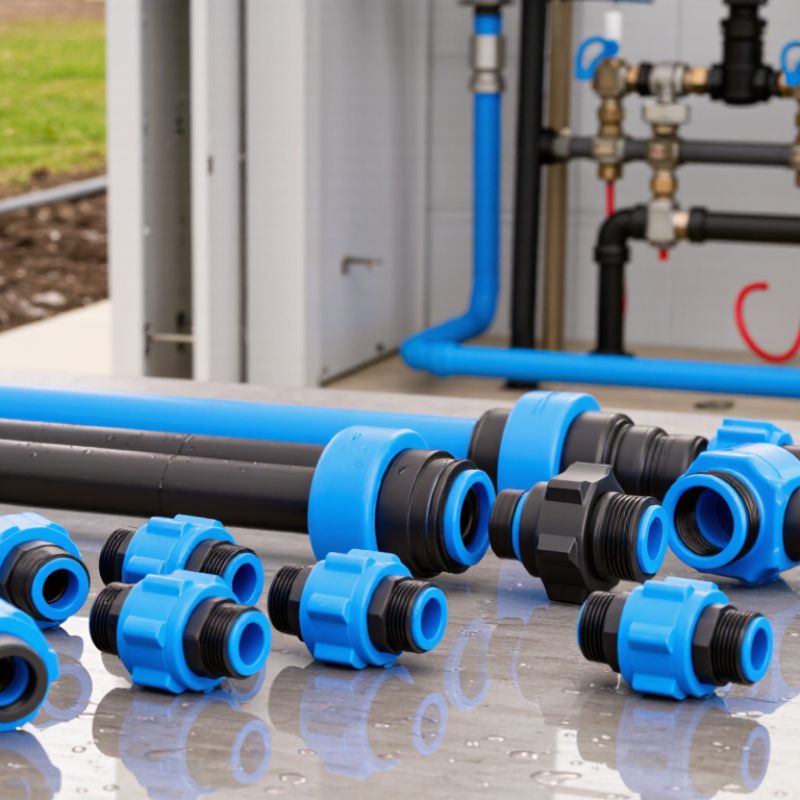
Compression fittings are mechanical connectors used to join pipes without heat, threading, or solvent. A typical fitting has a body, compression nut, and sealing ring. When the nut tightens, the ring grips the pipe and forms a pressure-resistant seal. The connection can usually be removed and adjusted with basic hand tools.

These fittings are common in irrigation systems, water filtration equipment, greenhouse lines, and low-pressure plumbing. They work well with polyethylene, PVC, and other compatible plastic pipes. The fitting size must match the pipe’s outside diameter, not only its nominal label. That detail causes frequent installation errors. A clean, square pipe end also helps the seal sit evenly.

In practical installations, I check the pipe for scratches, dirt, and oval shapes before tightening. The pipe should enter fully into the fitting. Over-tightening may deform the ring or damage the threads. Under-tightening may cause a slow leak that appears hours later. It happens. Hand-tightening followed by a small wrench turn is often safer than applying excessive force. Temperature, pressure, fluid type, and pipe material still require careful checking. A fitting suitable for garden irrigation may not suit hot water or demanding industrial service. Manufacturer instructions and local plumbing requirements should guide the final selection.
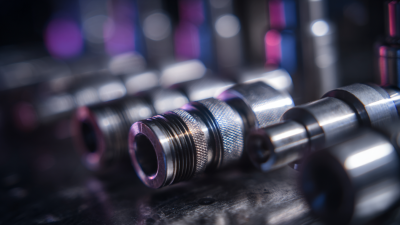
How Cepex Compression Fittings Work

Compression fittings connect pipes without heat, welding, or complex tools. Their operation is mechanical and easy to inspect. A typical fitting has a body, compression nut, and sealing ring. The pipe enters the body until it reaches the internal stop. When the nut tightens, it pushes the ring against the pipe and tapered seat. This pressure creates a water-resistant seal around the pipe’s outer wall.

Cut the pipe square before installation. Remove burrs carefully, because a rough edge can damage the sealing ring. Slide the nut and ring onto the pipe in the correct order. Push the pipe fully into the fitting, then tighten the nut by hand. Use a wrench for the final adjustment. Follow the fitting maker’s torque guidance when available. Over-tightening is not better. It may deform plastic pipe or damage the ring. For some plastic systems, an internal support sleeve is also necessary.

These fittings are common in irrigation lines, water treatment equipment, and accessible indoor plumbing. A garden irrigation connection can be checked quickly beside a valve box. For drinking-water systems, every component must carry the correct material and pressure rating. Compression fittings are less suitable where pipes move constantly or remain buried without access. A small leak may come from poor pipe preparation rather than a defective fitting. That detail is easy to miss. Rechecking alignment after tightening can prevent repeated repairs.

What Are Compression Fittings Used For?

Compression fittings connect polyethylene and other thermoplastic pipes without threading, welding, or solvent cement. The chart shows common nominal pressure classes used in water-distribution applications; the correct rating depends on pipe material, temperature, fluid, and local regulations.

Typical nominal pressure classes: 6, 10, 12.5, and 16 bar. Always verify the fitting and pipe specifications before installation.

Common Plumbing and Irrigation Applications

What Are Compression Fittings Used For?

Common Plumbing and Irrigation Applications

Compression fittings are practical connectors for polyethylene pipe in plumbing and irrigation systems. They use a nut, gripping ring, and seal instead of heat fusion. This makes repairs possible beside a wet trench or greenhouse bed. In household plumbing, installers use them for cold-water lines, tank connections, and short repairs. They suit situations where flames, welding equipment, or long shutdowns are undesirable.

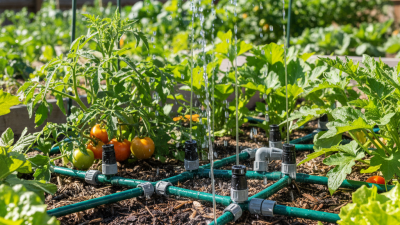
The connection still needs careful preparation. Cut pipe squarely, remove burrs, and push it fully against the internal stop. A crooked cut can create a slow leak behind a cabinet. Irrigation is the larger practical arena. Compression fittings connect main polyethylene lines, lateral tubes, elbows, tees, and end caps. They are useful around drip zones, raised beds, nurseries, and small agricultural plots.

FAO’s AQUASTAT reports that agriculture accounts for about 70% of global freshwater withdrawals. That figure gives fittings a larger role than many installers expect. Small leaks multiply across long networks. The U.S. Environmental Protection Agency says household leaks can waste nearly 10,000 gallons annually. Every joint matters. Still, these fittings are not universal. Pressure, temperature, pipe size, and water chemistry must match the fitting specification. In field maintenance, many failures trace back to under-inserted pipe or overtightened nuts.

I have seen a neat-looking joint fail after thermal movement. That is a useful reminder: installation quality deserves as much attention as product selection.

Compatible Pipes and Installation Requirements

Compression fittings are used to join pipes without welding, solvent cement, or specialized heat equipment. Their compatibility depends on pipe material, outside diameter, and pressure rating. They commonly suit polyethylene, medium-density polyethylene, and some PVC systems with approved inserts. Copper, PEX, and multilayer pipes need dedicated transition fittings. A similar diameter is not enough. Wall thickness matters.

The U.S. Environmental Protection Agency’s 2023 Drinking Water Infrastructure Needs Survey estimates a 20-year investment need of 625 billion dollars. The 2021 ASCE Infrastructure Report Card rated U.S. drinking water infrastructure C-minus. These figures explain why repairable, low-disruption connections remain valuable. Still, replacing a damaged fitting is not automatically simple. The pipe must match the fitting’s sealing design.

Cut the pipe squarely. Remove burrs and dirt. Mark the insertion depth with a pencil. Push the pipe fully through the seal, then tighten the nut by hand before using a wrench. Over-tightening can distort the seal. Thread tape usually does not belong on the compression joint. It may hide a poor fit. Installers should support heavy valves and protect buried joints from sharp stones. A controlled pressure test should follow installation, using the system’s rated limit. Never test with a medium the pipe is not designed to contain. Field checks often reveal one overlooked issue: sunlight, heat, or movement can reduce service life even when the initial joint appears dry.

Advantages and Limitations of Cepex Compression Fittings

Compression fittings are used to connect polyethylene pipes in irrigation, water treatment, gardening, and low-pressure fluid systems. They use a nut, grip ring, and seal to hold the pipe without welding or special machinery. This makes installation practical in narrow trenches or maintenance areas.

Their main advantage is speed. A technician can cut the pipe, insert it fully, and tighten the nut with controlled force. The connection can usually be adjusted or removed later. This helps during repairs and system changes. Good fittings also tolerate outdoor moisture and routine temperature changes when their materials match the application. In field work, clean pipe ends and proper alignment often matter more than expensive tools. Small details count.

Limitations deserve equal attention. Compression fittings may leak when pipes are scratched, oval, dirty, or inserted too shallowly. Over-tightening can damage the seal, while loose nuts may allow movement under pressure. They are not suitable for every temperature, chemical, or pressure condition. Always check the manufacturer’s technical data and local installation requirements. I have seen rushed installations fail after several weeks, not immediately. That delay can mislead people into blaming the fitting. Periodic inspection remains sensible, especially where soil movement, vibration, or repeated pressure changes occur. They are reliable when specified correctly, but not automatically foolproof.

Copyright 2025 Fluidra S.A. | Created by BCM Marketing Agencia Privacy Policy Legal note | Cookie policy |

Technical cookies are strictly necessary for our website to work and you can navigate through it. These types of cookies are those that, for example, allow us to identify you, give you access to certain restricted parts of the page if necessary, or remember different options or services already selected by you, such as your privacy preferences. Therefore, they are activated by default, your authorization not being necessary in this regard. Through the configuration of your browser, you can block or alert the presence of this type of cookies, although such blocking will affect the proper functioning of the different functionalities of our website.


The analysis cookies allow us to study the navigation of the users of our website in general (for example, which sections of the page are the most visited, which services are used most and if they work correctly, etc.). From the statistical information on navigation on our website, we can improve both the operation of the page itself and the different services it offers. Therefore, these cookies do not have an advertising purpose, but only serve to make our website work better, adapting to our users in general. By activating them you will contribute to this continuous improvement. You can enable or disable these cookies by checking the corresponding box, being disabled by default.


Functionality cookies allow us to remember your preferences, to personalize certain characteristics and general options of our website, every time you access it (for example, the language in which the information is presented to you, the sections marked as favorites, your browser type, etc.) Therefore, this type of cookies does not have an advertising purpose, but by activating them you will improve the functionality of the website (for example, adapting to your type of browser) and the customization of it based on your preferences (for example, by presenting the information in the language that you have chosen in previous occasions), which will contribute to the ease, usability and comfort of our page during your navigation. You can enable or disable these cookies by checking the corresponding box, being disabled by default.


Advertising cookies allow us to manage the advertising spaces included in our website based on criteria such as the content shown or the frequency in which the ads are displayed. For example, if you have been shown the same ad several times on our website, and you have not shown a personal interest by clicking on it, it will not appear again. In summary, by activating this type of cookies, the advertising shown on our website will be more useful and diverse, and less repetitive. You can enable or disable these cookies by checking the corresponding box, being disabled by default.


Behavioral advertising cookies allow us to obtain information based on the observation of your browsing habits and behaviors on the web, in order to show you advertising content that best suits your personal tastes and interests. To understand it in a very simple way, we will give you a fictitious example: if your last searches on the web were related to suspense literature, we would show you advertising about suspense books. Therefore, activating this type of cookies, the advertising that we show you on our website will not be generic, but will be oriented to your searches, tastes and interests, therefore adjusting exclusively to you. You can enable or disable these cookies by checking the corresponding box, being disabled by default.
To understand it in a very simple way, we will give you a fictitious example: if your last searches on the web were related to suspense literature, we would show you advertising about suspense books. Therefore, activating this type of cookies, the advertising that we show you on our website will not be generic, but will be oriented to your searches, tastes and interests, therefore adjusting exclusively to you. You can enable or disable these cookies by checking the corresponding box, being disabled by default.

SAVE

We use our own and third-party cookies to ensure the proper functioning of the website and to analyse our services, improve your experience on our website and show you advertisements related to your interests according to profiling based on your browsing habits (e.g. websites visited). You can accept all cookies by clicking "ACCEPT" or set or reject them by clicking here. If you would like to know more about the use of cookies, please see our COOKIE POLICY.


ACCEPT ALL
Reject no essentials