China Top Plastic Valves and Fittings Suppliers
FLUID HANDLING EXPERTS

Blog, all our news

China Top Plastic Valves and Fittings Suppliers

China has become a major manufacturing base for plastic valves and fittings used in water treatment, irrigation, chemical processing, and industrial piping. However, a polished catalog does not prove dependable performance. Buyers need evidence from the factory floor, not attractive product photos.

A useful starting point is material verification. PVC, CPVC, PP, and PVDF behave differently under pressure, temperature, sunlight, and chemical exposure. Robert M. Koerner, a recognized polymer durability authority, stated, “The durability of a polymeric material is a function of its environment.” This principle matters when comparing Chinese suppliers. A valve designed for clean water may fail in an acidic process line. Small details matter. Check pressure ratings, sealing materials, connection standards, dimensional tolerances, and batch traceability. Ask whether each production lot receives hydrostatic testing. Look for clear reports, calibrated equipment, and realistic service limits.

This guide introduces leading China suppliers of plastic valves and fittings, while examining their manufacturing capabilities, certifications, product ranges, and export experience. It considers injection molding quality, machining consistency, packaging protection, and technical support after delivery. Supplier rankings should remain practical, not absolute. A large manufacturer may still overlook a small custom order. A smaller factory may provide stronger engineering attention, but weaker documentation. That trade-off deserves honest review. Buyers should compare samples, audit records, test data, and communication speed before signing contracts. Price matters, but a low quote can hide thinner walls, inconsistent compounds, or limited quality control. Evidence matters more.
China Top Plastic Valves and Fittings Suppliers

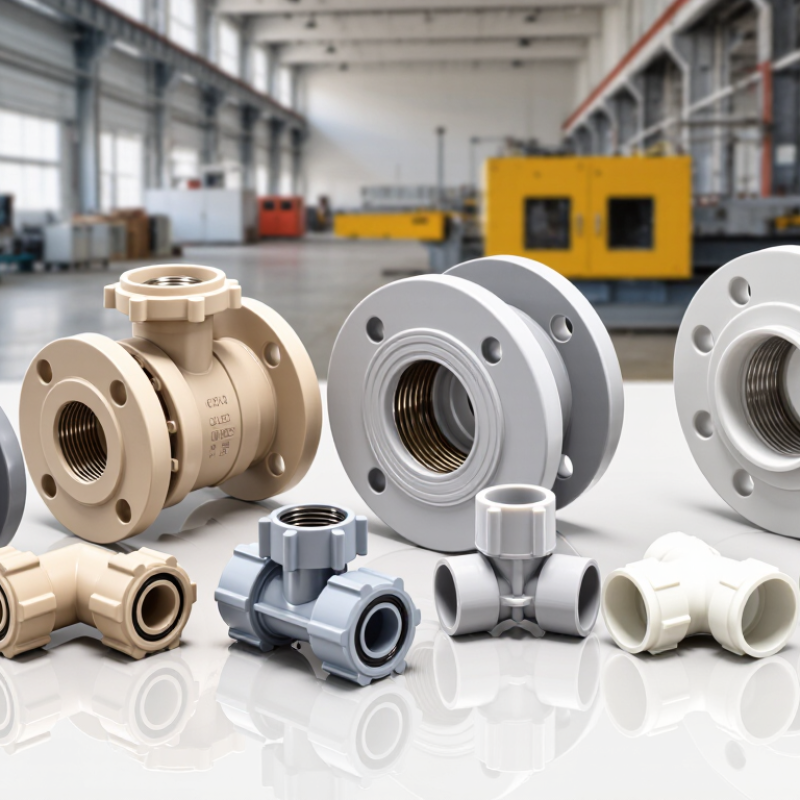
Types of Plastic Valves and Fittings Made in China

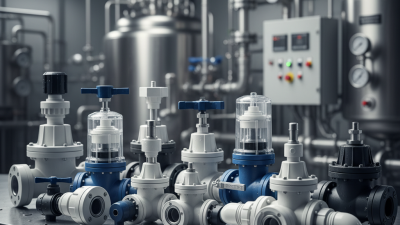
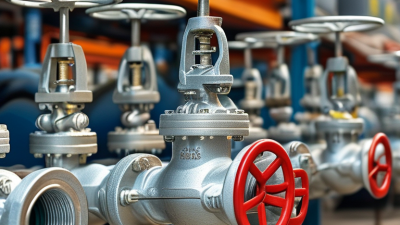
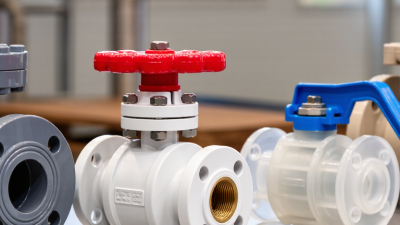
China manufactures a broad range of plastic valves for water, chemical, irrigation, and process piping systems. Ball valves offer quick shutoff through a rotating sphere. Butterfly valves suit larger pipelines because their compact discs reduce weight and installation space. Diaphragm valves handle corrosive or contaminated fluids with limited contact between moving parts and the flow path. Check valves prevent reverse flow, although poor sizing can create unwanted pressure loss.

Common materials include PVC, CPVC, PP, PPR, PE, and PVDF. PVC fittings are widely used for cold water and drainage systems. CPVC tolerates higher temperatures. PP and PPR fittings are common in industrial and building water networks. PVDF provides stronger chemical resistance for demanding applications. Fitting options include elbows, tees, reducers, unions, sockets, flanges, and threaded adapters. Injection molding usually creates consistent shapes, while heat fusion joins some thermoplastic systems without metal fasteners.

Reliable Chinese suppliers should provide dimensional drawings, pressure ratings, material certificates, and batch inspection records. Factory checks often include hydrostatic testing, thread verification, wall-thickness measurement, and visual inspection. Engineers should compare actual operating temperature, pressure, fluid chemistry, and connection method before ordering. Catalog descriptions can appear complete. They are not always enough. A valve may fit the pipe but fail under repeated heat cycles or aggressive chemicals. That detail deserves more attention. Sampling several production batches can reveal color variation, molding marks, or inconsistent sealing surfaces before large-scale installation.
China Plastic Valves and Fittings: Typical Polymer Temperature Capability

Common polymer choices used in Chinese-manufactured plastic valves and fittings, compared by representative maximum continuous service temperature.

PVC-U and HDPE are widely used for general water and chemical piping, while CPVC, PP, and PVDF are selected when higher temperature or chemical resistance is required. Actual ratings vary by pressure, fluid, connection method, and product design.

Key Standards for Evaluating Chinese Suppliers

China Top Plastic Valves and Fittings Suppliers

Key Standards for Evaluating Chinese Suppliers

Evaluating Chinese plastic valve and fitting suppliers requires more than comparing prices. Start with material control, production experience, and documented quality procedures. Ask whether resin grades match the application, such as potable water, drainage, chemicals, or irrigation. Relevant standards may include ISO 1452, ISO 16135, ASTM specifications, and local project requirements. Confirm the exact edition and product scope.

Request batch records, material certificates, dimensional reports, and pressure-test results. A reliable factory should explain its sampling plan clearly. Inspectors may measure socket depth, wall thickness, and thread accuracy with calibrated tools. Hydrostatic testing should reflect the intended pressure and temperature, not only a convenient showroom test. Small details matter.

Traceability is another practical standard. Each carton should connect to a production date, machine, operator, and inspection record. Check how the supplier handles rejected parts, mold changes, and customer complaints. A factory audit can reveal crowded storage, mixed resin bags, or poorly labeled finished goods. These findings deserve careful discussion, not instant rejection. No evaluation is perfect; even a clean audit may miss seasonal production pressure. Request independent testing for critical applications, review export experience, and confirm communication during a sample order. Fast replies help, but accurate replies matter more.

Leading China-Based Plastic Valve and Fitting Manufacturers

China-based plastic valve and fitting manufacturers serve water treatment, irrigation, chemical processing, and industrial piping projects worldwide. Their factories commonly produce PVC, CPVC, PP, and PE components. Each material suits different temperatures, pressures, and chemical conditions. Experienced suppliers usually support product selection, mold development, dimensional control, and batch inspection.

Reliable manufacturers should provide clear technical data, pressure ratings, connection dimensions, and testing records. Ask about hydrostatic testing, raw material traceability, and quality-control procedures. Factory audits can reveal practical details, such as clean assembly areas, calibrated equipment, and protected storage. Certifications may help, but they should match the product and destination market. Documents alone are not enough. I have seen specifications look complete while installation guidance remained unclear.

Tips: Confirm media compatibility before ordering. Request samples from the actual production line. Check valve operation after repeated cycles. Compare fitting dimensions with your existing pipes. Leave room for temperature expansion. A small mismatch can cause leakage, wasted labor, or delayed commissioning. One overlooked point is packaging. Threaded parts need protection, while socket ends should remain clean. Suppliers may offer customization, but excessive changes can increase tooling costs and complicate replacement. A careful review with engineers and installers often prevents avoidable problems.

China Top Plastic Valves and Fittings Suppliers - Leading China-Based Plastic Valve and Fitting Manufacturers

Plastic Material Common Valve Products Common Fitting Products Typical Size Range Typical Operating Temperature Typical Pressure Capability Common Standards and Certifications Typical Applications
PVC-U
Unplasticized polyvinyl chloride
Ball valves, butterfly valves, diaphragm valves, check valves Elbows, tees, reducers, couplings, unions, flanges DN15–DN600; approximately 1/2–24 inches Approximately 0°C to 60°C, depending on pressure and design Commonly PN6–PN16; pressure rating decreases as temperature increases ISO 1452, EN 1452, ASTM D1784, ISO 16135, NSF/ANSI 61 where applicable Potable water, irrigation, water treatment, swimming pools, and low-temperature chemical service
CPVC
Chlorinated polyvinyl chloride
Ball valves, butterfly valves, check valves, diaphragm valves Socket and threaded elbows, tees, adapters, unions, flanges DN15–DN300; approximately 1/2–12 inches Approximately 0°C to 93°C, subject to product design and pressure derating Commonly up to PN16 in water systems; exact ratings vary by temperature and standard ASTM D2846, ASTM F441, ASTM F439, NSF/ANSI 61 where applicable Hot and cold water, industrial process lines, fire sprinkler systems, and selected corrosive fluids
PP-H
Homopolymer polypropylene
Ball valves, butterfly valves, diaphragm valves, sight-glass valves Fusion elbows, tees, reducers, stub ends, unions, flanges DN15–DN500; approximately 1/2–20 inches Approximately 0°C to 80°C for many systems Commonly PN6–PN16, depending on wall thickness, temperature, and connection method ISO 16138, ISO 15494, DIN 8077/8078, EN 1555 or equivalent application standards where relevant Chemical processing, wastewater treatment, laboratory systems, plating, and industrial fluid handling
PE100
High-density polyethylene
Ball valves, service valves, electrofusion valves, line isolation valves Electrofusion elbows, tees, reducers, saddles, transition fittings DN20–DN1600; approximately 3/4–63 inches Approximately −40°C to 60°C for many pressure-pipe applications Typically PN6–PN25, depending on SDR classification and operating temperature ISO 4427, EN 12201, ASTM D3035, AWWA C906, ISO 16135 where applicable Water distribution, gas distribution, mining slurry, irrigation, landfill drainage, and marine outfalls
PVDF
Polyvinylidene fluoride
Ball valves, diaphragm valves, butterfly valves, check valves Socket-weld elbows, tees, reducers, unions, adapters, flanges DN15–DN300; approximately 1/2–12 inches Approximately −20°C to 140°C, depending on grade, pressure, and service conditions Commonly PN6–PN16; high-temperature pressure derating is required ISO 10931, ASTM F1673, EN ISO 10931, FDA or USP Class VI where specifically certified High-purity water, semiconductor processing, pharmaceutical systems, aggressive chemicals, and corrosive gases
ABS
Acrylonitrile butadiene styrene
Ball valves, check valves, drain valves, compact butterfly valves Drainage elbows, tees, couplings, adapters, cleanouts, reducers DN15–DN300; approximately 1/2–12 inches Approximately −40°C to 60°C for many drainage and low-pressure applications Commonly low to medium pressure; exact rating depends on design and joining method ASTM D3965, ASTM D2661, EN 1455, regional drainage standards where applicable Drainage, wastewater, industrial ventilation, recreational facilities, and low-temperature fluid systems
Plastic-Lined Systems
Metal body with PTFE, PFA, or other polymer lining
Lined butterfly valves, lined ball valves, lined diaphragm valves, lined plug valves Lined flanges, expansion joints, lined elbows, tees, reducers, spool pieces DN25–DN1200; approximately 1–48 inches Approximately −20°C to 180°C, depending on lining material and construction Commonly PN10–PN25; higher classes may be available for engineered systems EN 593, API 609, API 6D, ISO 5752, and relevant lining inspection requirements Strong acids, alkalis, chemical processing, power generation, chlor-alkali, and corrosive slurry service
Specifications shown are typical industry ranges for product selection. Actual temperature, pressure, size, chemical compatibility, certification, and service-life limits must be confirmed against the individual manufacturer’s technical datasheet and applicable installation standard.

Product Quality, Materials, and Manufacturing Capabilities

China Top Plastic Valves and Fittings Suppliers

Product Quality, Materials, and Manufacturing Capabilities

Selecting a Chinese supplier requires more than comparing catalogue prices. Product quality begins with controlled resin, accurate molds, and repeatable assembly. Common materials include PVC-U, CPVC, PP, PE, and PVDF. Each serves different temperatures, chemicals, and pressure conditions. A capable manufacturer should provide material grades, test reports, and batch traceability. Ask whether certificates match the actual production site.

Inspect the details closely. Valve bodies should show clean molding, even wall thickness, and consistent threads. Fittings need smooth sockets without cracks, voids, or sharp internal steps. Pressure testing should include shell strength, seat leakage, and cycle performance. Samples should be tested before large orders. Small flaws become expensive leaks.

Manufacturing capability also depends on process discipline. Injection molding, CNC finishing, ultrasonic welding, and automated inspection can improve consistency. Skilled workers still matter. They identify warped parts and assembly errors that machines may miss. During supplier visits, review mold maintenance, storage conditions, and final inspection records. A polished factory floor proves little. Good documentation matters more. Still, no supplier is perfect. Occasional defects happen, and weak corrective action reveals the real risk. Choose partners who explain failures openly and improve the process.

How to Select the Right Chinese Supplier for Your Project

Selecting a Chinese supplier requires more than comparing unit prices. Grand View Research estimates the global plastic valves market will grow steadily through 2030, increasing pressure on quality control and delivery capacity. Ask for production records, material certificates, and recent test results. Polypropylene, PVC, and PVDF fittings behave differently under heat, chemicals, and pressure. Match the resin to your actual operating conditions.

Request samples from the same production line used for bulk orders. Check thread accuracy, socket depth, surface marks, and sealing performance. A 2024 industry report from Fortune Business Insights identifies infrastructure upgrades and chemical processing as major demand drivers for plastic piping products. This matters because suppliers serving different sectors may use different inspection routines. Confirm compliance with relevant ISO, ASTM, or regional standards. Do not accept a certificate without checking its issuing laboratory.

Audit the supplier’s mold maintenance, batch tracking, and pressure-testing process. Independent inspection before shipment can reveal leaks that photographs cannot. Clarify minimum order quantities, replacement procedures, packaging, and production lead times in writing. A low quotation can hide weak tooling or inconsistent resin quality. I would not treat a factory video as proof. It is only a starting point. Review at least three suppliers using the same scoring sheet. The process may feel slow. That is often safer than correcting a failed installation.

Copyright 2025 Fluidra S.A. | Created by BCM Marketing Agencia Privacy Policy Legal note | Cookie policy |

Technical cookies are strictly necessary for our website to work and you can navigate through it. These types of cookies are those that, for example, allow us to identify you, give you access to certain restricted parts of the page if necessary, or remember different options or services already selected by you, such as your privacy preferences. Therefore, they are activated by default, your authorization not being necessary in this regard. Through the configuration of your browser, you can block or alert the presence of this type of cookies, although such blocking will affect the proper functioning of the different functionalities of our website.


The analysis cookies allow us to study the navigation of the users of our website in general (for example, which sections of the page are the most visited, which services are used most and if they work correctly, etc.). From the statistical information on navigation on our website, we can improve both the operation of the page itself and the different services it offers. Therefore, these cookies do not have an advertising purpose, but only serve to make our website work better, adapting to our users in general. By activating them you will contribute to this continuous improvement. You can enable or disable these cookies by checking the corresponding box, being disabled by default.


Functionality cookies allow us to remember your preferences, to personalize certain characteristics and general options of our website, every time you access it (for example, the language in which the information is presented to you, the sections marked as favorites, your browser type, etc.) Therefore, this type of cookies does not have an advertising purpose, but by activating them you will improve the functionality of the website (for example, adapting to your type of browser) and the customization of it based on your preferences (for example, by presenting the information in the language that you have chosen in previous occasions), which will contribute to the ease, usability and comfort of our page during your navigation. You can enable or disable these cookies by checking the corresponding box, being disabled by default.


Advertising cookies allow us to manage the advertising spaces included in our website based on criteria such as the content shown or the frequency in which the ads are displayed. For example, if you have been shown the same ad several times on our website, and you have not shown a personal interest by clicking on it, it will not appear again. In summary, by activating this type of cookies, the advertising shown on our website will be more useful and diverse, and less repetitive. You can enable or disable these cookies by checking the corresponding box, being disabled by default.


Behavioral advertising cookies allow us to obtain information based on the observation of your browsing habits and behaviors on the web, in order to show you advertising content that best suits your personal tastes and interests. To understand it in a very simple way, we will give you a fictitious example: if your last searches on the web were related to suspense literature, we would show you advertising about suspense books. Therefore, activating this type of cookies, the advertising that we show you on our website will not be generic, but will be oriented to your searches, tastes and interests, therefore adjusting exclusively to you. You can enable or disable these cookies by checking the corresponding box, being disabled by default.
To understand it in a very simple way, we will give you a fictitious example: if your last searches on the web were related to suspense literature, we would show you advertising about suspense books. Therefore, activating this type of cookies, the advertising that we show you on our website will not be generic, but will be oriented to your searches, tastes and interests, therefore adjusting exclusively to you. You can enable or disable these cookies by checking the corresponding box, being disabled by default.

SAVE

We use our own and third-party cookies to ensure the proper functioning of the website and to analyse our services, improve your experience on our website and show you advertisements related to your interests according to profiling based on your browsing habits (e.g. websites visited). You can accept all cookies by clicking "ACCEPT" or set or reject them by clicking here. If you would like to know more about the use of cookies, please see our COOKIE POLICY.


ACCEPT ALL
Reject no essentials