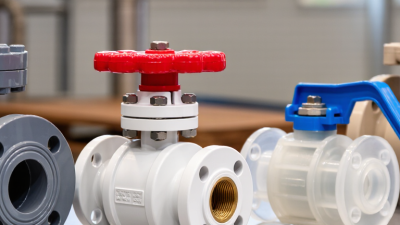
Choosing the best plastic valves and fittings in China requires more than comparing prices or browsing polished product photos. Performance depends on resin quality, pressure ratings, connection design, and manufacturing consistency. PVC, CPVC, PP, PVDF, and HDPE each suit different fluids, temperatures, and operating conditions. A valve used for irrigation may fail quickly in a chemical process. The application matters.
This guide examines Chinese manufacturers through practical and technical criteria. It considers dimensional accuracy, sealing performance, wall thickness, injection molding quality, and resistance to corrosion. Factory audits, material certificates, pressure tests, and traceable inspection records can reveal details that catalogs often hide. Relevant standards may include ISO, ASTM, DIN, or market-specific certifications. Requirements should match the destination market and the actual installation environment.
The answer is not simple. Some large suppliers offer strong documentation, while smaller factories may provide better customization and faster communication. Neither size guarantees reliability. Buyers should request samples, test threaded connections, inspect valve movement, and confirm spare-part availability before placing large orders. A low unit price can become expensive when leaks stop production or fittings require replacement.
It is also important to review supplier experience in potable water, agriculture, industrial processing, or other specialized fields. References and independent inspections add credibility. Still, no supplier is perfect. Even careful evaluations can miss inconsistent batches or shipping damage. This article compares leading options with a balanced perspective, helping buyers identify dependable plastic valves and fittings for specific projects rather than choosing by reputation alone.
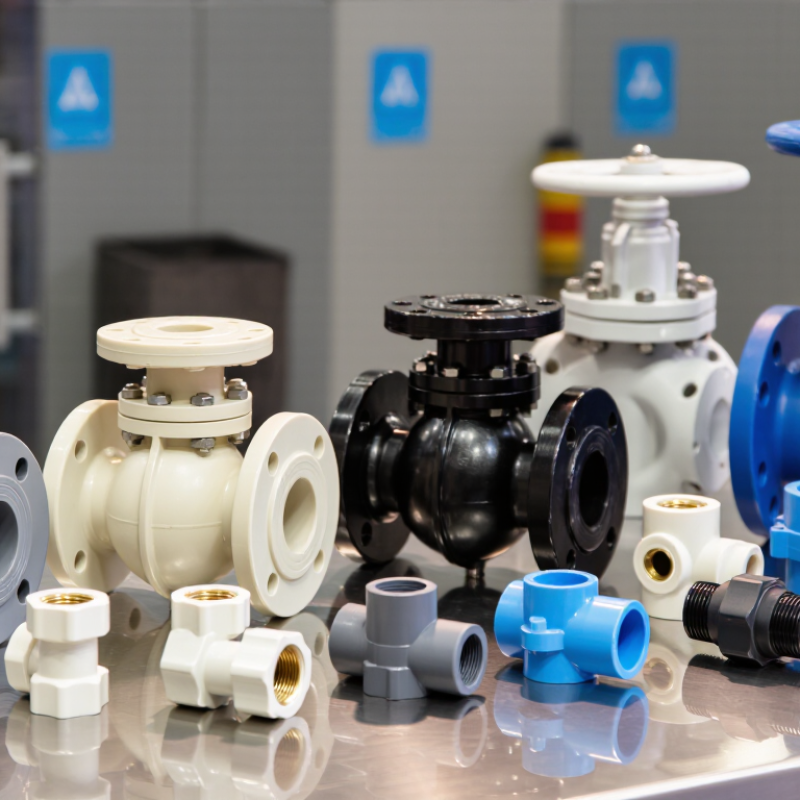
The best plastic valves and fittings in China are defined by verified performance, not a low purchase price. Materials must match the fluid, temperature, pressure, and installation environment. PVC suits many water systems, while PP and PVDF perform better with demanding chemicals. Fit matters. A reliable supplier should provide resin certificates, dimensional records, pressure-test results, and production traceability for every batch.
Market scale raises both opportunity and risk. China’s National Bureau of Statistics recorded approximately 74.9 million tonnes of plastic-products output in 2023. MarketsandMarkets’ Plastic Pipes Market report projects global growth of about 6% annually through 2028. These figures show strong manufacturing capacity, but capacity alone does not prove valve quality. Buyers should inspect wall thickness, thread accuracy, sealing surfaces, and torque performance. ISO 9393 and ISO 16135 provide useful testing references for thermoplastic valves.
Field audits often reveal small weaknesses. A valve may pass a short pressure test yet deform after repeated cycling. That gap matters. The best factories combine incoming-material inspection, automated dimensional checks, hydrostatic testing, and documented corrective actions. Independent laboratory verification adds credibility, especially for potable-water or chemical-service applications. No checklist is perfect. Long-term data from actual installations should still influence selection, because poor alignment, ultraviolet exposure, and installation errors can shorten service life.
What Defines the Best Plastic Valves and Fittings?
Temperature resistance is one important factor when evaluating plastic valves and fittings. The chart shows typical upper continuous service-temperature guidelines for commonly used thermoplastic materials. Actual performance depends on pressure, chemical compatibility, design, joint method, formulation, and applicable standards.
The best selection starts with service conditions, not appearance. Common valve types include ball, butterfly, diaphragm, check, and gate valves. Ball valves suit fast isolation, while butterfly valves handle larger water lines economically. Diaphragm valves support chemical dosing and slurry control. Check valves prevent reverse flow in pumping systems. PVC-U, CPVC, PP, PE, and PVDF serve different temperature and chemical ranges.
Fittings include elbows, tees, reducers, unions, flanges, and end caps. PVC-U works well in ordinary water systems. CPVC tolerates higher temperatures. PP offers strong chemical resistance. PE fittings suit flexible, buried pipelines. PVDF is useful for demanding chemical applications, but it can increase project cost. Avoid overdesign.
Grand View Research valued the global plastic pipes market at USD 44.2 billion in 2023. Its report projects 4.5% annual growth through 2030. This expansion supports demand for compatible valves and fittings in water infrastructure. MarketsandMarkets also identifies water treatment and chemical processing as important industrial valve applications.
Reliable specification should check pressure, temperature, media, joint method, and maintenance access. ISO 16135 covers thermoplastic ball valves, while ISO 16138 addresses diaphragm valves. A neat catalogue can still mislead. Published forecasts sometimes differ, so buyers should verify test certificates and batch records. In China, experienced suppliers should explain failure limits clearly, not only quote attractive prices.
When buyers ask for the best plastic valves and fittings in China, material selection should come first. According to Grand View Research, the global plastic pipes market may grow at about 4.6% annually from 2024 to 2030. China remains a major manufacturing and consumption center. However, “best” depends on temperature, pressure, fluid chemistry, and installation conditions.
PVC-U is practical for cold water, drainage, and many chemical lines. CPVC tolerates higher temperatures, making it more suitable for hot water systems. HDPE offers strong impact resistance and flexible jointing, especially for buried pipelines. PP-R is widely chosen for indoor hot and cold water because it is lightweight and weldable. PVDF provides better chemical resistance, but its higher cost needs careful justification. The OECD Global Plastics Outlook reported 353 million tonnes of plastic waste worldwide in 2019. This figure reminds engineers to consider service life and recyclability, not only purchase price. In field inspections, poor alignment often causes failures before the material reaches its design limit. That is an uncomfortable detail, but an important one.
Tips: Match the valve body and sealing material with the actual medium. Request pressure, temperature, and chemical-resistance data. Check compliance with applicable ISO, ASTM, or Chinese standards. Avoid relying only on visual appearance. A glossy fitting proves very little. Test samples under realistic pressure cycles before approving large orders.
Which Are the Best Plastic Valves and Fittings in China?
Quality begins with controlled materials, not attractive packaging. Ask for resin grades, batch records, and material certificates. The plastic should match the service medium, temperature, and pressure. A valve for clean water may fail in aggressive chemicals.
Performance needs practical testing. Check pressure ratings at working temperature, not only at room temperature. Inspect thread accuracy, sealing surfaces, and actuator movement. During factory inspections, sample several fittings from different cartons. Small warping can reveal uneven cooling or weak process control. It matters.
Compliance must be verifiable. Request test reports, dimensional records, and traceability documents. Confirm that products meet the standards required in their destination market. For potable water systems, check relevant health and migration requirements. For industrial use, review fire behavior and chemical-resistance data. A certificate without a matching batch number deserves questions.
Do not trust a perfect datasheet alone. Field conditions are rarely perfect. Installation angle, pipe stress, and poor torque can damage a sound fitting. I have seen specifications look reliable while inspection records remained incomplete. That gap needs attention. A supplier should explain testing equipment, inspection frequency, and corrective actions clearly. Independent laboratory checks can expose assumptions early, although they add cost. The best choice is not always the cheapest one. It is the product supported by consistent evidence, honest limitations, and responsive technical support.
Choosing the right Chinese manufacturer requires more than comparing prices. During supplier evaluations, I check resin traceability, production records, and pressure-test procedures. A reliable factory should explain its material grade clearly. It should also provide test reports linked to specific batches, not generic documents. Ask for samples before placing a large order. Inspect thread accuracy, sealing surfaces, valve handles, and fitting dimensions with simple gauges. Small defects can cause serious installation delays.
Factory experience matters. Review similar projects involving water treatment, irrigation, chemical handling, or industrial piping. Request photographs, inspection records, and verified customer references where possible. A manufacturer with in-house molding and assembly usually controls quality more effectively. However, this is not guaranteed. Some suppliers outsource critical parts without explaining it. That needs careful questioning.
Communication reveals practical reliability. Can the technical team understand your drawings, pressure ratings, temperature range, and delivery schedule? Ask how they handle a failed pressure test or inconsistent color. Their response may matter more than a polished showroom. I would also compare packaging quality, spare-part availability, and after-sales support. A low quote may appear attractive, but thin walls or unstable dimensions can increase installation costs. Factory visits are useful, though one visit cannot prove long-term consistency. Keep written specifications, approve a production sample, and arrange independent inspection for larger orders.

Cepex is the brand for the fluid handling market belonging to the Fluidra group. One of the leading european manufacturer of valves and fittings in thermoplastic materials.
Dedicated to the swimming pool, irrigation and industrial markets, we distribute our products worldwide with the Fluidra commercial network and presence in 46 countries with 136 sales branches.