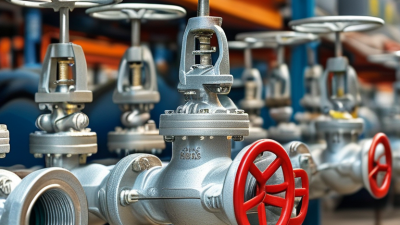
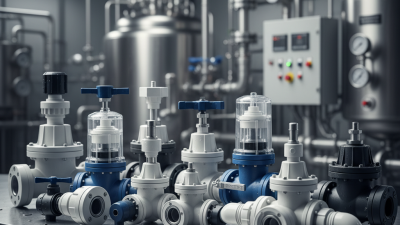
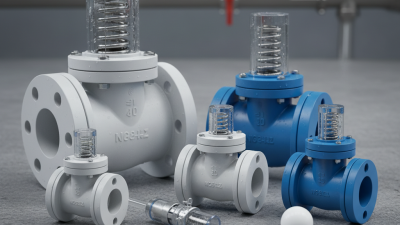
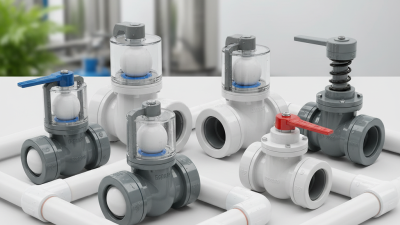
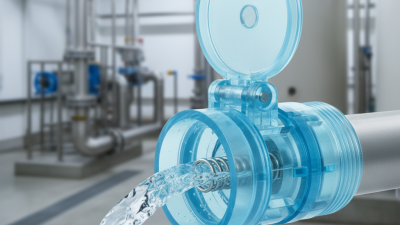
Plastic valves are no longer limited to basic household plumbing. They now control flow in water treatment, chemical processing, irrigation, food production, and semiconductor facilities. Their appeal is practical: low weight, corrosion resistance, smooth internal surfaces, and easier installation than many metal alternatives.
Industry research supports this wider adoption. Grand View Research’s Plastic Valves Market Report identifies water and wastewater treatment as a major demand sector, supported by expanding infrastructure and corrosion-control requirements. MarketsandMarkets also reports growing use of thermoplastic valves in chemical processing, irrigation, and industrial water systems. These findings matter because valve selection depends on media, pressure, temperature, and maintenance access. A valve that performs well in a garden irrigation line may fail quickly beside hot chemicals. Context matters.
This guide examines the top types of plastic valves, including ball, butterfly, diaphragm, check, gate, and pressure-relief designs. Each type has a distinct internal structure and operating purpose. Ball valves provide quick shutoff. Butterfly valves suit larger pipelines. Diaphragm valves help isolate sensitive fluids from moving parts. Check valves prevent reverse flow. Simple differences can prevent expensive failures.
Still, no universal ranking exists. That is worth remembering. Material choice also changes performance. PVC, CPVC, polypropylene, and PVDF offer different chemical and temperature limits. Manufacturer data, recognized testing standards, and field experience should guide the final decision. The sections ahead compare these valve types by application, durability, flow control, installation needs, and common limitations. This approach is more useful than choosing the cheapest option from a catalog.
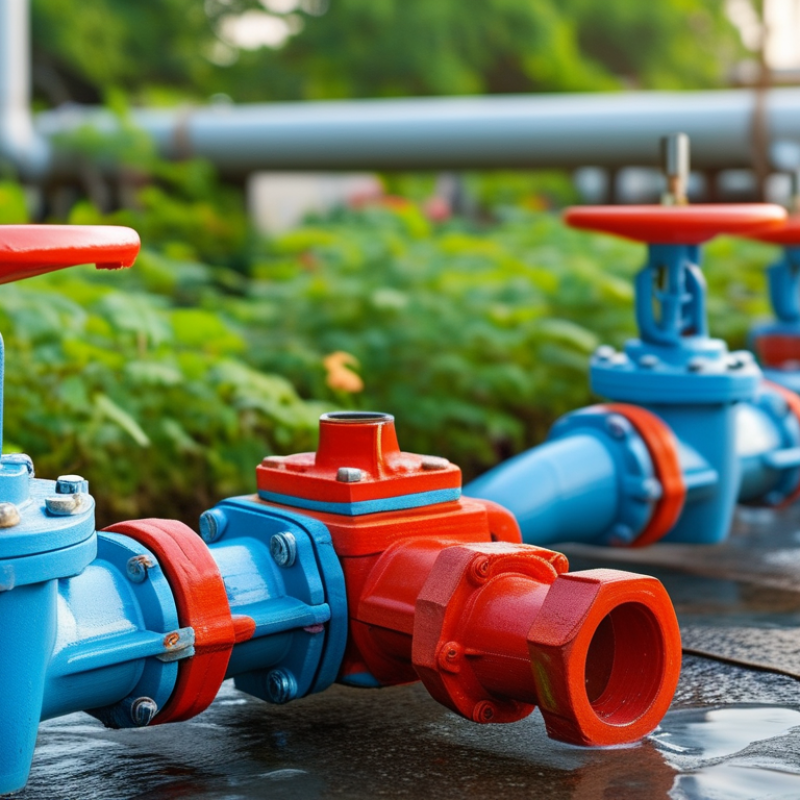
Plastic valves control, redirect, or stop fluid movement inside a piping system. They are commonly made from PVC, CPVC, PP, or PVDF. These materials resist corrosion and remain lightweight during installation. A valve works by moving an internal part against the fluid path. A ball valve uses a drilled sphere that turns inside the body. A butterfly valve rotates a thin disc around a central stem. A check valve opens with forward pressure and closes when flow reverses. Diaphragm valves use a flexible membrane to isolate the fluid from the operating mechanism.
In practical inspections, plastic valves often perform well in water treatment, irrigation, and chemical handling systems. Their performance depends on temperature, pressure, fluid compatibility, and correct installation. For example, a valve suitable for cool water may soften under high heat. Threaded connections can also leak if overtightened. That mistake is surprisingly common. Always check the valve’s pressure rating and material data before installation. Operators should turn handles slowly, especially when sudden pressure changes could damage nearby pipework. I have found that clear labeling also prevents avoidable flow-direction errors.
Tips: Keep plastic valves away from impact and excessive sunlight. Support heavy pipe sections separately. Inspect seals for swelling, cracks, or stiffness. Do not force a stuck handle. Sometimes, replacing a small seal is safer than applying more torque. Yet maintenance schedules should reflect actual service conditions, not assumptions.
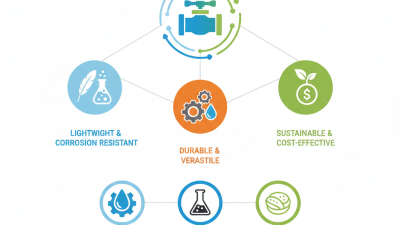
Plastic valves control, isolate, or redirect fluids in piping systems. Their light weight resists corrosion, but material choice still matters. PVC valves suit many water and drainage applications. CPVC handles higher temperatures than standard PVC. Polypropylene and PVDF are often selected for chemical service, where compatibility requires careful checking.
Ball valves use a rotating sphere with a central opening. They provide quick shutoff and usually create limited flow resistance. Butterfly valves use a rotating disc and work well on larger pipe diameters. Check valves allow flow in one direction and help prevent backflow.
Diaphragm valves separate the fluid from internal moving parts, making them useful for cleaner or more sensitive processes. Gate and globe valves can regulate flow, although their performance depends strongly on design and operating conditions.
In water-treatment installations I have inspected, valve selection often failed because temperature was treated as an afterthought. Pressure, fluid concentration, ultraviolet exposure, and connection method also affect service life. A valve rated for water may not safely handle a concentrated chemical. Always compare the valve’s pressure-temperature chart with real operating conditions. Then verify chemical compatibility using current technical documentation. I once focused too heavily on pipe size and overlooked actuator space. That mistake made maintenance awkward. The lesson is simple: installation access matters as much as the valve body. Some systems also need visual position indicators, lockable handles, or automated control. The best choice is not always the most expensive one.
Plastic valves differ most in their internal geometry, actuation method, and resistance to the fluid. Ball valves use a drilled sphere that rotates ninety degrees. They provide fast shutoff and low pressure loss. Butterfly valves use a rotating disc inside the pipe. They are lighter and suit larger diameters, but the disc remains in the flow path. Diaphragm valves isolate the fluid from the moving mechanism. This design handles corrosive or contaminated media well. Check valves operate automatically. They prevent reverse flow without manual control.
Material also changes performance. PVC offers economical service in many water systems. CPVC tolerates higher temperatures. PP performs well with selected chemicals. PVDF provides stronger chemical and temperature resistance, though it usually costs more. ISO 16135 covers thermoplastic ball valves, while ISO 16136 addresses thermoplastic butterfly valves. These standards support consistent testing, but installation quality still matters. A poorly supported valve can fail early.
Market data shows why these designs remain important. MarketsandMarkets estimated the global industrial valves market at about USD 78.5 billion in 2024, with growth toward USD 98.5 billion by 2029. That figure includes metal and plastic equipment, so it does not measure plastic valves alone. Still, it reflects expanding fluid-control demand. Grand View Research reported Asia Pacific as the largest regional market in its 2024 industrial valves analysis. In practice, engineers should compare pressure, temperature, chemical compatibility, and maintenance access. The cheapest valve is not always the economical choice. Sometimes, specifications are incomplete.
What Are the Top Types of Plastic Valves?
Choosing the Right Plastic Valve for Different Applications
Choosing the right plastic valve starts with the fluid, not the catalog photo. Ball valves provide fast, reliable isolation in water lines and chemical transfer systems. Butterfly valves suit larger pipes when space and weight matter. Diaphragm valves handle corrosive liquids while protecting the moving mechanism from direct contact. Check valves prevent reverse flow in pumps and drainage lines. Gate valves offer low resistance when fully open, but they are poor choices for frequent throttling. Simple choice, sometimes.
The plastic also matters. PVC works well with many water applications and moderate temperatures. CPVC tolerates higher temperatures. Polypropylene suits several corrosive environments and process systems. PVDF offers stronger chemical resistance, but usually costs more. Always compare concentration, temperature, pressure, and permeation data. The OECD’s Global Plastics Outlook reported 460 million tonnes of plastic production in 2019, twice the 2000 level. That growth increases the need for disciplined material selection, not casual substitution.
A practical field lesson is to inspect seals, threaded connections, and actuator torque before commissioning. The U.S. EPA’s 2023 Drinking Water Infrastructure Needs Survey estimated $625 billion in needs through 2040. Small valve failures can interrupt expensive systems. ISO 9393 testing procedures help verify pressure performance for thermoplastic valves. Still, laboratory results cannot replace installation judgment. A valve may pass testing yet fail after overtightening, poor support, or sudden temperature changes. Recheck the assumptions.
Choosing the right plastic valve depends on whether the system needs isolation, flow regulation, backflow prevention, or reliable handling of contaminated fluids.
The chart uses a practical relative suitability index from 1 to 5, based on the typical operating purpose and design characteristics of each valve type. Ball, butterfly, and gate valves are commonly selected for isolation; diaphragm valves are well suited to throttling and fluid streams containing solids; check valves are designed primarily to prevent reverse flow. Final selection should also consider pressure, temperature, chemical compatibility, media viscosity, and the plastic material used, such as PVC, CPVC, PP, or PVDF.
Plastic valves include ball, butterfly, diaphragm, check, and gate designs. Each type suits different flow-control duties. A ball valve can provide quick shutoff with low resistance. A diaphragm valve handles corrosive fluids while isolating the working parts. A check valve prevents reverse flow, but poor sizing may create pressure loss. The best choice depends on fluid chemistry, pressure, temperature, and operating frequency.
Material compatibility strongly affects service life. PVC, CPVC, PP, and PVDF do not respond equally to chemicals or heat. Temperature matters. Higher temperatures can reduce pressure capacity and accelerate aging. Ultraviolet exposure may embrittle valves installed outdoors. Moisture, suspended particles, and cleaning agents can also attack seals. Published ratings help, but they rarely describe every real operating condition.
Installation quality is equally important. Excessive tightening can distort plastic threads or damage sealing surfaces. Pipe misalignment may place constant stress on the valve body. Support matters too. Long pipe runs need proper bracing, especially near heavier actuators. Sudden closure can create water hammer and shorten valve life. Regular inspections should check leaks, cracks, stiff movement, and discoloration. In practical assessments, operators sometimes replace a valve when the real problem is incorrect torque or unsupported piping. That assumption deserves review. A careful maintenance record can reveal repeated pressure spikes, chemical changes, or temperature patterns before failure becomes routine.
| Valve Type | Typical Plastic Materials | Primary Flow-Control Method | Typical Operating Temperature* | Typical Pressure Capability* | Common Applications | Key Performance Advantages | Main Service-Life Limitations |
|---|---|---|---|---|---|---|---|
| Ball Valve | PVC, CPVC, PP, PVDF | A bored sphere rotates 90° to open or close the passage. | Approximately 0°C to 140°C, depending on material and design. | Approximately 6 to 16 bar at moderate temperatures; rating decreases as temperature rises. | Water treatment, chemical transfer, irrigation, aquaculture and process piping. | Low flow resistance, compact design, reliable shutoff and relatively low operating torque. | Seat wear from abrasive media, damage from excessive torque and reduced pressure rating at elevated temperature. |
| Butterfly Valve | PVC, CPVC, PP, PVDF, reinforced thermoplastics | A disc rotates around a central or offset shaft. | Approximately 0°C to 120°C, depending on liner and body material. | Approximately 4 to 16 bar; wafer-style designs are often selected for moderate pressures. | Large-diameter water lines, cooling systems, wastewater and low-pressure process services. | Lightweight construction, short face-to-face length and economical operation for large pipe sizes. | Disc and liner degradation, higher throttling losses and sensitivity to incorrect alignment. |
| Check Valve | PVC, CPVC, PP, PVDF | An internal disc, ball or diaphragm allows one-way flow and prevents reverse flow. | Approximately 0°C to 140°C, depending on construction and sealing material. | Approximately 4 to 16 bar in typical industrial piping systems. | Pump discharge lines, chemical dosing, filtration systems and backflow prevention. | Automatic operation, corrosion resistance and protection against reverse flow. | Water hammer, fouling, spring fatigue and leakage caused by particles or insufficient closing pressure. |
| Diaphragm Valve | PVC, CPVC, PP, PVDF with elastomeric diaphragms | A flexible diaphragm moves against a weir or seat to regulate flow. | Approximately 0°C to 140°C, depending on diaphragm compound and body material. | Approximately 4 to 10 bar for many plastic-lined or thermoplastic designs. | Corrosive chemicals, slurries, ultrapure water and contaminated fluids. | Excellent isolation of the actuator from the fluid, good contamination control and strong throttling capability. | Diaphragm fatigue, swelling or embrittlement caused by incompatible chemicals, temperature or cycling. |
| Globe Valve | PVC, CPVC, PP, PVDF | A plug moves linearly toward or away from a seat. | Approximately 0°C to 140°C, subject to material and pressure derating. | Approximately 4 to 10 bar in common plastic process applications. | Flow regulation, chemical dosing, cooling-water control and laboratory systems. | Precise throttling and stable adjustment across a broad range of flow rates. | Higher pressure loss, greater actuator force and seat erosion when used with abrasive fluids. |
| Needle Valve | PVC, CPVC, PP, PVDF and reinforced polymers | A tapered needle provides fine adjustment through a small opening. | Approximately 0°C to 140°C, depending on material and seal selection. | Approximately 4 to 10 bar in typical plastic installations. | Instrumentation, sampling lines, laboratory equipment and low-flow chemical dosing. | Very fine flow control and good repeatability at low flow rates. | Small passages can clog, and the stem or tip may be damaged by excessive tightening or abrasive particles. |
| Pressure-Reducing Valve | PVC, CPVC, PP, PVDF | A spring- or pilot-controlled element maintains a lower downstream pressure. | Approximately 0°C to 100°C, depending on diaphragm and spring materials. | Inlet pressure commonly up to approximately 10 to 16 bar; outlet pressure is adjustable. | Building water systems, irrigation, process skids and sensitive equipment protection. | Controls downstream pressure automatically and reduces stress on piping and equipment. | Diaphragm fatigue, blocked pilot passages, unstable pressure caused by poor sizing and damage from debris. |
Key Factors Affecting Plastic Valve Performance and Service Life
Material compatibility, fluid temperature, pressure and pressure cycling, flow velocity, abrasive or suspended particles, ultraviolet exposure, installation alignment, actuation torque, seal selection, maintenance quality and correct valve sizing all influence service life. The temperature and pressure values shown are typical engineering ranges rather than universal limits; the manufacturer’s pressure-temperature chart and chemical-resistance data should be verified for each application.
*Values are indicative ranges for commonly used thermoplastic valve designs. Actual ratings vary with valve size, body construction, connection method, material grade, seal material and operating conditions.

Cepex is the brand for the fluid handling market belonging to the Fluidra group. One of the leading european manufacturer of valves and fittings in thermoplastic materials.
Dedicated to the swimming pool, irrigation and industrial markets, we distribute our products worldwide with the Fluidra commercial network and presence in 46 countries with 136 sales branches.