In 2026, the demand for plastic valves is set to surge. These valves are essential in various industries. They provide durability, chemical resistance, and lightweight solutions. Buyers around the world are increasingly turning to plastic valves for their efficiency and cost-effectiveness.
Many industries depend on plastic valves for their operations. They are used in water treatment, pharmaceuticals, and chemical processing. Each application requires specific valve types, highlighting the diversity in the market. However, not all plastic valves are created equal. Buyers must consider factors like material quality and design.
Moreover, challenges exist in selecting the right plastic valves. Many options can lead to confusion. Understanding specifications and standards is crucial for making informed choices. Buyers may need additional guidance to navigate this complex landscape. As the industry evolves, keeping up with innovations becomes vital for successful procurement. This will ensure reliability and performance in various applications.
Plastic valves are essential components across multiple industries, including water management, oil and gas, and pharmaceuticals. According to Grand View Research, the global plastic valves market is projected to reach $9.6 billion by 2026, growing at a CAGR of 6.5%. This expansion highlights the increasing reliance on plastic valves due to their lightweight nature and resistance to corrosion. Their versatility allows for use in both aggressive and non-aggressive environments.
The medical industry relies heavily on plastic valves. These valves assist in precise fluid control in various medical devices. A report from MarketsandMarkets estimates that the medical segment will account for over 25% of the total market share by 2026. This trend reflects the demand for lightweight materials that do not compromise safety. However, a key challenge remains in ensuring the material's durability and performance, especially under extreme conditions.
In water distribution systems, the reliability of plastic valves is critical. They help reduce leakage and improve efficiency. Yet, the risk of degradation over time presents a concern for engineers. Regular inspections and updates to existing systems are necessary. Industry standards set by organizations such as ASTM International play a vital role in guiding manufacturers to develop safer, more effective products. Overall, while advancements in plastic valve technology show promise, ongoing challenges in longevity and performance must be addressed.
| Valve Type | Material | Temperature Range (°C) | Pressure Rating (bar) | Applications |
|---|---|---|---|---|
| PVC Ball Valve | PVC | -10 to 60 | 10 | Water Treatment, Chemical Processing |
| PP Butterfly Valve | Polypropylene | 0 to 80 | 6 | Food Industry, Chemical Handling |
| PVDF Diaphragm Valve | PVDF | -40 to 120 | 8 | Pharmaceuticals, Chemical Processing |
| CPVC Gate Valve | CPVC | 0 to 93 | 10 | Water Distribution, Industrial Applications |
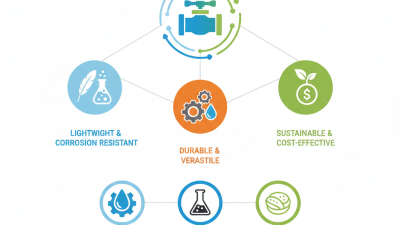
The demand for plastic valves is rising significantly in 2026. Several factors contribute to this trend. Firstly, industries are increasingly seeking lightweight and corrosion-resistant materials. Plastic valves meet these requirements well. They are much lighter than metal options. This advantage makes handling and installation easier.
Another driving force is the ongoing push for sustainability. Many companies are prioritizing eco-friendly solutions. Plastic valves can often be made from recycled materials. This reduces waste and supports green initiatives. Additionally, the longevity of plastic valves decreases the need for frequent replacements, further benefiting the environment.
However, it's essential to be aware of some challenges. Not all plastic valves are created equally. Some may not withstand high-pressure conditions as effectively as metal counterparts. Buyers should diligently evaluate specifications. Finding a balance between cost and quality is crucial. This careful approach can lead to more informed purchasing decisions in the long run.
The global plastic valve market is gaining momentum, driven by diverse industrial applications. According to recent market reports, the demand for plastic valves is projected to grow at a CAGR of over 5.2% from 2023 to 2026. Industries such as water treatment, chemical processing, and food & beverage are the primary drivers of this growth. Manufacturers are focusing on creating innovative designs that enhance safety and efficiency.
Key players in the plastic valve sector emphasize the importance of high-quality materials. Reports indicate that products made from PVC, CPVC, and PP are preferred due to their chemical resistance and lightweight properties. However, many manufacturers still face challenges in balancing production costs with the need for high performance. The competition among brands is fierce, and this can lead to inconsistencies in quality.
Market analysis reveals that there is a significant shift towards sustainability. More manufacturers are exploring eco-friendly materials and production methods. This shift aims not only to meet regulatory requirements but also to address consumer demand for greener alternatives. The path toward sustainability, however, is complicated. It requires innovation and investment, which not all producers can manage effectively.
Plastic valves are essential in various industries. They come in different types, each serving specific functions. Understanding these types is crucial for global buyers.
Ball valves are popular for their excellent sealing capabilities. They provide reliable shut-off in fluid systems. Often used in water and gas applications, they are known for durability. However, they may not perform well in high-pressure scenarios.
Butterfly valves are lightweight and cost-effective. They excel in regulating flow in large piping systems. Their simple design allows for quick operation. Yet, they can be sensitive to pressure fluctuations. Diaphragm valves offer significant control in sanitary applications. Commonly used in pharmaceutical and food industries, they prevent contamination. They may require more maintenance compared to others.
Each valve type has its strengths and weaknesses. Buyers should weigh these factors in their decision-making. Not all valves fit every situation. Understanding specific applications will enhance efficiency.
As we look toward 2026, plastic valve technology is poised for significant advancements. Innovations such as enhanced materials and smart features will drive this evolution. New polymer composites will offer improved durability and resistance to extreme conditions. These advancements will cater to industries ranging from water management to pharmaceuticals, enhancing overall safety.
Smart sensing capabilities will become more prevalent in plastic valves. Integrating IoT technology allows for real-time monitoring of pressure and flow rates. Such features will enable predictive maintenance, reducing downtime. However, challenges remain. Developing reliable smart technologies at an affordable cost can be tricky, requiring careful consideration.
Sustainability will play a crucial role as well. Manufacturers are exploring biodegradable plastics to minimize environmental impact. While this trend shows promise, its practicality in harsh conditions raises questions. The balance between eco-friendliness and performance must be addressed. Innovations in this field will require collaboration and expertise from various sectors to succeed.

Cepex is the brand for the fluid handling market belonging to the Fluidra group. One of the leading european manufacturer of valves and fittings in thermoplastic materials.
Dedicated to the swimming pool, irrigation and industrial markets, we distribute our products worldwide with the Fluidra commercial network and presence in 46 countries with 136 sales branches.