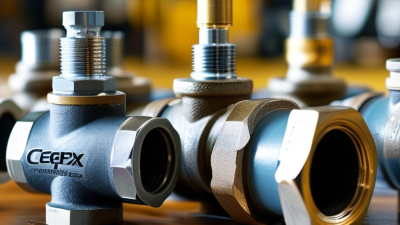
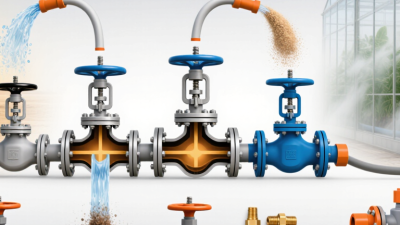
Pool projects depend on details that are easy to overlook, including threaded joints, pump connections, and water flow. For contractors, cepex fittings offer a practical way to connect these systems with consistent dimensions and chemical resistance. Their PVC construction suits many residential and commercial pool environments. Chlorine, moisture, and outdoor exposure are daily concerns.
In my experience, installation quality matters as much as the fitting itself. A well-made fitting cannot correct a poorly prepared pipe. Cutting must be square. Surfaces need proper cleaning. Threads should be tightened carefully, not forced. These small actions help reduce leaks around filters, dosing equipment, and circulation lines. Cepex’s broad product range can simplify specification. This is useful when projects require valves, unions, adapters, or solvent-weld connections from one compatible system.
Still, no component should be selected by brand name alone. Pressure ratings, pipe standards, temperature limits, and chemical conditions require careful review. Some installations may need extra support or another connection method. Professional judgment remains essential. Product documentation and local engineering requirements should guide the final choice.
A reliable pool system should be easy to inspect and maintain. Clear connections help technicians identify problems faster. Less disruption matters.
Cepex fittings are worth considering for projects that value durability, compatibility, and practical installation. They are not a shortcut around good design. They are one dependable part of it.
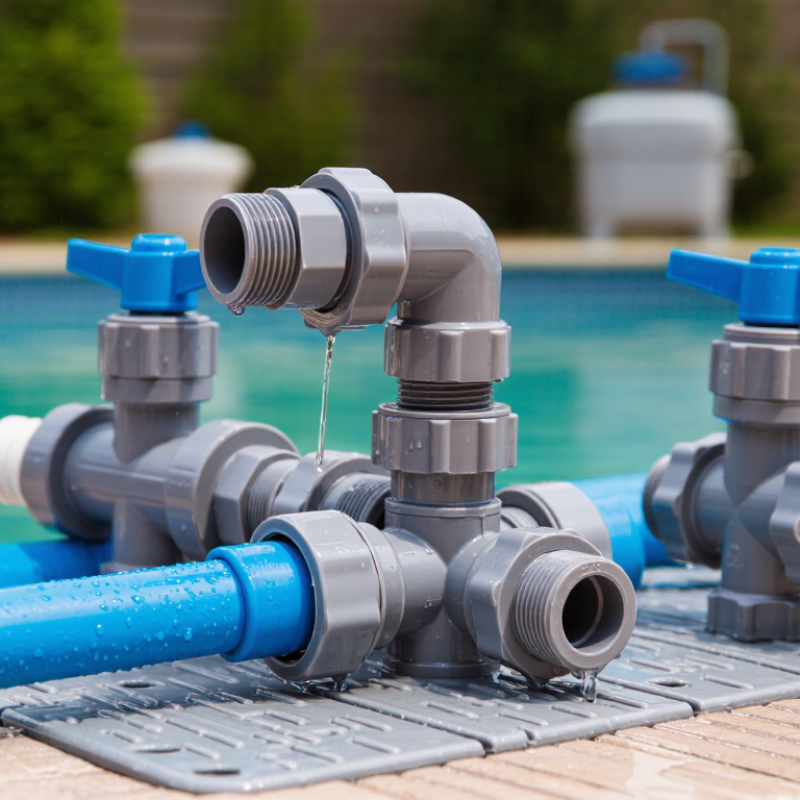
Fittings are the quiet connectors that keep a pool circulation system working. They join pipe sections, valves, pumps, filters, heaters, and return outlets. In a typical installation, their role is simple but demanding: guide water safely while resisting pressure, moisture, and treatment chemicals.
Pool fittings are commonly made from engineered plastics selected for corrosion resistance and smooth internal surfaces. Their design can reduce turbulence around elbows, unions, and threaded connections. Removable unions also make pump or filter maintenance easier. That matters when equipment must be opened in a narrow plant room. Small details matter.
Reliable selection depends on more than diameter alone. The fitting should match the pipe material, connection method, operating pressure, temperature range, and water chemistry. Threaded parts need careful alignment and suitable sealing practices. Solvent-welded joints require clean, dry surfaces and enough curing time. A rushed joint may look acceptable and still leak later. I have seen installation plans overlook access space around unions, making routine repairs unnecessarily difficult. That mistake deserves reflection.
Professional installers should follow current technical data, local pool codes, and the fitting manufacturer’s pressure ratings. A controlled pressure test before backfilling can reveal weak joints early. It is also wise to inspect supports, pipe movement, and sharp bends near equipment. Fittings are not the whole system. Poor layout can defeat good components, while careful installation helps them perform consistently over many seasons.
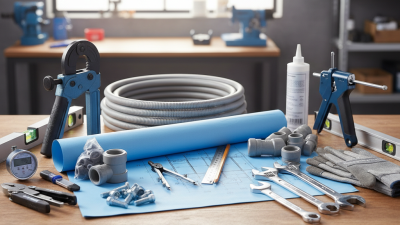
Pool fittings face constant contact with treated water, pressure changes, and humid equipment-room conditions.
Rigid PVC offers strong corrosion resistance against chlorine-based treatment when water chemistry remains properly controlled. It does not rust like metal, and its smooth internal surface helps reduce turbulence and pressure loss.
Material selection still requires care.
A fitting’s pressure rating should match the pump system, operating temperature, and pipe size. PVC is lightweight, so technicians can handle components easily during installation. Solvent-welded joints can provide a secure connection when surfaces are clean, dry, and correctly prepared.
Field experience shows that rushed preparation causes more failures than the material itself. That point is easy to overlook.
Tips:
Check pH and sanitizer levels regularly. Inspect joints near pumps and filters for whitening, movement, or small leaks. Protect exposed plastic from prolonged, intense sunlight. Support long pipe runs to reduce stress on connections. Do not force misaligned fittings into place. A proper fit matters. Selecting compatible seals and following the manufacturer’s technical data also supports dependable pool-water service.וואך
Pool plumbing depends on connections that remain tight under pressure, chemicals, temperature changes, and regular maintenance. Thermoplastic fittings are useful because they resist corrosion and keep systems relatively light. Common options include solvent-weld sockets, threaded adapters, unions, and flanged connections. Each serves a different purpose. Solvent welding creates a compact, permanent joint for fixed pipe runs. Threaded connections support equipment changes, but they require careful alignment and compatible sealant. Unions make pumps, filters, and heaters easier to remove.
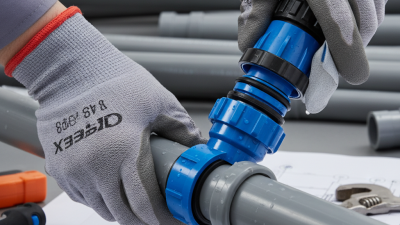
Installation quality matters more than appearance. Cut pipes squarely and remove burrs before assembly. Dry-fit every section first. Apply the correct primer and cement evenly, then push the pipe fully into the fitting with a slight twist. Hold it briefly while the joint sets. Do not pressure-test too soon. A clean joint can still fail if the pipe is stressed or poorly supported. This is where installers sometimes rush, and the mistake may remain hidden for months.
Tips: Keep threaded plastic connections hand-tight plus a small adjustment. Excessive force can split the fitting. Support long pipe runs near valves and equipment. Check flow arrows before installation. Leave enough clearance for union nuts and future servicing. If a connection feels forced, stop and redesign it. That small delay is cheaper than opening a finished deck later.
Pool plumbing demands more than a tight connection. It must manage pressure, chemicals, heat, and repeated seasonal movement. In field inspections, I look for fittings with smooth internal passages and clean socket depth. These details help water move efficiently and reduce turbulence near pumps and filters. A well-made connection also limits small leaks that can grow behind equipment pads. That matters. Stable dimensions are valuable when pipes expand under direct summer sunlight.
Durable fittings support easier maintenance over the years. When joints align correctly, technicians spend less time forcing pipes into place. That reduces stress on valves, unions, and threaded components. Solvent-welded systems can create reliable seals when surfaces are dry, prepared, and fully seated. Always follow installation instructions and local plumbing requirements. I have learned not to blame every failure on the fitting. Poor support, excessive adhesive, or rushed testing often causes trouble. Still, no component is perfect. A careful installer should pressure-test the system before backfilling or closing access panels. Watching gauges during a suitable hold period can reveal a slow pressure drop before damage spreads. The strongest performance comes from compatible materials, accurate cutting, and patient installation. Yet real sites are messy. That is where practical judgment matters.
For pool projects, fitting selection should begin with chemistry, pressure, temperature, and access conditions. A component rated for clean water may fail in chlorinated systems. Choose compatible plastics, seals, and connection methods from documented manufacturer data. Verify pressure ratings against pump curves, not guesswork. Small errors become expensive under a wet deck.
Maintenance planning matters as much as initial selection. The U.S. Environmental Protection Agency estimates household leaks waste nearly one trillion gallons of water annually. Pool systems can hide similar losses behind equipment pads, especially when joints remain damp but do not visibly drip. Inspect unions, valves, and threaded connections during every service visit. Check for whitening, distortion, brittle seals, and unusual pump noise. Keep spare gaskets on site. It saves time. The CDC Model Aquatic Health Code also emphasizes documented inspections, water-quality control, and circulation performance in aquatic facilities. Service records should include chemical readings, pressure changes, repairs, and replacement dates. I have found that photographs reveal gradual movement better than memory. Still, visual checks are imperfect. A fitting may look sound while internal stress is developing. Independent testing, qualified installation, and scheduled pressure verification provide stronger evidence. Service teams should explain these limitations clearly, especially when selecting fittings for public pools, high-use facilities, or systems exposed to frequent thermal cycling.
Selection, maintenance, and service planning should account for water chemistry. The chart below shows commonly used residential pool-water reference ranges that help guide material compatibility checks, inspection routines, and maintenance decisions.
Always verify the fitting manufacturer’s technical documentation and local pool-water regulations before specifying materials or setting service intervals.

Cepex is the brand for the fluid handling market belonging to the Fluidra group. One of the leading european manufacturer of valves and fittings in thermoplastic materials.
Dedicated to the swimming pool, irrigation and industrial markets, we distribute our products worldwide with the Fluidra commercial network and presence in 46 countries with 136 sales branches.