Choosing Cepex irrigation valves for global projects requires more than matching pipe diameter to a product catalog. Valve performance depends on pressure, water quality, temperature, installation conditions, and local maintenance skills. A reliable decision begins with field evidence, not assumptions.
This guide examines how cepex irrigation valves perform across farms, greenhouses, municipal landscapes, and remote water systems. It considers pressure ratings, connection types, material compatibility, flow control, and actuator requirements. A valve beside a dusty pump station faces different risks from one installed in a humid greenhouse. Sand, fertilizer residue, freezing temperatures, and irregular servicing can all influence service life.
Details matter.
Project teams should also verify technical documentation, supplier support, replacement availability, and installation guidance before approving a global specification. Regional standards and project requirements may differ, so engineers should confirm compliance with qualified local professionals. Testing the valve under realistic pressure and flow conditions can reveal problems that drawings often hide.
No selection method is flawless. A technically suitable valve may still become impractical if spare parts take months to arrive. Conversely, a familiar model may not suit aggressive water chemistry or unstable pressure. This article offers a practical framework for comparing Cepex options, documenting risks, and making decisions that remain dependable after commissioning. The goal is not to promote one solution blindly, but to connect product choice with actual site conditions, lifecycle costs, and responsible irrigation performance.
Choosing irrigation valves for a global project starts with clear site requirements. Valve selection should follow the system, not the catalog.
Define the required flow range for each irrigation zone. Record static pressure, working pressure, and possible pressure surges. A remote farm may need dependable manual operation when power or signals fail. An urban greenhouse may require electric actuation, position feedback, and scheduled control. Measure pipe diameter and connection type carefully. Small mismatches create costly installation delays.
Water conditions also deserve close attention. Test salinity, suspended particles, acidity, and temperature before selecting valve materials. Dirty water can damage seals and restrict movement. In my field experience, a simple upstream filter often protects the entire control network. Still, filtration is not a cure for poor maintenance. Design access points for flushing and inspection. Leave enough space around each valve for tools and replacement parts.
Climate and local standards shape the final choice. Cold regions may need drainage protection and frost-resistant installation details. Hot, exposed sites require materials that tolerate ultraviolet radiation. Confirm pressure ratings against local engineering rules and project specifications. Compatibility with controllers, sensors, and backup power should be checked during commissioning. I once underestimated cable length on a large site, creating avoidable rework. That mistake reinforced a practical lesson: verify the full installation route, not only the equipment list. Record test results, operating limits, and maintenance intervals for the local team.
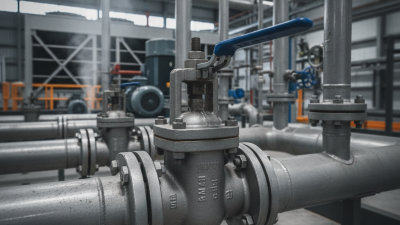
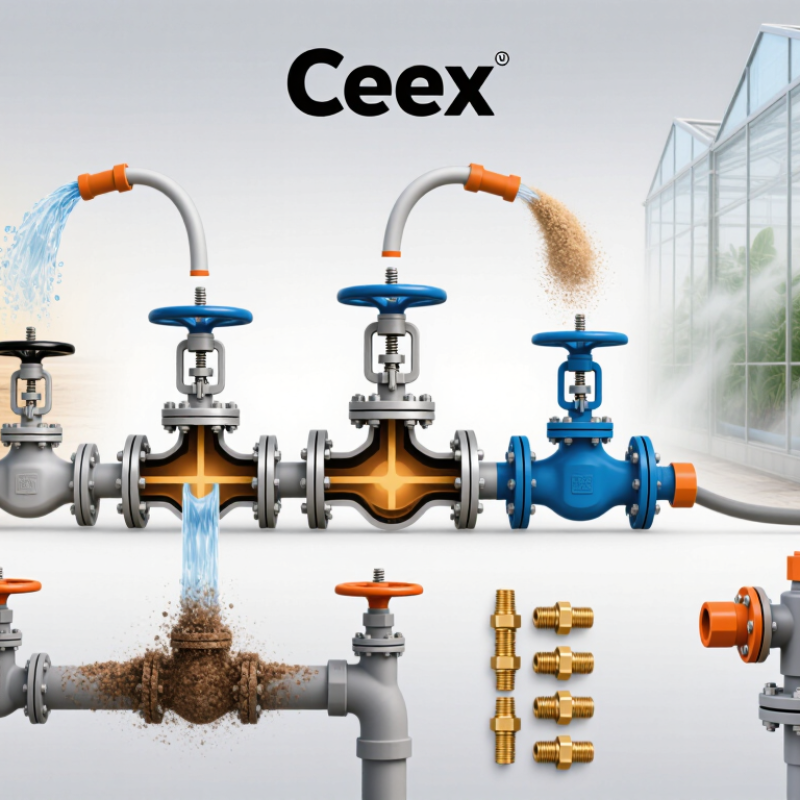
Choosing irrigation valves for a global project starts with the water pattern, not the catalog photograph. Butterfly valves suit larger pipelines because their compact bodies reduce installation space. Ball valves provide reliable shutoff on smaller branches and maintenance lines. Diaphragm valves work well in automated zones where steady pressure control matters. I have found that a valve performing perfectly in a clean greenhouse may struggle with sandy canal water.
Size should match both flow demand and operating pressure. A DN25 valve may serve a small drip zone, while larger fields often require DN80 or DN100 connections. Oversizing can reduce control accuracy and increase cost. Undersizing creates excessive pressure loss, especially near filters and elevation changes. Check actual flow rates, pipe standards, thread types, and flange measurements before ordering. Metric and imperial dimensions can look deceptively similar.
Control options depend on labor, power, and network access. Manual handles remain practical for isolated blocks. Electric actuators support timed irrigation and remote monitoring, but they need dependable protection from moisture. Hydraulic or solenoid control can respond quickly across many zones. Pressure-regulating models help protect fragile emitters. Field testing matters. I once treated a pressure chart as final, then discovered pressure spikes during pump startup. That mistake changed the specification. Leave room for flushing, inspection, and future expansion. A clear valve schedule should record size, material, pressure rating, control signal, and replacement access.
Selecting irrigation valves for global projects starts with water chemistry, not catalog pressure ratings. WHO Guidelines for Drinking-water Quality, 2022, identifies pH, chloride, and temperature as key risk factors for material performance. Irrigation water can also carry fertilizer salts, suspended grit, and disinfectant residues. A valve beside a coastal greenhouse may face salt spray, heat, and daily cycling. Choose bodies, seals, and fasteners separately. One material rarely solves every exposure.
For clean, moderate-temperature water, PVC-U or polypropylene can offer practical corrosion resistance and low weight. EPDM seals generally suit water and many diluted fertilizers; other chemicals may demand a different elastomer. Verify compatibility against concentration, temperature, and contact time. ISO 9223 defines atmospheric corrosivity categories for inland, industrial, and coastal locations. The NACE IMPACT study estimated corrosion costs at 3.4% of global GDP in 2013. Small material decisions can become expensive maintenance.
Field checks should include pH, conductivity, chloride, temperature, and sediment. Request test evidence under representative cycles, not only a generic datasheet. NSF/ANSI/CAN 61 may matter where components contact drinking water, even on agricultural sites. Yet paperwork is not proof of local durability. UV exposure, buried moisture, and thermal movement are often underestimated. A neat selection matrix can still miss reality. Recheck it after one season.
Material selection should reflect water chemistry, sunlight, salinity, and temperature. This engineering screening chart uses a 1–5 suitability scale, where 5 indicates stronger general resistance. Actual selection should be confirmed against local water analysis, operating pressure, temperature, and applicable standards.
Chlorinated water and saline exposure can accelerate corrosion in some metals, while UV exposure is especially important for outdoor polymer installations. PVC-U and PP are commonly used for broad chemical resistance, stainless steel is suited to demanding mechanical and saline conditions, and PVDF is typically selected where high chemical resistance is required.
Choosing irrigation valves for a global project starts with pressure, not appearance. Check the normal working pressure, maximum pressure, and expected surge separately. A valve rated for 10 bar may not suit a system with sudden pump starts. Field teams should compare the rating with measured pressure at the highest and lowest points. Pipe diameter matters too. An undersized valve can create unnecessary pressure loss.
Standards and connections require equal attention. Confirm whether the project uses ISO, EN, ANSI, or local specifications. Threaded ends may follow BSP or NPT patterns, which are not interchangeable. Flanged valves also need matching drilling dimensions, gasket types, and bolt patterns. Ask for current test reports, material declarations, and certification documents. Do not rely only on a distributor’s summary.
Global compatibility includes water quality, climate, control systems, and replacement access. Reinforced plastics can perform well, but ultraviolet exposure, chemicals, and freezing conditions need review. Electric actuators may require different voltages or enclosure ratings across regions. Hydraulic control lines can be simpler, yet they need clean, stable water. A practical selection sheet should record pressure, temperature, connection type, fluid condition, and control method. Keep it clear. One detail is often missed: local technicians must be able to service the valve with available tools. Recheck assumptions before ordering; a specification can look complete while still hiding a costly mismatch.
For global irrigation projects, valve selection begins with site conditions, not a catalogue image. Check pipe diameter, operating pressure, water temperature, flow rate, and chemical exposure. A valve sized only by connection diameter may restrict flow or close unpredictably. Record these values during commissioning. That record becomes useful when conditions change. Select materials compatible with treated water, fertilizers, and local soil conditions. Use certified components where regional codes require them.
Installation quality often determines service life. Install valves with accessible unions and enough clearance for actuator removal. Flush pipes before connection. Small stones can damage seals. Confirm flow direction, gasket position, and tightening torque against the technical manual. Do not bury control parts without a marked access point. On large sites, label every valve with its zone, size, pressure rating, and installation date. This sounds simple. It prevents expensive searching.
Create a maintenance schedule based on water quality and operating cycles. Inspect filters, pilot lines, diaphragms, bolts, and electrical connections at planned intervals. Keep critical spare parts locally, including seals, diaphragms, fasteners, and compatible control accessories. Store elastomers away from sunlight and heat. Technical support should provide drawings, troubleshooting steps, response times, and multilingual communication. Ask for training before the first fault occurs. I have seen teams replace a complete valve when a blocked pilot line caused the failure. That mistake costs time. Review failure reports honestly, even when installation practice was the real problem.

Cepex is the brand for the fluid handling market belonging to the Fluidra group. One of the leading european manufacturer of valves and fittings in thermoplastic materials.
Dedicated to the swimming pool, irrigation and industrial markets, we distribute our products worldwide with the Fluidra commercial network and presence in 46 countries with 136 sales branches.