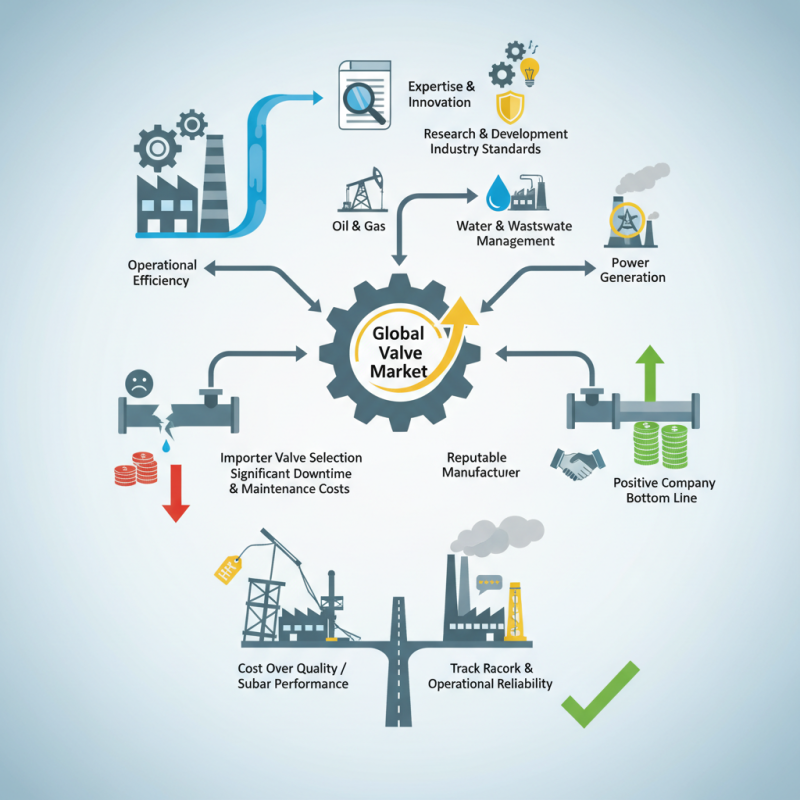
In today's fast-paced industrial landscape, choosing reliable valves manufacturers is crucial for operational efficiency. According to a recent report by MarketsandMarkets, the global valve market is expected to reach USD 86.5 billion by 2026, growing at a compound annual growth rate (CAGR) of 5.5%. This growth underscores the importance of high-quality valves in various sectors, such as oil and gas, water wastewater management, and power generation.
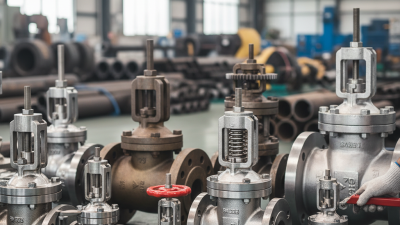
Top valves manufacturers bring expertise and innovation to the table. They invest in research and development, ensuring their products meet stringent industry standards. A study by Grand View Research highlights that improper valve selection can lead to significant downtime and maintenance costs. Thus, selecting a reputable manufacturer can directly impact a company's bottom line.
However, not all manufacturers deliver the same value. Some may prioritize cost over quality, resulting in subpar performance. It's essential to assess a manufacturer's track record and customer feedback. Investing time in evaluating potential suppliers can prevent costly mistakes and enhance overall operational reliability.
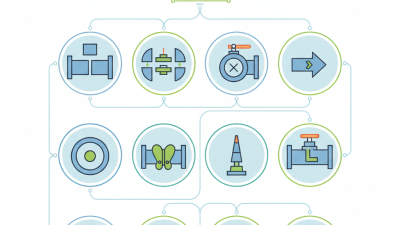
Valves play a critical role in various industrial applications. They control the flow and pressure of fluids in pipelines. Without them, systems could face significant operational challenges. Valves regulate the movement of liquids and gases, ensuring efficiency and safety in processes. For example, they can minimize leaks and reduce energy consumption.
However, the choice of valve affects system performance. Not all valves are created equal. Using the right valve type is essential to match the specific demands of a system. Poorly chosen valves can lead to unexpected downtime. Often, this results from inadequate research or understanding of system requirements.
Selecting reputable valve manufacturers can improve reliability. These companies often adhere to strict quality standards. Their products tend to offer better durability. Additionally, they provide valuable expertise in valve selection and maintenance. Inadequate valve management can lead to costly repairs and safety hazards. It’s a reminder of the importance of informed choices.
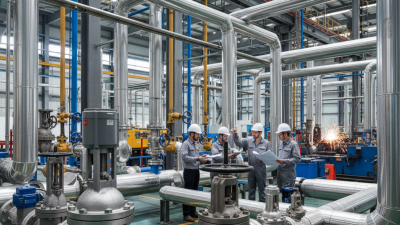
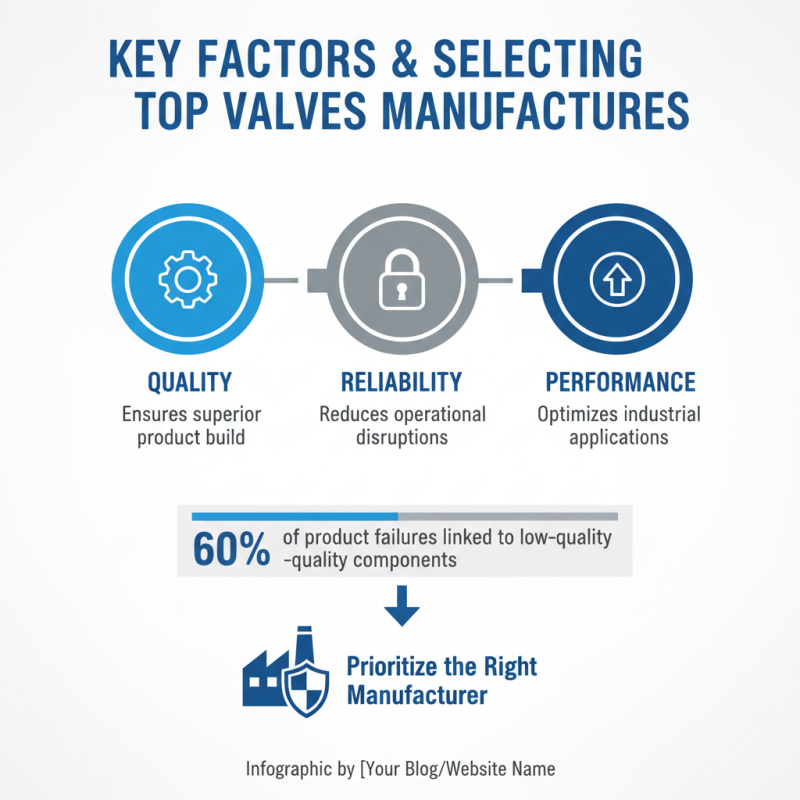
Choosing top valve manufacturers is crucial for various industrial applications. Selecting these manufacturers ensures quality, reliability, and performance. In the valve industry, around 60% of businesses report that product failures are linked to low-quality components. Therefore, prioritizing the right manufacturer can significantly reduce operational disruptions.
One key factor to consider is certifications. Look for manufacturers with industry-standard certifications, such as ISO 9001. A study found that companies with certified manufacturing processes had a 40% lower failure rate. Also, assess their quality control measures. Consistent testing can lead to more reliable products and user confidence.
Tip: Always ask for case studies or references. This is essential because real-world examples provide insight into a manufacturer’s performance. Ensure they invest in advanced technology for production. Outdated methods can lead to inefficiencies and defects. Remember, the most recognized names are not always the best choice. Consider their experience and customer feedback.
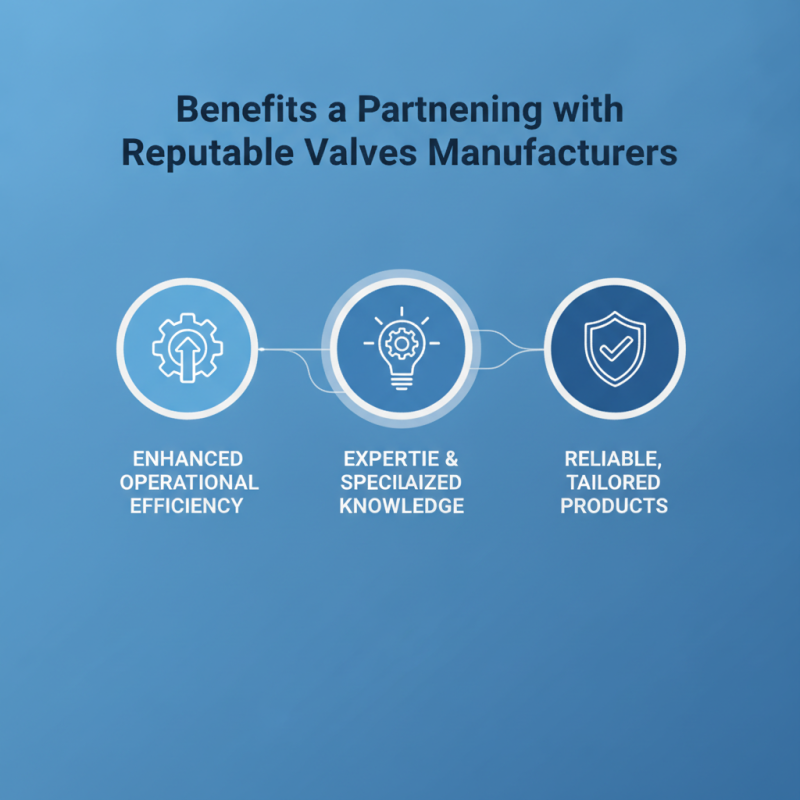
Choosing the right valves for industrial applications is crucial. Partnering with reputable valves manufacturers can significantly enhance operational efficiency. These manufacturers often have extensive experience and specialized knowledge in valve design and performance. Their expertise ensures that you receive reliable products tailored to your specific needs.
When you work with established manufacturers, you gain access to quality assurance. They typically follow stringent industry standards, resulting in durable and high-performing valves. This reliability minimizes downtime and maintenance issues. Additionally, reputable manufacturers often provide comprehensive support, helping you with installation and troubleshooting. This level of service can be hard to find with lesser-known providers.
However, not all manufacturers meet these criteria. Some may promise quality but fail to deliver. It’s essential to conduct thorough research before making a decision. Look for manufacturers with positive customer reviews and certifications. A well-informed choice leads to long-term benefits, but take the time to investigate thoroughly. This diligence can prevent costly mistakes in the future.
When selecting valves for industrial applications, quality assurance is crucial. Leading manufacturers implement rigorous practices to ensure their products meet high standards. They conduct thorough inspections at various stages of production. This helps identify defects early, reducing waste and enhancing reliability.
Reliable manufacturers utilize advanced technologies in their quality control processes. Automated testing equipment checks for precise measurements and functionality. Skilled personnel also verify each valve's performance under simulated operational conditions. However, even top manufacturers may face challenges. Occasionally, unexpected defects arise even after extensive testing.
Experience plays a vital role in quality assurance. Manufacturers rely on historical data to predict potential failure points. They continuously refine their processes based on feedback. This commitment demonstrates a willingness to improve, highlighting the importance of learning from mistakes. These practices foster trust between manufacturers and their customers, ensuring long-lasting industrial solutions.
Advanced technology is transforming valve production in remarkable ways. High-precision manufacturing processes improve quality. Computer numerical control (CNC) machines allow for unmatched accuracy. This leads to valves that perform reliably under stress. Advanced materials like titanium and composites also enhance durability. These innovations address the demands of modern industrial applications.
Automation plays a significant role too. Robotic systems streamline assembly lines. They increase efficiency and reduce human error. However, reliance on technology raises concerns. Workers must adapt to a changing job landscape. Skill gaps can emerge as companies embrace new tools. Training programs need to evolve to prepare employees.
The shift toward smart valves is notable. Sensors integrated into devices can provide real-time data. This allows for predictive maintenance, reducing downtime. Yet, these advancements come with challenges. Cybersecurity becomes increasingly important. Manufacturers must ensure that systems are safe from threats. Balancing these innovations with reliable practices is essential for future growth.

Cepex is the brand for the fluid handling market belonging to the Fluidra group. One of the leading european manufacturer of valves and fittings in thermoplastic materials.
Dedicated to the swimming pool, irrigation and industrial markets, we distribute our products worldwide with the Fluidra commercial network and presence in 46 countries with 136 sales branches.