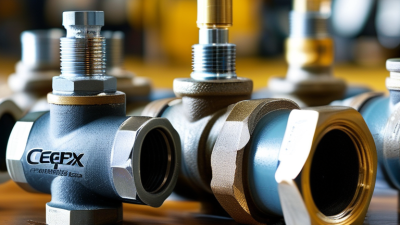
The 2026 Cepex catalogue can help global sourcing teams identify products, compare technical options, and prepare focused supplier questions. But a catalogue is a starting point, not a purchasing guarantee. Product names, dimensions, materials, and performance claims should be checked against current technical documents and confirmed directly with Cepex or an authorized distributor. Small details matter. A connection size or material grade can change whether a component suits an existing system.
Use the cepex catalogue as a structured reference. Note the product category, model, stated specifications, and any accessories shown beside each item. Then record what remains unclear, such as operating conditions, compatibility, availability, or packaging requirements. This makes supplier discussions more precise and reduces avoidable back-and-forth. Global buyers should also check delivery terms, lead times, and destination-specific documentation with their suppliers; these details may not appear in product listings. Keep a dated copy of the catalogue and save written confirmations for the models under consideration. That creates a clearer trail when teams review quotations or compare alternatives.
A careful comparison beats a quick guess. Still, catalogues can be incomplete, and product pages may not answer every practical question. Treat that gap as a reason to verify, not assume. This guide explains how to navigate the 2026 edition, shortlist relevant products, and turn catalogue information into a more reliable sourcing brief. The goal is not to make the catalogue do everything. It is to use it well, while being honest about what needs confirmation.

The 2026 Cepex Catalogue should be read as a sourcing map, not a simple product list. Its structure usually moves from broad categories to detailed product groups, technical specifications, materials, dimensions, packaging, and supply conditions. Start with the index. Then compare similar items across sections. This reduces search time and exposes differences that product images often hide. Check whether each entry includes product codes, minimum order quantities, lead times, testing documents, and export packaging. These details are essential when suppliers operate across different markets.
Global sourcing requires more than attractive pricing. WTO data reported a 1.2% decline in merchandise trade volume during 2023, followed by a projected 2.6% increase in 2024. Market recovery can change freight capacity and supplier response times quickly.
UNCTAD’s December 2024 Global Trade Update estimated global trade could exceed 33 trillion dollars in 2024. A catalogue therefore needs to be read alongside shipping routes, customs classifications, and regional demand. Match catalogue categories with the Harmonized System code before requesting quotations. Small classification errors can create costly delays.
Use a worksheet beside the catalogue. Record the item code, material, dimensions, certification status, order quantity, and delivery estimate. Add a column for unanswered questions. This is where real sourcing work begins. Some entries may look complete but still lack pallet dimensions or replacement-part information. That weakness deserves review. I would also request dated technical sheets and recent quality records, because printed specifications can become outdated. A careful buyer does not trust every line equally. Verify, compare, and document each decision.

Before opening the 2026 catalogue, define what your business must buy. A vague request such as “industrial fittings” creates unreliable results. Record the exact application, material, dimensions, pressure rating, quantity, and target delivery date. Add acceptable substitutes, but mark them clearly. Some requirements cannot be negotiated.
Build a one-page sourcing brief. Include destination country, preferred shipping terms, budget range, packaging needs, and required documents. For regulated markets, check applicable safety standards, testing reports, and customs rules before contacting suppliers. A catalogue can show product details, but it cannot replace independent verification. Ask for current specifications, production capacity, sample availability, and quality-control procedures.
Keep evidence beside each requirement. A spreadsheet with columns for model, material, tolerance, lead time, and certification status makes comparison easier. Photographs can expose useful details, such as thread shape or protective caps. Small details matter. I have seen teams focus on unit price while overlooking pallet size and import fees. That approach needs correction. Supplier information may also be incomplete, outdated, or open to interpretation, so record unanswered questions instead of guessing. Then search the catalogue with defined filters, realistic alternatives, and a short list of non-negotiable conditions.
Convert flow rates to a common unit before comparing product specifications across regions.
Reference conversions: 1 m³/h = 16.67 L/min; 1 US gal/min = 3.785 L/min; 1 L/s = 60 L/min. Confirm the required operating flow rate and units before browsing catalogue listings.
The 2026 catalogue should be used as a specification map, not a shopping list. Start with fluid type, operating temperature, pressure, connection standard, and installation space. Record each value in a sourcing worksheet. Small details matter. A valve suitable for clean water may fail in abrasive slurry. Check material compatibility against the actual chemical concentration, not a general product description. Ask suppliers for current technical sheets and conformity documents before comparing prices.
Match each product to its application environment. A compact fitting may suit a laboratory skid, while reinforced piping may better serve buried or high-load systems. Review flow rate, maintenance access, ultraviolet exposure, and expected service life. I have found that nominal diameter alone creates poor matches. The same diameter can produce different pressure losses. Use catalogue tables, then verify calculations with a qualified engineer. Do not treat a diagram as proof of field performance.
Build a shortlist with three columns: required value, catalogue value, and evidence. Mark gaps clearly. If a pressure rating is missing, pause the purchase. That protects the project. A practical review should also question assumptions. Is the temperature continuous or occasional? Will operators use compatible tools? Leave room for uncertainty, because catalogue data may reflect controlled testing. Request samples when tolerances, sealing, or assembly feel critical. Records make supplier discussions more reliable.
A 2026 product catalogue is a starting point, not proof that an item is ready to ship.
Check stock status, production lead time, minimum order quantity, and the date availability was confirmed. Ask for a written quotation showing the exact model, quantity, packaging, and delivery point.
This matters in a shifting trade environment: the WTO’s October 2023 Global Trade Outlook and Statistics report estimated merchandise trade volume growth of just 0.8% for 2023. A listed product may still face delays or changing costs.
Verify certifications against the destination market and the specific product configuration.
Request current certificates, test reports, issuing-body details, and model numbers; compare them with the catalogue entry. Also confirm export documents, such as the commercial invoice, packing list, origin information, and any required product declarations. Requirements vary by destination, so have a qualified customs broker review the document set before booking freight. Small mismatches can hold up a pallet.
Tips:
Record confirmation dates beside stock and certificate details. Keep the evidence in one folder. Recheck before payment. Catalogue pages can be incomplete, and even a careful checklist will not catch every change. That is worth admitting.
Use the 2026 catalogue as a shortlist, not a final verdict. For each item, record the specification, material, minimum order quantity, lead time, quoted price, and delivery terms. Ask suppliers to quote against the same quantities and delivery point; otherwise, a lower unit price may hide extra freight or packaging costs. Check whether samples match the listed dimensions and finish. Small differences matter when parts must fit an existing assembly.
Compare more than price. Score each offer for specification match, production capacity, quality evidence, communication speed, and delivery reliability.
McKinsey Global Institute’s 2020 report, Risk, Resilience, and Rebalancing in Global Value Chains, estimated that severe disruptions lasting a month or longer occur about every 3.7 years on average.
That finding makes contingency planning practical: identify a backup supplier for critical items, confirm realistic lead times, and note which orders need extra buffer. A polished quote is not proof of reliable production.
Tips: Build a simple comparison sheet, then verify key claims directly. Request dated quotations, sample photos with a ruler in frame, and written confirmation of production and dispatch dates. Keep notes after each supplier call; memory gets fuzzy. One limitation: catalogue details may not reflect current capacity, so recheck before placing an order.

Cepex is the brand for the fluid handling market belonging to the Fluidra group. One of the leading european manufacturer of valves and fittings in thermoplastic materials.
Dedicated to the swimming pool, irrigation and industrial markets, we distribute our products worldwide with the Fluidra commercial network and presence in 46 countries with 136 sales branches.