Choosing the best China cepex valves supplier requires more than comparing catalog prices. Global buyers need dependable materials, accurate specifications, responsive communication, and documented quality controls. A suitable supplier should understand PVC and CPVC piping systems, chemical compatibility, pressure ratings, actuator options, and regional installation conditions. Small details matter. Thread quality matters. So does packaging.
Valve engineer Robert W. Zappe offers a practical reminder: “Valve selection begins with the process, not the product.” That principle fits every cepex valves purchasing decision. Buyers should define the media, temperature, pressure, connection standard, operating frequency, and maintenance environment before requesting quotations. A low-cost valve may become expensive when seals fail, dimensions vary, or replacement parts are unavailable.
This guide examines how global buyers can evaluate Chinese cepex valves suppliers with greater confidence. It considers manufacturing experience, technical documentation, inspection procedures, customization capability, export support, and after-sales service. Factory photos are useful, but they prove little alone. Buyers should request material certificates, pressure-test records, product drawings, and sample approvals. Video inspections can help, though they cannot replace independent verification.
There is no perfect supplier. Even experienced manufacturers may have weak communication or inconsistent documentation. That deserves attention. The strongest sourcing decision balances product performance, transparent evidence, delivery reliability, and long-term technical support. Cost matters, but it should not lead the evaluation. A valve protects the entire system.
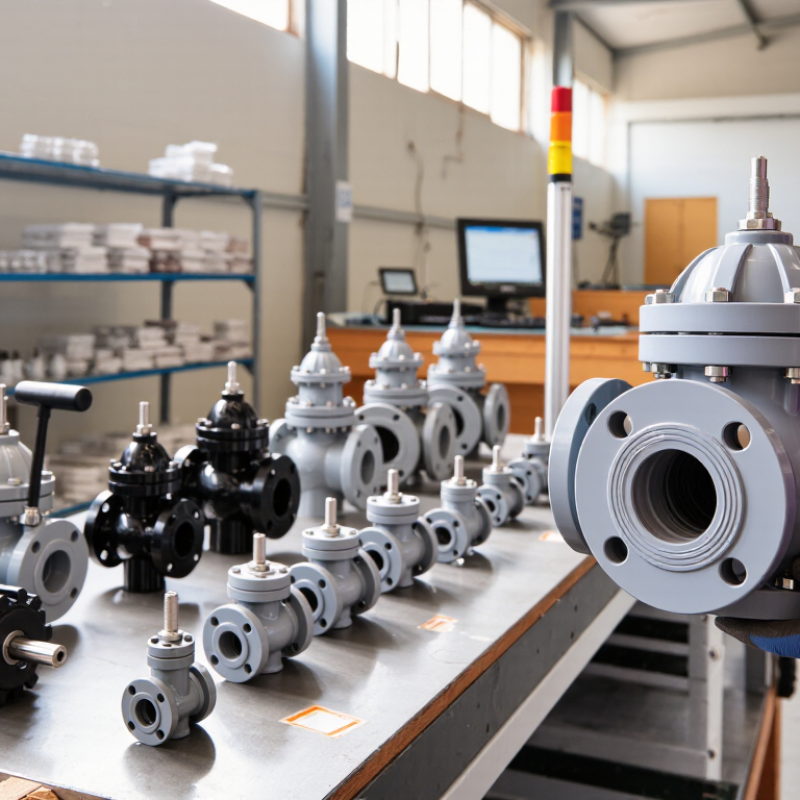
Thermoplastic diaphragm valves are compact flow-control devices built for water, chemicals, and corrosive process fluids. A flexible diaphragm moves against a weir, opening or closing the passage without placing metal parts directly in the fluid. Common body materials include PVC-U, PVC-C, and polypropylene. These materials resist many acids, alkalis, and salts, but compatibility must be checked at the actual operating temperature.
Their use is growing with water infrastructure. UN-Water reports that agriculture accounts for roughly 70% of global freshwater withdrawals. The 2024 MarketsandMarkets Industrial Valves report estimates the industrial valve market will grow from about USD 78 billion in 2024 to more than USD 96 billion by 2029.
These figures explain demand for economical valves in irrigation, filtration, dosing, aquaculture, and wastewater systems.
Field selection requires more than matching pipe size. Buyers should verify pressure, temperature, fluid concentration, diaphragm material, connection standard, and actuator requirements. ISO 16138 provides a useful reference for thermoplastic diaphragm valve performance.
Plastic bodies are light and corrosion-resistant. They can still crack under impact, over-tightening, or sudden temperature changes.
Real installations are messier. A valve suitable for dilute acid may fail with the same chemical at higher heat. Supplier claims should therefore be checked against test certificates, batch traceability, and documented compatibility charts.

Choosing a reliable China-based valve supplier requires more than comparing prices. Start with material knowledge. Confirm the valve body, seal, and actuator suit your fluid, temperature, and pressure conditions. A capable supplier should provide clear technical data, drawings, and test procedures. Vague specifications are a warning sign.
Practical experience matters. Ask for production photos, sample results, and traceability records for each batch. Check whether the factory controls molding, assembly, pressure testing, and final inspection internally. Independent certifications can support credibility, but they should match the actual product and facility. I have found that fast replies are useful, yet technical accuracy matters more. A polished catalog can still hide gaps.
Tips: Request one sample before placing a larger order. Test it under realistic pressure and temperature conditions. Review leakage rates, thread quality, flange alignment, and operating force. Ask how defects are handled and how replacement parts are supplied. Confirm export packaging, labeling, lead times, and communication channels in writing. Do not assume every factory has the same engineering depth. A lower quote may reflect thinner seals, weaker inspection, or limited support. Allow room for questions and revisions; reliable cooperation is rarely perfect on the first exchange.
| Evaluation Criterion | Why It Matters to Global Buyers | Recommended Verification Evidence | Practical Benchmark or Requirement | Priority |
|---|---|---|---|---|
| Product and Size Coverage | A supplier should cover the valve sizes, connection standards, pressure classes, and materials required for the project to reduce the number of separate vendors. | Current product catalogue, dimensional drawings, pressure ratings, material specifications, and a written product-selection guide. | Confirm compatibility with the required nominal size range, end connections, operating pressure, temperature, and fluid type before quotation. | High |
| Material Compatibility | Valve body, diaphragm, seals, and other wetted parts must resist the conveyed medium and the planned operating temperature. | Material certificates, wetted-parts list, seal material declaration, chemical-resistance information, and application references. | Require written confirmation for corrosive chemicals, abrasive slurries, potable water, wastewater, or other special media. | High |
| Applicable Standards and Compliance | Documentation and conformity requirements may differ by destination country, industry, and application. Missing compliance records can delay customs clearance or project approval. | Declarations of conformity, relevant test reports, quality certificates, technical files, and destination-market documentation. | List every mandatory requirement in the purchase specification and verify that certificates apply to the quoted valve series. | High |
| Pressure and Functional Testing | Testing helps verify pressure integrity, shut-off performance, actuation, and leak resistance before shipment. | Factory inspection and test plan, hydrostatic or pneumatic test procedure, inspection records, and sample test reports. | Request test conditions, acceptance criteria, inspection frequency, and traceability to the valve serial number or batch. | High |
| Quality Management System | A documented quality system improves consistency across production batches and provides a process for handling nonconformities. | Valid quality-management certificate, quality manual summary, incoming-material controls, final-inspection procedure, and corrective-action records. | Check certificate validity, issuing body, scope, manufacturing site, and whether the scope covers valve production. | High |
| Manufacturing Traceability | Traceability supports warranty claims, replacement-part identification, and investigation of field failures. | Batch numbers, heat or material records where applicable, serial-number system, inspection logs, and packing-list references. | Each shipment should be traceable from the product marking and packing list to production and inspection records. | Medium |
| Actuator and Automation Integration | Automated valve assemblies must match the required torque, control signal, fail position, protection rating, and installation environment. | Torque calculations, actuator data sheets, mounting-interface details, wiring diagrams, control specifications, and functional-test records. | Confirm manual override, open-close indication, cycle requirements, enclosure protection, and compatibility with the control system. | High |
| Customization Capability | Projects may require special end connections, labels, accessories, packaging, documentation, or operating configurations. | Approved drawings, engineering-change procedure, sample customization records, and pre-production approval workflow. | Require written approval for all deviations from the standard catalogue configuration before production begins. | Medium |
| Production Capacity and Lead Time | Reliable capacity reduces the risk of missed installation windows, especially for repeat orders or large projects. | Confirmed production schedule, capacity statement, standard and customized lead times, and recent on-time-delivery records. | Separate sample, trial-order, standard-production, and peak-season lead times in the supply agreement. | High |
| Inspection Before Shipment | Pre-shipment inspection can identify incorrect specifications, missing accessories, surface damage, and packaging problems before export. | Inspection checklist, photographs, test certificates, packing-list review, and independent inspection option. | Define inspection points, sampling level, rejection criteria, and responsibility for corrective action. | High |
| Export Packaging and Marking | Valves can be damaged by moisture, impact, contamination, or incorrect identification during international transportation. | Packaging specification, moisture-protection method, lifting instructions, carton or crate markings, and product identification photos. | Packaging should match the transport mode, product weight, storage period, destination regulations, and handling conditions. | Medium |
| Technical Communication | Clear communication reduces specification errors caused by differences in terminology, units, standards, and project requirements. | English technical support, drawing-review process, response-time commitment, and named project contact. | Use an approved technical data sheet and obtain written confirmation of all critical parameters before order release. | High |
| Spare Parts and After-Sales Support | Availability of replacement diaphragms, seals, actuators, and maintenance guidance can reduce downtime over the equipment life cycle. | Spare-parts list, recommended maintenance schedule, warranty terms, troubleshooting guide, and service response process. | Identify consumable parts, expected service intervals, storage requirements, and warranty exclusions in the contract. | Medium |
| Total Landed Cost | The purchase price is only one part of the final cost. Freight, duties, inspection, spare parts, installation, and possible downtime should also be considered. | Itemized quotation, Incoterms, packing dimensions and weight, payment terms, warranty conditions, and logistics estimate. | Compare suppliers using the same technical specification and calculate the complete delivered cost rather than unit price alone. | High |
| Supplier Due Diligence | Verifying the actual manufacturing capability helps reduce the risk of inaccurate declarations, unauthorized subcontracting, or unstable supply. | Business registration details, manufacturing-site information, audit records, production photographs, and customer references where permitted. | Confirm that the quoted entity, manufacturing location, bank information, certificates, and contract party are consistent. | High |
Comparing valve suppliers requires more than checking a low quotation. Experienced buyers examine body materials, sealing performance, pressure ratings, and machining accuracy. Request material certificates and batch traceability for every major component. A reliable factory should also provide hydrostatic and air-testing records, with clear test pressures and dates. Inspect sample valves closely. Threads should be clean, handles should operate smoothly, and seals should sit evenly without visible distortion.
Certifications need careful checking. Ask whether ISO 9001 covers the actual production site, not only a trading office. Confirm certificate numbers, expiry dates, testing laboratories, and applicable product standards. Market approvals may differ, so a certificate alone does not prove suitability. Compare the supplier’s product range as well. A practical range may include ball, butterfly, check, diaphragm, and actuator-ready valves in several sizes. However, a long catalogue can hide weak production depth. Ask for recent inspection photos, dimensional drawings, and application references. I have found that small documentation gaps often create larger installation problems later.
Tips: Compare identical specifications. Check valve material, pressure class, connection type, temperature range, and seal composition. Request one sample before approving bulk production. Keep questions specific. Vague answers deserve another review. Suppliers can make mistakes, and buyers can overlook details; a second technical check is worthwhile.
Best China Valve Supplier for Global Buyers?
For global buyers, valve pricing rarely depends on the valve body alone. Material grade, pressure rating, connection type, coating, testing, and packaging can change the quotation. Ask for a line-by-line offer, not only a total amount. A reliable supplier should state currency, trade terms, payment stages, and quotation validity. Prices can shift when steel costs or exchange rates change. Small details matter.
Delivery needs the same careful review. Standard valves may leave the factory within two to four weeks. Customized actuators, special coatings, or inspection requirements can add several weeks. Request a production schedule with drawing approval, testing, packing, and dispatch dates. Confirm carton dimensions and gross weight before booking freight. One missing measurement can create extra warehouse charges.
Use independent inspection when the order value is significant. Check material certificates, pressure-test records, markings, and packing photos before shipment. A clear purchase contract should define acceptable tolerances and remedies for delays. Cheap offers are sometimes incomplete. That is uncomfortable, but worth admitting. In practical sourcing, even experienced buyers can underestimate approval time. Build a buffer of seven to ten days, especially before holidays or during busy shipping periods. Clear documents often protect the budget better than aggressive negotiation.
This benchmark compares typical export price midpoints and production lead times for commonly purchased industrial valve categories. Actual costs vary according to material, pressure rating, size, actuation, inspection requirements, order quantity, and shipping terms. Buyers should request a detailed quotation and confirm the production schedule before placing an order.
A reliable industrial valve supplier should prove performance beyond a polished website. Ask for material certificates, pressure-test records, dimensional drawings, and serial-number traceability. These documents should match the exact model, size, pressure rating, and production batch.
Request recent inspection videos or arrange an independent factory audit. Check machining areas, assembly benches, test equipment, and storage conditions.
Speak with two established customers about delivery accuracy and technical communication. One reference is not enough. A vague answer deserves attention.
After-sales support needs practical details, not general promises. Confirm the warranty period, response time, spare-parts availability, installation guidance, and complaint process. Ask who handles urgent troubleshooting and whether engineers can review photos, drawings, or operating data remotely.
A supplier should explain replacement procedures clearly. During a trial order, record every response time and document every change. Small delays may reveal larger coordination problems.
I have seen technically strong suppliers struggle because their service team lacked clear ownership. That weakness is easy to miss before the first shipment.
Reliable partners accept difficult questions and provide written answers. They also admit limitations instead of claiming perfect support.

Cepex is the brand for the fluid handling market belonging to the Fluidra group. One of the leading european manufacturer of valves and fittings in thermoplastic materials.
Dedicated to the swimming pool, irrigation and industrial markets, we distribute our products worldwide with the Fluidra commercial network and presence in 46 countries with 136 sales branches.