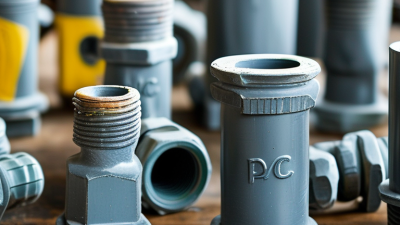
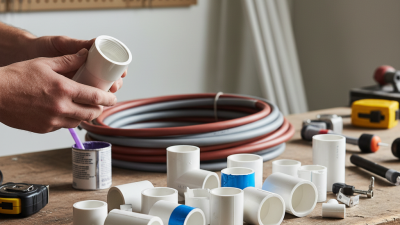
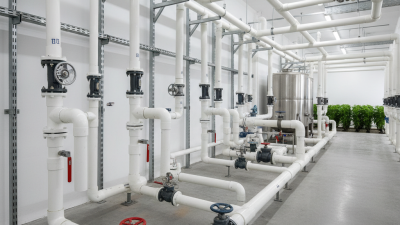
Global buyers rarely need the cheapest pvc fittings. They need the right connection for pressure, temperature, fluid, and installation conditions. This distinction matters across water supply, drainage, irrigation, and industrial systems. An elbow may save space, while a union can simplify maintenance beside a pump. A reducer can correct pipe-size changes, but poor sizing may create turbulence and leakage.
Industry data supports this wider view. Grand View Research reported strong global growth in the PVC pipes market, driven by water infrastructure, construction, and replacement demand. Mordor Intelligence also identifies infrastructure investment and urban development as major forces shaping the plastic-piping sector. These reports focus mainly on pipes, not every fitting category. That limitation deserves attention. Fittings often determine whether a complete system performs reliably.
According to plastic-piping specialist David Willoughby, “The performance of a piping system is only as good as its installation.” His point is practical. A high-quality fitting can still fail after incorrect solvent cementing, misalignment, or excessive tightening. Buyers should compare ASTM, ISO, EN, or equivalent specifications, depending on the destination market. They should also check pressure ratings, dimensions, chemical resistance, certification, traceability, and packaging quality.
This guide examines common pvc fittings types, including elbows, tees, couplings, unions, adapters, reducers, and valves. It also considers when each option fits real purchasing conditions. The best choice is not universal. It depends on the project. A fitting that works well in a cool irrigation line may perform poorly in hot chemical service. Small details matter. Sometimes, the overlooked detail decides everything.
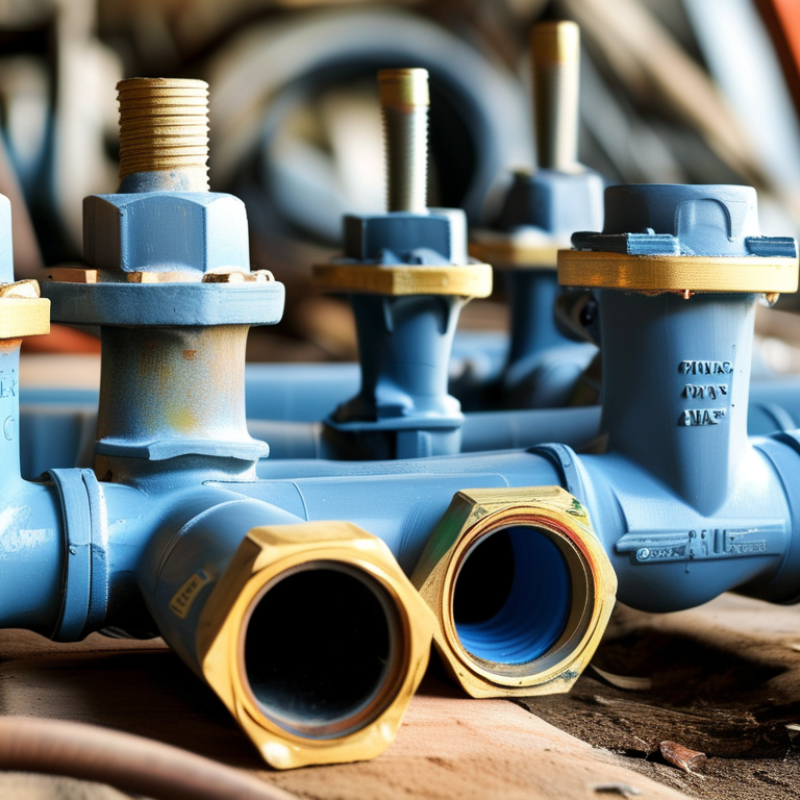
Top PVC Fittings Types Which Is Best for Global Buyers?
PVC fittings connect pipes in water, drainage, irrigation, and light industrial systems. Common types include elbows, tees, couplings, reducers, unions, and threaded adapters. PVC-U offers strong chemical resistance and low maintenance. CPVC handles higher temperatures, but it needs stricter application checks. According to Fortune Business Insights, the global PVC pipes market reached about USD 22 billion in 2023. This growth reflects continuing demand for affordable, corrosion-resistant systems. Yet market size does not prove that every fitting suits every project.
Selection starts with pressure, temperature, fluid, and connection method. Solvent-weld fittings create compact joints, while threaded fittings support easier maintenance. Check dimensional standards, wall thickness, pressure ratings, and testing documents before purchasing. ASTM and ISO references can improve consistency across international supply chains. In field inspections, poor alignment often causes more trouble than the fitting material itself. A small angle error can stress the joint. Still, published forecasts are not field truth. Local water quality, installation skill, and storage conditions can change performance. The wrong choice may look acceptable at first.
Tips: Match the fitting schedule with the pipe schedule. Confirm nominal size, not only outside diameter. Request test certificates and installation instructions. Protect fittings from direct sunlight and sharp impacts during storage. For potable-water use, verify local approval requirements. Do not select CPVC only because it sounds stronger. Cost comparisons also need labor, leakage risk, and replacement time. A cheaper fitting can become expensive.
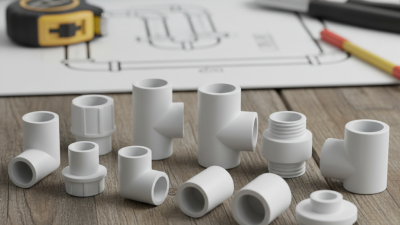
PVC fittings support clean, lightweight, and corrosion-resistant piping systems. Common types include elbows, tees, couplings, reducers, unions, adapters, and end caps. Each shape solves a different routing or maintenance problem.
Elbows change flow direction, often at 45 or 90 degrees. Tees divide one line or connect a branch. Couplings join two pipes with the same diameter, while reducers connect different sizes. Unions allow easier removal during maintenance. Small detail, big consequence. A poorly chosen reducer may create turbulence, pressure loss, or difficult installation.
Connection methods depend on pressure, temperature, pipe size, and service conditions. Solvent cement creates a permanent socket joint when surfaces are clean, dry, and correctly prepared. Threaded connections suit removable transitions, but excessive tightening can damage plastic threads. Gasketed push-fit joints work well for larger drainage lines and allow limited movement. Flanged connections support equipment, valves, and sections needing regular access.
In practical sourcing work, I compare fitting geometry with the actual installation environment, not only the catalog image. A compact elbow may save space but increase flow resistance. A union may cost more yet reduce future labor. Measurements deserve careful checking. Metric and imperial dimensions can look deceptively similar. There is no universal best fitting; the reliable choice matches the pipe standard, connection method, pressure rating, and installer’s experience. I would also verify sealing materials, inspection records, and packaging before shipment. Specification alone is not enough.
Global buyers often compare PVC fittings by price, but pressure, flow, and service life matter more. A fitting may look strong and still fail under heat, surges, or poor installation. Check the pressure rating at the actual operating temperature, not only at room temperature. Elbows, tees, reducers, and unions can have different pressure limits.
Flow depends heavily on the internal diameter and fitting shape. A sharp 90-degree elbow creates more resistance than a long-radius elbow. Smaller passages also increase velocity and friction loss.
Compare equivalent pipe length, not just the outside size. A useful check combines flow rate, pipe diameter, and expected pressure drop. Keep it simple.
Durability includes chemical exposure, sunlight, temperature changes, and joint quality. For outdoor systems, UV protection deserves attention. For buried lines, soil movement and installation depth also matter. During inspections, I have seen sound fittings fail because solvent cement was applied unevenly. This detail is easy to overlook. Ask for pressure-test records, material specifications, batch traceability, and applicable standards. Test methods can differ between markets, so identical-looking certificates may not prove identical performance. I would also question unusually low prices; sometimes the missing detail is the real cost.
PVC fittings serve different purposes across water, irrigation, drainage, and industrial systems. Elbows redirect flow in tight spaces, while tees divide supply lines. Couplings connect straight pipe sections. Adapters bridge different connection standards. The right type depends on pressure, temperature, fluid quality, and installation space.
For drinking water systems, use fittings with documented material safety and consistent internal surfaces. Irrigation projects often need lightweight elbows, tees, and threaded adapters for quick field adjustments. Drainage networks usually prioritize smooth flow and reliable seals over high pressure resistance. Chemical handling requires careful compatibility checks, because PVC performance changes with fluid concentration and temperature. It is not universal.
Global buyers should verify outside diameter, wall thickness, pressure ratings, and thread dimensions before ordering. Standards can differ between regions, even when fittings look identical. A fitting that matches one pipe may leak on another. Solvent-welded joints need clean, dry surfaces and correct curing time. Flanged connections offer easier maintenance in larger industrial lines. Outdoor installations may also need protection from prolonged sunlight and temperature movement.
A practical inspection should check cracks, warping, sharp edges, and clear markings. Packaging matters during long-distance shipping. Damaged sockets can create failures that appear months later. Lower price is tempting, but inconsistent dimensions increase labor and replacement costs. The best choice is not always the strongest fitting; it is the one matched to the application, local standards, and actual installation conditions.
For global buyers, PVC fitting selection starts with service conditions, not a catalog photo. Ask for the intended standard, pressure class, size system, and application temperature. A fitting made to one dimensional standard may not seal correctly with another. Request current certificates, test reports, and material declarations from the supplier. Verify that documents identify the actual production batch. Paperwork alone is not proof.
Check compatibility at three points: pipe dimensions, joining method, and conveyed fluid. Solvent-cement sockets need matching outside diameters and suitable joining procedures. Threaded fittings require attention to thread form, taper, and sealing materials. For corrosive liquids, confirm chemical resistance at the real concentration and temperature. Do not rely on a generic “PVC compatible” statement. Small differences matter. During incoming inspection, measure socket depth, wall thickness, roundness, and visible defects. Look for cracks, sink marks, contamination, or sharp molding flashes. Include samples from different cartons and batches.
Supply risk often appears after the purchase order. Confirm production capacity, tooling ownership, minimum order quantity, packaging strength, and realistic lead time. Ask how the supplier handles resin shortages, rejected batches, and port delays. Keep approved samples and written specifications for comparison. I have seen projects delayed by one missing gasket, not a major fitting. That is an uncomfortable lesson. Include spare quantities for critical sizes, while avoiding excessive stock exposed to heat or sunlight. Record inspection results before releasing the shipment.

Cepex is the brand for the fluid handling market belonging to the Fluidra group. One of the leading european manufacturer of valves and fittings in thermoplastic materials.
Dedicated to the swimming pool, irrigation and industrial markets, we distribute our products worldwide with the Fluidra commercial network and presence in 46 countries with 136 sales branches.