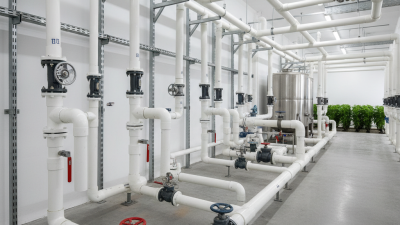
When it comes to plumbing solutions, choosing the right materials is crucial. PVC pressure fittings are a common choice due to their durability and cost-effectiveness. According to a report from the Plastics Industry Association, PVC has become a leading material in various industries, including construction and plumbing. This is due to its ability to withstand high pressure and resist corrosion.
Yet, not all PVC pressure fittings are created equal. The market is flooded with options, making it challenging to select the best product. A poor choice can lead to costly repairs and system failures. Research indicates that nearly 40% of plumbing failures stem from inferior fittings. Consumers must consider factors such as pressure rating, compatibility, and longevity.
Making an informed decision requires careful evaluation. Look for reputable manufacturers with proven track records. Consider professional reviews and industry ratings. A thoughtful approach can help you avoid common pitfalls and ensure your plumbing system functions efficiently. Choosing the right PVC pressure fittings can save time and resources in the long run.
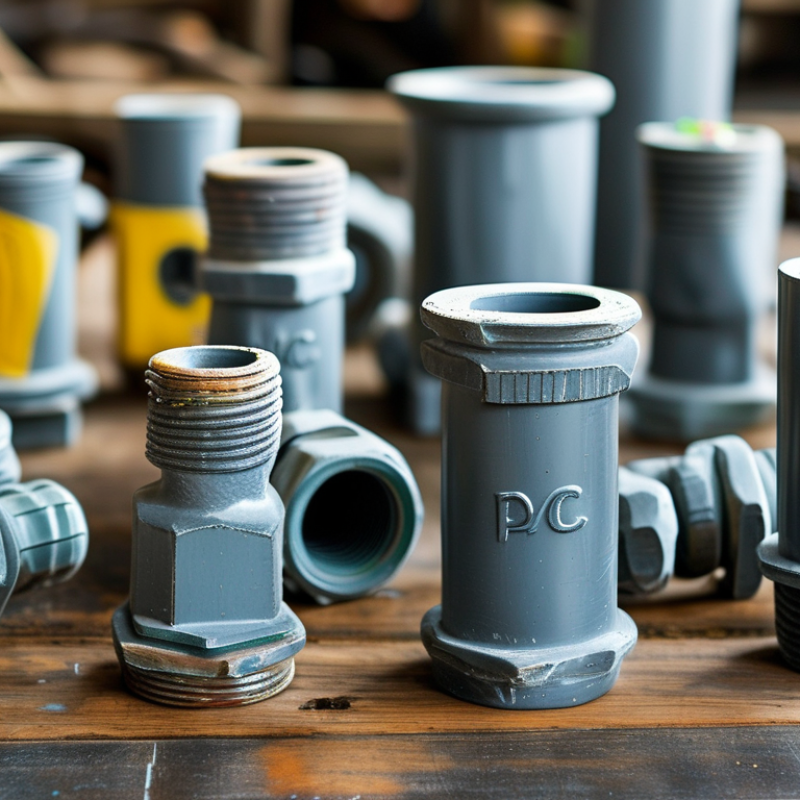
PVC pressure fittings play a crucial role in various applications, from plumbing to irrigation systems. Understanding their structure and purpose is essential for making informed choices. These fittings are designed to tolerate high-pressure levels, making them suitable for water transport. The materials used ensure long-lasting performance in both residential and industrial settings.
When selecting PVC pressure fittings, it is vital to consider the intended application. For instance, low-temperature environments may pose challenges. Not all fittings work equally well in every situation. Pay attention to the pressure rating of the fitting. This will determine its suitability for your specific needs. A mismatch can lead to unexpected failures.
Another aspect to reflect on is the compatibility with other pipes. Using fittings that do not match can result in leaks. Conducting thorough research before purchasing can alleviate some of these risks. Consulting professionals in the field also enhances decision-making. Their insights may illuminate issues you hadn't considered. Knowledge about the quality difference in materials could save you from future headaches.
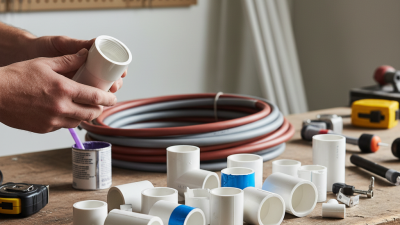
When choosing PVC pressure fittings, understanding quality standards is crucial. According to industry reports, only 30% of PVC fittings on the market meet optimal performance standards. Many products fail due to insufficient quality control during manufacturing. Evaluating the materials used in PVC fittings is essential. High-quality products utilize a blend of virgin PVC, ensuring strength and durability.
Another critical factor is compliance with industry standards. The American National Standards Institute (ANSI) sets rigorous guidelines that fittings must meet. A fitting that complies with ANSI exhibits superior pressure handling capabilities. A study revealed that fittings built under these regulations can last up to 25 years, vastly outlasting inferior options.
Inspection and certifications are also important. Reputable manufacturers provide documentation verifying compliance with ASTM D2466, which tests for dimensional accuracy and pressure resistance. Surprisingly, around 15% of fittings lack such certifications. This gap signifies a potential risk in relying on these products. When uncertain, always ask for certifications and safety testing results. This diligence ensures long-term reliability and performance in your plumbing systems.
When sizing PVC pressure fittings, several key factors must be taken into account. The internal diameter of the pipe significantly impacts flow rate. According to industry data, a larger diameter can improve system efficiency by reducing friction loss. Conversely, undersized fittings may lead to pressure drops that compromise system performance. It’s essential to balance pipe diameter with the intended application.
Pressure ratings are another critical aspect in choosing fittings. PVC pressure fittings are rated based on their ability to withstand certain pressures. Fittings must match or exceed the pressure of the system to ensure reliability. Industry guidelines recommend consulting specifics like the ASTM D2564 standard to understand the performance characteristics of materials used. Failure to consider these metrics can result in catastrophic system failures.
Moreover, the environment plays a crucial role. Factors such as temperature fluctuations and exposure to chemicals can degrade PVC over time. Reports indicate that PVC fittings can lose up to 30% of their strength in certain conditions. This necessitates careful selection to ensure longevity and durability. Always consider the operational environment and consult material compatibility charts to avoid unexpected failures.
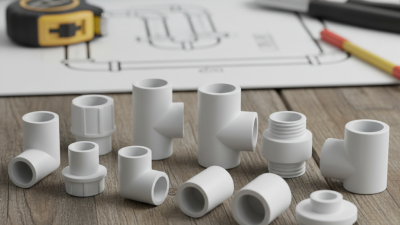
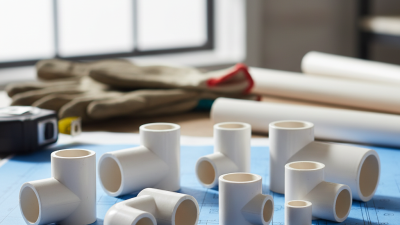
When exploring the variety of PVC pressure fittings available, it's essential to understand their types and applications. PVC pressure fittings are often categorized into several types: tees, elbows, couplings, and reducers. Each type has a unique purpose. For instance, tees are suitable for branching a pipeline, while elbows assist in redirecting flow. Their versatility makes them a common choice in plumbing and irrigation systems.
According to industry reports, PVC pressure fittings can handle high pressure up to 280 PSI. This makes them suitable for residential and industrial applications. The National Sanitation Foundation (NSF) states that these fittings meet stringent safety and reliability standards. Yet, not all fittings are created equal. Variations in thickness and design can impact performance. Users should be cautious when assessing the quality of PVC pressure fittings. Sometimes, a lower-cost option might not provide the durability needed for high-pressure systems.
When selecting PVC pressure fittings, consider the environment in which they will be installed. Factors like temperature and chemical exposure can affect their longevity. While PVC is resistant to corrosion, it can become brittle in extreme conditions. Always ensure that the fittings complement the specific requirements of your system. Taking the time to research and evaluate available options can lead to better investment decisions.
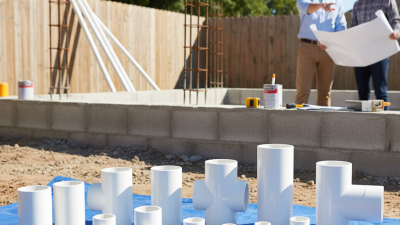
When installing PVC pressure fittings, proper techniques are essential for long-term durability. One significant aspect is ensuring correct joint alignment. Misalignment can lead to leaks, which studies show can decrease system efficiency by up to 30%. Use a measured approach for trimming pipe ends, making sure they are cut straight to ensure a tight fit.
Choosing the right solvent cement is also crucial. Industry reports identify that using the appropriate adhesive can enhance the strength of connections significantly. For best results, prepare surfaces properly. Clean and dry them to remove contaminants. A survey among professionals revealed that nearly 25% of failures are due to inadequate surface preparation.
Monitoring pressure levels regularly helps maintain system integrity. PVC pressure systems can handle considerable amounts of pressure; however, consistent overpressure can lead to failures. Regular inspections can help identify weak points before they fail. It's vital to be proactive rather than reactive in maintenance, as unexpected failures can lead to substantial repair costs and downtime.

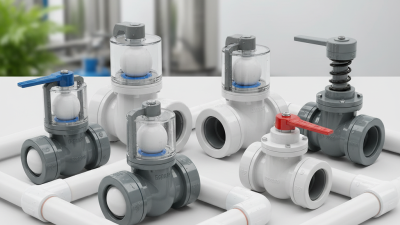
Cepex is the brand for the fluid handling market belonging to the Fluidra group. One of the leading european manufacturer of valves and fittings in thermoplastic materials.
Dedicated to the swimming pool, irrigation and industrial markets, we distribute our products worldwide with the Fluidra commercial network and presence in 46 countries with 136 sales branches.