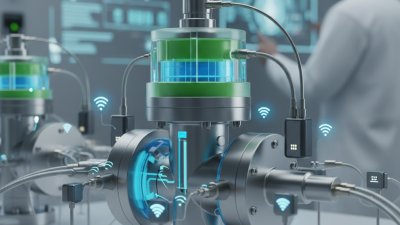
Valves are crucial components in various industrial systems. They regulate fluid flow, pressure, and direction. Therefore, valves manufacturers play a vital role in ensuring efficiency and safety. These manufacturers design and produce a wide range of valves. Their products serve industries like oil and gas, water supply, and manufacturing.
The precision of valves impacts operational reliability. A small defect can lead to significant issues. Some manufacturers focus on high-quality materials to avoid such problems. Others emphasize cost-effectiveness, which may compromise durability. Choosing the right manufacturer is critical for long-term performance. Additionally, understanding the specifications and functions of valves can prevent future challenges.
The relationship between valves manufacturers and their customers is essential. Open communication can drive innovation and improvements. However, misunderstandings can lead to unsatisfactory outcomes. As industries evolve, so must the capabilities of these manufacturers. Reflecting on past experiences can provide valuable lessons for future collaborations.
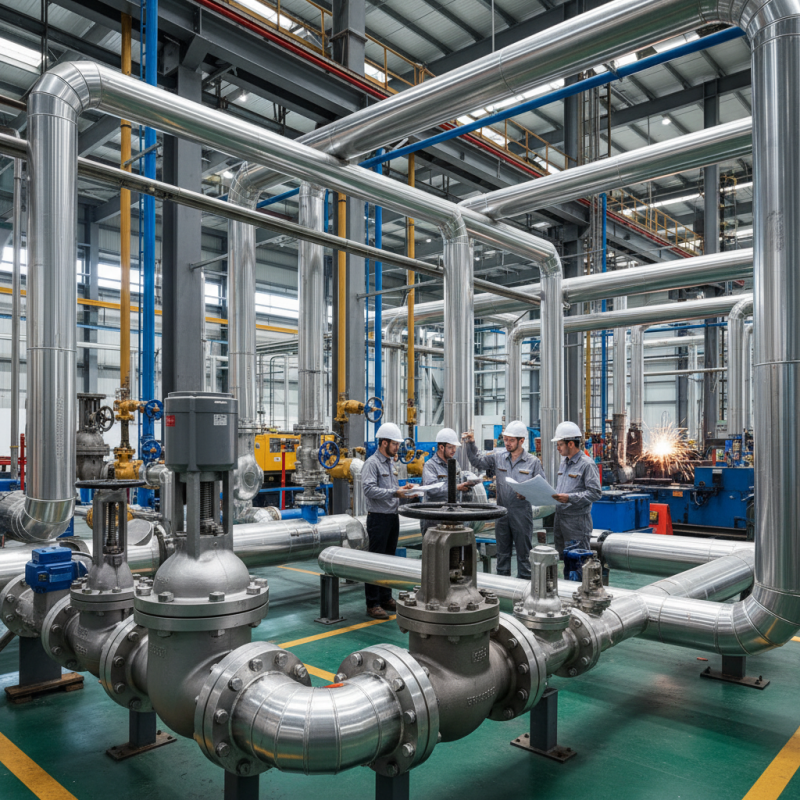
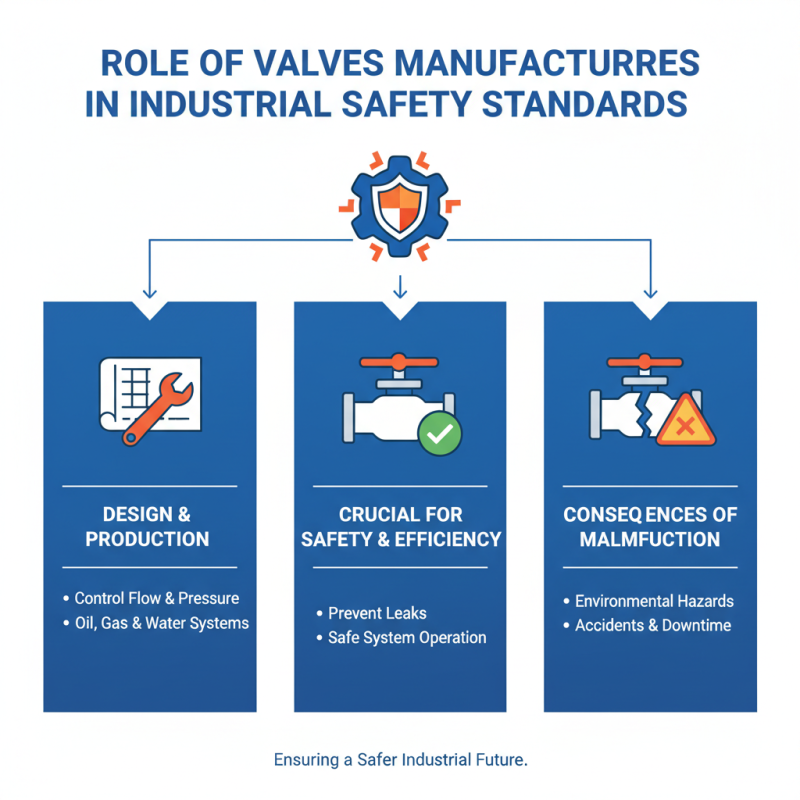
Valves manufacturers play a crucial role in industrial applications. They design and produce valves that control flow and pressure in various systems. This includes oil, gas, and water management industries. Properly functioning valves ensure that systems operate safely and efficiently. When valves malfunction, the consequences can be dire. Leaks may occur, leading to environmental hazards or accidents.
Manufacturers must adhere to strict safety standards. Compliance with these regulations helps prevent failures. Regular testing and quality checks are essential. Many manufacturers also provide training for their staff. This education focuses on safety protocols and equipment handling. It's important for them to continuously improve their processes. Mistakes can happen, and there is always room for better practices.
Investing in high-quality materials is vital. However, some manufacturers might cut corners. They may use cheaper materials that do not meet safety standards. This leads to risks in operations, endangering lives and property. A commitment to excellence is necessary. After all, the safety of countless workers depends on the reliability of these critical components.

Valves play a crucial role in industrial processes. They control the flow of fluids, ensuring that operations run smoothly. A well-functioning valve can significantly impact process efficiency.
When valves are optimized, industries save energy and reduce waste.
Consider a manufacturing plant. If valves malfunction, production slows down. Downtime costs money. Workers might need to troubleshoot, wasting time and resources. Efficient valves help maintain workflow, leading to better overall productivity.
Energy savings are significant. Effective valve usage often leads to less pressure drop. This means less energy is required to keep pipelines functioning. However, many facilities overlook regular maintenance. Neglecting this can result in inefficiencies and higher costs. Investing in quality valves and routine checks is essential for long-term viability.
Valves play a critical role in industrial applications. They help control fluid flow in pipelines, systems, and machinery. Typically, valves regulate pressure and flow rate. They come in various types, such as gate, globe, ball, and butterfly valves. Each valve type is chosen based on the application and the specific requirements of the industry.
According to the Global Valve Market report, the industry is expected to grow at a CAGR of over 5% through 2027. This growth is driven by increased demand in sectors like oil and gas, water treatment, and chemical processing. Gate valves are preferred for on/off control. They have minimal flow resistance. On the other hand, globe valves are used for throttling. They offer precise control but can cause pressure drops.
Challenges exist. Some manufacturers struggle with design and durability. Proper material selection is essential to avoid corrosion and wear. A 2022 Industry Survey found that 30% of valve failures are due to poor maintenance. Regular inspections are crucial to enhance reliability and efficiency. Operators must prioritize training and awareness to mitigate risks. Understanding each valve type’s unique features is vital for optimal performance.
In recent years, the valve manufacturing industry has experienced notable growth.
According to a report by Global Market Insights, the global valve market is projected to reach over
$100 billion by 2026. This growth is driven by increasing industrial activities
and the demand for efficient fluid and gas control systems. Key sectors include oil and gas, water treatment,
and power generation.
However, challenges remain for valve manufacturers. Supply chain disruptions have affected the availability of raw
materials, leading to fluctuations in prices. Additionally, manufacturers must adapt to stricter
environmental regulations. This requires innovation in product design and production processes. The push for
sustainability is reshaping industry standards, urging companies to develop eco-friendly valves.
Emerging technologies also present opportunities. Developments in automation and IoT are influencing valve manufacturing.
Smart valves equipped with sensors can provide real-time data, enhancing system
efficiency. Nevertheless, adapting to these technologies requires significant investment and training, leaving some
manufacturers struggling to keep pace. As the market evolves, the ability to innovate while addressing these challenges
defines the future of valve manufacturers.
Valves manufacturers play a crucial role in various industrial applications. They utilize specific materials and advanced technologies in their production processes. Common materials include stainless steel, brass, and polymers. These materials offer durability and resistance to corrosion, essential for harsh environments. Manufacturers must carefully select materials to ensure reliability and efficiency.
In recent years, innovative technologies have emerged in valve production. Computer-aided design (CAD) allows for precision and customization. Automation in manufacturing processes increases efficiency. However, reliance on machines can sometimes lead to quality control issues. Human supervision remains vital to catch errors early. Manufacturers also face challenges in balancing sustainability with performance.
The choice of materials impacts not only the performance but also the environmental footprint. Biodegradable materials are gaining attention, though they are still in development. As industries evolve, valves manufacturers must adapt. New demands for energy efficiency and reduced emissions push engineers to rethink traditional designs. The quest for better materials and technologies is ongoing and often riddled with trial and error.
This bar chart illustrates the distribution of key materials utilized by valves manufacturers in various industrial applications. The materials highlighted include Stainless Steel, Carbon Steel, Brass, Plastic, and Bronze, showcasing their significance in valve production.

Cepex is the brand for the fluid handling market belonging to the Fluidra group. One of the leading european manufacturer of valves and fittings in thermoplastic materials.
Dedicated to the swimming pool, irrigation and industrial markets, we distribute our products worldwide with the Fluidra commercial network and presence in 46 countries with 136 sales branches.