Buying ball valves across borders requires more than comparing prices on a supplier website. Performance depends on pressure ratings, fluid compatibility, temperature limits, and installation conditions. A valve that works well in a clean-water system may fail quickly with corrosive chemicals or abrasive media. Small details matter.
This guide presents seven practical tips for global purchasing. It focuses on verifying specifications, selecting suitable materials, checking certifications, and evaluating supplier reliability. Experienced procurement teams usually request full datasheets, material certificates, pressure-test records, and sample units before placing large orders. They also confirm thread standards, flange dimensions, actuator requirements, and packaging quality.
Ask clear questions.
A polished catalog does not prove production capability. Factory audits, video inspections, and independent testing can reveal differences between stated and actual quality. Traceability is equally important, especially when projects require consistent replacement parts years later. Buyers should review delivery terms, warranty coverage, export documents, and destination-market requirements before payment.
Mistakes still happen. Even experienced buyers sometimes overlook gasket materials or misunderstand regional standards. That is why a written specification should guide every quotation and inspection. Reliable suppliers welcome technical questions and provide evidence instead of vague assurances. Careful comparison may take longer, but it reduces leakage risks, installation delays, and unexpected maintenance costs. These habits help international buyers purchase ball valves with greater confidence, clearer accountability, and more predictable project results.
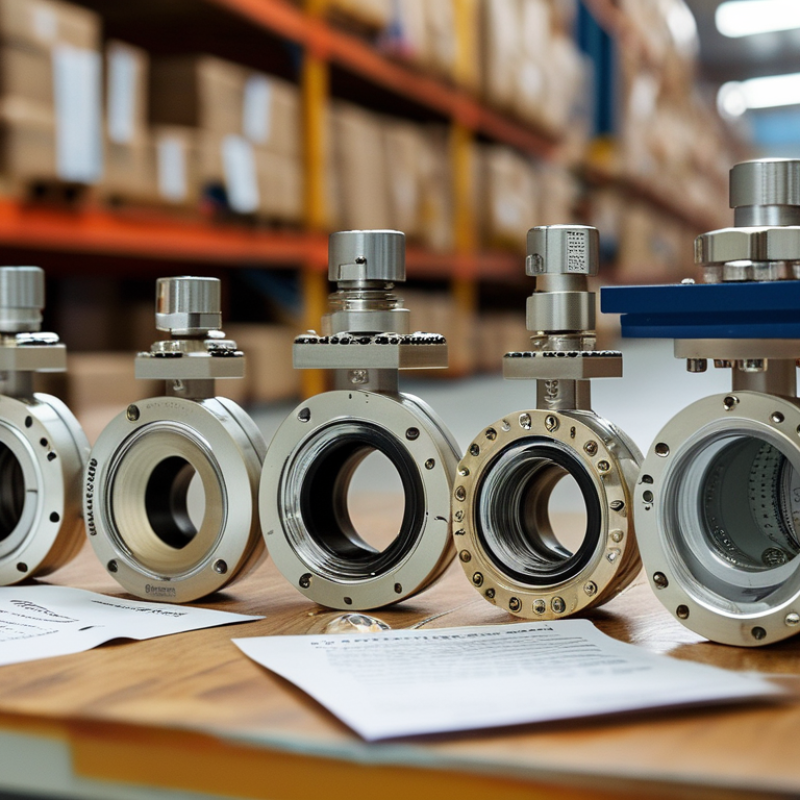
Global industrial valve demand continues to expand. Grand View Research valued the industrial valves market at about USD 77.6 billion in 2023. That growth makes specification accuracy more important, not less. Before requesting quotations, define valve size by both DN or NPS and actual connection dimensions. A DN50 valve may not match every 2-inch piping system. Check face-to-face length, pressure class, temperature range, and the working medium.
Port design also affects flow and operating cost. Full-port valves usually reduce pressure loss in pipelines. Reduced-port valves can lower purchase weight and cost. The choice is not automatically obvious. Confirm flow coefficient, allowable pressure drop, and whether cleaning tools must pass through the line. A technical report from MarketsandMarkets projects steady growth in industrial valve demand through 2028, driven partly by water, energy, and process industries. Buyers should still verify each forecast against their application.
Ball valves normally require a 90-degree, or 1/4-turn, operation. Specify manual handle force, operating torque, cycle frequency, and actuator compatibility. The actuator must overcome breakaway torque, not only running torque. Include safety factors, but avoid excessive sizing. It can create unnecessary cost and mechanical stress. Standards such as ISO 5211 help define actuator mounting interfaces, while API 608 and relevant piping standards support inspection and design decisions. I have seen orders fail because “two-inch, quarter-turn” was treated as a complete specification. It is not.
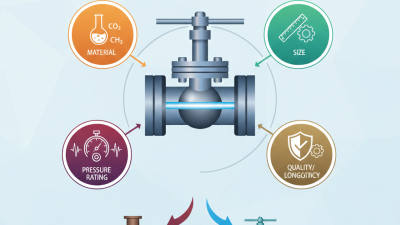
Pressure class is not a simple pressure label. Under ASME B16.34, ratings change with material group and temperature. A Class 600 valve may not handle 600 psi at elevated temperatures. Always compare the pressure-temperature table with your actual design conditions. Include startup, shutdown, and surge pressure. These details are often missed.
Specify body material, trim, seat material, and end connection. Then verify the fluid, temperature range, and corrosion risks. ASME B16.34 also addresses wall thickness, testing, and design requirements. For pipeline service, applicable project standards may add stricter requirements. According to Mordor Intelligence’s 2024 Industrial Valves Market report, industrial valve demand continues expanding globally, increasing the need for consistent technical documentation. Bigger supply does not mean better selection.
A practical purchasing sheet should show design pressure, operating pressure, maximum temperature, and required class. Check units carefully. Bar and psi errors still happen. I have seen technically correct valves fail during review because the temperature rating was overlooked. That mistake is embarrassing, but preventable. Confirm whether the supplier uses ASME tables directly or applies an internal reduction factor. Then obtain written approval from the project engineer before ordering.
7 Tips for Buying Ball Valves Globally?
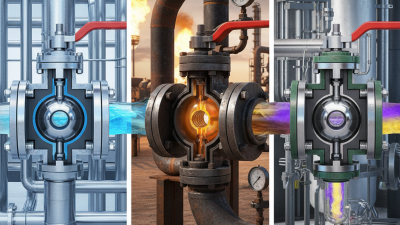
When buying ball valves globally, material selection deserves more attention than unit price. Media compatibility covers the body, ball, stem, seats, and seals. Water is not always gentle. Chlorides, dissolved oxygen, temperature, pressure, and flow velocity can accelerate localized corrosion. NACE International’s IMPACT study estimated global corrosion costs at about $2.5 trillion annually, equal to 3.4% of global GDP. It also indicated that 15–35% of corrosion costs could be reduced through effective management.
Match each wetted component to the actual fluid composition. Carbon steel may suit dry hydrocarbons, but acidic moisture can cause rapid internal attack. Stainless steel can still suffer pitting in warm chloride service. Duplex stainless steel often provides stronger chloride resistance, while nickel-based alloys may suit severe chemical exposure. Seat and seal materials require equal attention. PTFE handles many chemicals, but temperature and permeation limits matter. PEEK may perform better under heat and pressure. Do not trust a generic compatibility chart.
Request material test reports, chemical composition data, pressure-temperature ratings, and documented test conditions. Confirm whether the supplier evaluated concentration peaks, cleaning chemicals, and startup temperatures. Standards such as ISO 21457 can support material selection for petroleum and natural gas environments. However, standards do not replace engineering judgment. A supplier’s “corrosion-resistant” label may remain too vague. Recheck the selection with the process engineer, especially when the fluid changes seasonally or contains suspended solids.
Indicative material compatibility ratings for common process media. A higher score represents generally better resistance under typical industrial conditions; always verify the exact concentration, temperature, pressure, and valve design before purchasing.
Buying guidance: match the valve body and wetted trim to the medium, check chloride and acid concentration, confirm temperature limits, and request test certificates and material specifications from the supplier.
Verify API 6D certification before comparing prices or delivery dates. API 6D confirms design, manufacturing, inspection, and testing requirements for pipeline valves. Check the certificate number, product model, pressure class, and certification scope. A certificate alone can mislead. The listed valve must match the supplied valve.
Review ISO 5211 mounting dimensions when selecting an actuator. The interface pattern controls mechanical compatibility, not operating performance. Confirm flange size, drive dimensions, torque requirements, and valve stem details. Ask for dimensional drawings before placing an order. Small mismatches can delay installation.
Fire-safe compliance deserves separate attention. Look for documented testing under the applicable fire-test standard, such as API 607 or API 6FA. Confirm the tested construction matches the purchased design, including seats, stem seals, body materials, and pressure rating. Request test reports, inspection records, and material traceability.
Do not accept vague wording like “fire resistant.” It is not precise enough. Suppliers should explain test conditions, leakage limits, and certificate validity. An independent inspection can strengthen confidence, especially for unfamiliar factories.
However, inspection cannot replace a valid certification review. This is where buyers sometimes cut corners. It often creates expensive problems later.
7 Tips for Buying Ball Valves Globally
Compare 7 Global Sourcing Factors: Cost, Lead Time, Testing, and Warranty
Global ball valve purchasing requires more than comparing unit prices. Cost should include machining, packaging, freight, duties, inspection, and possible replacement expenses. A low quotation can look attractive. I have seen that mistake become expensive. Request a complete landed-cost sheet before approval. Then compare payment terms and minimum order quantities.
Lead time matters when valves support maintenance shutdowns or new equipment installation. Ask for production capacity, material availability, and a realistic shipping date. Testing is equally important. Confirm pressure testing, seat leakage testing, material certificates, and inspection records. Specify the applicable technical standard and test pressure in writing. “Tested” is too vague. Review sample reports, not promises. Independent inspection can reveal inconsistent castings, damaged threads, or incorrect dimensions before shipment.
Warranty terms should define coverage, response time, evidence requirements, and replacement procedures. A long warranty may mean little without practical support. Evaluate supplier experience with similar valve sizes, pressure ratings, and service conditions. Check quality controls, traceability, and document accuracy. Logistics capability is another comparison point, especially for heavy cartons or urgent spare parts. Communication also deserves a score: clear drawings and fast answers reduce costly misunderstandings. I sometimes prioritize price too heavily. That habit needs correction. A slightly higher purchase cost can protect production, safety, and delivery reliability. Keep every promise measurable.

Cepex is the brand for the fluid handling market belonging to the Fluidra group. One of the leading european manufacturer of valves and fittings in thermoplastic materials.
Dedicated to the swimming pool, irrigation and industrial markets, we distribute our products worldwide with the Fluidra commercial network and presence in 46 countries with 136 sales branches.