2026 Top Types of Valves and Fittings for Global Buyers
FLUID HANDLING EXPERTS

Blog, all our news

2026 Top Types of Valves and Fittings for Global Buyers

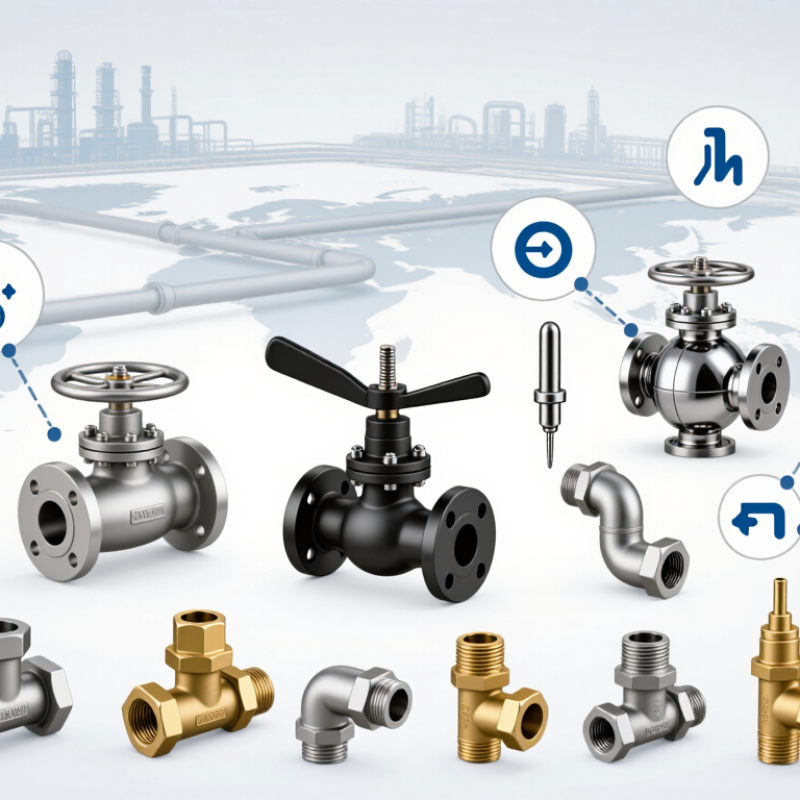
Choosing the right valves and fittings in 2026 requires more than comparing prices and catalog photographs. Flow control, pressure ratings, temperature, media compatibility, and maintenance access all shape a safe specification. A compact brass ball valve may suit clean water, while corrosive service demands different materials and testing. Small details matter. This guide introduces the top types used by industrial, commercial, and infrastructure buyers worldwide.

Experience from procurement projects shows that a familiar product is not always the best product. Ball, gate, globe, butterfly, check, needle, and control valves each solve distinct operating problems. Fittings also vary widely, including elbows, tees, reducers, couplings, unions, flanges, and threaded adapters. Connection standards, dimensions, sealing methods, and certification documents must match the complete piping system. One mismatch can delay installation. That risk is easy to underestimate. The cheapest quote may become expensive after leaks, rework, or unavailable replacement parts.

Reliable global sourcing depends on verified manufacturers, traceable materials, realistic lead times, and clear inspection requirements. Buyers should request pressure-test records, material certificates, dimensional drawings, and quality documentation. Applicable standards, such as ASME, API, EN, or ISO requirements, should be checked against the project location and service conditions. Regional practices can differ. Professional engineering review remains essential. No guide can remove every uncertainty, and some specifications stay incomplete until site conditions are confirmed. This overview compares practical applications, advantages, limitations, and buying considerations for major categories, helping global buyers make more informed decisions.

2026 Top Types of Valves and Fittings for Global Buyers

Valve and Fitting Fundamentals for Global Buyers

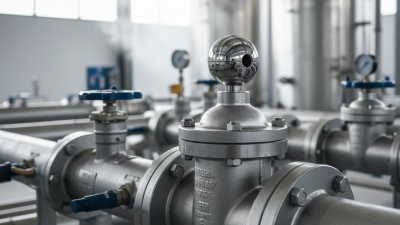
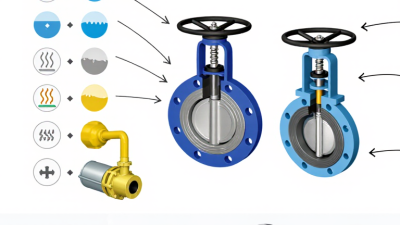
Valves and fittings form the working language of a fluid system. Valves start, stop, regulate, or prevent reverse flow. Fittings connect pipes and guide their direction. A ball valve suits quick shutoff, while a globe valve offers finer control. Gate valves work well in fully open or closed service. Butterfly valves can reduce weight and installation space.

Selection begins with the medium. Water, steam, chemicals, and compressed air create different demands. Confirm pressure, temperature, flow rate, and pipe size before comparing prices. Check the body, seal, and trim materials carefully. A stainless body does not guarantee compatible internal parts. That detail is easy to miss.

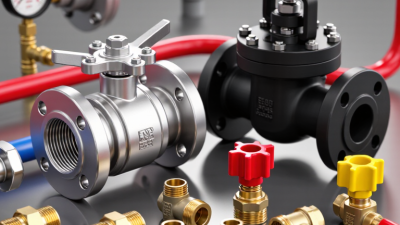
Fittings include elbows, tees, reducers, unions, and flanges. Threaded connections support practical maintenance on smaller lines. Welded or flanged joints often suit larger, higher-pressure systems. Threads, dimensions, pressure classes, and sealing methods must match across suppliers. Ask for material certificates, pressure-test records, dimensional drawings, and traceable inspection documents. These records support dependable purchasing and later maintenance. A tidy specification can still hide a weak assumption. I have seen buyers choose by nominal size alone, then discover incompatible wall thicknesses or seal materials. That mistake is avoidable, but not always obvious. Verify the actual operating conditions with an engineer before approval.

2026 Top Types of Valves and Fittings for Global Buyers

Valve and Fitting Fundamentals for Global Buyers

The chart compares representative nominal pressure ratings commonly specified for industrial valve procurement under international PN-class systems. Ball and globe valves are often selected for higher-pressure control or isolation duties, while butterfly and check valves are frequently used in lower-to-medium pressure pipelines. Actual ratings depend on body material, end connection, temperature, size, sealing design, and the applicable standard.

Major Valve Types and Their Industrial Applications

2026 Top Types of Valves and Fittings for Global Buyers

Industrial valve selection depends on flow, pressure, temperature, and maintenance access. Gate valves suit pipelines needing full, unrestricted flow. Globe valves offer precise throttling in steam and process lines. Ball valves provide fast shutoff, especially around compressed air and liquid systems. Butterfly valves save space on large-diameter water, HVAC, and wastewater lines.

Check valves prevent reverse flow near pumps and compressors. Control valves adjust flow continuously through automated process systems. Safety valves release excess pressure from boilers, vessels, and compressed-gas equipment.

Common fittings include elbows, tees, reducers, unions, and flanges. Their material and pressure rating must match the connected valve and pipe. A small mismatch can create leakage, vibration, or difficult repairs. It happens more often than specifications suggest.

Tips: Confirm media compatibility before ordering. Review pressure-temperature charts, not only nominal size. Leave enough clearance for actuator removal and inspection. Ask for test records, material certificates, and dimensional drawings. Field conditions can differ from design assumptions. That deserves a second check.

Essential Fitting Categories and Connection Methods

Global buyers need more than a valve list. Fitting selection often decides whether a system survives pressure, vibration, and maintenance. Common categories include elbows, tees, reducers, couplings, unions, and flanges. Each changes flow direction, diameter, or service access. Ball valves suit quick isolation, while gate valves support full-flow shutoff. Globe valves offer finer control, and check valves limit reverse flow. Butterfly valves can reduce weight in larger pipelines. Material matters too. Stainless steel resists many corrosive services, but compatibility must be verified.

Connection methods should match operating conditions and installation skills. Threaded fittings work well on smaller lines and moderate pressure. Flanged joints simplify inspection and replacement. Butt welding creates a strong, compact connection for demanding pipework. Socket welding suits smaller diameters, though heat control remains important. Grooved couplings can speed installation and absorb limited movement. Compression fittings support clean assembly without welding. A catalog match can still fail when thread standards, wall thickness, or gasket materials differ. This detail is easy to underestimate.

Tips: Confirm pressure, temperature, fluid chemistry, pipe size, and connection standard before ordering. Check sealing surfaces under bright light. Ask for test records and material certificates when risk is high. Leave room for maintenance tools. I would also review the layout again; a technically correct fitting may still be awkward to reach.

Material, Pressure, Size, and Performance Selection Criteria

2026 Top Types of Valves and Fittings for Global Buyers

Material selection begins with the fluid, temperature, and installation environment. Stainless steel suits many corrosive services, while carbon steel often supports dry, moderate-temperature systems. Plastic fittings can reduce weight, but sunlight, heat, and impact may limit their service life. Do not select material from a catalog image alone. Check chemical compatibility, gasket behavior, and local water quality. Small details matter.

Pressure rating must match both operating and surge conditions. A line rated for normal pressure may still fail during pump starts or sudden closure. Confirm the pressure class at the actual operating temperature. Size valves for required flow, not simply for matching pipe diameter. An oversized valve may throttle poorly. An undersized fitting can create noise, vibration, and unnecessary energy loss. Measure twice.

Performance depends on more than pressure and size. Review flow coefficient, leakage limits, response time, torque, and maintenance access. For control service, stable modulation is usually more important than maximum capacity. For isolation service, sealing reliability and safe operation deserve greater attention. Ask for material certificates, pressure-test records, dimensional drawings, and traceability documents. Independent inspection can reveal inconsistencies before shipment. Even experienced buyers make assumptions. That is where problems begin. Check every interface, including threads, flanges, weld ends, and actuator connections, before approving the purchase.

2026 Top Types of Valves and Fittings for Global Buyers — Material, Pressure, Size, and Performance Selection Criteria
Product Type Primary Function Common Materials Typical Pressure Class or Rating Common Size Range Flow and Performance Characteristics Best-Fit Applications Key Selection Criteria
Ball Valve Fast isolation and on/off control Carbon steel, stainless steel, ductile iron, brass, engineered thermoplastics Class 150–600; PN10–PN40 are common DN8–DN600; NPS 1/4–24 Low pressure loss when fully open; quarter-turn operation; tight shutoff is available with suitable seat materials Water, air, gas, chemical service, general industrial isolation Media compatibility, seat temperature limit, fire-safe requirement, actuation speed, fugitive-emission requirements
Gate Valve Full-bore isolation with minimal obstruction Cast or forged carbon steel, stainless steel, ductile iron, bronze Class 150–1500; PN10–PN40 are common DN50–DN1200; NPS 2–48 Very low pressure loss when fully open; not recommended for continuous throttling; slower operation than quarter-turn valves Water distribution, pipelines, steam, oil and gas isolation Line size, bonnet design, stem arrangement, wedge type, buried-service accessories, operating torque
Globe Valve Throttling, regulation, and isolation Carbon steel, stainless steel, alloy steel, bronze Class 150–2500; PN16–PN100 are common DN15–DN400; NPS 1/2–16 Precise flow control; higher pressure loss than a gate or full-port ball valve; suitable for frequent adjustment Steam, cooling water, feedwater, process control, high-temperature service Required flow coefficient, pressure drop, cavitation risk, trim material, actuator and control accuracy
Butterfly Valve Compact isolation and moderate throttling Ductile iron, carbon steel, stainless steel, aluminum bronze, PVC, PP PN6–PN25; Class 150 is common for many designs DN25–DN4000; NPS 1–160 Lightweight and compact; low-to-moderate pressure loss; quarter-turn operation; resilient seats support tight shutoff Water and wastewater, HVAC, fire protection, bulk handling, low-pressure process lines Disc and seat compatibility, wafer or lug pattern, shutoff pressure, vacuum service, actuator torque
Check Valve Prevents reverse flow automatically Ductile iron, carbon steel, stainless steel, bronze, PVC, PP PN10–PN40; Class 150–600 are common DN15–DN1200; NPS 1/2–48 Self-actuating; swing designs suit moderate velocity, while lift, piston, dual-plate, and axial designs can reduce reverse-flow response time Pumps, compressors, water systems, boiler lines, pipeline protection Cracking pressure, flow velocity, water hammer risk, installation orientation, backpressure, closure speed
Plug Valve Isolation and diverting flow Carbon steel, stainless steel, ductile iron, alloy materials Class 150–600; PN10–PN40 are common DN25–DN900; NPS 1–36 Quarter-turn operation; straight-through designs can provide low pressure loss; lubricated and sleeved types serve different media Gas, petroleum products, wastewater, abrasive or slurry service with suitable lining Plug and sleeve material, lubrication requirements, solids content, shutoff class, operating torque
Safety or Relief Valve Protects equipment from overpressure Carbon steel, stainless steel, alloy steel, bronze Set pressure must remain within the protected equipment design limits DN15–DN300; NPS 1/2–12 Opens at a defined set pressure and reseats after pressure is reduced; capacity depends on certified flow data and relieving conditions Pressure vessels, boilers, compressors, pipelines, thermal expansion protection Required relieving capacity, set pressure, backpressure, fluid phase, temperature, discharge routing and local code
Control Valve Automatic regulation of flow, pressure, level, or temperature Carbon steel, stainless steel, alloy steel, lined materials Class 150–2500; PN16–PN420 depending on design DN15–DN1000; NPS 1/2–40 Modulating performance depends on trim, actuator, positioner, flow characteristic, pressure drop, and cavitation control Process plants, steam systems, water treatment, energy and chemical processing Required Cv or Kv, rangeability, noise, flashing, cavitation, fail position, signal protocol and actuator sizing
Strainer Removes solid particles from a flowing medium Cast iron, carbon steel, stainless steel, bronze, PVC PN10–PN40; Class 150 is common DN15–DN600; NPS 1/2–24 Creates a cleanable pressure drop; basket and temporary cone designs provide different dirt-holding capacities Pump suction, valve protection, cooling water, steam and process lines Mesh or perforation size, allowable pressure drop, drain arrangement, cleaning access, flow direction
Flanged Fitting Bolted connection for installation, maintenance, and equipment interfaces Carbon steel, stainless steel, ductile iron, alloy steel, PVC PN6–PN40; Class 150–600 are common DN15–DN2000; NPS 1/2–80 Provides detachable joints; sealing performance depends on facing, gasket, bolt load, alignment, and thermal conditions Pumps, vessels, valves, water mains, industrial piping systems Flange standard, pressure-temperature rating, facing type, bore, gasket compatibility, bolt material and corrosion allowance
Butt-Weld Fitting Permanent welded change of direction, diameter, or branch connection Carbon steel, stainless steel, duplex stainless steel, alloy steel Selected by pipe schedule, wall thickness, material grade, and design code DN15–DN1200; NPS 1/2–48 Continuous welded bore with low turbulence and strong mechanical integrity; requires qualified welding and inspection High-pressure, high-temperature, chemical, power and process piping Wall thickness, bend radius, weldability, heat treatment, non-destructive examination and corrosion allowance
Threaded Fitting Removable connection for small-bore piping Galvanized or black steel, stainless steel, brass, malleable iron, PVC Commonly up to Class 3000 for selected metallic fittings; verify standard and material DN6–DN100; NPS 1/8–4 Simple installation without welding; thread sealing and installation torque strongly affect leak performance Instrumentation, compressed air, low-to-moderate pressure water and utility services Thread standard, pressure-temperature rating, sealant compatibility, vibration, corrosion and maintenance access
Socket-Weld Fitting Permanent connection for small-diameter high-pressure piping Forged carbon steel, stainless steel, alloy steel Class 3000, 6000, and 9000 are common categories DN6–DN100; NPS 1/8–4 Compact, strong joint with no external threading; proper insertion gap and welding procedure are essential High-pressure instrumentation, steam, chemical and hydraulic systems Socket dimensions, material group, weld procedure, thermal cycling, corrosion allowance and inspection level
Grooved Fitting Fast mechanical joining and system flexibility Ductile iron, carbon steel, stainless steel, coated steel Commonly PN10–PN25; verify coupling-specific pressure limits DN25–DN600; NPS 1–24 Rapid assembly and controlled movement; gasket and coupling performance depend on pressure, temperature, and pipe preparation Fire protection, HVAC, water distribution, mining and industrial utility systems Groove dimensions, coupling type, gasket elastomer, seismic movement, corrosion protection and installation space
Expansion Joint Absorbs thermal movement, vibration, and limited misalignment Stainless steel bellows, elastomers, PTFE-lined materials, fabric-reinforced rubber Application-specific; pressure rating decreases as temperature and movement increase DN25–DN2400; NPS 1–96 Reduces transmitted loads but does not replace proper pipe supports or anchors; movement capacity is design-dependent HVAC, pumps, turbines, exhaust systems, water and process piping Axial or lateral movement, cycle life, temperature, pressure thrust, guide spacing, anchor loads and media compatibility
Buyer selection note: Pressure ratings are not interchangeable across standards. Always confirm the applicable design code, pressure-temperature rating, material grade, end connection, inspection requirements, operating cycle, fluid compatibility, and local regulatory requirements before purchasing.

Global Standards, Certifications, and Procurement Considerations

2026 Top Types of Valves and Fittings for Global Buyers

Global Standards, Certifications, and Procurement Considerations

Global valve and fitting purchases require more than comparing unit prices. Buyers should match pressure ratings, temperature limits, media compatibility, and connection types with the actual service conditions. A stainless steel valve may resist corrosion, but it can still fail when seals face unsuitable chemicals or heat. Small details matter.

Standards must fit the project and destination. Common references include ISO, ASME, API, EN, and national pressure-equipment rules. Their requirements are not interchangeable. Confirm the latest edition, applicable test clauses, and acceptance criteria before requesting quotations. For metallic products, an EN 10204 3.1 material certificate can support traceability. Pressure testing should identify test medium, duration, pressure, and recorded results. Certification alone is not proof of correct production.

Procurement teams should request drawings, dimensional tolerances, flow direction, coating details, spare-part lists, and inspection plans. For regulated installations, verify conformity documents such as PED or other local approvals. Supplier audits can examine calibration records, welding qualifications, heat numbers, and nonconformance controls. Factory acceptance testing may expose leakage, incorrect markings, or actuator problems before shipment. Packaging deserves attention too. Protective caps, dry storage, and clear labels reduce damage at ports and job sites.

There is room for error. Some buyers accept familiar certificates without checking scope or validity. That shortcut can create costly delays. Ask for sample documents early, compare them against the purchase specification, and keep every revision controlled.

Copyright 2025 Fluidra S.A. | Created by BCM Marketing Agencia Privacy Policy Legal note | Cookie policy |

Technical cookies are strictly necessary for our website to work and you can navigate through it. These types of cookies are those that, for example, allow us to identify you, give you access to certain restricted parts of the page if necessary, or remember different options or services already selected by you, such as your privacy preferences. Therefore, they are activated by default, your authorization not being necessary in this regard. Through the configuration of your browser, you can block or alert the presence of this type of cookies, although such blocking will affect the proper functioning of the different functionalities of our website.


The analysis cookies allow us to study the navigation of the users of our website in general (for example, which sections of the page are the most visited, which services are used most and if they work correctly, etc.). From the statistical information on navigation on our website, we can improve both the operation of the page itself and the different services it offers. Therefore, these cookies do not have an advertising purpose, but only serve to make our website work better, adapting to our users in general. By activating them you will contribute to this continuous improvement. You can enable or disable these cookies by checking the corresponding box, being disabled by default.


Functionality cookies allow us to remember your preferences, to personalize certain characteristics and general options of our website, every time you access it (for example, the language in which the information is presented to you, the sections marked as favorites, your browser type, etc.) Therefore, this type of cookies does not have an advertising purpose, but by activating them you will improve the functionality of the website (for example, adapting to your type of browser) and the customization of it based on your preferences (for example, by presenting the information in the language that you have chosen in previous occasions), which will contribute to the ease, usability and comfort of our page during your navigation. You can enable or disable these cookies by checking the corresponding box, being disabled by default.


Advertising cookies allow us to manage the advertising spaces included in our website based on criteria such as the content shown or the frequency in which the ads are displayed. For example, if you have been shown the same ad several times on our website, and you have not shown a personal interest by clicking on it, it will not appear again. In summary, by activating this type of cookies, the advertising shown on our website will be more useful and diverse, and less repetitive. You can enable or disable these cookies by checking the corresponding box, being disabled by default.


Behavioral advertising cookies allow us to obtain information based on the observation of your browsing habits and behaviors on the web, in order to show you advertising content that best suits your personal tastes and interests. To understand it in a very simple way, we will give you a fictitious example: if your last searches on the web were related to suspense literature, we would show you advertising about suspense books. Therefore, activating this type of cookies, the advertising that we show you on our website will not be generic, but will be oriented to your searches, tastes and interests, therefore adjusting exclusively to you. You can enable or disable these cookies by checking the corresponding box, being disabled by default.
To understand it in a very simple way, we will give you a fictitious example: if your last searches on the web were related to suspense literature, we would show you advertising about suspense books. Therefore, activating this type of cookies, the advertising that we show you on our website will not be generic, but will be oriented to your searches, tastes and interests, therefore adjusting exclusively to you. You can enable or disable these cookies by checking the corresponding box, being disabled by default.

SAVE

We use our own and third-party cookies to ensure the proper functioning of the website and to analyse our services, improve your experience on our website and show you advertisements related to your interests according to profiling based on your browsing habits (e.g. websites visited). You can accept all cookies by clicking "ACCEPT" or set or reject them by clicking here. If you would like to know more about the use of cookies, please see our COOKIE POLICY.


ACCEPT ALL
Reject no essentials