
What is a Y Type Strainer and How Does It Work?
FLUID HANDLING EXPERTS

Blog, all our news

What is a Y Type Strainer and How Does It Work?

The Y type strainer is a crucial component in various industrial systems, known for its ability to filter out unwanted particles. According to a recent report by the Fluid Systems Association, it is estimated that properly maintaining strainers can reduce downtime by up to 30%. This statistic highlights the importance of effective filtration in maintaining system efficiency and reliability.

John Smith, a leading expert in fluid mechanics, emphasizes the role of the Y type strainer: “Neglecting proper filtration can lead to severe operational issues.” His insights reflect the experiences of many industries relying on these devices. The Y type strainer's design allows it to efficiently filter debris while minimizing pressure loss, which is vital in ensuring optimal performance in pipelines and machinery.

Despite its advantages, not every installation of a Y type strainer is flawless. Improper sizing or maintenance can undermine its effectiveness. Regular inspections and knowledge about the system’s operational conditions are essential. A well-implemented Y type strainer system can be the difference between smooth operations and costly repairs.
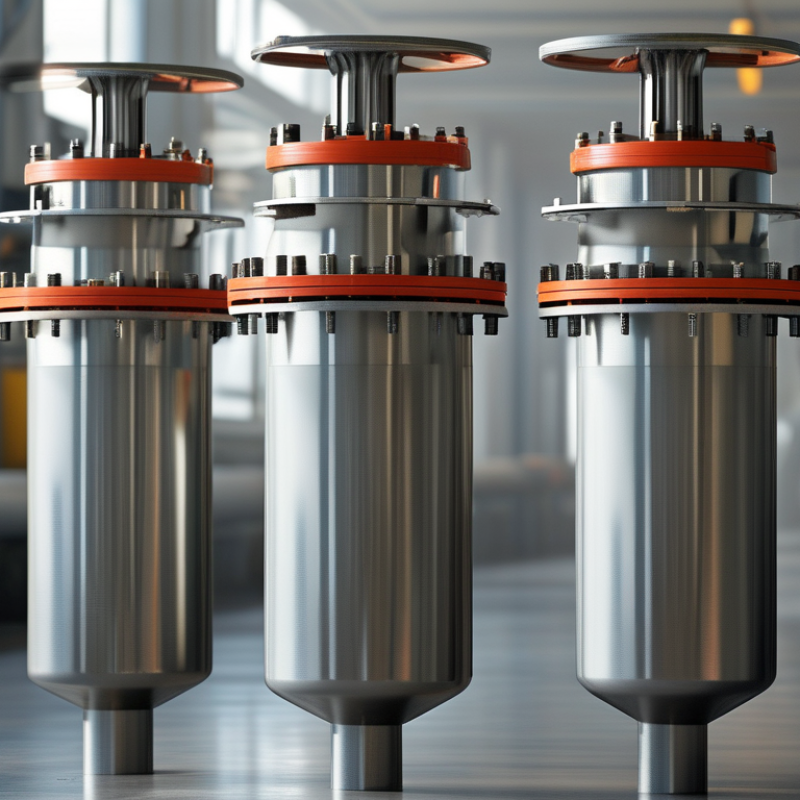
What is a Y Type Strainer and How Does It Work?

What is a Y Type Strainer and Its Importance in Fluid Systems

A Y Type Strainer is crucial in fluid systems. It’s designed to filter out unwanted debris from liquids. This prevents clogs that can cause costly damage. By using a simple screen inside a Y-shaped body, it captures particulates. The design allows for easy maintenance. You can clean or replace the straining element without significant system downtime.

Understanding the importance of Y Type Strainers starts with recognizing fluid dynamics. In any piping system, unwanted particles can lead to system failures. These failures might not be immediately visible. Some issues develop over time, creating safety hazards. Regularly inspecting Y Type Strainers can improve reliability and performance. Ignoring them can have costly repercussions, affecting not just one component but the entire system.

Mechanical strainers like the Y Type are often overlooked. Users may underestimate their role in system integrity. In some cases, the choice of strainer size or type does not align with fluid flow rates. This mismatch can lead to inefficient performance. Reflecting on these factors can enhance system maintenance. Proper understanding fosters better operation and extends equipment lifespan.

Key Components of Y Type Strainers and Their Functions

Y Type Strainers play a crucial role in fluid systems by filtering out debris and protecting equipment. They consist of several key components that enhance their functionality. The body, typically made of stainless steel or cast iron, houses a filter element. This element is where the filtration occurs, capturing particles as the fluid flows through. Industry reports indicate that strainer effectiveness can reduce maintenance costs by up to 30% in industrial applications.

Another essential component is the cover, which allows for easy access to the filter element. This design enables quick cleaning and replacement, minimizing downtime. Screens with varying mesh sizes meet specific filtration needs. For instance, a mesh size of 100 microns can catch large debris, while finer meshes filter out smaller particles. Therefore, the selection of the correct mesh size is critical for optimal performance and efficiency.

Despite their advantages, Y Type Strainers can have limitations. If the mesh size is too fine, it might clog quickly, impacting fluid flow. Regular maintenance is essential to address this. Industry guidelines recommend checking strainers every few months for optimal performance. This practice can be overlooked, leading to potential system failures. Thus, understanding these components is vital for effective use and longevity of Y Type Strainers in any fluid system.

How Y Type Strainers Operate: Internal Mechanism Explained

Y Type strainers are essential components in various piping systems. Their design allows for efficient filtration of debris from liquids and gases, preventing damage to critical equipment. These strainers utilize a simple internal mechanism to trap particulates. The Y shape of the strainer body facilitates effective flow management and optimal debris collection.

When fluid enters the strainer, it passes through a perforated mesh screen or a filter element. This screen captures unwanted particles, which then settle in the strainer. Depending on the application, the mesh size can vary, allowing for customized filtration. Industry reports indicate that up to 90% of equipment failures are linked to contamination in fluid systems. Regular maintenance of Y Type strainers is crucial to ensure system reliability and efficiency.

It's important to note that not all Y Type strainers are created equal. Variability in design, material, and construction can affect performance. Strainers made from materials like stainless steel may offer better longevity compared to plastic options. Proper selection based on specific operational conditions is vital. Furthermore, installation errors can lead to strainers not functioning optimally. Thus, understanding their operational principles is key to maximizing their effectiveness in any system.

What is a Y Type Strainer and How Does It Work?

Feature Description Benefits
Design Y-shaped housing that allows for efficient flow of fluid while filtering out unwanted particles. Compact design saves space and simplifies installation.
Internal Mechanism Uses a mesh straining element that traps debris while allowing fluid to pass through. Reduces wear and tear on downstream equipment, ensuring operational efficiency.
Maintenance Regular cleaning of the strainer element is required to maintain optimal performance. Easy to maintain and service, minimizing downtime.
Applications Used in water treatment, chemical processing, and HVAC systems. Versatile application across various industries improves reliability of systems.
Materials Typically made from stainless steel, bronze, or plastic. Corrosion-resistant materials ensure longevity in harsh environments.

Applications of Y Type Strainers Across Various Industries

Y Type strainers are essential components in various industries, designed to filter out debris and particles from liquids and gases. These strainers come in a Y-shaped configuration that allows for efficient filtration without significant pressure loss. Their versatility makes them widely used in sectors such as water treatment, chemical processing, and petrochemicals.

In water treatment facilities, Y Type strainers play a crucial role in maintaining system efficiency. They protect pumps and valves from damage caused by contaminants, which can lead to costly repairs. In chemical plants, these devices ensure that only clean substances enter reactors and pipelines, preventing reactions from unwanted materials. The oil and gas industry also benefits from Y Type strainers, as they safeguard equipment from particles that may interfere with operations.

While Y Type strainers are effective, their maintenance is vital for optimal performance. Sometimes, operators overlook the need for regular cleaning and inspections. This neglect can lead to reduced efficiency or even system failures. Awareness of this issue is crucial for ensuring reliability. Understanding their applications helps in selecting the right strainer for specific needs, enhancing overall system integrity across various industries.

Maintenance and Troubleshooting Tips for Y Type Strainers

Y Type strainers are essential for protecting piping systems from debris and sediment. Regular maintenance plays a crucial role in keeping these strainers functioning efficiently. According to the American Society of Mechanical Engineers (ASME), proper maintenance can increase the lifespan of a strainer by up to 30%. This involves routine inspections and timely cleaning.

One common issue with Y Type strainers is clogging. When strainers become blocked, flow rates drop significantly. A study by the International Journal of Fluid Mechanics revealed that even a small blockage can reduce efficiency by 25%. Operators should design a schedule for cleaning or replacing filters based on system flow and operating conditions. Keeping spare parts on hand is also a wise practice to avoid prolonged downtime.

Troubleshooting can often reveal overlooked problems. For instance, if pressure drops suddenly, it may indicate a blockage. In cases where strainers are consistently clogged, it may signal inappropriate sizing for the application. Engineers must assess the flow rates and conditions thoroughly. Implementing a monitoring system can provide valuable data for ongoing performance evaluation. This proactive approach often uncovers underlying issues that could lead to more significant damage if left unaddressed.

Copyright 2025 Fluidra S.A. | Created by BCM Marketing Agencia Privacy Policy Legal note | Cookie policy |

Technical cookies are strictly necessary for our website to work and you can navigate through it. These types of cookies are those that, for example, allow us to identify you, give you access to certain restricted parts of the page if necessary, or remember different options or services already selected by you, such as your privacy preferences. Therefore, they are activated by default, your authorization not being necessary in this regard. Through the configuration of your browser, you can block or alert the presence of this type of cookies, although such blocking will affect the proper functioning of the different functionalities of our website.


The analysis cookies allow us to study the navigation of the users of our website in general (for example, which sections of the page are the most visited, which services are used most and if they work correctly, etc.). From the statistical information on navigation on our website, we can improve both the operation of the page itself and the different services it offers. Therefore, these cookies do not have an advertising purpose, but only serve to make our website work better, adapting to our users in general. By activating them you will contribute to this continuous improvement. You can enable or disable these cookies by checking the corresponding box, being disabled by default.


Functionality cookies allow us to remember your preferences, to personalize certain characteristics and general options of our website, every time you access it (for example, the language in which the information is presented to you, the sections marked as favorites, your browser type, etc.) Therefore, this type of cookies does not have an advertising purpose, but by activating them you will improve the functionality of the website (for example, adapting to your type of browser) and the customization of it based on your preferences (for example, by presenting the information in the language that you have chosen in previous occasions), which will contribute to the ease, usability and comfort of our page during your navigation. You can enable or disable these cookies by checking the corresponding box, being disabled by default.


Advertising cookies allow us to manage the advertising spaces included in our website based on criteria such as the content shown or the frequency in which the ads are displayed. For example, if you have been shown the same ad several times on our website, and you have not shown a personal interest by clicking on it, it will not appear again. In summary, by activating this type of cookies, the advertising shown on our website will be more useful and diverse, and less repetitive. You can enable or disable these cookies by checking the corresponding box, being disabled by default.


Behavioral advertising cookies allow us to obtain information based on the observation of your browsing habits and behaviors on the web, in order to show you advertising content that best suits your personal tastes and interests. To understand it in a very simple way, we will give you a fictitious example: if your last searches on the web were related to suspense literature, we would show you advertising about suspense books. Therefore, activating this type of cookies, the advertising that we show you on our website will not be generic, but will be oriented to your searches, tastes and interests, therefore adjusting exclusively to you. You can enable or disable these cookies by checking the corresponding box, being disabled by default.
To understand it in a very simple way, we will give you a fictitious example: if your last searches on the web were related to suspense literature, we would show you advertising about suspense books. Therefore, activating this type of cookies, the advertising that we show you on our website will not be generic, but will be oriented to your searches, tastes and interests, therefore adjusting exclusively to you. You can enable or disable these cookies by checking the corresponding box, being disabled by default.

SAVE

We use our own and third-party cookies to ensure the proper functioning of the website and to analyse our services, improve your experience on our website and show you advertisements related to your interests according to profiling based on your browsing habits (e.g. websites visited). You can accept all cookies by clicking "ACCEPT" or set or reject them by clicking here. If you would like to know more about the use of cookies, please see our COOKIE POLICY.


ACCEPT ALL
Reject no essentials


