
Why Is Shovel Undercarriage Important for Excavators?
FLUID HANDLING EXPERTS

Blog, all our news

Why Is Shovel Undercarriage Important for Excavators?

An excavator’s productivity depends on more than engine power and bucket capacity. On a crawler machine, the undercarriage carries the machine’s weight, supports travel, and transfers digging forces into the ground. It also works in constant contact with abrasive soil, rock, mud, and debris. Small wear can become expensive.

Caterpillar’s Undercarriage Handbook identifies undercarriage maintenance as a major cost consideration for tracked equipment. Industry guidance commonly cites undercarriage costs as potentially reaching about half of a machine’s maintenance expense, though actual costs vary with operating conditions and maintenance practices. That figure deserves context: abrasive ground, poor track tension, and frequent turning can accelerate wear, while regular inspections may help operators spot trouble earlier. A worn track shoe or leaking roller seal is easy to overlook during a busy shift.

This is why Shovel Undercarriage condition matters to excavator owners, fleet managers, and operators. Track chains, rollers, idlers, sprockets, and shoes work as one system; damage to one component can affect others. The practical details matter. Packed clay around the rollers, uneven shoe wear, or a track that seems unusually loose can signal a need for inspection. Still, no single checklist replaces the machine manufacturer’s service guidance or an assessment by a qualified technician. Undercarriage life is not perfectly predictable. Knowing what to monitor helps explain how maintenance choices affect machine stability, operating costs, and time spent working rather than repairing.
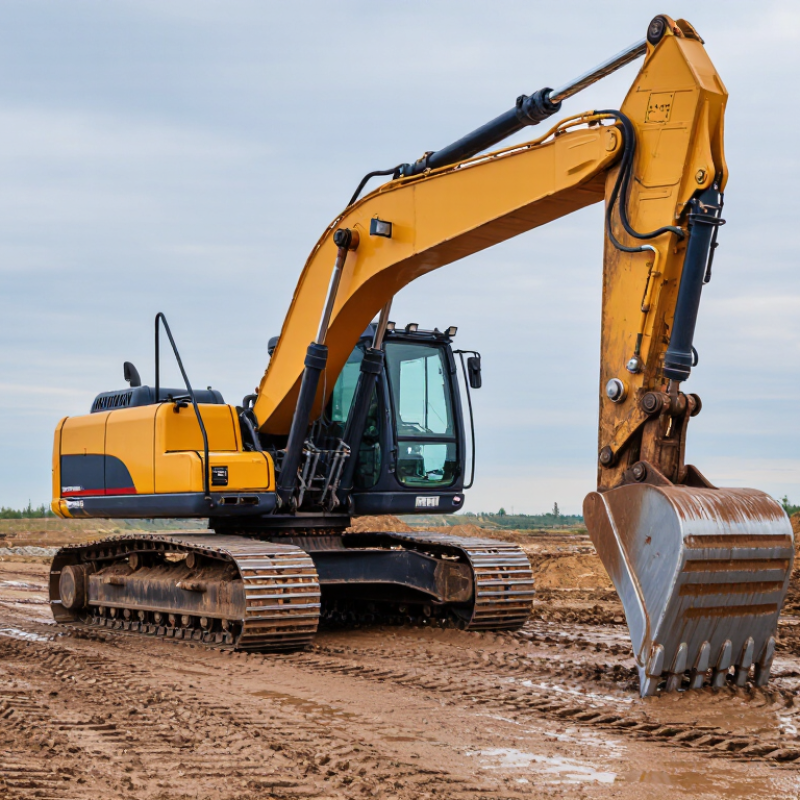
Why Is Shovel Undercarriage Important for Excavators?

What Is the Undercarriage of an Excavator?

An excavator’s undercarriage is the ground-contacting assembly beneath its upper structure. It supports the machine’s weight, carries travel loads, and helps it move across uneven terrain. On a tracked excavator, it typically includes two track frames, crawler tracks, drive sprockets, idlers, rollers, and track shoes. Small parts matter.

The sprocket engages the track links and transfers drive power. Idlers guide the track and help keep it aligned, while rollers carry its weight along the frame. Track shoes spread the machine’s load over the ground.

Track tension is adjustable, but it is not a set-and-forget detail. Too much tension can accelerate wear; too little may increase the risk of a track coming off. Mud packed around rollers can also hide early damage.

A track may look clean yet run unevenly, so checks should include movement, sag, and unusual noise.

Undercarriage configurations vary with machine size and working conditions. Wider shoes can reduce ground pressure on soft soil, while rocky surfaces can wear links and rollers faster. These trade-offs are real.

Check wear against the machine’s service guidance, rather than relying on appearance alone. A quick walk-around may reveal loose bolts, cracked shoes, or uneven track sag.

Which Components Make Up an Excavator Undercarriage?

An excavator undercarriage is a moving support system, not just a set of tracks. Its main parts include track chains, shoes, rollers, front idlers, drive sprockets, and a track frame. The shoes spread machine weight across the ground. Rollers support the chain, while the idler guides it and the sprocket drives it. A tensioning assembly helps maintain correct track adjustment. Small gaps matter.

ISO 16754:2008 provides a method for determining average ground contact pressure on crawler machines. The calculation relates machine mass to the effective area touching the ground. That makes track shoes and contact length relevant when comparing ground pressure. On soft soil, damaged shoes or uneven wear can reduce traction and disturb the machine’s balance. In the field, packed clay around rollers can hide early wear. It is easy to overlook.

Tips: Check sprocket teeth, roller surfaces, and track sag during routine walkarounds. Compare tension with the machine’s service specifications; one setting does not fit every excavator. Record wear measurements over time. A single inspection can miss a pattern.

How Does the Undercarriage Support Excavator Performance?

The undercarriage turns engine power into movement and keeps an excavator stable while it digs. Its tracks spread the machine’s weight across the ground, helping reduce sinking on soft soil. They also provide grip when the bucket meets resistance. Without steady traction, even a powerful excavator can slip, drift, or struggle to hold position.

Track links, rollers, idlers, and drive sprockets each guide or support the moving track. Together, they help the machine travel over uneven ground and carry changing loads. Wear or poor track tension can affect steering and increase strain on components. Too much tension may speed up wear; too little can let a track slip out of alignment. Small details matter. Yet undercarriage wear can be easy to miss, especially when mud hides worn parts. Regular checks should follow the machine’s operating manual and account for the ground conditions.

Tips: Clear packed mud from the tracks after work. Look for loose links, damaged pads, and uneven wear. Check tension on level ground, using the procedure in the manual. A quick walkaround helps, but it does not replace a proper inspection.

Why Is Shovel Undercarriage Important for Excavators?

The undercarriage carries the machine, transfers its weight to the ground, and provides traction and stability. This example shows how increasing track-ground contact length lowers average ground pressure.

Example calculation: 20,000 kg excavator, two 0.6 m-wide tracks. Average ground pressure is estimated as machine weight × 9.81 ÷ total track contact area. Values are calculated examples, not model-specific test data; actual pressure varies with machine configuration and operating conditions.

Why Does Undercarriage Condition Affect Safety and Operating Costs?

Why Is Shovel Undercarriage Important for Excavators?

A sound undercarriage helps an excavator stay stable on uneven ground and maintain predictable travel. Worn tracks, loose components, or damaged rollers can reduce traction and make stopping or turning less reliable. Small signs matter. A machine that drifts on a slope or vibrates more than usual deserves a careful inspection before work continues.

Undercarriage wear also affects operating costs. Misaligned tracks and seized rollers create extra friction, increasing fuel use and accelerating damage to nearby parts. Repairs can mean lost work time, not just a parts bill. In daily operation, mud packed around the rollers or uneven track tension may seem minor. They are easy to overlook, and not every change signals a serious fault, but checking early can prevent avoidable wear.

Tips: Inspect tracks, rollers, idlers, and sprockets regularly, especially after working in mud or abrasive ground. Keep track tension within the machine’s recommended range; overly tight tracks add strain, while loose tracks may derail. Note unusual noise, heat, or uneven wear, and ask a qualified technician when the cause is unclear.

How Can Regular Maintenance Extend Undercarriage Life?

Regular maintenance protects an excavator’s shovel undercarriage from avoidable wear. At each shift’s end, clear packed mud, stones, and clay from the tracks, rollers, and sprockets. Check track tension on firm, level ground, following the machine’s service instructions; overly tight tracks increase friction, while loose tracks can derail. Look for uneven wear, missing bolts, and damaged track shoes. Small signs matter.

Measure, don’t guess. Record track sag and compare readings over time, because wear often develops gradually. The U.S. Department of Energy’s 2010 Operations & Maintenance Best Practices guide reports that effective operations and maintenance programs can reduce energy use by 5–20%. This is an industry-wide benchmark, not an excavator-specific promise, but it shows why consistent checks can matter. Clean components also make cracks and leaks easier to spot. I still find dried clay hiding trouble. That part is easy to miss.

Use the excavator on suitable ground where possible, and avoid unnecessary high-speed turns or prolonged travel on abrasive surfaces. Rotate operating patterns when practical; repeated turning in one direction can concentrate wear. Keep a simple log of inspections, tension adjustments, and component replacements. Ask a qualified technician to investigate rapid or uneven wear before it damages adjacent parts. A skipped check may seem harmless, until it isn’t.

Copyright 2025 Fluidra S.A. | Created by BCM Marketing Agencia Privacy Policy Legal note | Cookie policy |

Technical cookies are strictly necessary for our website to work and you can navigate through it. These types of cookies are those that, for example, allow us to identify you, give you access to certain restricted parts of the page if necessary, or remember different options or services already selected by you, such as your privacy preferences. Therefore, they are activated by default, your authorization not being necessary in this regard. Through the configuration of your browser, you can block or alert the presence of this type of cookies, although such blocking will affect the proper functioning of the different functionalities of our website.


The analysis cookies allow us to study the navigation of the users of our website in general (for example, which sections of the page are the most visited, which services are used most and if they work correctly, etc.). From the statistical information on navigation on our website, we can improve both the operation of the page itself and the different services it offers. Therefore, these cookies do not have an advertising purpose, but only serve to make our website work better, adapting to our users in general. By activating them you will contribute to this continuous improvement. You can enable or disable these cookies by checking the corresponding box, being disabled by default.


Functionality cookies allow us to remember your preferences, to personalize certain characteristics and general options of our website, every time you access it (for example, the language in which the information is presented to you, the sections marked as favorites, your browser type, etc.) Therefore, this type of cookies does not have an advertising purpose, but by activating them you will improve the functionality of the website (for example, adapting to your type of browser) and the customization of it based on your preferences (for example, by presenting the information in the language that you have chosen in previous occasions), which will contribute to the ease, usability and comfort of our page during your navigation. You can enable or disable these cookies by checking the corresponding box, being disabled by default.


Advertising cookies allow us to manage the advertising spaces included in our website based on criteria such as the content shown or the frequency in which the ads are displayed. For example, if you have been shown the same ad several times on our website, and you have not shown a personal interest by clicking on it, it will not appear again. In summary, by activating this type of cookies, the advertising shown on our website will be more useful and diverse, and less repetitive. You can enable or disable these cookies by checking the corresponding box, being disabled by default.


Behavioral advertising cookies allow us to obtain information based on the observation of your browsing habits and behaviors on the web, in order to show you advertising content that best suits your personal tastes and interests. To understand it in a very simple way, we will give you a fictitious example: if your last searches on the web were related to suspense literature, we would show you advertising about suspense books. Therefore, activating this type of cookies, the advertising that we show you on our website will not be generic, but will be oriented to your searches, tastes and interests, therefore adjusting exclusively to you. You can enable or disable these cookies by checking the corresponding box, being disabled by default.
To understand it in a very simple way, we will give you a fictitious example: if your last searches on the web were related to suspense literature, we would show you advertising about suspense books. Therefore, activating this type of cookies, the advertising that we show you on our website will not be generic, but will be oriented to your searches, tastes and interests, therefore adjusting exclusively to you. You can enable or disable these cookies by checking the corresponding box, being disabled by default.

SAVE

We use our own and third-party cookies to ensure the proper functioning of the website and to analyse our services, improve your experience on our website and show you advertisements related to your interests according to profiling based on your browsing habits (e.g. websites visited). You can accept all cookies by clicking "ACCEPT" or set or reject them by clicking here. If you would like to know more about the use of cookies, please see our COOKIE POLICY.


ACCEPT ALL
Reject no essentials


