
Why Choose Fish Meal Rendering Equipment?
FLUID HANDLING EXPERTS

Blog, all our news

Why Choose Fish Meal Rendering Equipment?

Fish Meal Rendering Equipment is becoming a strategic investment as aquaculture expands worldwide. The FAO reported 185.4 million tonnes of global fisheries and aquaculture production in 2022. Aquaculture supplied 51 percent of aquatic animals for human consumption. OECD-FAO Agricultural Outlook 2024–2033 expects this share to keep rising. More farmed fish means stronger demand for consistent marine-protein ingredients.

The opportunity is practical, not merely theoretical. Fresh raw material enters the plant, then moves through cooking, pressing, drying, and milling. Each stage affects protein quality, moisture, energy use, and odor control. Well-designed Fish Meal Rendering Equipment can shorten handling time and reduce avoidable heat damage. Small details matter. A blocked screen can disrupt an entire production shift. Poor drying can also increase storage risks and product inconsistency.

FAO Director-General Qu Dongyu has described aquaculture as “the fastest-growing food-producing sector in the world.” That growth places greater responsibility on processors. Equipment buyers should examine throughput, corrosion resistance, steam efficiency, cleaning access, and traceability features. IFFO reports that fishmeal and fish oil remain important ingredients in aquafeeds, especially where digestible nutrients are required. However, the picture is not perfect. Technology alone cannot guarantee sustainability. Raw-material sourcing, maintenance records, operator training, and verified emissions data remain essential. A cheaper machine may become expensive later. This guide examines the operational evidence behind modern rendering systems, while recognizing that every factory has different raw materials, energy conditions, and production targets.
Why Choose Fish Meal Rendering Equipment?

What Is Fish Meal Rendering Equipment?

Why Choose Fish Meal Rendering Equipment?

Fish meal rendering equipment converts fish processing by-products into stable, protein-rich meal and oil. The process usually includes cooking, pressing, drying, grinding, and screening. Each stage matters. Poor cooking can reduce protein quality, while excessive heat may damage amino acids.

The opportunity is substantial. The FAO’s State of World Fisheries and Aquaculture 2024 reported 185.4 million tonnes of global aquatic animal production in 2022. Much of this activity creates frames, trimmings, and smaller fish that need careful handling. IFFO’s industry data indicates global fishmeal production remains close to five million tonnes annually, although yearly volumes change with landings and quotas. Rendering equipment helps processors recover value from these materials. It also reduces wet waste, unpleasant odors, and transport weight. However, equipment alone is not a complete solution. Energy use, wastewater control, and raw-material freshness still require daily supervision.

Tips: Check the cooker temperature, press pressure, and dryer moisture regularly. Aim for consistent moisture before grinding. A practical target is often around 8–10%, but the correct level depends on storage conditions and product specifications. Keep records. Small errors become expensive across a full production shift.

Modern systems can improve heat recovery and automate feeding, yet automation is not always perfect. Sensors need calibration. Operators still make important judgments when raw materials vary. That human experience is easy to overlook. Data from FAO and IFFO supports the industry’s scale, but each facility needs its own trials, maintenance plan, and quality testing.

How Does the Fish Meal Rendering Process Work?

Why Choose Fish Meal Rendering Equipment?

How Does the Fish Meal Rendering Process Work?

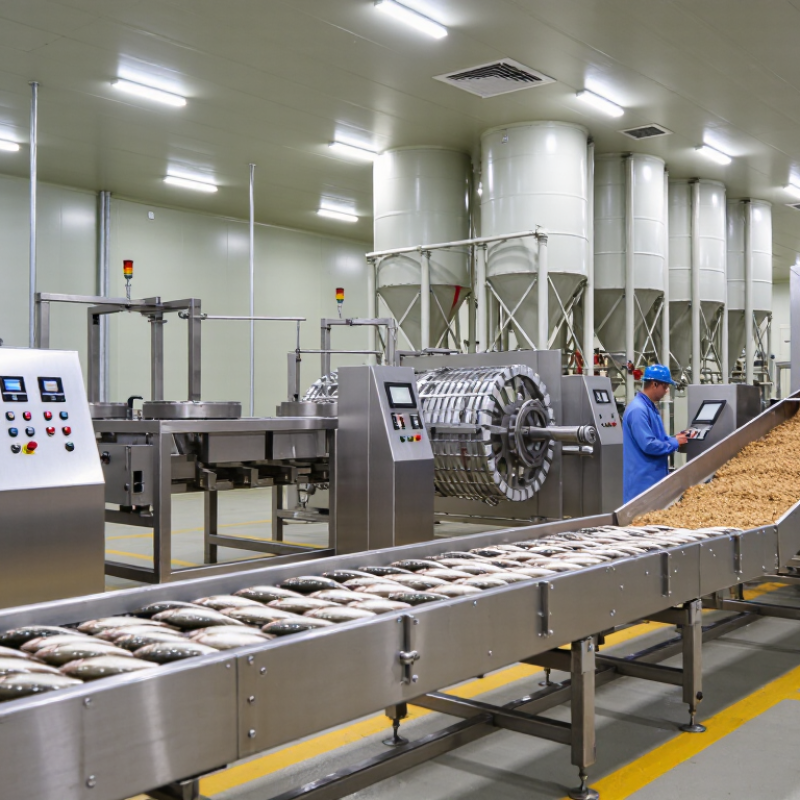
Fish meal rendering begins with fresh fish, trimmings, or processing leftovers. The raw material enters a cooker, where controlled heat breaks down tissue and reduces moisture. A screw press then separates the solid protein cake from liquid. The liquid moves through a centrifuge, removing oil and fine particles. The pressed cake is dried and milled into a stable powder. Small process errors matter. Excessive heat can damage amino acids, while insufficient drying may encourage spoilage.

Reliable equipment improves control at every stage. Sensors monitor temperature, pressure, moisture, and residence time. This supports consistent protein quality and safer storage. The FAO’s The State of World Fisheries and Aquaculture 2024 reports 185 million tonnes of aquatic animals were produced in 2022. It also states that 89% were used for direct human consumption. That figure highlights the need to recover value from suitable processing trimmings, rather than waste useful nutrients. Industry production reports from IFFO also emphasize traceability, raw-material efficiency, and stable processing conditions across marine ingredient plants.

Which Components Make Up a Rendering System?

Why Choose Fish Meal Rendering Equipment?

A fish meal rendering system is more than a cooker and a press. It is a connected process line. Raw fish or trimmings enter a receiving hopper, where weighing and magnetic separation improve control. A steam cooker then applies controlled heat, usually to coagulate proteins and release moisture. The cooked material moves to a screw press. This separates solid press cake from liquid.

The liquid stream requires a decanter or centrifuge, followed by an evaporator. Evaporation concentrates dissolved proteins and fish oil. A dryer reduces moisture in the press cake, while a hammer mill creates a uniform meal texture. Cyclones, filters, conveyors, pumps, and a control panel complete the system. The FAO State of World Fisheries and Aquaculture 2024 reported 185 million tonnes of aquatic animal production in 2022. About 89% went to direct human consumption, making efficient use of remaining material increasingly important. IFFO reports that trimmings contribute a significant share of global fishmeal production, often estimated near one-third.

Tips: Check every transfer point for heat loss, leakage, and cleaning access. Measure moisture before and after drying. Small errors multiply. Energy recovery can lower operating costs, but poorly matched equipment may increase maintenance. No system is perfect. I would leave room for adjustment, because raw material size, fat content, and freshness rarely stay constant. Temperature sensors, overload protection, and traceable batch records support safer, more consistent production.

What Are the Main Benefits of Using This Equipment?

Why Choose Fish Meal Rendering Equipment?

Fish meal rendering equipment converts processed fish material into a stable, protein-rich feed ingredient. In practical operations, the main benefit is process consistency. Controlled cooking reduces moisture and helps separate solids from fish oil. Pressing then removes excess liquid more efficiently than manual handling. The result is easier drying and more predictable storage quality.

Temperature control matters greatly. Excessive heat can damage valuable nutrients, while insufficient heat may leave too much moisture behind. Modern rendering lines allow operators to adjust cooking, pressing, and drying conditions. This supports better protein retention and more consistent batches. It also reduces unnecessary energy use when settings match the raw material. Small differences matter.

Hygiene is another important advantage. Enclosed equipment limits direct contact with dust, wastewater, and surrounding contaminants. Proper cleaning routines remain essential, however. Equipment alone cannot correct poor maintenance or careless operation. Odor management systems can improve working conditions near production areas. They may also reduce complaints from nearby communities. Yet performance depends on correct installation and regular inspection. A worn seal, blocked pipe, or poorly calibrated sensor can quickly reduce efficiency. This equipment also supports clearer production records, because operators can monitor temperatures, moisture levels, and processing time. Those records help identify problems before an entire batch is affected. eqarq

How Should Fish Meal Rendering Equipment Be Selected and Maintained?

Selecting fish meal rendering equipment starts with raw material reality, not catalogue capacity. Fish species, fat content, bone levels, and daily volume affect cooking and drying performance. The FAO reported 185 million tonnes of aquatic animals produced globally in 2022, with aquaculture supplying about 51%. This expanding supply increases demand for stable, traceable processing systems.

A practical line should provide even cooking, controlled moisture removal, and gentle meal handling. Target operating conditions must be verified through trials, because one temperature setting cannot suit every species. Many commercial specifications keep finished fish meal near 10% moisture, but operators should confirm this with laboratory testing. Moisture sensors, steam controls, and temperature records improve consistency. They also expose problems early.

Maintenance needs a written schedule. Inspect screw conveyors, bearings, seals, screens, and steam jackets every shift. Remove protein deposits before they harden. Check vibration and motor load weekly. Calibrate temperature and moisture instruments regularly. The OECD-FAO Agricultural Outlook 2024–2033 projects global fish production to approach 205 million tonnes by 2033, making energy efficiency increasingly important. Heat recovery and insulated drying chambers can reduce avoidable losses.

A bigger machine is not automatically better. Oversized equipment may consume excess steam and produce uneven drying. That assumption deserves challenge. Selection should compare throughput, energy use, cleaning access, spare-part availability, and operator skill. HACCP-based records and ISO 22000-aligned controls can strengthen food safety evidence. Yet paperwork cannot replace inspection. Real performance must be measured at the discharge point, not promised in a brochure.

Why Choose Fish Meal Rendering Equipment?

How Should Fish Meal Rendering Equipment Be Selected and Maintained?

Efficient rendering equipment should consistently produce fish meal within typical quality ranges. Moisture control supports storage stability, while stable cooking, pressing, and drying performance helps preserve protein and manage oil content. Actual values vary according to fish species, raw-material freshness, and processing conditions, so regular inspection, cleaning, temperature checks, and calibration are essential for reliable operation.

Copyright 2025 Fluidra S.A. | Created by BCM Marketing Agencia Privacy Policy Legal note | Cookie policy |

Technical cookies are strictly necessary for our website to work and you can navigate through it. These types of cookies are those that, for example, allow us to identify you, give you access to certain restricted parts of the page if necessary, or remember different options or services already selected by you, such as your privacy preferences. Therefore, they are activated by default, your authorization not being necessary in this regard. Through the configuration of your browser, you can block or alert the presence of this type of cookies, although such blocking will affect the proper functioning of the different functionalities of our website.


The analysis cookies allow us to study the navigation of the users of our website in general (for example, which sections of the page are the most visited, which services are used most and if they work correctly, etc.). From the statistical information on navigation on our website, we can improve both the operation of the page itself and the different services it offers. Therefore, these cookies do not have an advertising purpose, but only serve to make our website work better, adapting to our users in general. By activating them you will contribute to this continuous improvement. You can enable or disable these cookies by checking the corresponding box, being disabled by default.


Functionality cookies allow us to remember your preferences, to personalize certain characteristics and general options of our website, every time you access it (for example, the language in which the information is presented to you, the sections marked as favorites, your browser type, etc.) Therefore, this type of cookies does not have an advertising purpose, but by activating them you will improve the functionality of the website (for example, adapting to your type of browser) and the customization of it based on your preferences (for example, by presenting the information in the language that you have chosen in previous occasions), which will contribute to the ease, usability and comfort of our page during your navigation. You can enable or disable these cookies by checking the corresponding box, being disabled by default.


Advertising cookies allow us to manage the advertising spaces included in our website based on criteria such as the content shown or the frequency in which the ads are displayed. For example, if you have been shown the same ad several times on our website, and you have not shown a personal interest by clicking on it, it will not appear again. In summary, by activating this type of cookies, the advertising shown on our website will be more useful and diverse, and less repetitive. You can enable or disable these cookies by checking the corresponding box, being disabled by default.


Behavioral advertising cookies allow us to obtain information based on the observation of your browsing habits and behaviors on the web, in order to show you advertising content that best suits your personal tastes and interests. To understand it in a very simple way, we will give you a fictitious example: if your last searches on the web were related to suspense literature, we would show you advertising about suspense books. Therefore, activating this type of cookies, the advertising that we show you on our website will not be generic, but will be oriented to your searches, tastes and interests, therefore adjusting exclusively to you. You can enable or disable these cookies by checking the corresponding box, being disabled by default.
To understand it in a very simple way, we will give you a fictitious example: if your last searches on the web were related to suspense literature, we would show you advertising about suspense books. Therefore, activating this type of cookies, the advertising that we show you on our website will not be generic, but will be oriented to your searches, tastes and interests, therefore adjusting exclusively to you. You can enable or disable these cookies by checking the corresponding box, being disabled by default.

SAVE

We use our own and third-party cookies to ensure the proper functioning of the website and to analyse our services, improve your experience on our website and show you advertisements related to your interests according to profiling based on your browsing habits (e.g. websites visited). You can accept all cookies by clicking "ACCEPT" or set or reject them by clicking here. If you would like to know more about the use of cookies, please see our COOKIE POLICY.


ACCEPT ALL
Reject no essentials


