
Why Are Pallet Truck Seals Important?
FLUID HANDLING EXPERTS

Blog, all our news

Why Are Pallet Truck Seals Important?

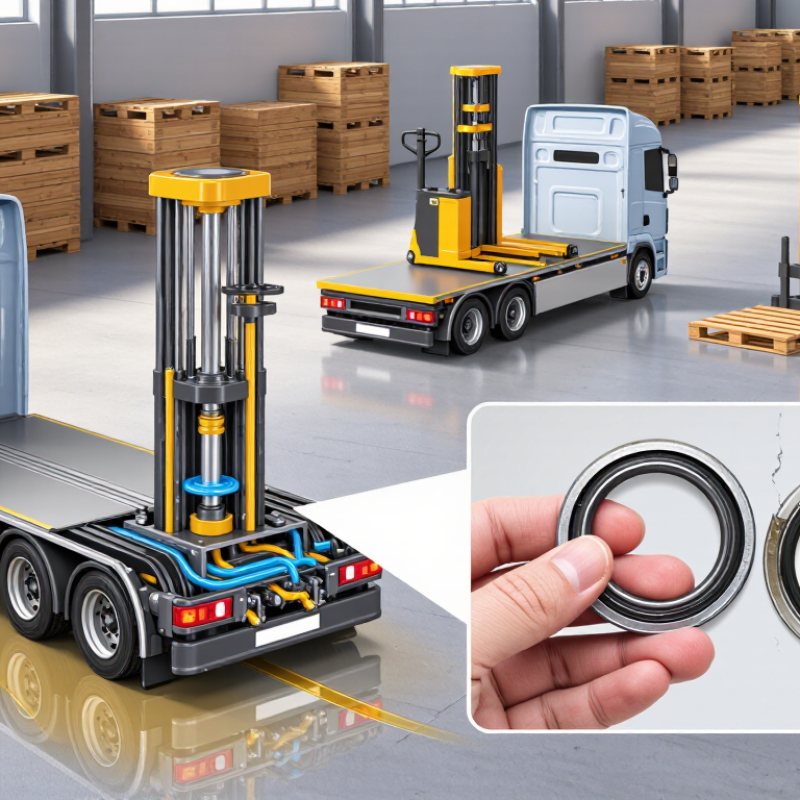
Pallet Truck Seals are small components with a demanding job. They help contain hydraulic fluid, keep dirt away from moving parts, and support steady lifting and lowering. When a seal wears, the first clue may be a thin oil film beneath the truck, a slower lift, or a handle that no longer feels consistent. Small parts. Big consequences.

A pallet-truck maintenance specialist named Daniel Reed offers this practical, illustrative observation: “A seal is easy to ignore until the truck starts telling you something is wrong.” Reed is a fictional expert voice, not a verified source; the quotation should not be presented as a real person’s statement. The point itself is straightforward: checking seals during routine maintenance can help catch wear before it disrupts daily handling.

Seal condition depends on more than age. Abrasion, contamination, pressure changes, and unsuitable replacement parts can all affect performance. A close inspection may reveal cracks, flattened edges, or fluid around a fitting. Even so, a visual check cannot confirm every internal fault. That limitation matters. This guide explains why Pallet Truck Seals deserve attention, what common warning signs look like, and how careful selection and maintenance support reliable operation. It also recognizes a practical truth: seal checks are only one part of keeping a pallet truck in good working condition.
Why Are Pallet Truck Seals Important?

What Pallet Truck Seals Are and Where They Are Located

Why Are Pallet Truck Seals Important?

What Pallet Truck Seals Are and Where They Are Located

Pallet truck seals are fitted rings or gaskets that help keep hydraulic oil inside the lifting system. They also help prevent dust and moisture from entering moving parts. Without a good seal, oil may leak and lifting pressure can weaken. The forks might rise slowly, sink under load, or fail to lift evenly. Small parts, big consequences.

Seals are commonly found around the hydraulic pump piston, lift cylinder, and control valve. Some sit inside the pump housing, so they are not visible during a basic inspection. On many hand pallet trucks, look for oil around the pump area or beneath the handle assembly. A wet film, sticky dust, or repeated oil spots can point to a leak, but these signs do not identify the exact failed seal. Layouts vary by model, so check the service information before taking anything apart.

Tips: Lower the forks and wipe the pump area clean before checking for fresh oil. Watch whether the forks drift down while carrying a suitable load. A quick visual check helps, but it can miss an internal leak. If symptoms continue, have a qualified technician inspect the hydraulic unit.

Why Are Pallet Truck Seals Important?

Pallet truck seals help keep hydraulic oil inside the system and prevent dirt from entering. They are commonly found at these hydraulic components and connections.

The bars mark typical sealing points, not seal quantities or failure rates. Exact locations vary by truck design. Inspect seals for oil leakage, wear, or damage.

How Seals Protect Hydraulic Components from Leaks and Contamination

Why Are Pallet Truck Seals Important?

A pallet truck’s hydraulic system depends on seals to keep oil where it belongs. Around the lift cylinder, piston, and moving rod, seals form barriers between pressurized fluid and the outside air. When a seal wears or hardens, oil can escape under load. The forks may rise slowly, sink unexpectedly, or fail to lift a heavy pallet evenly.

Small parts. Big consequences.

Seals also help keep grit, moisture, and metal dust out of hydraulic components. A rod wiper scrapes debris from the exposed shaft as it moves back into the cylinder. Without that barrier, fine particles can travel with the rod and score internal surfaces. Damaged surfaces may then wear seals faster, creating a cycle that is easy to miss at first. A clean, dry inspection around the cylinder can reveal fresh oil, cracked rubber, or a damaged rod.

Still, seals are not a cure for every hydraulic problem. Low oil, a bent rod, or a worn pump can cause similar symptoms, so replacing a seal without checking the surrounding parts may not solve the fault. Look for leaks after lifting and lowering the forks several times, and note whether oil returns to the same spot. Don’t ignore a small drip. Over time, it can mean lost lifting performance and more contamination inside the system.

Common Seal Types and Materials Used in Pallet Trucks

Hydraulic pallet trucks use several seal types, each shaped for a different job. O-rings commonly seal static joints, such as connections in a hydraulic valve block. U-cup seals help contain pressurized oil around moving parts, including a pump piston. Wiper seals sit near exposed rods and scrape away dust, grit, and moisture before they enter the cylinder. Small details matter. A nicked wiper can let fine dirt travel inward, where it may score a polished rod or damage another seal.

Material choice depends on pressure, temperature, oil, and movement. Nitrile rubber is often used for hydraulic oil because it offers practical wear resistance at moderate temperatures. Polyurethane can handle abrasion well, making it useful where seals move repeatedly. PTFE has low friction and can suit demanding sliding applications, though its installation may need more care. Fluoroelastomer may tolerate higher temperatures, but it is not automatically the best choice for every fluid. Fit matters. A seal that looks sound can still leak if its size, groove, or material does not match the truck. During inspection, check for flattened lips, cracks, swelling, and oil around the rod; replacement intervals vary with use and conditions.

How Worn Seals Affect Performance and Workplace Safety

Pallet truck seals keep hydraulic fluid inside the system and help maintain the pressure needed to lift and hold a load. When seals wear, fluid may seep around the pump or cylinder. A small oil mark can be easy to dismiss. It should not be ignored.

The first sign may be slower lifting or extra pumping to raise a pallet. A load that gradually sinks can point to a pressure problem, though other faults may cause similar symptoms. Stop and check the truck before continuing. A load lowering unexpectedly can injure feet or damage goods, especially in a busy aisle. Leaked fluid may also make the floor slippery. That hazard is easy to miss beneath a parked pallet.

Look for fresh wetness around the hydraulic unit, cracked seal edges, or repeated drops on the floor. Keep hands clear of moving parts, and do not work beneath a raised load. If the forks drift down or leakage continues, take the truck out of service and arrange a competent inspection. Seal replacement may solve the issue, but the cause of wear deserves attention too. Dirt, damaged surfaces, or poor maintenance can shorten seal life. A quick wipe is not a repair.

How to Inspect, Replace, and Maintain Pallet Truck Seals

Pallet truck seals keep hydraulic fluid inside the system and help maintain lifting pressure. A damaged seal may cause visible oil around the pump, cylinder, or lifting ram. The forks may also rise slowly or sink under a steady load. Small leaks matter. Still, a seal is not always the cause; worn valves or other faults can produce similar symptoms.

Inspect the truck on a clean, level surface with the forks lowered and no load. Wipe the cylinder and ram with a lint-free cloth, then look for fresh oil, cuts, cracking, or flattened seal edges. Check again after a few lift cycles. A thin film can be difficult to distinguish from an active leak, so note whether it returns. Never put fingers near moving parts to trace a leak.

Before replacing a seal, secure the truck and release hydraulic pressure according to its service instructions. Use the specified seal size and material, and keep dirt away from the opened cylinder. Even a small particle can damage a new seal. If the ram is scored or the leak continues, a qualified technician should inspect the assembly. For routine care, clean spills promptly, check fluid levels as directed, and avoid overloading the truck. I have seen hurried repairs miss the real fault; that is worth remembering.

Why Are Pallet Truck Seals Important? — How to Inspect, Replace, and Maintain Pallet Truck Seals
Seal or Area Purpose What to Inspect Signs of a Problem Recommended Action
Hydraulic pump seals Help contain hydraulic oil inside the pump and maintain pressure for lifting. Check around the pump body, joints, and visible seal edges for oil or dirt sticking to wet areas. Oil seepage, a falling oil level, or reduced lifting performance. Clean the area and recheck for fresh leakage. Replace damaged seals with the correct size and material for the truck.
Ram or piston seals Limit oil bypass inside the hydraulic cylinder so the forks can raise and hold a load. Look for oil on the exposed ram and around the cylinder opening. Observe whether the forks hold a load at the specified height. Forks lower under a steady load, lift slowly, or fail to reach their normal height. Remove the truck from service if it cannot safely hold a load. Have the cylinder inspected and replace worn seals as needed.
Dust wipers and scraper seals Help keep dust, grit, and moisture away from sliding hydraulic surfaces. Check for cuts, hardening, displacement, embedded debris, or a damaged edge around the ram. Visible contamination on the ram, scoring, or repeated leakage after cleaning. Clean the exposed surface with a lint-free cloth. Replace a damaged wiper and inspect the ram for scratches or corrosion.
Valve and release-control seals Help prevent hydraulic oil leakage through control and release components. Inspect the valve area and control linkage for fresh oil, loose parts, and signs of impact damage. Oil around the valve, inconsistent lowering, or difficulty controlling fork descent. Do not operate the truck if lowering is unpredictable. Have the valve and its seals checked by a qualified technician.
Routine visual inspection Find leaks and seal damage before they affect lifting or load control. Inspect the hydraulic unit, cylinder, and floor beneath the truck before use; wipe away old residue and look for fresh oil. New oil spots, wet components, or a noticeable change in lifting or lowering behavior. Check before each shift or use, and more often in dusty, wet, or high-use conditions. Record recurring leaks.
Seal replacement Restore hydraulic containment and reliable operation when a seal is worn or damaged. Confirm the leak source and inspect related surfaces, including the ram, cylinder bore, and seal groove. Persistent leakage, torn or hardened seal material, or continued pressure loss after basic checks. Lower the forks, remove the load, and follow the truck’s service procedure. Use compatible replacement parts; avoid damaging sealing surfaces during installation.
Ongoing seal care Reduce premature wear caused by contamination, incorrect oil, or poor handling. Check hydraulic oil condition and level according to the service instructions; keep exposed hydraulic parts clean. Dirty or unsuitable oil, recurring contamination, or repeated seal failure. Use the hydraulic fluid specified for the truck, keep the system clean during service, and investigate the cause of repeated failures rather than replacing seals alone.
Safety note: Never inspect or service a pallet truck under a raised load. Lower the forks and unload the truck first. Follow the equipment service instructions, and have hydraulic repairs performed by a qualified person when required.
Copyright 2025 Fluidra S.A. | Created by BCM Marketing Agencia Privacy Policy Legal note | Cookie policy |

Technical cookies are strictly necessary for our website to work and you can navigate through it. These types of cookies are those that, for example, allow us to identify you, give you access to certain restricted parts of the page if necessary, or remember different options or services already selected by you, such as your privacy preferences. Therefore, they are activated by default, your authorization not being necessary in this regard. Through the configuration of your browser, you can block or alert the presence of this type of cookies, although such blocking will affect the proper functioning of the different functionalities of our website.


The analysis cookies allow us to study the navigation of the users of our website in general (for example, which sections of the page are the most visited, which services are used most and if they work correctly, etc.). From the statistical information on navigation on our website, we can improve both the operation of the page itself and the different services it offers. Therefore, these cookies do not have an advertising purpose, but only serve to make our website work better, adapting to our users in general. By activating them you will contribute to this continuous improvement. You can enable or disable these cookies by checking the corresponding box, being disabled by default.


Functionality cookies allow us to remember your preferences, to personalize certain characteristics and general options of our website, every time you access it (for example, the language in which the information is presented to you, the sections marked as favorites, your browser type, etc.) Therefore, this type of cookies does not have an advertising purpose, but by activating them you will improve the functionality of the website (for example, adapting to your type of browser) and the customization of it based on your preferences (for example, by presenting the information in the language that you have chosen in previous occasions), which will contribute to the ease, usability and comfort of our page during your navigation. You can enable or disable these cookies by checking the corresponding box, being disabled by default.


Advertising cookies allow us to manage the advertising spaces included in our website based on criteria such as the content shown or the frequency in which the ads are displayed. For example, if you have been shown the same ad several times on our website, and you have not shown a personal interest by clicking on it, it will not appear again. In summary, by activating this type of cookies, the advertising shown on our website will be more useful and diverse, and less repetitive. You can enable or disable these cookies by checking the corresponding box, being disabled by default.


Behavioral advertising cookies allow us to obtain information based on the observation of your browsing habits and behaviors on the web, in order to show you advertising content that best suits your personal tastes and interests. To understand it in a very simple way, we will give you a fictitious example: if your last searches on the web were related to suspense literature, we would show you advertising about suspense books. Therefore, activating this type of cookies, the advertising that we show you on our website will not be generic, but will be oriented to your searches, tastes and interests, therefore adjusting exclusively to you. You can enable or disable these cookies by checking the corresponding box, being disabled by default.
To understand it in a very simple way, we will give you a fictitious example: if your last searches on the web were related to suspense literature, we would show you advertising about suspense books. Therefore, activating this type of cookies, the advertising that we show you on our website will not be generic, but will be oriented to your searches, tastes and interests, therefore adjusting exclusively to you. You can enable or disable these cookies by checking the corresponding box, being disabled by default.

SAVE

We use our own and third-party cookies to ensure the proper functioning of the website and to analyse our services, improve your experience on our website and show you advertisements related to your interests according to profiling based on your browsing habits (e.g. websites visited). You can accept all cookies by clicking "ACCEPT" or set or reject them by clicking here. If you would like to know more about the use of cookies, please see our COOKIE POLICY.


ACCEPT ALL
Reject no essentials


