
Why Choose a Face Mechanical Seal for Pumps?
FLUID HANDLING EXPERTS

Blog, all our news

Why Choose a Face Mechanical Seal for Pumps?

A pump may move clean water, abrasive slurry, or a hot chemical process fluid, but every rotating shaft creates a sealing challenge. A Face Mechanical Seal controls leakage where the shaft meets the pump casing, using closely matched faces that remain in contact as the shaft turns. In a properly selected design, this arrangement can reduce routine leakage and help protect bearings, equipment, and the surrounding work area. Small details matter. Face materials, spring loading, elastomer compatibility, and flushing conditions all affect performance. A seal that works well in a cool water pump may wear quickly in a pump handling gritty fluid.

Choosing this seal is not simply a matter of picking a robust part from a catalog. Operating pressure, temperature, shaft speed, fluid properties, and the pump’s installation all deserve careful review. For example, fine abrasive particles can score seal faces, while poor alignment or dry running can cause heat and premature failure. That assumption deserves a second look: a mechanical seal is not automatically the best choice for every pump or duty. Maintenance access and the availability of correct replacement parts also matter. When the application is understood and installation follows the manufacturer’s instructions, a Face Mechanical Seal can provide dependable service with less visible leakage. This guide examines its practical advantages, limitations, and selection factors, so pump operators can make a decision based on operating conditions rather than appearance alone.
Why Choose a Face Mechanical Seal for Pumps?

What Is a Face Mechanical Seal in a Pump?

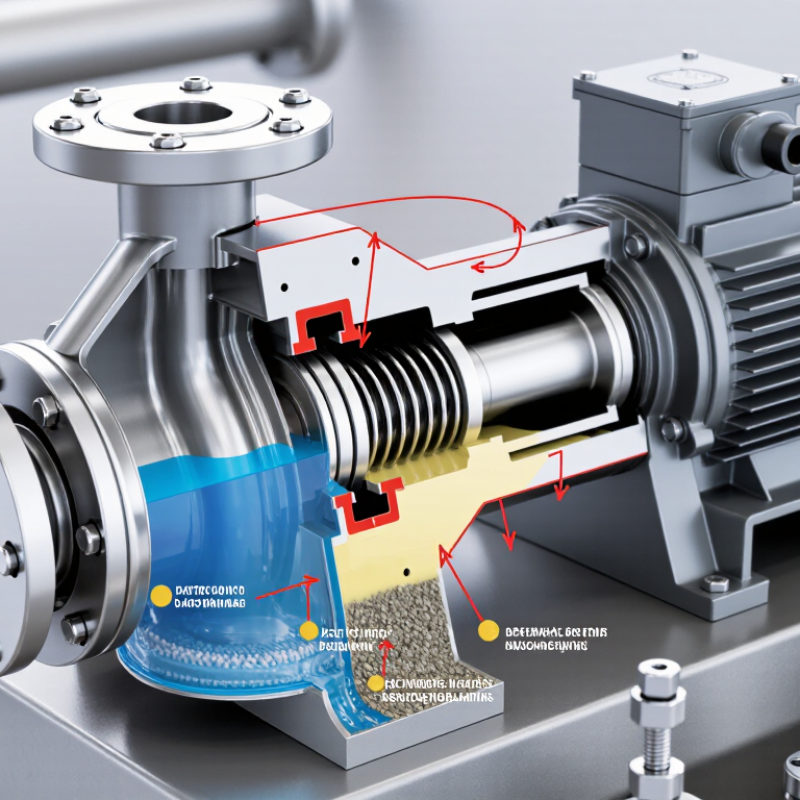
A face mechanical seal is a device fitted around a pump shaft where it passes through the casing. It helps limit fluid escaping along that path. One flat ring turns with the shaft; a second ring stays fixed in the seal housing. A spring and fluid pressure keep their polished faces close together. They are not meant to run completely dry. A very thin fluid film usually helps reduce friction and carry away heat. The seal also uses secondary parts, such as flexible rings, to block leakage around the faces.

The details matter. Face materials, fluid properties, pressure, temperature, and shaft speed all affect seal performance. A seal that suits clean water may not suit a hot, abrasive liquid. Wear, poor alignment, or particles trapped during installation can cause leakage. The faces can look smooth and still be damaged; that is easy to overlook.

Tips: Check fluid compatibility and operating limits before selecting a seal. Keep sealing faces clean during installation, and inspect for scratches. If leakage appears, check alignment and operating conditions before assuming the seal itself is the only problem.

Why Choose a Face Mechanical Seal for Pumps? — What Is a Face Mechanical Seal in a Pump?

Feature What It Is Typical Details Why It Matters in a Pump
Basic definition A face mechanical seal is a device that limits fluid leakage where a rotating pump shaft passes through the stationary casing. It seals between two flat, lapped faces: one rotates with the shaft and the other remains stationary. It provides a controlled sealing interface without relying on a packing material rubbing directly around the shaft.
Primary sealing faces The rotating and stationary faces form the main sealing interface. Common face materials include carbon graphite, silicon carbide, and tungsten carbide; selection depends on the fluid and operating conditions. Face material, surface finish, fluid properties, and operating conditions influence wear, heat generation, and seal life.
Lubricating film A very thin film of the pumped fluid, or an appropriate barrier fluid, normally separates the faces during operation. The film helps reduce friction and carries heat away from the interface. Dry running, inadequate lubrication, or unsuitable fluid conditions can quickly damage the faces.
Secondary seals O-rings, elastomer bellows, or other compliant elements seal around components that move or fit together. Elastomer choice must suit the fluid, temperature, and chemical exposure. Correct secondary-seal selection helps prevent leakage around the face assembly and accommodates limited movement.
Spring or bellows loading A spring or metal bellows applies closing force to keep the sealing faces in contact when the pump is stopped or operating at low pressure. Designs may use a single spring, multiple springs, or a bellows arrangement. The loading mechanism helps maintain face contact while allowing for small axial movement and wear.
Leakage control A mechanical seal is designed to keep leakage very low, but it should not automatically be described as absolutely leak-free. Allowable leakage and monitoring requirements depend on the seal design, fluid, application, and applicable regulations. Lower leakage can reduce product loss and help limit emissions compared with many conventional packing arrangements.
Single and dual arrangements A single seal has one primary sealing interface; a dual seal uses two interfaces and may use a barrier or buffer system between them. Dual seals are selected for certain hazardous, volatile, abrasive, or otherwise demanding services. The arrangement should match the fluid hazard, leakage-control requirements, and operating conditions.
Auxiliary piping and support Some seals require piping or other support systems to cool, flush, vent, or pressurize the seal chamber. Support requirements depend on the seal arrangement and pump application; they may follow an established piping plan. Proper installation and support help manage heat, solids, vapor formation, and barrier-fluid conditions.
Operating limits Pressure, temperature, speed, and fluid compatibility limits are specific to the seal design and application. There is no single pressure or temperature range that applies to every face mechanical seal. Confirming actual operating conditions with the equipment documentation helps prevent premature failure.
Maintenance considerations Face seals generally require correct installation, clean handling, and attention to pump operating conditions. Common causes of damage include dry running, contamination, misalignment, vibration, and unsuitable materials. Good installation and reliable pump operation can reduce unplanned maintenance and extend service life.

Selection note: Seal configuration and materials should be selected for the specific pump, fluid, pressure, temperature, speed, and applicable safety or environmental requirements.

How Do Its Sealing Faces Prevent Leakage?

A face mechanical seal limits leakage where a rotating shaft exits the pump casing. Its primary barrier is a matched pair of flat faces: one rotates with the shaft, while the other stays fixed in the seal housing. A spring and fluid pressure keep them lightly pressed together. Their surfaces are lapped smooth, but they are not meant to run completely dry. A very thin film of pumped liquid usually lubricates the contact area and carries away heat. That film matters.

If the faces separate too far, liquid can escape through the gap. If they press together too hard, friction and heat can wear them quickly. The balance depends on pressure, speed, temperature, and the liquid being pumped. Fine grit, shaft misalignment, or a brief dry start can disturb it; tiny scratches may then become leakage paths. In practice, this is where neat explanations meet messy maintenance. A seal may still show slight leakage, and its face materials must suit the fluid and operating conditions. Checking flush flow, alignment, and signs of heat or wear helps identify problems before leakage becomes severe.

What Performance Benefits Does It Offer?

A face mechanical seal can improve pump performance by controlling leakage where the rotating shaft meets the stationary housing. Its closely matched faces form a narrow sealing interface, limiting fluid escape during operation. That means less leakage around the pump base and less product loss. A cleaner pump area, too. In many applications, this can reduce routine cleanup and help maintain stable operating conditions.

Tips: Confirm seal materials suit the pumped fluid, temperature, and pressure. Check shaft alignment and vibration during installation. Small errors matter; uneven face contact can create heat and accelerate wear.

The benefits depend on correct selection and care. A seal running with clean, compatible fluid may last longer than one exposed to abrasive particles or dry starts. Operators should watch for rising temperature, unusual noise, or fresh moisture near the seal chamber. These signs are not always easy to interpret, and a small amount of leakage may be normal for some designs. Review the pump’s operating conditions before treating every drop as a seal failure. Regular inspection can reveal wear, but replacement timing varies with duty cycle and maintenance practices.

How Does It Compare With Other Pump Seals?

A face mechanical seal keeps liquid inside a pump by pressing two finely lapped faces together. One rotates with the shaft; the other stays fixed. Compared with gland packing, it usually needs less routine adjustment and allows much less visible leakage. Packing, however, can tolerate some shaft movement and is often simpler to inspect or replace. It also needs controlled leakage to lubricate and cool the packing. Small differences matter.

Radial lip seals are another option, but they generally suit lower-pressure duties and less demanding conditions. A face seal can handle a broader range of pump pressures and fluids when its materials, installation, and support system match the service. It is not maintenance-free. Dry running, poor alignment, or abrasive particles can damage the faces quickly. A tiny scratch can become a persistent leak.

The Hydraulic Institute and Europump’s Pump Life Cycle Costs guide estimates that energy represents about 40% of typical pump life-cycle costs, while maintenance represents about 25%. Those figures describe pumps overall, not seal types specifically. Still, they show why a seal’s purchase price alone can mislead: leakage, downtime, and service needs affect operating costs. For clean water at stable conditions, a face seal may be a practical choice. For dirty slurry, the seal arrangement needs closer review. No seal is perfect.

Which Operating Conditions Suit This Seal?

A face mechanical seal suits pumps when a rotating shaft must contain liquid with little leakage during steady operation. Its two lapped faces press together, while a thin fluid film helps reduce friction. This arrangement is useful in water circulation, process transfer, and similar duties where a packed gland would need frequent adjustment. The faces need the right materials for the pumped fluid and temperature.

Operating conditions matter. A clean, low-solids liquid is generally easier on the seal faces than a gritty slurry. Fine particles can score the surfaces; sticky fluids may interfere with movement. Pressure and shaft speed also affect heat and face loading, so the seal design must match the pump’s actual operating range. A flush or cooling flow may help when the liquid runs hot or carries some contamination. Not every pump needs one.

Watch for dry starts, sudden temperature changes, and frequent stop-start cycles. These can disrupt the lubricating film or create thermal stress. In practice, a seal that works well at normal flow may struggle during throttling or low-flow operation. Check the fluid, pressure, temperature, speed, and startup habits together. One detail is easy to miss: installation alignment can matter as much as the seal specification.

Copyright 2025 Fluidra S.A. | Created by BCM Marketing Agencia Privacy Policy Legal note | Cookie policy |

Technical cookies are strictly necessary for our website to work and you can navigate through it. These types of cookies are those that, for example, allow us to identify you, give you access to certain restricted parts of the page if necessary, or remember different options or services already selected by you, such as your privacy preferences. Therefore, they are activated by default, your authorization not being necessary in this regard. Through the configuration of your browser, you can block or alert the presence of this type of cookies, although such blocking will affect the proper functioning of the different functionalities of our website.


The analysis cookies allow us to study the navigation of the users of our website in general (for example, which sections of the page are the most visited, which services are used most and if they work correctly, etc.). From the statistical information on navigation on our website, we can improve both the operation of the page itself and the different services it offers. Therefore, these cookies do not have an advertising purpose, but only serve to make our website work better, adapting to our users in general. By activating them you will contribute to this continuous improvement. You can enable or disable these cookies by checking the corresponding box, being disabled by default.


Functionality cookies allow us to remember your preferences, to personalize certain characteristics and general options of our website, every time you access it (for example, the language in which the information is presented to you, the sections marked as favorites, your browser type, etc.) Therefore, this type of cookies does not have an advertising purpose, but by activating them you will improve the functionality of the website (for example, adapting to your type of browser) and the customization of it based on your preferences (for example, by presenting the information in the language that you have chosen in previous occasions), which will contribute to the ease, usability and comfort of our page during your navigation. You can enable or disable these cookies by checking the corresponding box, being disabled by default.


Advertising cookies allow us to manage the advertising spaces included in our website based on criteria such as the content shown or the frequency in which the ads are displayed. For example, if you have been shown the same ad several times on our website, and you have not shown a personal interest by clicking on it, it will not appear again. In summary, by activating this type of cookies, the advertising shown on our website will be more useful and diverse, and less repetitive. You can enable or disable these cookies by checking the corresponding box, being disabled by default.


Behavioral advertising cookies allow us to obtain information based on the observation of your browsing habits and behaviors on the web, in order to show you advertising content that best suits your personal tastes and interests. To understand it in a very simple way, we will give you a fictitious example: if your last searches on the web were related to suspense literature, we would show you advertising about suspense books. Therefore, activating this type of cookies, the advertising that we show you on our website will not be generic, but will be oriented to your searches, tastes and interests, therefore adjusting exclusively to you. You can enable or disable these cookies by checking the corresponding box, being disabled by default.
To understand it in a very simple way, we will give you a fictitious example: if your last searches on the web were related to suspense literature, we would show you advertising about suspense books. Therefore, activating this type of cookies, the advertising that we show you on our website will not be generic, but will be oriented to your searches, tastes and interests, therefore adjusting exclusively to you. You can enable or disable these cookies by checking the corresponding box, being disabled by default.

SAVE

We use our own and third-party cookies to ensure the proper functioning of the website and to analyse our services, improve your experience on our website and show you advertisements related to your interests according to profiling based on your browsing habits (e.g. websites visited). You can accept all cookies by clicking "ACCEPT" or set or reject them by clicking here. If you would like to know more about the use of cookies, please see our COOKIE POLICY.


ACCEPT ALL
Reject no essentials


