
Why Do Buyers Need a Chain Adjuster?
FLUID HANDLING EXPERTS

Blog, all our news

Why Do Buyers Need a Chain Adjuster?

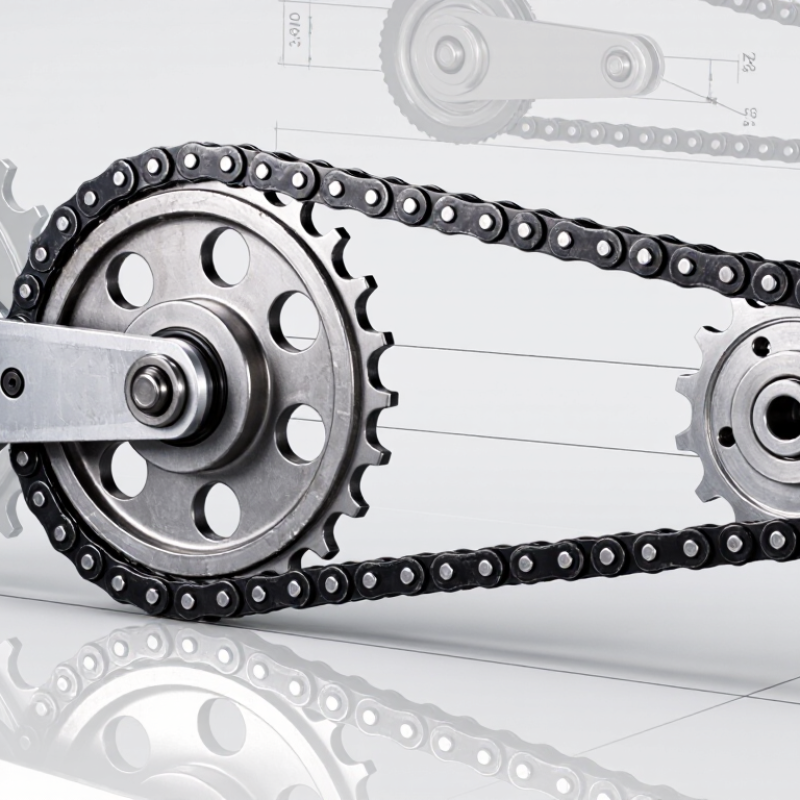
A chain drive can look simple: two sprockets, a length of chain, and steady movement. But even slight slack can cause noise, uneven wear, or a chain that jumps under load. A Chain Adjuster helps buyers set and maintain tension, making operation more predictable and routine inspections easier. The detail matters most in equipment that runs for long hours, carries changing loads, or operates where unexpected downtime is costly.

The U.S. Bureau of Labor Statistics reported 2.6 million nonfatal workplace injuries and illnesses in private industry for 2023. That figure does not prove that chain problems cause injuries; it does underline why equipment condition deserves careful attention. For technical selection, buyers can consult ANSI B29.1, which covers precision power-transmission roller chains and sprockets. Match the adjuster to the chain size, travel range, mounting space, and operating environment—not just the lowest purchase price.

A useful expert quotation would add context, but no verifiable named chain-drive specialist or source was provided for one. Inventing a quotation would weaken trust. The practical question remains: will the adjuster make tension checks repeatable, accessible, and compatible with the actual machine? Check the details before ordering. A few millimeters matter.
Why Do Buyers Need a Chain Adjuster?

What a Chain Adjuster Is and How It Works

A chain adjuster helps position a motorcycle’s rear axle so the drive chain has the correct slack. Many designs use threaded bolts or adjuster blocks at the ends of the swingarm. Turning the bolts moves the axle slightly; matching adjustments on both sides helps keep the wheel aligned. A skewed wheel can cause uneven chain wear and affect handling. Small parts matter. Use the slack measurement and checking position specified in the owner’s manual, rather than adjusting by guesswork.

Tips: Check axle diameter, swingarm style, and adjuster shape before buying. Inspect threads for damage and confirm both adjusters can be secured properly. The scale is useful, but it does not prove wheel alignment.

Buyers should check whether the part fits directly or requires matching hardware. Material and corrosion resistance matter, especially on bikes ridden in wet or gritty conditions. A poorly fitting adjuster may shift during tightening or make repeatable settings difficult. A neat-looking scale can be reassuring, but verify alignment using the vehicle’s specified method. Recheck chain slack after tightening the axle nut to the specified torque; tension can shift slightly.

Why Do Buyers Need a Chain Adjuster?

A chain adjuster moves the rear axle to set chain slack and helps keep the rear wheel aligned. Follow the motorcycle manufacturer’s service manual for the specified slack and axle torque.

How to read this chart: The bars show the order of the adjustment steps, not a universal chain-slack measurement. Measure slack as directed by the service manual, adjust both sides evenly, then recheck wheel alignment and slack before tightening to the specified torque.

How Chain Tension Affects Safety and Performance

A chain adjuster controls the rear wheel’s position, helping keep drive-chain slack within the motorcycle maker’s specified range. Too much slack can make the chain slap the swingarm or jump its sprocket. Too little can load the output-shaft and wheel bearings, especially as the suspension moves. Neither condition is harmless. Small movement matters.

Check slack at the point and under the conditions specified in the owner’s manual; suspension design changes the correct measurement. The Motorcycle Safety Foundation’s T-CLOCS inspection guidance includes checking drive-chain tension, lubrication, and wear. After adjustment, confirm wheel alignment rather than relying only on swingarm marks. Those marks are convenient, but they may not reveal every alignment error. A short test ride can expose a new noise, though it cannot replace a proper inspection.

NHTSA’s 2022 Traffic Safety Facts reports 6,218 motorcyclist deaths that year, representing 15 percent of all traffic fatalities. That figure does not link crashes to chain tension, but it shows why routine checks deserve care. A chain that feels “close enough” can still be outside specification. Recheck tension after tightening the axle, since the wheel may shift slightly. I would not assume the adjustment is correct just because both sides look even.

Why Buyers Need the Right Chain Adjuster

Why Buyers Need the Right Chain Adjuster

A chain adjuster helps set chain tension and keep the rear wheel aligned. The correct part matters because a poor fit can make accurate adjustment difficult. Fit comes first. Check the axle size, thread pitch, mounting style, and available adjustment range before buying. Product dimensions should match the measurements on your equipment, not just a similar-looking part.

A suitable adjuster lets you make small, controlled changes as the chain wears. Too much slack can cause chain noise or uneven movement; too little may place extra stress on the chain and sprockets. Make adjustments evenly on both sides, then check wheel alignment and chain tension using the equipment maker’s instructions. A ruler and good lighting can help, but markings alone may not tell the whole story.

Material and finish also deserve attention, especially if the equipment faces rain, road grit, or frequent washing. Look for clear specifications and inspect the adjuster for rough threads, bent edges, or loose hardware. A polished listing is not proof of quality. It is easy to focus on price and overlook fit; I would rather pause and verify one measurement than discover the mismatch during installation. Small parts matter.

Why Do Buyers Need a Chain Adjuster? - Why Buyers Need the Right Chain Adjuster

Buying Consideration What to Check Why It Matters Buyer’s Practical Action
Application and design Confirm whether the adjuster is intended for the specific motorcycle, bicycle, conveyor, or other chain-driven equipment. Mounting layouts and adjustment mechanisms differ between applications and equipment models. Check the equipment manual and the adjuster’s stated application before purchasing.
Mounting dimensions Compare axle or shaft diameter, mounting-hole locations, bracket shape, and available installation space. An adjuster that does not align with the mounting points may not install correctly or provide the required movement. Measure the existing setup and compare those measurements with the product drawing or specification.
Adjustment range Check the usable travel and whether it can accommodate the required chain-tension adjustment. Insufficient travel can prevent correct tensioning as the chain wears or the installation position changes. Follow the equipment manufacturer’s chain-slack or tension procedure; do not assume one range suits every setup.
Adjuster type Identify whether the design uses threaded adjuster bolts, sliding blocks, an eccentric mechanism, or a spring-loaded tensioner. Different designs suit different frames and operating conditions; they are not automatically interchangeable. Choose a mechanism compatible with the equipment layout and the adjustment method specified by its manufacturer.
Chain and sprocket alignment Check that the adjustment method allows the driven and driving sprockets to remain aligned. Misalignment can contribute to uneven chain and sprocket wear and may affect chain tracking. Use the alignment checks described in the service manual after adjustment.
Operating environment Consider exposure to water, dust, road debris, heat, vibration, or washdown. Environmental conditions influence material and corrosion-resistance requirements. Review the stated material and finish, and match them to the equipment’s actual environment.
Load and duty cycle Review the equipment’s operating load, speed, and frequency of use against the adjuster’s stated limits, if provided. An adjuster must be suitable for the forces and operating conditions of its application. Use manufacturer specifications for the equipment and adjuster; seek technical guidance when limits are unclear.
Installation and maintenance Check access for installation, adjustment, inspection, and any required locking hardware. Correct installation and periodic inspection help maintain the intended chain tension and secure fit. Follow the service instructions, use specified fasteners, and recheck tension as directed.

Important: Chain tension requirements and adjuster compatibility vary by equipment. Use the equipment manufacturer’s specifications rather than a universal tension value.

Key Features to Compare Before Buying

When comparing chain adjusters, start with fitment. Check that the design matches your motorcycle’s swingarm, axle diameter, and hardware. A part that looks close may still sit poorly or restrict axle movement. Fit comes first.

Next, compare the adjustment range and the clarity of its reference marks. Broad, readable marks help you make small changes, but they are not a substitute for measuring alignment. A ruler or alignment tool can reveal differences that painted lines hide. One detail is easy to overlook: identical marks on both sides do not always guarantee a straight rear wheel.

Material and finish matter, too. Steel can handle regular use, while aluminum may reduce weight; either choice depends on the design and intended riding conditions. Look for smooth threads, cleanly cut edges, and hardware that does not bind during adjustment. A gritty screw can make fine tension changes frustrating. Corrosion-resistant finishes are useful if the motorcycle often sees rain or road spray, though scratches can still expose the surface underneath. Check whether installation requires special tools, and confirm the chain’s slack using the motorcycle’s service instructions after adjustment. I would not judge an adjuster by appearance alone. A neat part can still be awkward to set.

How to Check Fit, Installation, and Maintenance

Before buying a chain adjuster, check how it mounts to the frame or swingarm. Compare the adjuster’s shape, bolt diameter, thread pitch, and usable travel with your existing hardware. Measure the available space near the axle; a part that looks close may still foul the wheel or brake components. Small differences matter. Check the vehicle’s service manual for the correct chain slack and adjustment method.

During installation, support the vehicle securely and loosen the axle nut before turning the adjusters. Move each side in small, even steps. Alignment marks are useful, but they can be inaccurate or hard to read. Measure from the swingarm pivot to the axle on both sides, or use a straightedge to check wheel alignment. Do not guess. Set chain slack to the specification in the manual, then tighten the axle to its stated torque. Recheck slack afterward, since tightening can shift the wheel.

For maintenance, inspect the adjuster threads, locknuts, and contact points for rust, cracks, or damaged threads. Keep threads clean, and apply a small amount of suitable grease where the manual permits. Avoid getting lubricant on the tire or braking surfaces. A measurement can look right and still hide uneven wear, so check chain condition and sprocket teeth during routine service. If an adjuster binds or the wheel will not align, stop and investigate rather than forcing it.

Article Source:

Copyright 2025 Fluidra S.A. | Created by BCM Marketing Agencia Privacy Policy Legal note | Cookie policy |

Technical cookies are strictly necessary for our website to work and you can navigate through it. These types of cookies are those that, for example, allow us to identify you, give you access to certain restricted parts of the page if necessary, or remember different options or services already selected by you, such as your privacy preferences. Therefore, they are activated by default, your authorization not being necessary in this regard. Through the configuration of your browser, you can block or alert the presence of this type of cookies, although such blocking will affect the proper functioning of the different functionalities of our website.


The analysis cookies allow us to study the navigation of the users of our website in general (for example, which sections of the page are the most visited, which services are used most and if they work correctly, etc.). From the statistical information on navigation on our website, we can improve both the operation of the page itself and the different services it offers. Therefore, these cookies do not have an advertising purpose, but only serve to make our website work better, adapting to our users in general. By activating them you will contribute to this continuous improvement. You can enable or disable these cookies by checking the corresponding box, being disabled by default.


Functionality cookies allow us to remember your preferences, to personalize certain characteristics and general options of our website, every time you access it (for example, the language in which the information is presented to you, the sections marked as favorites, your browser type, etc.) Therefore, this type of cookies does not have an advertising purpose, but by activating them you will improve the functionality of the website (for example, adapting to your type of browser) and the customization of it based on your preferences (for example, by presenting the information in the language that you have chosen in previous occasions), which will contribute to the ease, usability and comfort of our page during your navigation. You can enable or disable these cookies by checking the corresponding box, being disabled by default.


Advertising cookies allow us to manage the advertising spaces included in our website based on criteria such as the content shown or the frequency in which the ads are displayed. For example, if you have been shown the same ad several times on our website, and you have not shown a personal interest by clicking on it, it will not appear again. In summary, by activating this type of cookies, the advertising shown on our website will be more useful and diverse, and less repetitive. You can enable or disable these cookies by checking the corresponding box, being disabled by default.


Behavioral advertising cookies allow us to obtain information based on the observation of your browsing habits and behaviors on the web, in order to show you advertising content that best suits your personal tastes and interests. To understand it in a very simple way, we will give you a fictitious example: if your last searches on the web were related to suspense literature, we would show you advertising about suspense books. Therefore, activating this type of cookies, the advertising that we show you on our website will not be generic, but will be oriented to your searches, tastes and interests, therefore adjusting exclusively to you. You can enable or disable these cookies by checking the corresponding box, being disabled by default.
To understand it in a very simple way, we will give you a fictitious example: if your last searches on the web were related to suspense literature, we would show you advertising about suspense books. Therefore, activating this type of cookies, the advertising that we show you on our website will not be generic, but will be oriented to your searches, tastes and interests, therefore adjusting exclusively to you. You can enable or disable these cookies by checking the corresponding box, being disabled by default.

SAVE

We use our own and third-party cookies to ensure the proper functioning of the website and to analyse our services, improve your experience on our website and show you advertisements related to your interests according to profiling based on your browsing habits (e.g. websites visited). You can accept all cookies by clicking "ACCEPT" or set or reject them by clicking here. If you would like to know more about the use of cookies, please see our COOKIE POLICY.


ACCEPT ALL
Reject no essentials


