
Vinyl Silicone Resin Solvent is used to help dissolve or dilute compatible vinyl silicone resins, making them easier to mix and apply. In a coating workshop, that may mean adjusting a resin blend before brushing, spraying, or coating a small metal part. The solvent can also influence how the material flows and dries. Details matter.
Its role depends on the resin grade and the formulation. A solvent that works well in one product may cause poor mixing, uneven coverage, or an unsuitable drying rate in another. For that reason, manufacturers typically specify compatible solvents and recommended amounts. Check the product’s technical data sheet and safety data sheet before use, and test a small sample when changing the formulation. This is practical, not optional.
In suitable systems, solvent-assisted application can support thin, even coatings on components exposed to heat or demanding conditions. Yet the solvent itself does not guarantee performance. Resin chemistry, surface preparation, film thickness, and curing conditions all contribute to the final result. A smooth wet coat can still fail if the surface is oily or the cure is incomplete.
There is a limitation worth keeping in view: the word “solvent” can suggest a universal ingredient, but no single choice fits every vinyl silicone resin. Ventilation, careful handling, and the supplier’s instructions remain important. Even a small trial can reveal problems before a larger batch is prepared. And sometimes, the first formulation needs revision.
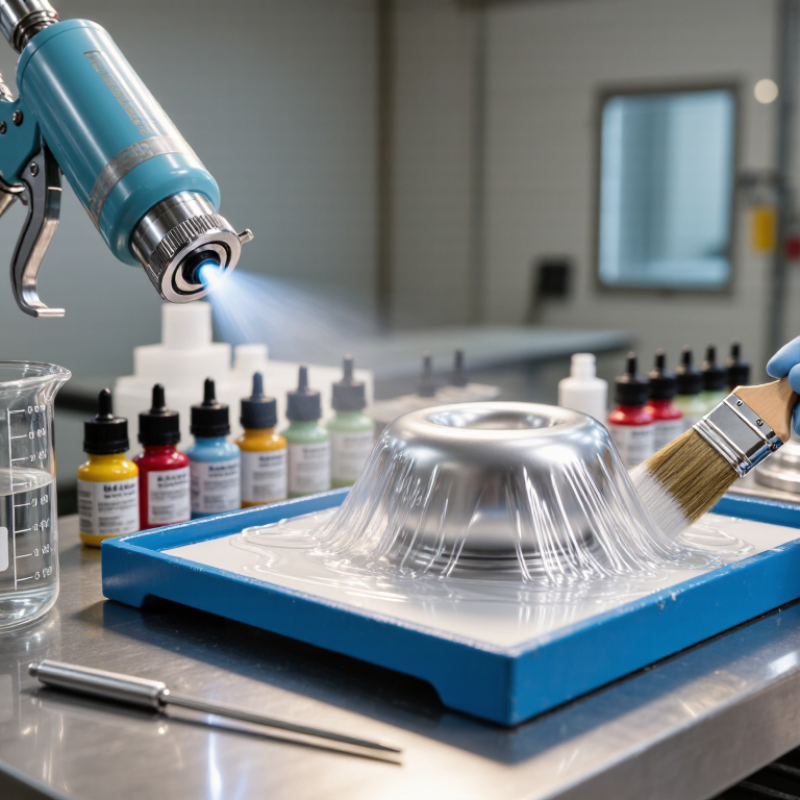
Vinyl silicone resin solvent is a liquid carrier used to dissolve or disperse vinyl-functional silicone resins. It helps create a smooth, workable coating before curing. The solvent does not usually become part of the final silicone network. Instead, it evaporates while heat or a catalyst supports crosslinking.
In practical use, formulators select solvents to control viscosity, flow, drying speed, and surface appearance. A suitable solvent can help the resin wet glass, metal, ceramic, or electronic components evenly. It may also reduce pinholes and uneven film thickness. Typical applications include heat-resistant coatings, electrical insulation, release coatings, and silicone-based adhesives. A technician may adjust the solvent level when a coating feels too thick on the mixing blade. Small changes matter.
Grand View Research valued the global silicone market at approximately USD 18.5 billion in 2023. Its market analysis also projects continued growth through the next decade, supported by construction, electronics, and transportation demand. This broader trend increases interest in vinyl silicone resin systems, although solvent performance still depends on resin structure and curing conditions. Solubility tests remain essential. A clear mixture can become hazy after storage, which signals possible incompatibility. Industry practice therefore checks viscosity, evaporation behavior, residue, and adhesion under actual production temperatures. The best solvent is not always the fastest evaporating one. That assumption deserves review.

Vinyl silicone resin solvent is used to reduce viscosity and improve handling. Its main role is physical, not chemical. The solvent surrounds resin molecules, helping them flow across a surface or through a coating system. This creates smoother films, more even wetting, and easier application with spraying, brushing, or dipping.
As the coating is applied, the solvent gradually evaporates. The resin then becomes more concentrated and forms a continuous silicone-rich layer. Evaporation speed matters. A fast solvent may cause dry spray, roughness, or trapped air. A slow solvent can extend drying time and attract dust. In practical testing, excessive solvent often causes shrinkage, weak coverage, or small bubbles. The resin may look perfect at first, but the cured film can reveal problems later. This is why compatibility, temperature, and humidity deserve attention.
Tips: Add solvent gradually, preferably by weight. Mix gently to avoid foam. Test a small batch on the actual substrate. Check viscosity after resting for several minutes. Use suitable ventilation and protective equipment. Do not assume a thinner designed for another silicone system will perform well. A simple drawdown test can reveal flow, leveling, and surface defects before larger production. Personally, I would not trust appearance alone; cured performance is the real measure.
Vinyl silicone resin solvent is mainly used to dissolve, dilute, and process vinyl silicone resin. It helps create a smooth, workable coating mixture. The solvent also controls viscosity during spraying, brushing, or dipping. This matters when a thin, even film is required.
Its main applications appear in heat-resistant protective coatings for metal parts, electrical components, and industrial surfaces. These coatings can improve insulation, weather resistance, and surface durability. The solvent supports uniform resin distribution before curing. It then evaporates under controlled drying conditions. In release coatings, it helps spread silicone resin across molds, films, and processing equipment. A properly adjusted mixture can reduce sticking and improve surface finish.
Formulators also use it in silicone-based adhesives and encapsulating materials. The right solvent can improve wetting around small gaps and complex shapes. However, solvent choice depends on resin structure, curing temperature, and application equipment. One solvent may produce excellent flow but dry too slowly. Another may evaporate quickly and leave surface defects. That trade-off is easy to underestimate. Practical testing should measure viscosity, drying time, adhesion, and final hardness. Safety checks are equally important, including ventilation, flash-point control, and the supplier’s safety documentation. A useful formulation is not always the fastest-drying one. Sometimes, slower evaporation gives technicians better control.
Vinyl silicone resin solvent is used in industries that formulate or apply silicone-based coatings, binders, and protective materials. In electrical manufacturing, it can help prepare resin solutions for insulating coatings on components and wiring. These coatings need to form an even film and tolerate heat during service. A solvent choice affects flow, drying time, and compatibility with other ingredients, so it should be tested with the actual resin grade.
Coatings manufacturers also use these solvents in heat-resistant finishes for metal parts, industrial equipment, and exhaust components. In construction and building-material production, silicone resin formulations may be used on mineral surfaces where water repellency or weather resistance is needed. The solvent helps adjust application properties, but it does not create those performance benefits by itself. Resin chemistry and curing conditions matter.
Some adhesive, composite, and specialty-material producers use vinyl silicone resin solutions during processing. They may apply them by spraying, brushing, or dipping, depending on the part and production line. Small trials are useful. A mixture that looks clear in a container can still dry unevenly on a real surface. That detail is easy to overlook. Manufacturers should check ventilation, substrate preparation, film thickness, and drying behavior before scaling up, since these factors can change the finished coating’s performance.
Selecting a solvent for vinyl silicone resin requires more than choosing the fastest evaporating liquid. The solvent should dissolve the resin evenly and maintain a stable, workable viscosity. Check compatibility with the resin’s vinyl groups, additives, pigments, and curing system. A poor match can cause haze, separation, bubbles, or uneven curing.
Start with a small laboratory trial. Mix slowly, then observe the solution after several hours. Watch for sediment, stringiness, or unexpected heat. The ideal solvent evaporates at a controlled rate. Fast evaporation may leave pinholes and dry edges, while slow evaporation can trap solvent inside the coating. Application method matters too. Spraying, dipping, and brushing may require different viscosity ranges. Measure viscosity instead of judging it only by appearance. That judgment is convenient, but sometimes wrong.
Handle the solvent in a well-ventilated area with suitable gloves, eye protection, and clean tools. Keep containers closed when not in use. Remove ignition sources, including hot surfaces and electrical sparks. Add solvent gradually to reduce splashing and sudden viscosity changes. Never reuse a contaminated solvent without testing it. Label every working container with its contents and date. Store it according to the current safety data sheet, away from heat and incompatible materials. Even experienced operators can overlook vapor buildup during routine mixing. A short ventilation check is worth the extra minute. Dispose of residues through an approved waste process, not a drain.

Cepex is the brand for the fluid handling market belonging to the Fluidra group. One of the leading european manufacturer of valves and fittings in thermoplastic materials.
Dedicated to the swimming pool, irrigation and industrial markets, we distribute our products worldwide with the Fluidra commercial network and presence in 46 countries with 136 sales branches.


