
What Is a Sheet Metal Top Cover?
FLUID HANDLING EXPERTS

Blog, all our news

What Is a Sheet Metal Top Cover?

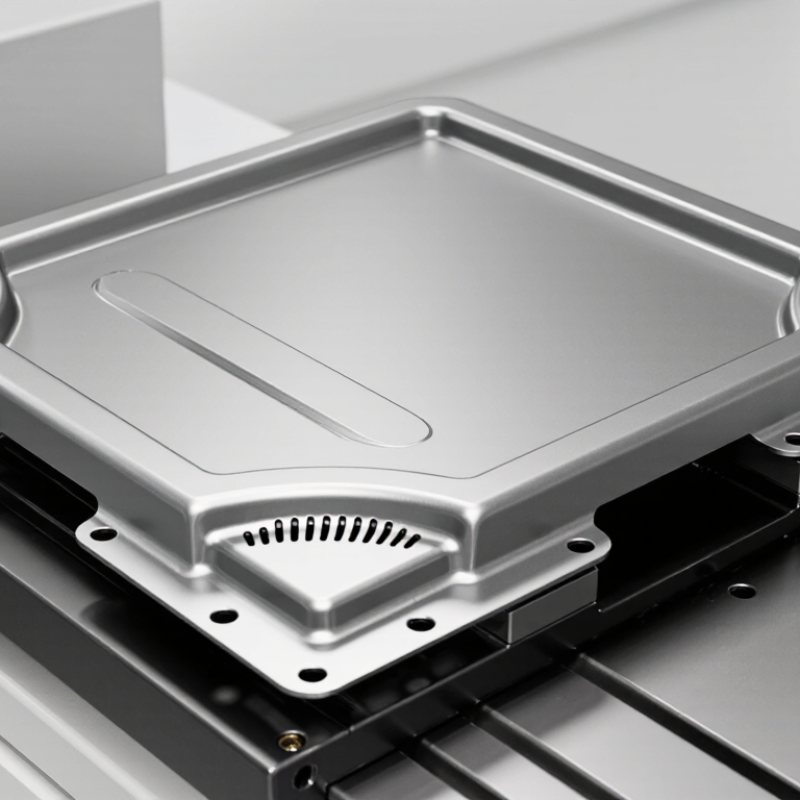
A Sheet Metal Top Cover is a formed metal panel that closes and protects the upper side of a machine, cabinet, or equipment enclosure. It can help keep out dust, limit accidental contact, and give an assembly a neat, finished appearance. The exact role depends on the product. Some covers are simple flat panels; others include flanges, bends, openings, or reinforcing features.

Material and geometry shape how a cover performs. Steel may suit applications needing strength, while aluminum can reduce weight. Thickness, bend angles, mounting holes, and edge details all affect fit and rigidity. Small details matter. A hole placed slightly off position can complicate assembly, and an unsupported wide panel may flex under pressure. Surface finishes also influence corrosion resistance and appearance, but the right choice depends on the operating environment.

Looks straightforward. It often is not.

Understanding a Sheet Metal Top Cover means looking beyond its outline. Designers and fabricators consider access for maintenance, nearby components, ventilation needs, fastening methods, and manufacturing tolerances. A cover should fit securely without obstructing cables or moving parts. It should also be practical to remove when inspection or repair is required. These requirements can vary between products, so dimensions and material choices should be checked against the actual application rather than copied from a generic example. Even a well-made cover may need adjustment when real assembly conditions differ from the drawing. That is worth remembering. This guide introduces common cover features, materials, fabrication considerations, and selection factors, helping readers ask more useful questions before specifying or ordering a part.
What Is a Sheet Metal Top Cover?

What a Sheet Metal Top Cover Is and How It Is Defined

A sheet metal top cover is a formed panel that closes the upper side of an enclosure or equipment assembly. It helps shield internal parts from dust, accidental contact, and everyday handling. The term describes its position and function, not one fixed shape. Some covers are flat. Others include raised edges, vents, access openings, or folded flanges.

A clear definition also describes how the cover fits the larger assembly. Its dimensions, material thickness, edge returns, and mounting points affect fit and stiffness. For example, a drawing may show a 1.2 mm steel panel with four bent flanges and holes for fasteners. That detail is more useful than calling it simply a lid. The required finish and openings depend on the equipment and its surroundings. A cover that looks simple can still be tricky to manufacture or install.

Tips: Check the drawing for bend directions, hole locations, and clearance around cables or components. Confirm whether the cover needs ventilation or a surface finish. Small details matter. One missed flange can prevent a neat fit. A definition may need revision after a prototype reveals an awkward edge or tight clearance.

Common Materials and Design Features

What Is a Sheet Metal Top Cover?
Common Materials and Design Features

A sheet metal top cover is a formed panel that shields equipment from dust, water, and accidental contact. It may also stiffen an enclosure or provide mounting points. The right material depends on the setting: indoor electrical cabinet, damp workshop, or outdoor machinery. A cover that looks simple can still be difficult to fit.

Galvanized steel is a practical choice where cost and basic corrosion resistance matter. Stainless steel suits humid or washdown areas, while aluminum keeps weight low. The Aluminum Association’s report Aluminum: The Element of Sustainability states that recycling aluminum uses about 95% less energy than producing primary aluminum. worldsteel reports that steel recycling saves substantial energy and raw materials; its figures support considering service life and recyclability, not just purchase price.

Design details affect real performance. Folded hems soften sharp edges and strengthen broad panels. Flanges help the cover sit squarely, while louvers can aid airflow. Add drainage paths where rain or cleaning water might collect. Keep fasteners accessible for maintenance. Small gaps matter. I have seen drawings that specify a material but overlook dissimilar-metal contact or trapped moisture. That is easy to miss. Check the finished cover against the actual enclosure, not only the drawing.

How Sheet Metal Top Covers Are Made

What Is a Sheet Metal Top Cover?

How Sheet Metal Top Covers Are Made

A sheet metal top cover is a formed panel that shields the upper side of equipment or an enclosure. Its shape may include flanges, ventilation openings, mounting holes, or folded edges. Making one starts with a drawing that defines dimensions, material thickness, and required clearances. Designers often use flat-pattern software to estimate how bends will affect the finished part. Estimates still need checking against the actual material and tooling.

The sheet is cut to shape using laser cutting, punching, or shearing. A press brake then forms the flanges along marked bend lines. For covers with several bends, the bend sequence matters: an early fold can block access to a later one. Edges are deburred to remove sharp burrs, and holes or slots are checked for position. Parts may then be joined, cleaned, and finished with coating or paint, depending on their intended environment. Inspection should include fit, dimensions, and visible surface defects. Small bend errors can accumulate, so a first-piece check is practical, not paperwork.

Tips: Confirm hole locations and clearances before cutting. Ask for a sample when fit is critical. A drawing can look precise and still miss a real assembly issue.

Key Functions and Typical Applications

A sheet metal top cover is the upper panel fitted over an enclosure, machine, or equipment frame. It shields internal parts from dust, accidental contact, and light impacts. Depending on its shape, it can also keep rain from collecting near openings or seams. A folded edge adds stiffness, while screw holes or clips make the panel easier to remove for inspection. Small details matter.

In electrical cabinets, top covers help protect wiring and control components. On industrial machines, they keep debris away from moving parts and provide a surface for guards or cable entries. HVAC equipment may use formed covers to direct airflow or protect internal assemblies outdoors. Thickness, material, coating, and fastening method should match the environment and the expected loads. A thin panel may flex or vibrate; a heavy one can add cost and make servicing awkward. Not always obvious.

Fit is just as important as strength. A poorly aligned cover can leave gaps, rub against nearby parts, or trap water at a joint. Drainage, ventilation, and access requirements may compete, so the design often involves trade-offs. In practice, checking clearances on the actual assembly can reveal issues that a drawing misses. One overlooked corner can make routine maintenance harder.

How to Select and Maintain a Top Cover

A sheet metal top cover protects equipment from dust, drips, and accidental contact. Its performance depends on more than the metal itself. Consider the installation environment, required clearance, and exposure to moisture or heat. Stainless steel may suit damp areas, while coated steel can work well indoors. Check the cover’s thickness and folded edges; both affect stiffness and safe handling. A precise fit matters, but access for inspection matters too.

Tips: Measure the opening at several points. Allow space for cables and airflow. Use compatible fasteners, and avoid overtightening them. Small details are easy to miss.

Keep the cover clean with a soft cloth and a mild cleaner suited to its finish. Dry it afterward, especially around seams and screw holes. Inspect for loose fasteners, chipped coating, sharp edges, or trapped water. Repair damaged finishes early to help limit corrosion. I have found that covers often look fine from above while rust begins underneath. That is worth checking. Avoid abrasive pads unless the finish guidance permits them, since scratches can expose bare metal. If the cover rattles, shifts, or blocks ventilation, correct the fit before continued use.

What Is a Sheet Metal Top Cover?

A top cover is a formed sheet-metal panel that protects equipment or an enclosure from contact, dust, and other environmental exposure. Choosing a suitable thickness depends on the cover’s size, support, loads, material, and operating environment.

Approximate U.S. standard-gauge thicknesses for steel sheet. Gauge-to-thickness values vary by material and standard; confirm the specified thickness with the supplier. For maintenance, inspect the cover regularly for corrosion, dents, loose fasteners, and damaged seals.

Copyright 2025 Fluidra S.A. | Created by BCM Marketing Agencia Privacy Policy Legal note | Cookie policy |

Technical cookies are strictly necessary for our website to work and you can navigate through it. These types of cookies are those that, for example, allow us to identify you, give you access to certain restricted parts of the page if necessary, or remember different options or services already selected by you, such as your privacy preferences. Therefore, they are activated by default, your authorization not being necessary in this regard. Through the configuration of your browser, you can block or alert the presence of this type of cookies, although such blocking will affect the proper functioning of the different functionalities of our website.


The analysis cookies allow us to study the navigation of the users of our website in general (for example, which sections of the page are the most visited, which services are used most and if they work correctly, etc.). From the statistical information on navigation on our website, we can improve both the operation of the page itself and the different services it offers. Therefore, these cookies do not have an advertising purpose, but only serve to make our website work better, adapting to our users in general. By activating them you will contribute to this continuous improvement. You can enable or disable these cookies by checking the corresponding box, being disabled by default.


Functionality cookies allow us to remember your preferences, to personalize certain characteristics and general options of our website, every time you access it (for example, the language in which the information is presented to you, the sections marked as favorites, your browser type, etc.) Therefore, this type of cookies does not have an advertising purpose, but by activating them you will improve the functionality of the website (for example, adapting to your type of browser) and the customization of it based on your preferences (for example, by presenting the information in the language that you have chosen in previous occasions), which will contribute to the ease, usability and comfort of our page during your navigation. You can enable or disable these cookies by checking the corresponding box, being disabled by default.


Advertising cookies allow us to manage the advertising spaces included in our website based on criteria such as the content shown or the frequency in which the ads are displayed. For example, if you have been shown the same ad several times on our website, and you have not shown a personal interest by clicking on it, it will not appear again. In summary, by activating this type of cookies, the advertising shown on our website will be more useful and diverse, and less repetitive. You can enable or disable these cookies by checking the corresponding box, being disabled by default.


Behavioral advertising cookies allow us to obtain information based on the observation of your browsing habits and behaviors on the web, in order to show you advertising content that best suits your personal tastes and interests. To understand it in a very simple way, we will give you a fictitious example: if your last searches on the web were related to suspense literature, we would show you advertising about suspense books. Therefore, activating this type of cookies, the advertising that we show you on our website will not be generic, but will be oriented to your searches, tastes and interests, therefore adjusting exclusively to you. You can enable or disable these cookies by checking the corresponding box, being disabled by default.
To understand it in a very simple way, we will give you a fictitious example: if your last searches on the web were related to suspense literature, we would show you advertising about suspense books. Therefore, activating this type of cookies, the advertising that we show you on our website will not be generic, but will be oriented to your searches, tastes and interests, therefore adjusting exclusively to you. You can enable or disable these cookies by checking the corresponding box, being disabled by default.

SAVE

We use our own and third-party cookies to ensure the proper functioning of the website and to analyse our services, improve your experience on our website and show you advertisements related to your interests according to profiling based on your browsing habits (e.g. websites visited). You can accept all cookies by clicking "ACCEPT" or set or reject them by clicking here. If you would like to know more about the use of cookies, please see our COOKIE POLICY.


ACCEPT ALL
Reject no essentials


