
What Are the Top Types of Power Generators?
FLUID HANDLING EXPERTS

Blog, all our news

What Are the Top Types of Power Generators?

Power Generators support homes, hospitals, construction sites, farms, and critical communication systems. They convert mechanical energy into usable electrical power during outages or in locations without reliable grid access. However, choosing the right generator requires more than comparing wattage and price.

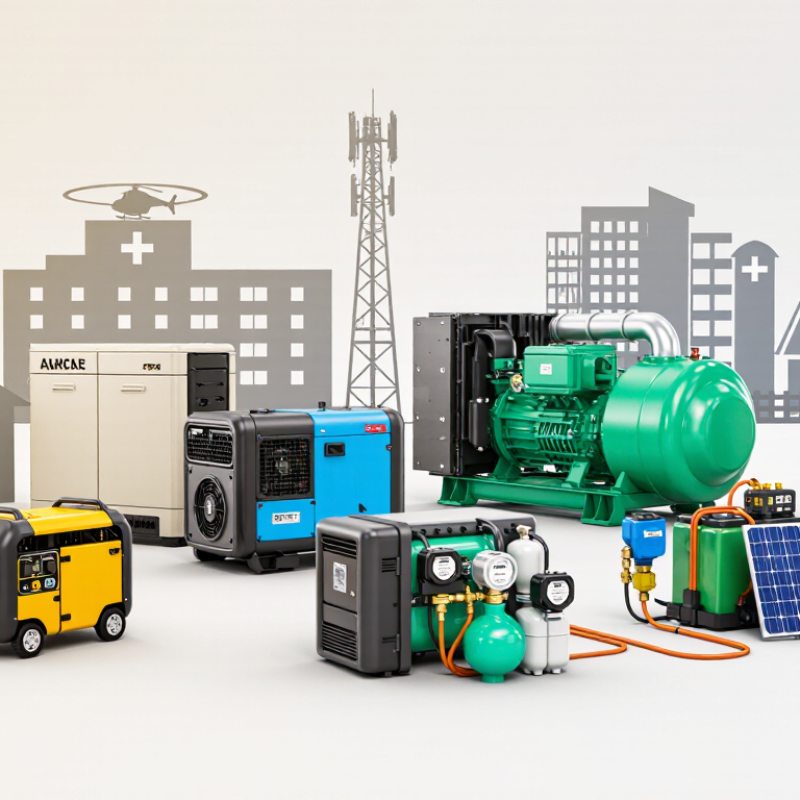
Michael Faraday, whose experiments helped shape modern electrical generation, wrote, “Nothing is too wonderful to be true, if it be consistent with the laws of nature.” His words remain relevant when evaluating generator design, fuel use, and operating limits. Portable inverter generators offer quiet, stable electricity for sensitive electronics and outdoor work. Conventional portable models provide greater output at a lower purchase cost, though they may produce more noise. Standby generators activate automatically when utility power fails. They are common in homes, clinics, offices, and data facilities. Industrial diesel generators deliver dependable prime or emergency power under demanding conditions. Natural-gas and dual-fuel systems can reduce fuel-storage concerns, but availability and pressure requirements matter.

No single type fits every site. That is the difficult part. A small inverter unit may fail under a large motor’s starting surge. A powerful diesel set may be wasteful for occasional household use. Hybrid systems that combine batteries, solar input, and generators can reduce runtime, yet their controls require careful installation. Real-world experience also exposes overlooked details, including ventilation, weather protection, maintenance access, noise limits, and fuel quality. This guide compares the top types of Power Generators through practical performance, reliability, efficiency, and application needs. Some recommendations may change with climate, load profile, and local standards. That uncertainty deserves attention.
What Are the Top Types of Power Generators?

What Is a Power Generator and How Are Its Types Classified?

A power generator converts mechanical energy into electrical energy. An engine, turbine, or another prime mover drives an alternator inside the unit. The alternator produces electricity when magnetic fields and conductors interact. In simple terms, the generator creates power rather than storing it like a battery. A fuel tank, control panel, cooling system, and protective frame support this process.

Generators are commonly classified by fuel, output, mobility, and operating purpose. Diesel and natural-gas models often serve buildings, workshops, and emergency systems. Gasoline units are usually lighter and suit short-term, portable use. Some systems use renewable inputs, such as flowing water or sunlight, although their designs differ from engine-driven generators. Portable generators can be moved by hand or wheels. Standby generators remain installed and start automatically during an outage. Prime-power generators operate for longer periods in locations without reliable grid access.

Output also shapes classification. Single-phase units suit many household tools, while three-phase systems support larger motors and commercial equipment. Inverter generators provide cleaner, more stable electricity for sensitive electronics. Conventional alternators can handle demanding loads, but their voltage may vary more. The categories can overlap, which makes quick comparisons unreliable. A portable unit may use an inverter system, while a standby model may run on gas. I have seen buyers focus on maximum wattage and overlook starting current, ventilation, and maintenance access. That mistake can leave a refrigerator or pump unable to start when it matters.

How Do Portable Generators Meet Temporary Power Needs?

Portable generators are useful when power is needed for hours or days, not permanently. They support repair crews, outdoor events, small workshops, and homes during short outages.

In practice, their value comes from flexibility. A wheeled unit can move across a driveway, while a compact inverter model suits sensitive electronics. The right choice depends on required wattage, fuel access, runtime, and acceptable noise.

Before renting or buying, list every intended load. A refrigerator may need extra starting power, even when its running demand looks modest. Add the wattages, then allow a sensible reserve instead of operating at full capacity. Keep it dry. Place the generator outdoors, far from doors and windows, with exhaust directed away from occupied spaces. Never connect it to a wall outlet. A properly installed transfer switch should be handled by a qualified electrician.

I once underestimated extension-cord losses at a temporary work area. The lights worked, but a tool stalled under load. That mistake showed why cable length, gauge, and weather rating deserve attention. Noise matters. In a residential setting, a quieter inverter generator may protect conversations and sleep, though it can cost more and may not run heavy equipment well. Refuel only after shutdown and cooling. Check oil, inspect cords, and test the unit before an emergency. A practical plan is rarely perfect; changing weather, fuel limits, and unexpected loads can expose weak assumptions.

What Makes Standby Generators Suitable for Backup Power?

Standby generators are designed to restore electricity when the utility supply fails. They monitor incoming power continuously. Within seconds, an automatic transfer switch can move selected circuits to generator power. This makes them practical for hospitals, offices, warehouses, and homes with critical equipment. Portable generators offer flexibility, but they require manual setup, fuel handling, and weather protection. Standby systems are less convenient to install, yet they deliver faster and more consistent protection.

The Uptime Institute’s 2024 Annual Outage Analysis reported that 54% of surveyed organizations experienced an outage costing over $100,000. That figure shows why backup planning deserves more than a purchase decision. A properly sized generator can support refrigeration, pumps, security systems, or medical equipment. However, it cannot safely power every building circuit without careful load analysis. Fuel quality, ventilation, battery condition, and transfer-switch testing also affect reliability. In practice, maintenance failures remain an uncomfortable weakness. The equipment may be ready, but the surrounding system may not be.

Tips: Calculate starting loads, not only running watts. Test the generator under realistic demand. Schedule professional inspections and keep service records. Check local installation and emissions requirements before commissioning. The U.S. Energy Information Administration also notes that power interruptions vary widely by region and year, so risk assessments should use local outage data. Planning for a rare event is difficult. Ignoring it can be expensive.

How Do Inverter Generators Differ from Conventional Models?

Inverter generators differ from conventional models mainly through power conversion. A conventional unit sends alternator output directly to appliances. Its engine often runs at a fixed speed, producing more noise and fuel waste during light loads. An inverter model first creates high-frequency electricity. It then converts that power into a stable AC supply. This produces cleaner sine-wave output for laptops, medical equipment, and sensitive chargers.

The U.S. Department of Energy’s generator guidance explains that inverter engines can slow down when demand falls. That feature usually reduces noise and fuel consumption. The difference is noticeable beside a campsite or during nighttime backup. However, inverter models often cost more and provide less peak power. The 2024 Portable Generator Market analysis from Grand View Research reports continued growth in residential backup demand. That trend reflects a practical concern: households need dependable power, not only maximum wattage. The U.S. Energy Information Administration reported average residential electricity use of about 899 kilowatt-hours monthly in 2022. Yet a generator should not be sized for an entire month’s consumption. That would be wasteful.

Tips: List essential loads before buying. Add starting watts for refrigerators and pumps. Check the generator’s rated watts, not only its peak figure. Keep the unit outdoors, far from doors and windows. A transfer switch should be installed by a qualified electrician. I have seen users overlook cable length and weather protection. That small mistake can reduce performance quickly.

When Are Industrial, Solar, and Hybrid Generators Most Useful?

What Are the Top Types of Power Generators?

Industrial generators are most useful when failure is expensive or dangerous. Hospitals, factories, construction sites, and data centers need steady backup power. They can run for long periods and support heavy equipment. The International Energy Agency reported that data centers used about 460 terawatt-hours of electricity globally in 2022. Demand could exceed 1,000 terawatt-hours by 2026. That pressure makes dependable standby systems more important. Fuel storage, ventilation, noise, and maintenance still require careful planning. The biggest unit is not always the best choice.

Solar generators work well where sunlight is reliable and loads are moderate. They suit remote monitoring stations, farms, emergency shelters, and daytime commercial use. The IEA’s Renewables 2024 report expects solar photovoltaic power to provide nearly 80% of renewable capacity growth through 2030. Solar systems produce no onsite exhaust. However, clouds and nighttime demand remain practical weaknesses. Battery capacity must match real usage, not optimistic estimates.

Tips: Hybrid generators combine solar, batteries, and an industrial generator. They are useful on remote sites, temporary projects, and facilities with changing loads. Solar can handle light demand, while the generator covers peaks or poor weather. Field assessments should measure load profiles for several days. That step is often skipped. Poor sizing causes wasted fuel, battery stress, or unreliable backup. The U.S. Department of Energy also advises evaluating efficiency, storage, and operational conditions together before selecting a system.

Top Types of Power Generators and When They Are Most Useful

Solar-battery generators are best suited to portable, quiet, and low-power applications. Hybrid generators are useful when fuel savings, renewable energy integration, and reliable backup power are all important. Industrial diesel generators are most suitable for high-demand facilities, construction sites, hospitals, and long-duration emergency power.

Copyright 2025 Fluidra S.A. | Created by BCM Marketing Agencia Privacy Policy Legal note | Cookie policy |

Technical cookies are strictly necessary for our website to work and you can navigate through it. These types of cookies are those that, for example, allow us to identify you, give you access to certain restricted parts of the page if necessary, or remember different options or services already selected by you, such as your privacy preferences. Therefore, they are activated by default, your authorization not being necessary in this regard. Through the configuration of your browser, you can block or alert the presence of this type of cookies, although such blocking will affect the proper functioning of the different functionalities of our website.


The analysis cookies allow us to study the navigation of the users of our website in general (for example, which sections of the page are the most visited, which services are used most and if they work correctly, etc.). From the statistical information on navigation on our website, we can improve both the operation of the page itself and the different services it offers. Therefore, these cookies do not have an advertising purpose, but only serve to make our website work better, adapting to our users in general. By activating them you will contribute to this continuous improvement. You can enable or disable these cookies by checking the corresponding box, being disabled by default.


Functionality cookies allow us to remember your preferences, to personalize certain characteristics and general options of our website, every time you access it (for example, the language in which the information is presented to you, the sections marked as favorites, your browser type, etc.) Therefore, this type of cookies does not have an advertising purpose, but by activating them you will improve the functionality of the website (for example, adapting to your type of browser) and the customization of it based on your preferences (for example, by presenting the information in the language that you have chosen in previous occasions), which will contribute to the ease, usability and comfort of our page during your navigation. You can enable or disable these cookies by checking the corresponding box, being disabled by default.


Advertising cookies allow us to manage the advertising spaces included in our website based on criteria such as the content shown or the frequency in which the ads are displayed. For example, if you have been shown the same ad several times on our website, and you have not shown a personal interest by clicking on it, it will not appear again. In summary, by activating this type of cookies, the advertising shown on our website will be more useful and diverse, and less repetitive. You can enable or disable these cookies by checking the corresponding box, being disabled by default.


Behavioral advertising cookies allow us to obtain information based on the observation of your browsing habits and behaviors on the web, in order to show you advertising content that best suits your personal tastes and interests. To understand it in a very simple way, we will give you a fictitious example: if your last searches on the web were related to suspense literature, we would show you advertising about suspense books. Therefore, activating this type of cookies, the advertising that we show you on our website will not be generic, but will be oriented to your searches, tastes and interests, therefore adjusting exclusively to you. You can enable or disable these cookies by checking the corresponding box, being disabled by default.
To understand it in a very simple way, we will give you a fictitious example: if your last searches on the web were related to suspense literature, we would show you advertising about suspense books. Therefore, activating this type of cookies, the advertising that we show you on our website will not be generic, but will be oriented to your searches, tastes and interests, therefore adjusting exclusively to you. You can enable or disable these cookies by checking the corresponding box, being disabled by default.

SAVE

We use our own and third-party cookies to ensure the proper functioning of the website and to analyse our services, improve your experience on our website and show you advertisements related to your interests according to profiling based on your browsing habits (e.g. websites visited). You can accept all cookies by clicking "ACCEPT" or set or reject them by clicking here. If you would like to know more about the use of cookies, please see our COOKIE POLICY.


ACCEPT ALL
Reject no essentials


