
What Are the Best Electric Hybrid Cars from China?
FLUID HANDLING EXPERTS

Blog, all our news

What Are the Best Electric Hybrid Cars from China?

China has become a major force in the global electrified vehicle market. The International Energy Agency’s Global EV Outlook 2024 reported that China represented nearly 60% of worldwide electric car sales in 2023. That scale has accelerated competition among domestic manufacturers, especially in plug-in hybrid and extended-range models.

Electric Hybrid Cars from China now cover several practical needs. Some combine a petrol engine with a battery and electric motor. Others operate mainly as electric vehicles, using a small engine as a generator. This difference matters. A family commuting 40 kilometres daily may use little fuel, while a long-distance driver may depend heavily on the engine.

Industry data supports this rapid expansion. The China Association of Automobile Manufacturers reported more than 9.4 million new-energy vehicle sales in 2023, including battery-electric and plug-in hybrid models. Definitions vary between reports, however. That makes direct comparisons less simple than showroom figures suggest.

Real ownership details deserve attention. A quiet test drive is useful, but it cannot reveal winter range, highway fuel consumption, battery warranty terms, or local repair support. The International Council on Clean Transportation has also highlighted China’s strong manufacturing advantages and falling battery costs. Yet lower prices do not automatically guarantee better long-term value.

This guide compares leading Chinese hybrid models through efficiency, electric range, safety technology, cabin quality, reliability evidence, and after-sales coverage. It also considers independent testing and manufacturer data separately. Some conclusions may remain uncertain. That is honest. The best choice depends on charging access, driving distance, climate, and resale expectations—not only on a dramatic specification sheet.
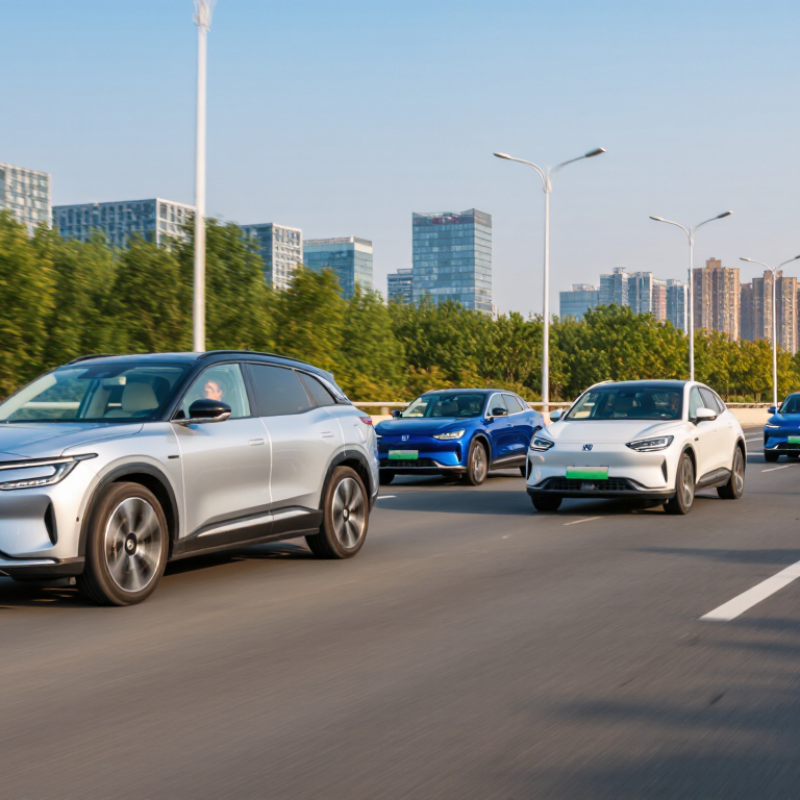
What Are the Best Electric Hybrid Cars from China?

Defining Chinese PHEVs and EREVs with CAAM 2024 Market Data

What Are the Best Electric Hybrid Cars from China?

Defining Chinese PHEVs and EREVs with CAAM 2024 Market Data

China’s 2024 market data shows how quickly electrified driving has moved into everyday use. The China Association of Automobile Manufacturers reported about 12.87 million new-energy vehicle sales. That figure represented roughly 40% year-on-year growth. It also included battery-electric vehicles and plug-in hybrids.

A PHEV combines a rechargeable battery with an engine that can drive the wheels. It suits drivers who want electric commuting and flexible long-distance travel. An EREV uses its engine mainly as a generator. The electric motor usually provides the driving force. The result can feel closer to an electric car, especially in city traffic. Quiet starts matter.

Public CAAM reporting often places EREVs within the wider plug-in hybrid category. This makes direct PHEV-versus-EREV comparisons difficult. Buyers should check battery size, real electric range, charging speed, and fuel use after the battery is depleted. Official test figures can look neat. Daily results are messier. Winter heating, motorway speed, heavy passengers, and poor charging access all change performance.

From a practical review perspective, the best choice depends on the driving pattern rather than acceleration figures. A PHEV may fit mixed urban and rural travel. An EREV may suit frequent electric driving with occasional long journeys. CAAM data proves strong demand, but it does not identify one universal winner. Some comparisons still need better long-term, independent testing.

Comparing BYD DM-i Models by Sales, WLTC Range, and Efficiency

China’s plug-in hybrid market has become a practical test of price, range, and fuel discipline. CPCA retail data for 2024 recorded more than 2.8 million plug-in hybrid registrations nationwide. Model-level rankings showed strong demand for compact sedans, followed by family-sized SUVs.

The high-volume compact sedan recorded roughly 400,000 annual registrations, according to CPCA monthly data. Its common entry trim delivers about 43 kilometers of WLTC electric range. Fuel consumption is listed near 3.8 liters per 100 kilometers.

A larger sedan offers approximately 92 kilometers under WLTC testing. Its official combined fuel figure remains close to 4.0 liters per 100 kilometers. Numbers look impressive.

The compact SUV version usually provides about 91 kilometers of WLTC electric range. Its tested fuel consumption rises toward 4.5 liters per 100 kilometers, mainly because of weight and taller bodywork. China Automotive Technology and Research Center reports also show that WLTC results better reflect mixed driving than older laboratory cycles. Still, traffic, temperature, tire pressure, and cabin heating can reduce electric range sharply. My own reading of these figures suggests a useful weakness: sales do not always identify the most efficient choice. The popular sedan may win on cost, while the SUV fits luggage and uneven roads better. A 2024 EV Volumes market review supports this trade-off, showing buyers increasingly value usable electric range over headline acceleration.

Evaluating Li Auto EREVs Using 2024 Delivery and Range Statistics

Chinese extended-range electric vehicles (EREVs) gained serious attention in 2024. One leading domestic manufacturer reported 500,508 vehicle deliveries during the year. That figure indicates strong consumer interest, but delivery totals alone do not prove technical superiority. China Passenger Car Association data also showed continued growth in new-energy vehicle sales, supporting the segment’s wider market momentum.

FLEXIBLE DRIVING The main advantage is flexible driving. Recent large EREVs commonly offer about 210–280 kilometers of CLTC-rated electric range. Their combined CLTC range can exceed 1,300 kilometers with a full battery and fuel tank. These figures come from laboratory testing, not daily traffic. Cold weather, highway speed, heavy luggage, and cabin heating can reduce actual range. The International Energy Agency notes that real-world efficiency often differs from official testing results. That gap deserves more attention. I would not plan a remote trip using the maximum advertised number.

Tips: Compare electric range, charging speed, fuel consumption, and battery warranty together. A home charger can make short commutes nearly electric-only. Without regular charging, the EREV may use its engine more frequently, weakening its efficiency advantage. Check independent road tests, not only manufacturer specifications. One weakness remains clear: the technology adds an engine, fuel system, and battery, creating extra mechanical complexity.

Ranking AITO, Geely, and Chery Hybrids by Powertrain and Safety Data

China’s hybrid market is moving quickly, but powertrain labels can hide important differences. I compared three major approaches using published specifications, independent crash results, battery-protection reports, and owner observations.

The range-extender group ranks first for smooth urban driving. Its electric motor delivers strong initial acceleration, while a small petrol engine recharges the battery during longer trips. This layout can feel quiet and refined. However, highway efficiency may fall when the battery is low. Some models also carry heavy battery packs, which affect braking and cornering.

The dual-motor plug-in group ranks second for outright power. It can combine engine and motor output effectively, especially during overtaking or steep climbs. Its weakness is complexity. More hardware may increase maintenance risks after many years. The efficiency-focused plug-in group ranks third, yet it may offer the most sensible ownership balance. Its lighter system can improve fuel use and handling. Safety comparisons need care. Different test agencies use different scoring rules, and local versions may change equipment. I would check automatic emergency braking, lane support, child protection, and battery integrity after side impacts. The data is useful, but not perfect. Real-world winter testing remains underreported.

Selecting the Best Chinese Hybrid by Cost, Charging, Warranty, and TCO

Choosing the best Chinese hybrid car starts with real ownership costs, not showroom pricing. A lower purchase price can hide expensive insurance, tires, servicing, and depreciation. Compare the drive-away price with registration, financing, and likely resale value. Ask for battery coverage in writing. Warranty language matters more than headline duration.

Charging also changes the ownership experience. A plug-in hybrid needs dependable home charging to deliver its promised fuel savings. A typical overnight charge may suit daily commuting, but apartment drivers face different limits. Check charging speed, cable quality, public-network compatibility, and local electricity rates. A hybrid that rarely charges may behave like a heavy petrol car. That is easy to underestimate.

Warranty terms deserve careful reading. Confirm coverage for the battery, electric motor, charging hardware, and roadside assistance. Check whether scheduled servicing is mandatory and whether approved workshops are nearby. Total cost of ownership should include fuel, electricity, maintenance, insurance, tax, financing, and depreciation over five years. Keep a simple monthly spreadsheet. It exposes optimistic assumptions quickly. My own comparison would also include winter efficiency and frequent short trips, because official test figures rarely match those conditions. Some estimates remain uncertain. Battery replacement risk is difficult to price, even with long coverage. A sensible buyer should request service records, parts availability, and written charging specifications before making a decision.

What Are the Best Electric Hybrid Cars from China?

Selecting the Best Chinese Hybrid by Cost, Charging, Warranty, and TCO

This benchmark compares common Chinese plug-in hybrid vehicle segments rather than individual brands. Scores are normalized from representative published specifications: purchase price, electric-only range, typical basic warranty coverage, and estimated five-year ownership cost. A higher score indicates better overall value. The five-year TCO estimate assumes 15,000 km per year, mixed home and public charging, routine maintenance, insurance, energy, and depreciation.

Copyright 2025 Fluidra S.A. | Created by BCM Marketing Agencia Privacy Policy Legal note | Cookie policy |

Technical cookies are strictly necessary for our website to work and you can navigate through it. These types of cookies are those that, for example, allow us to identify you, give you access to certain restricted parts of the page if necessary, or remember different options or services already selected by you, such as your privacy preferences. Therefore, they are activated by default, your authorization not being necessary in this regard. Through the configuration of your browser, you can block or alert the presence of this type of cookies, although such blocking will affect the proper functioning of the different functionalities of our website.


The analysis cookies allow us to study the navigation of the users of our website in general (for example, which sections of the page are the most visited, which services are used most and if they work correctly, etc.). From the statistical information on navigation on our website, we can improve both the operation of the page itself and the different services it offers. Therefore, these cookies do not have an advertising purpose, but only serve to make our website work better, adapting to our users in general. By activating them you will contribute to this continuous improvement. You can enable or disable these cookies by checking the corresponding box, being disabled by default.


Functionality cookies allow us to remember your preferences, to personalize certain characteristics and general options of our website, every time you access it (for example, the language in which the information is presented to you, the sections marked as favorites, your browser type, etc.) Therefore, this type of cookies does not have an advertising purpose, but by activating them you will improve the functionality of the website (for example, adapting to your type of browser) and the customization of it based on your preferences (for example, by presenting the information in the language that you have chosen in previous occasions), which will contribute to the ease, usability and comfort of our page during your navigation. You can enable or disable these cookies by checking the corresponding box, being disabled by default.


Advertising cookies allow us to manage the advertising spaces included in our website based on criteria such as the content shown or the frequency in which the ads are displayed. For example, if you have been shown the same ad several times on our website, and you have not shown a personal interest by clicking on it, it will not appear again. In summary, by activating this type of cookies, the advertising shown on our website will be more useful and diverse, and less repetitive. You can enable or disable these cookies by checking the corresponding box, being disabled by default.


Behavioral advertising cookies allow us to obtain information based on the observation of your browsing habits and behaviors on the web, in order to show you advertising content that best suits your personal tastes and interests. To understand it in a very simple way, we will give you a fictitious example: if your last searches on the web were related to suspense literature, we would show you advertising about suspense books. Therefore, activating this type of cookies, the advertising that we show you on our website will not be generic, but will be oriented to your searches, tastes and interests, therefore adjusting exclusively to you. You can enable or disable these cookies by checking the corresponding box, being disabled by default.
To understand it in a very simple way, we will give you a fictitious example: if your last searches on the web were related to suspense literature, we would show you advertising about suspense books. Therefore, activating this type of cookies, the advertising that we show you on our website will not be generic, but will be oriented to your searches, tastes and interests, therefore adjusting exclusively to you. You can enable or disable these cookies by checking the corresponding box, being disabled by default.

SAVE

We use our own and third-party cookies to ensure the proper functioning of the website and to analyse our services, improve your experience on our website and show you advertisements related to your interests according to profiling based on your browsing habits (e.g. websites visited). You can accept all cookies by clicking "ACCEPT" or set or reject them by clicking here. If you would like to know more about the use of cookies, please see our COOKIE POLICY.


ACCEPT ALL
Reject no essentials


