
What is a Water Pressure Vessel and How Does it Work?
FLUID HANDLING EXPERTS

Blog, all our news

What is a Water Pressure Vessel and How Does it Work?

A Water Pressure Vessel is a crucial component in many hydraulic systems. It serves a vital function in maintaining consistent water pressure. Understanding how it operates can enhance efficiency and safety in various applications.

These vessels are designed to hold water under pressure. They play an important role in both residential and industrial settings. In simple terms, they store pressurized water, ensuring a steady supply where needed. A well-maintained Water Pressure Vessel can reduce energy costs and extend the lifespan of pumps.

However, these systems are not without challenges. Issues like corrosion or leaks can arise, impacting performance. Regular inspections and maintenance are key to avoiding these problems. Understanding their operation helps users identify potential issues early, allowing for timely interventions and reducing operational risks.
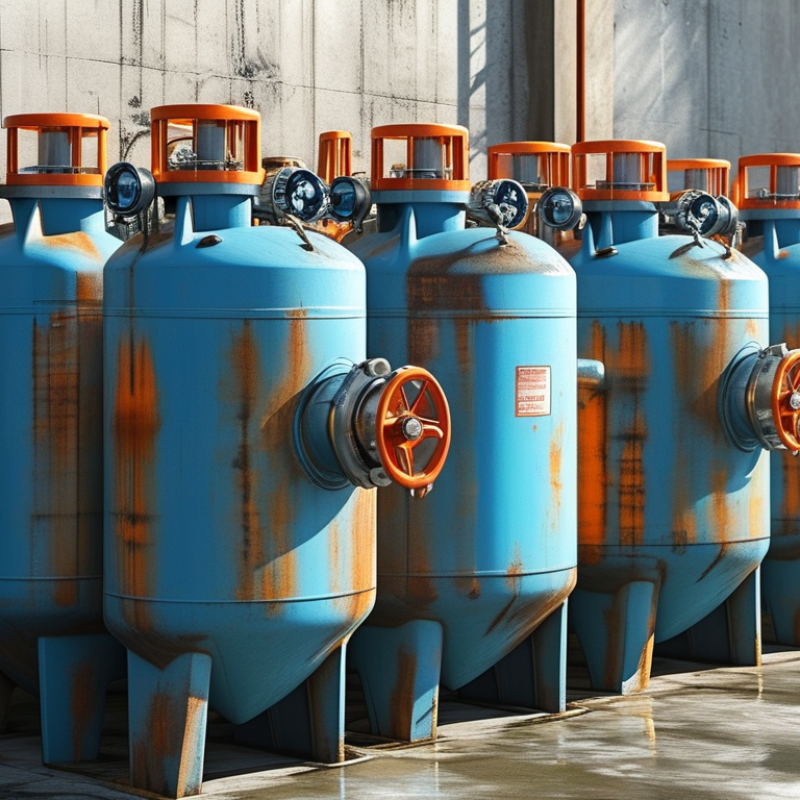
What is a Water Pressure Vessel and How Does it Work?

Understanding Water Pressure Vessels: Definitions and Purpose

Water pressure vessels are essential components in various systems. They store water under pressure, ensuring a steady flow when needed. These vessels help maintain consistent pressure in plumbing systems, irrigation, and heating applications. The pressure creates a push that aids water delivery, even when demand fluctuates.

Understanding their purpose requires knowing how they work. A water pressure vessel often contains a bladder filled with air or gas. As water fills the tank, the bladder compresses. This creates pressure that allows the water to flow when taps are opened. It acts like a buffer, reducing the workload on pumps and conserving energy. When demand decreases, the pressure helps keep water ready for immediate use.

However, several issues may arise with pressure vessels. Over time, bladders may weaken or leak, leading to pressure loss. Regular maintenance is crucial to ensure optimal performance. Identifying signs such as fluctuations in water flow or pressure drops can prevent bigger problems. Keeping an eye on these systems is vital for long-term reliability.

The Basic Components of a Water Pressure Vessel Explained

A water pressure vessel is essential in many plumbing systems. Understanding its components can help maintain efficiency. The main parts include the tank, bladder or diaphragm, inlet and outlet connections, and pressure gauge. Each part plays a unique role.

The tank usually has a sturdy built to withstand high pressure. The bladder or diaphragm separates water from air. This enables the vessel to maintain water pressure. Inlet and outlet connections link the vessel to the water supply and the plumbing system. A pressure gauge provides crucial information about the internal pressure levels.

Regular inspection of these components is vital. A worn diaphragm can lead to pressure fluctuations. Cracks in the tank can cause leaks and significant water loss. It’s important to assess these issues often. Neglecting the health of a water pressure vessel can lead to expensive repairs and inefficient water systems.

What is a Water Pressure Vessel and How Does it Work? - The Basic Components of a Water Pressure Vessel Explained

Component Function Material Pressure Rating (psi)
Vessel Holds pressurized water Steel, fiberglass 100 - 300
Pressure Relief Valve Prevents overpressure Brass, stainless steel Varied
Bladder Holds the water separation Rubber, polymer Varied
Inlet/Outlet Ports Allow water to enter and exit Metal Varied
Pressure Gauge Displays internal pressure Metal, glass Varied

How Water Pressure Vessels Operate: The Mechanisms Involved

Water pressure vessels play a crucial role in maintaining consistent water flow in various systems. They store water under pressure and release it when needed. These vessels are vital in residential or industrial settings. Their operation depends on a few fundamental mechanisms.

When the system is filled with water, it fills the storage tank and compresses the air above it. This air creates pressure. As water is drawn from the tank, the air pressure pushes water out, ensuring a steady supply. This process can be affected by tank size, system demand, and air pressure levels.

Tips: Regular maintenance of water pressure vessels is essential. Check for leaks or corrosion to ensure longevity. Adjusting the air pressure can optimize performance. Too little pressure can lead to inconsistent water flow, while too much can cause system failures.

Monitoring the pressure regularly is key. Use a pressure gauge to maintain optimal levels. Less than ideal pressure can interrupt water supply. Keep an eye on expansion tanks, as they can impact overall system efficiency. Fine-tuning these elements can lead to improvements, but remember, it may take time to see the results.

Applications of Water Pressure Vessels in Different Industries

Water pressure vessels are crucial across various industries. They store water under pressure, ensuring a steady supply. These vessels are designed to withstand high pressure, making them vital in sectors like food processing. In this industry, water pressure vessels help maintain consistent steam flow. They also ensure hygiene and safety in food production.

In the HVAC sector, water pressure vessels help regulate heating and cooling systems. They work to stabilize pressure fluctuations. Proper function is critical; even minor issues can lead to system inefficiency. Moreover, in municipal water systems, these vessels support consistent water distribution. They can become a challenge if not maintained, leading to water quality issues.

Transportation industries also utilize water pressure vessels. They are key in powering steam ships and locomotives. However, problems can arise from wear and corrosion. Regular inspections are necessary to prevent failures. It’s clear these vessels play significant roles, but ongoing vigilance is essential for optimal performance.

Maintenance Tips for Ensuring Optimal Performance of Water Pressure Vessels

Water pressure vessels play a critical role in various water systems. Ensuring their performance requires regular maintenance. Here are some tips to optimize their functionality.

Regular inspection is key. Schedule checks every six months to identify potential issues early. Look for signs of wear or corrosion. A report from the American Water Works Association states that nearly 25% of water systems face pressure-related failures due to neglect. This statistic highlights the need for consistent attention.

Proper water levels are crucial. Maintain the vessel's pressure within the recommended range, typically between 40 to 60 psi. If pressure is too low, it can lead to inefficient operation. Conversely, too high of a pressure can stress components. Always check the pressure gauge before usage.

Consider periodic maintenance. Cleaning and sanitizing the vessel can prevent the buildup of harmful deposits. Up to 70% of water quality issues are traced back to complications within pressure vessels. This number emphasizes the importance of a clean system. Educate users about these maintenance steps to ensure longevity and performance.

Copyright 2025 Fluidra S.A. | Created by BCM Marketing Agencia Privacy Policy Legal note | Cookie policy |

Technical cookies are strictly necessary for our website to work and you can navigate through it. These types of cookies are those that, for example, allow us to identify you, give you access to certain restricted parts of the page if necessary, or remember different options or services already selected by you, such as your privacy preferences. Therefore, they are activated by default, your authorization not being necessary in this regard. Through the configuration of your browser, you can block or alert the presence of this type of cookies, although such blocking will affect the proper functioning of the different functionalities of our website.


The analysis cookies allow us to study the navigation of the users of our website in general (for example, which sections of the page are the most visited, which services are used most and if they work correctly, etc.). From the statistical information on navigation on our website, we can improve both the operation of the page itself and the different services it offers. Therefore, these cookies do not have an advertising purpose, but only serve to make our website work better, adapting to our users in general. By activating them you will contribute to this continuous improvement. You can enable or disable these cookies by checking the corresponding box, being disabled by default.


Functionality cookies allow us to remember your preferences, to personalize certain characteristics and general options of our website, every time you access it (for example, the language in which the information is presented to you, the sections marked as favorites, your browser type, etc.) Therefore, this type of cookies does not have an advertising purpose, but by activating them you will improve the functionality of the website (for example, adapting to your type of browser) and the customization of it based on your preferences (for example, by presenting the information in the language that you have chosen in previous occasions), which will contribute to the ease, usability and comfort of our page during your navigation. You can enable or disable these cookies by checking the corresponding box, being disabled by default.


Advertising cookies allow us to manage the advertising spaces included in our website based on criteria such as the content shown or the frequency in which the ads are displayed. For example, if you have been shown the same ad several times on our website, and you have not shown a personal interest by clicking on it, it will not appear again. In summary, by activating this type of cookies, the advertising shown on our website will be more useful and diverse, and less repetitive. You can enable or disable these cookies by checking the corresponding box, being disabled by default.


Behavioral advertising cookies allow us to obtain information based on the observation of your browsing habits and behaviors on the web, in order to show you advertising content that best suits your personal tastes and interests. To understand it in a very simple way, we will give you a fictitious example: if your last searches on the web were related to suspense literature, we would show you advertising about suspense books. Therefore, activating this type of cookies, the advertising that we show you on our website will not be generic, but will be oriented to your searches, tastes and interests, therefore adjusting exclusively to you. You can enable or disable these cookies by checking the corresponding box, being disabled by default.
To understand it in a very simple way, we will give you a fictitious example: if your last searches on the web were related to suspense literature, we would show you advertising about suspense books. Therefore, activating this type of cookies, the advertising that we show you on our website will not be generic, but will be oriented to your searches, tastes and interests, therefore adjusting exclusively to you. You can enable or disable these cookies by checking the corresponding box, being disabled by default.

SAVE

We use our own and third-party cookies to ensure the proper functioning of the website and to analyse our services, improve your experience on our website and show you advertisements related to your interests according to profiling based on your browsing habits (e.g. websites visited). You can accept all cookies by clicking "ACCEPT" or set or reject them by clicking here. If you would like to know more about the use of cookies, please see our COOKIE POLICY.


ACCEPT ALL
Reject no essentials


