What Are Valve Manufacturers and What Do They Make?
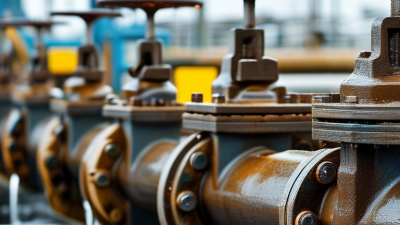
Valves manufacturers design and produce devices that control the movement of liquids, gases, steam, and slurries. Their products appear inside refineries, water plants, power stations, food factories, and building systems. A small valve can regulate pressure, stop flow, or protect equipment from sudden surges.
“Valves are the final control element in most process applications,” says Greg Johnson, former president and chief executive of the Valve Manufacturers Association of America. This statement explains the industry’s practical importance. Pumps may create movement, but valves decide how that movement is managed.
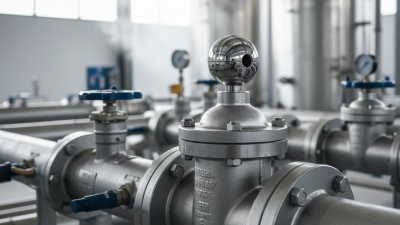
Valves manufacturers make gate, globe, ball, butterfly, check, plug, diaphragm, and control valves. Each design serves a different operating condition. A stainless-steel ball valve may isolate a chemical line. A butterfly valve may control cooling water through a large pipe. A check valve can prevent reverse flow after a pump stops.
Manufacturers also produce actuators, positioners, pressure regulators, and custom assemblies. They select materials according to temperature, pressure, corrosion, and media compatibility. Reliable producers test sealing performance, shell strength, emissions, and operating cycles. They also provide drawings, certificates, maintenance guidance, and traceability records.
Still, product names can mislead buyers. A valve may look suitable while failing under heat, vibration, or abrasive service. I have learned that specifications deserve more attention than photographs. Even experienced teams make assumptions. That weakness matters.
This article examines how valves manufacturers work, what they make, and how buyers can judge quality. It considers design, materials, testing, applications, and long-term service. The goal is practical understanding, not a glossy catalog description.
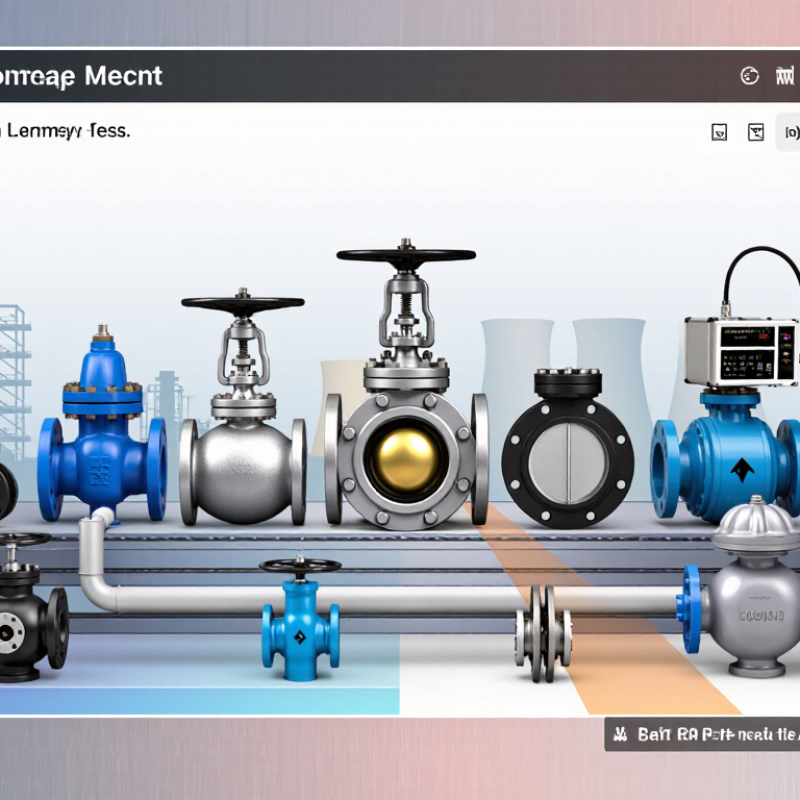
Valve manufacturers are specialized engineering companies that design, produce, and test devices controlling fluid movement. Their products manage water, steam, oil, gas, chemicals, and compressed air. A typical valve may contain a body, stem, seat, actuator, and sealing elements. Each part must match pressure, temperature, flow rate, and media compatibility.
Their work begins with application requirements, not just a drawing. Engineers select materials such as carbon steel, stainless steel, or corrosion-resistant alloys. Factories then cast or forge bodies, machine sealing surfaces, assemble components, and perform pressure and leakage tests.
Common products include gate, globe, ball, butterfly, check, safety, and control valves. Some manufacturers also produce actuators, strainers, and replacement parts. The details matter. A tiny seat defect can cause costly leakage.
Market data shows the scale of this sector. Grand View Research estimated the global industrial valves market at approximately 78 billion US dollars in 2023, with continued growth expected through 2030. The International Energy Agency also reports strong ongoing investment in energy infrastructure, where reliable flow-control equipment is essential.
Still, market estimates differ because companies classify valves differently. That is worth questioning. A responsible manufacturer should provide traceable materials, documented testing, clear maintenance instructions, and practical technical support. Certifications help, but they never replace careful engineering or field experience.
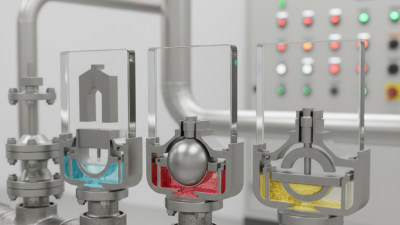
Valve manufacturers turn fluid-control requirements into tested mechanical products. Their work begins with service data, not a catalog shape. Engineers identify medium, pressure, temperature, flow rate, and operating frequency. They also study installation space and maintenance access. A valve for clean water needs different materials from one handling abrasive slurry. Small details matter. A rough surface can trap particles. An undersized actuator may struggle during emergency closure.
Designers then select the valve structure, sealing method, and actuation system. They use drawings, calculations, and simulation to check wall thickness and flow behavior. Prototypes expose weaknesses that software can miss.
Engineers inspect leakage, torque, cycle life, and pressure resistance. Manufacturing may involve casting, forging, machining, heat treatment, and controlled assembly. Each stage requires measurable tolerances.
Technicians check critical dimensions with calibrated instruments. They also document material certificates and test results, creating traceability from raw stock to finished unit.
Production is rarely perfectly linear. A seal may perform well in testing but age faster under repeated temperature changes. That result demands review, not excuses. Teams adjust geometry, surface finish, or material selection, then test again.
Pressure tests, functional checks, and visual inspections support reliable release decisions. Some designs still contain compromises between cost, weight, service life, and repairability. Experienced manufacturers state those limits clearly. Honest specifications help operators choose safely and maintain the valve correctly.
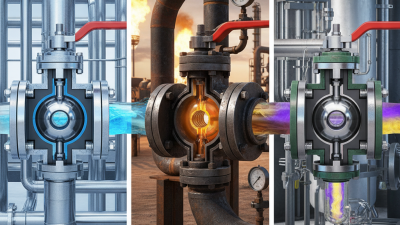
Valve manufacturers produce many designs because industrial systems handle different pressures, temperatures, fluids, and flow demands. Gate valves provide a clear, low-resistance passage for full isolation. Globe valves offer more precise throttling, although they can create greater pressure loss. Ball valves use a rotating ball and often provide quick, tight shutoff. Butterfly valves control flow with a rotating disc and suit larger pipelines where space is limited.
Manufacturers also make check valves that prevent reverse flow without manual operation. Plug valves serve isolation duties, while diaphragm valves work well with corrosive, contaminated, or sensitive media. Safety and pressure-relief valves protect equipment when pressure rises beyond a set limit. Control valve manufacturers may combine a valve body with an actuator and positioner for automatic adjustment. Materials can include carbon steel, stainless steel, alloys, plastics, and lined surfaces. The correct choice depends on verified operating data, not appearance.
Tips: Confirm pressure, temperature, pipe size, media, and flow direction before ordering. Review testing documents and material certificates. In field inspections, small issues matter, such as a damaged seat or incorrect actuator setting. A common mistake is choosing a valve by size alone. Even experienced teams can underestimate maintenance access. No valve is perfect for every service, and that limitation deserves honest review.
Valve manufacturers design and produce devices that control fluid movement. Their products include gate, globe, ball, butterfly, check, and pressure-control valves. Each type manages flow differently. Engineers select materials, seals, pressure ratings, and connection methods for specific operating conditions.
Industrial valves work throughout water treatment plants, where they isolate pumps, regulate chemical dosing, and control filtration lines. In power stations, they manage steam, cooling water, and feedwater under demanding temperatures. Chemical facilities use corrosion-resistant valves for acids, solvents, and reactive liquids. Food-processing systems require hygienic designs with smooth internal surfaces and easy cleaning access.
They are also essential in oil processing, mining, building services, and fire protection systems. A butterfly valve may control cooling water through a large pipeline. A check valve can stop reverse flow after a pump shuts down. In a boiler room, a safety valve releases excess pressure before equipment becomes endangered.
Selection is rarely simple. A valve suitable for clean water may fail quickly with abrasive slurry. A low-cost seal can also swell when exposed to certain chemicals. Maintenance teams should inspect leakage, vibration, corrosion, and actuator response during scheduled shutdowns. One detail is often missed: installation direction. Even a correctly specified valve can perform poorly when installed backward or without proper pipe support. Manufacturers make the hardware, but reliable service depends on accurate sizing, installation, and ongoing inspection.
Valve manufacturers turn engineering requirements into pressure-rated valves, actuators, and control assemblies. These products regulate, isolate, or redirect fluids and gases in water, energy, chemical, and manufacturing systems. Their work begins with service conditions, not simply a catalog selection.
Quality starts before metal enters the workshop. Engineers review pressure, temperature, corrosion, flow direction, and failure position. Production teams verify material certificates, dimensions, welds, and surface finish. Each finished valve receives pressure and leakage tests under recognized standards, including API 598 or ISO 5208.
Inspection records should identify materials, operators, instruments, and test results. Traceability makes a defect easier to investigate. It also discourages careless substitution.
Safety extends beyond factory testing. The International Energy Agency’s Global Methane Tracker 2024 reports that nearly 40% of fossil-fuel methane emissions could be reduced at no net cost. Properly tested valves, seals, and maintenance programs can support that reduction. Functional safety reviews may also use IEC 61508 principles, especially where automatic shutdown is necessary.
A certificate is not magic. Installation errors, aging seals, poor calibration, and rushed maintenance can still create dangerous leakage. I would treat every test as evidence, not permanent proof. Field inspections must challenge the paperwork.

Cepex is the brand for the fluid handling market belonging to the Fluidra group. One of the leading european manufacturer of valves and fittings in thermoplastic materials.
Dedicated to the swimming pool, irrigation and industrial markets, we distribute our products worldwide with the Fluidra commercial network and presence in 46 countries with 136 sales branches.