
What Is a Sewer Line Cleaning Machine Used For?
FLUID HANDLING EXPERTS

Blog, all our news

What Is a Sewer Line Cleaning Machine Used For?

A Sewer Line Cleaning Machine is used to clear buildup and obstructions from drain and sewer pipes. Depending on its design, it may use a rotating cable, high-pressure water, or another mechanical method. The goal is practical: restore flow without guessing at the blockage. A technician might feed a flexible cable through an access point, or guide a water jet into the line. Either way, the machine helps reach places a hand tool cannot.

Common problems include grease, soap residue, roots, and compacted debris. A cable machine can cut or loosen certain obstructions, while a jetter can wash material from pipe walls. The right choice depends on the pipe’s size, condition, and the type of blockage. A camera inspection can provide useful evidence before or after cleaning. It is not always necessary, but it can reveal cracks or recurring root intrusion that cleaning alone will not fix.

Not a cure-all.

That distinction matters. A machine may restore flow, yet leave damaged pipework untouched. In older lines, aggressive equipment can worsen a weak section if it is used carelessly. Proper training, suitable attachments, and controlled operation help reduce that risk. Even experienced operators can face uncertainty when a blockage is deep or the pipe layout is unclear. Results may vary. Understanding what the equipment can—and cannot—do helps homeowners and service professionals choose a sensible next step. Sometimes the honest answer is that cleaning is only part of the repair.
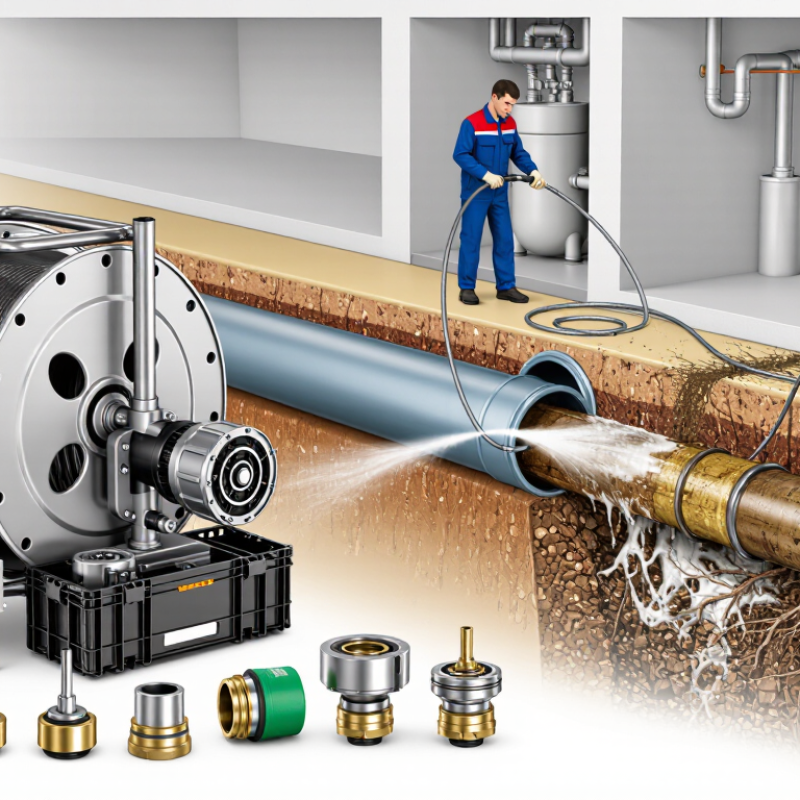
What Is a Sewer Line Cleaning Machine Used For?

What a Sewer Line Cleaning Machine Is

A sewer line cleaning machine is equipment used to remove obstructions and buildup from the inside of drain and sewer pipes. Common types include cable machines, which rotate a flexible steel cable through a pipe, and water-jetting machines, which use pressurized water to scour pipe walls. A cable may retrieve roots or snagged debris; a jet can wash away grease, sand, and settled sludge. The right tool depends on pipe diameter, blockage type, and line condition. Not a cure-all.

The US Environmental Protection Agency’s 2022 Clean Watersheds Needs Survey estimated $630.1 billion in wastewater and stormwater infrastructure needs over 20 years. That figure highlights the scale of system upkeep, but cleaning alone cannot repair a collapsed pipe or correct a failed joint. Operators may use a cleaning machine before a camera inspection, clearing material that would otherwise hide cracks or roots. In practice, the removed debris can also offer clues about the blockage. Yet results vary: aggressive cleaning can damage fragile or already compromised lines. A machine is a maintenance tool, not a substitute for inspection and informed judgment.

How It Removes Blockages and Buildup

A sewer line cleaning machine removes obstructions by cutting, scraping, or flushing material from inside a pipe. A cable machine feeds a rotating steel cable through the line. Its cutter can break apart roots, paper products, and compacted debris. The fragments then move downstream or are retrieved with the cable. For grease and soft deposits, hydro-jetting uses directed water to scour pipe walls and carry loosened material away. It is not just a bigger drain snake.

The need is substantial. The U.S. EPA’s 2004 Report to Congress estimated 23,000 to 75,000 sanitary sewer overflows occur annually, with blockages among the recognized causes. Cleaning can reduce that risk, but the method must fit the pipe. Excessive jet pressure may damage a weak or already cracked line; a cable can also miss a coating of grease. Operators often inspect the line with a camera before or after cleaning, checking for roots, cracks, and remaining buildup. Look closely. A clear passage does not always mean a sound pipe. That distinction is easy to overlook.

Main Types of Sewer Line Cleaning Machines

Sewer line cleaning machines remove roots, grease, sediment, and other obstructions from drain and sewer pipes. The right type depends on pipe diameter, blockage, access, and pipe condition. Cable machines use a rotating metal cable with a cutting or retrieval head. They work well on localized clogs, such as roots near a joint. Drum models store the cable inside a rotating drum. Sectional machines use shorter cable lengths, which can be easier to handle in tight indoor spaces. They are powerful, but careless use can damage fragile or already cracked pipes.

Hydro-jetting machines send pressurized water through a hose and nozzle. The water scours grease and silt from pipe walls, then carries loosened debris downstream. It is thorough. But pressure must match the pipe’s condition; older or damaged lines need careful assessment. Combination units pair jetting with vacuum recovery, useful when crews must remove flushed material. EPA’s 2022 Clean Watersheds Needs Survey estimated $630.1 billion in water-quality infrastructure needs over 20 years, including wastewater and stormwater projects. That figure is not a measure of cleaning-machine demand, but it shows the scale of upkeep facing water systems. A camera inspection can help operators choose a method. It may not reveal every weakness.

What Is a Sewer Line Cleaning Machine Used For?

Typical pipe diameter ranges served by common sewer line cleaning machine types

Sewer line cleaning machines remove blockages and buildup such as grease, roots, and sediment. The ranges shown are indicative: actual capacity varies by machine model, cable or hose, nozzle, and pipe condition. Mechanical augers and sectional machines use rotating cables; jetters use high-pressure water; combination trucks pair water jetting with vacuum recovery.

Where and When These Machines Are Used

Sewer line cleaning machines are used wherever wastewater pipes need a clear path again. In homes, technicians may bring them to a basement cleanout or an outdoor access point after slow drains, repeated backups, or gurgling fixtures. They can break through soft obstructions and remove buildup such as grease, soap residue, and small roots. Some machines use rotating cables; others propel high-pressure water through the pipe.

In restaurants, apartment buildings, and other busy properties, cleaning may be needed more often. Kitchen grease and heavy daily use can leave deposits that narrow a drain. Municipal crews also use larger equipment to maintain sewer mains, especially after inspections reveal sediment or recurring blockages. The machine must match the pipe’s size, material, and condition. Too much force can damage a weakened line.

Timing matters. A machine is often brought in when plungers or basic drain tools have not solved the problem, or when backups return in the same location. A camera inspection can help identify the blockage and check for cracks before cleaning begins. Cleaning clears debris, but it does not repair a collapsed or badly damaged pipe. One missed detail can matter: the cause may sit farther down the line than expected.

What Is a Sewer Line Cleaning Machine Used For? — Where and When These Machines Are Used
Machine Type Where It Is Used When It Is Used Typical Cleaning Task Practical Consideration
Handheld or drum cable machine Homes, apartments, restaurants, and other buildings; commonly used on smaller drain lines and accessible branch sewers. When a localized blockage causes slow drainage or a fixture backup, and the line can be reached through a drain opening or cleanout. Feeds a rotating cable and cutting or retrieval tool into the pipe to break up or remove obstructions such as hair, paper, and soft deposits. Choose a cable and tool suited to the pipe size and material. It may open a passage through a blockage without washing all loosened material out of the line.
Sectional cable machine Building drains and sewer laterals where operators need to work through cleanouts or access points, including some longer or larger lines. When a blockage is beyond the reach of a short hand tool or when repeated cable sections are needed to reach the affected area. Rotates connected cable sections with cutting heads or other attachments to clear obstructions and certain root intrusions. Root cutting removes growth inside the pipe but does not repair cracks, open joints, or other conditions that allowed roots to enter.
Portable or trailer-mounted water jetter Residential and commercial drains, sewer laterals, and other lines that can be accessed with a suitable hose and nozzle. When grease, sludge, silt, or loose debris has built up along the pipe, or when flushing is needed after mechanical cutting. Uses pressurized water and a selected nozzle to scour pipe walls and carry loosened material toward an access point. Pressure and nozzle selection should match pipe condition and size. Water jetting may be unsuitable for damaged or fragile pipe until its condition is assessed.
Truck-mounted combination sewer cleaner Municipal collection systems, larger commercial properties, and public sewer networks with accessible manholes or other entry points. During scheduled maintenance, after a reported blockage or overflow, or when substantial debris needs to be flushed and removed. Combines high-pressure water jetting with vacuum recovery to loosen deposits and collect water, grit, and debris. Often used by trained crews on larger lines. Traffic control, confined-space procedures, and proper disposal of recovered material may be required.
Mechanical root-cutting attachment Sewer laterals and mains with documented root intrusion and a suitable access point. When inspection or cleaning records indicate roots are restricting flow or contributing to recurring blockages. Uses rotating cutting blades or chains to cut roots projecting into the pipe; the cut material is then removed or flushed out. Repeated root growth can indicate a structural defect. Cleaning is a maintenance measure, not a substitute for repairing a damaged pipe.
Routine sewer-cleaning equipment Public sewer mains and private systems with recurring buildup, known trouble spots, or a maintenance schedule. Before problems become backups, based on observed conditions, prior blockage history, and the responsible operator’s maintenance plan. Removes accumulated sediment, grease, and other material to help maintain flow and reduce the likelihood of blockages. Cleaning frequency should be based on line conditions and records; there is no single schedule that suits every sewer system.

How to Choose and Operate a Machine Safely

Choosing a sewer line cleaning machine starts with the pipe, not the motor. Check pipe diameter, access-point size, blockage type, and distance to the obstruction. A compact cable machine may suit a small indoor drain; longer runs or heavy deposits may need a different machine and trained operator. Match the cable and cutting head to the pipe. Too much force can damage old joints. A practical detail people miss: measure the access opening before bringing equipment to the job.

Before use, inspect the cable for kinks, cracks, or loose fittings, and confirm guards and controls work. Wear eye protection, gloves suited to the task, and hearing protection. Keep hands and loose clothing away from the rotating cable. Use a ground-fault circuit interrupter with powered equipment in damp areas. OSHA’s occupational noise standard sets an 85 dBA eight-hour average as the action level for a hearing-conservation program. NIOSH’s 1998 occupational-noise criteria also recommends 85 dBA over eight hours, with allowable exposure halving for each 3 dB increase. Stop the machine before clearing a jam. Don’t force it. I’d still recheck the cable after a difficult blockage; small damage is easy to overlook.

Copyright 2025 Fluidra S.A. | Created by BCM Marketing Agencia Privacy Policy Legal note | Cookie policy |

Technical cookies are strictly necessary for our website to work and you can navigate through it. These types of cookies are those that, for example, allow us to identify you, give you access to certain restricted parts of the page if necessary, or remember different options or services already selected by you, such as your privacy preferences. Therefore, they are activated by default, your authorization not being necessary in this regard. Through the configuration of your browser, you can block or alert the presence of this type of cookies, although such blocking will affect the proper functioning of the different functionalities of our website.


The analysis cookies allow us to study the navigation of the users of our website in general (for example, which sections of the page are the most visited, which services are used most and if they work correctly, etc.). From the statistical information on navigation on our website, we can improve both the operation of the page itself and the different services it offers. Therefore, these cookies do not have an advertising purpose, but only serve to make our website work better, adapting to our users in general. By activating them you will contribute to this continuous improvement. You can enable or disable these cookies by checking the corresponding box, being disabled by default.


Functionality cookies allow us to remember your preferences, to personalize certain characteristics and general options of our website, every time you access it (for example, the language in which the information is presented to you, the sections marked as favorites, your browser type, etc.) Therefore, this type of cookies does not have an advertising purpose, but by activating them you will improve the functionality of the website (for example, adapting to your type of browser) and the customization of it based on your preferences (for example, by presenting the information in the language that you have chosen in previous occasions), which will contribute to the ease, usability and comfort of our page during your navigation. You can enable or disable these cookies by checking the corresponding box, being disabled by default.


Advertising cookies allow us to manage the advertising spaces included in our website based on criteria such as the content shown or the frequency in which the ads are displayed. For example, if you have been shown the same ad several times on our website, and you have not shown a personal interest by clicking on it, it will not appear again. In summary, by activating this type of cookies, the advertising shown on our website will be more useful and diverse, and less repetitive. You can enable or disable these cookies by checking the corresponding box, being disabled by default.


Behavioral advertising cookies allow us to obtain information based on the observation of your browsing habits and behaviors on the web, in order to show you advertising content that best suits your personal tastes and interests. To understand it in a very simple way, we will give you a fictitious example: if your last searches on the web were related to suspense literature, we would show you advertising about suspense books. Therefore, activating this type of cookies, the advertising that we show you on our website will not be generic, but will be oriented to your searches, tastes and interests, therefore adjusting exclusively to you. You can enable or disable these cookies by checking the corresponding box, being disabled by default.
To understand it in a very simple way, we will give you a fictitious example: if your last searches on the web were related to suspense literature, we would show you advertising about suspense books. Therefore, activating this type of cookies, the advertising that we show you on our website will not be generic, but will be oriented to your searches, tastes and interests, therefore adjusting exclusively to you. You can enable or disable these cookies by checking the corresponding box, being disabled by default.

SAVE

We use our own and third-party cookies to ensure the proper functioning of the website and to analyse our services, improve your experience on our website and show you advertisements related to your interests according to profiling based on your browsing habits (e.g. websites visited). You can accept all cookies by clicking "ACCEPT" or set or reject them by clicking here. If you would like to know more about the use of cookies, please see our COOKIE POLICY.


ACCEPT ALL
Reject no essentials


