
What Is an Automatic Transfer Switch?
FLUID HANDLING EXPERTS

Blog, all our news

What Is an Automatic Transfer Switch?

An Automatic Transfer Switch (ATS) monitors electrical power and changes a load’s connection between a primary source and an alternate source. In many buildings, the primary source is utility power, while the alternate source is a standby generator. If utility power fails or falls outside configured limits, the switch can signal the generator to start and transfer the load once backup power is available. When utility power returns and stabilizes, the ATS can transfer the load back. The generator produces electricity; the ATS manages the changeover. That distinction matters.

Inside the equipment, sensors, control logic, and switching components work together, though their exact arrangement varies by model. Some systems briefly disconnect the load during transfer; others use designs intended to maintain continuity. For a homeowner, facility manager, or technician, the right choice depends on the equipment being protected, the expected load, and the backup source. A switch that is poorly matched or maintained may not perform as expected. Small details count. This guide explains how an ATS works, where it is used, and what to consider when selecting one. It also looks at testing and maintenance, since an installed switch is not automatically a dependable one. Specifications and installation requirements differ, so check the manufacturer’s documentation and consult a qualified electrical professional for system-specific decisions. Power changes can happen quickly. Understanding the switch makes those moments less mysterious, even if the setup still deserves careful review.
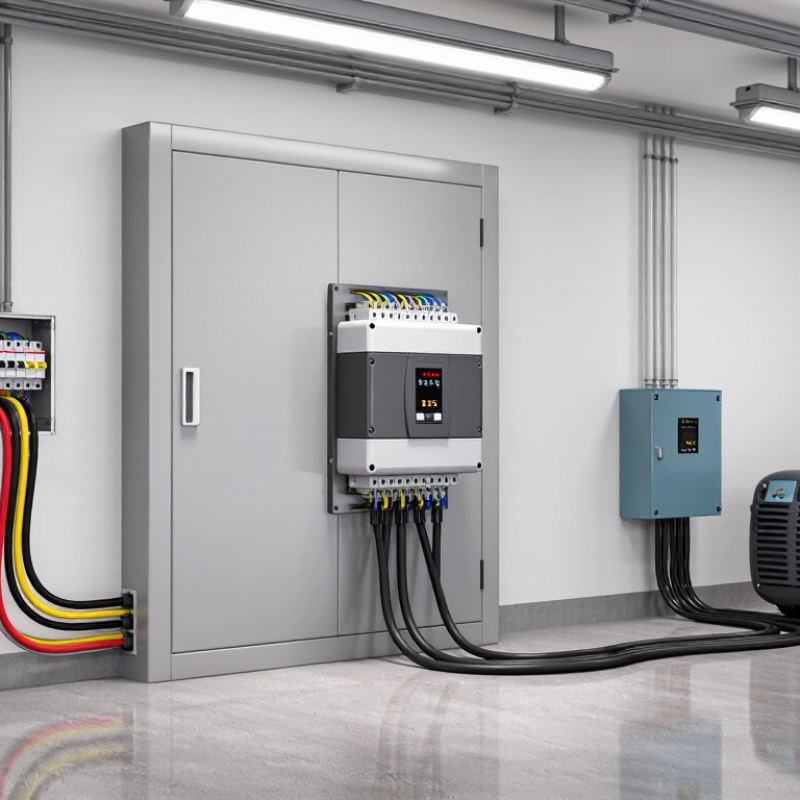
What Is an Automatic Transfer Switch?

Core Definition and Purpose of an Automatic Transfer Switch

An automatic transfer switch (ATS) is electrical equipment that moves a load between two power sources. It monitors the normal supply and detects conditions such as a voltage loss or unacceptable voltage. When a backup source becomes available, the switch connects the load to it. When normal power returns, the ATS can transfer the load back. It does not generate electricity. A generator, battery system, or other source must provide the backup. In a facility, the switch may sit between the utility supply, a standby generator, and selected circuits such as emergency lighting or server equipment.

Timing matters. So does the load. An ATS must be selected for the system’s electrical ratings and the equipment it serves; installation and testing should follow applicable standards and qualified engineering guidance. Uptime Institute’s 2024 Annual Outage Analysis reported that 54% of surveyed organizations said their most recent significant outage cost more than $100,000. That figure covers varied outage causes, not ATS performance, but it shows why continuity planning deserves care. Automatic does not mean instantaneous. A generator may need time to start and stabilize, and a poorly matched switch can undermine the intended backup plan. The practical question is not only whether power transfers, but which circuits stay energized—and for how long.

Main Components and Their Functions

What Is an Automatic Transfer Switch?
Main Components and Their Functions

An automatic transfer switch (ATS) connects a load to one of two power sources, commonly utility power and a standby generator. Its sensing circuit monitors voltage and frequency on the preferred source. Small voltage changes matter. If readings move outside configured limits, the controller recognizes a supply problem and starts the transfer sequence.

The controller is the decision-making unit. It checks whether the alternate source is stable, then signals the switching mechanism to move the load. That mechanism may use contactors or a motor-driven switch. Mechanical and electrical interlocks help prevent both sources from feeding the load at once. That pause is intentional. A generator may need time to reach steady output before the switch closes.

Power terminals carry current between the sources and the connected equipment. Their size and condition matter; loose connections can heat up under load. The enclosure protects internal parts from dust and accidental contact, while indicators can show which source is supplying power. Some systems include bypass-isolation hardware, allowing inspection or servicing without interrupting the load. A practical check includes examining connections and testing the transfer sequence under controlled conditions. Settings and inspection intervals vary by equipment and installation, so assumptions based on appearance alone can be misleading.

What Is an Automatic Transfer Switch? — Main Components and Their Functions

An automatic transfer switch (ATS) monitors two power sources and transfers a connected load from the normal source to an alternate source when needed.

Chart: Representative nominal voltages for common systems used with transfer equipment. Actual system ratings depend on the installation.

Main Components

  • Controller: Monitors source conditions and commands a transfer when the normal source is outside configured limits.
  • Switching mechanism: Connects the load to one source while disconnecting it from the other.
  • Normal-source terminals: Connect the ATS to the primary power source.
  • Alternate-source terminals: Connect the ATS to a backup source, such as a generator.
  • Enclosure: Houses and protects the controller and switching components.

How an Automatic Transfer Switch Detects and Changes Power Sources

An automatic transfer switch (ATS) continuously monitors the normal supply, checking voltage and frequency against configured limits. A brief dip may not trigger a transfer; controllers often use adjustable time delays to avoid reacting to momentary disturbances. Not instantly. If the outage persists, the ATS signals a standby generator to start, then checks that its output is stable before moving the load. The generator provides power; the ATS manages the changeover.

NFPA 110 (2022 edition) defines a Type 10 emergency power supply system by its ability to restore power to designated loads within 10 seconds of a normal-supply failure. That is a system-level benchmark, not a promise that every ATS transfers in precisely 10 seconds. Real sites are messier. After utility power returns, the switch typically waits through a retransfer delay, then moves the load back and allows the generator to cool down. Open-transition switches briefly interrupt power during transfer; closed-transition designs can overlap sources momentarily when synchronization and applicable requirements permit. That detail matters. A poorly chosen delay or an untested generator can undermine an otherwise capable switch, so commissioning should include realistic load tests and recorded transfer times.

What Is an Automatic Transfer Switch? - How an Automatic Transfer Switch Detects and Changes Power Sources

Stage What the ATS Does What It Monitors or Controls Important Detail
1. Normal operation Connects the load to the preferred power source, often the utility supply. Source voltage and, where applicable, frequency and phase conditions. The preferred source and acceptable operating limits are set for the installation.
2. Power disturbance detected Recognizes that the preferred source is outside configured limits or has failed. Depending on the ATS, this can include undervoltage, overvoltage, frequency deviation, phase loss, or phase imbalance. Detection thresholds and time delays vary by equipment and application; there is no single universal setting.
3. Alternate source starts If connected to a standby generator, sends a start signal after the configured response to a source failure. Generator start and the alternate source’s electrical condition. A generator typically needs time to start and reach acceptable voltage and frequency before the ATS transfers the load.
4. Alternate source verified Confirms that the alternate source is within the ATS’s configured limits. Typically voltage and frequency; additional checks depend on the ATS design and system. The ATS generally waits for acceptable conditions rather than transferring to an unstable source.
5. Load transferred Changes the load connection from the preferred source to the alternate source. The switching mechanism and the selected transfer method. Open-transition switching disconnects one source before connecting the other, causing a brief interruption. Closed-transition equipment can overlap sources momentarily when system conditions and design permit.
6. Preferred source returns Checks that the preferred source has returned and remains acceptable for the configured period. Preferred-source voltage and other configured quality limits. A return-to-source delay can help prevent repeated switching if the supply is unstable.
7. Load re-transferred Moves the load back to the preferred source using the configured transfer method. Source availability and the ATS’s transfer sequence. The generator may continue running without the load for a cooldown period before it stops.
Key purpose Provides automatic switching between available power sources for connected loads. Source condition, switching commands, and status indications. An ATS switches sources; it does not generate electricity or, by itself, guarantee uninterrupted power.

Common ATS Types and Switching Methods

An automatic transfer switch (ATS) moves a load between normal and backup power when the preferred source fails. Common ATS designs include open-transition, closed-transition, delayed-transition, and bypass-isolation units. These labels describe different operating needs, not a simple ranking. IEC 60947-6-1 provides requirements for transfer switching equipment. The right choice depends on the load, the power system, and how much interruption equipment can tolerate.

With open transition, the switch disconnects one source before connecting the other. This break-before-make method is common and avoids paralleling sources, but lights may blink and sensitive equipment may reset. Closed transition briefly connects both sources during transfer, reducing interruption where the system permits parallel operation. Delayed transition pauses between sources, often allowing motor-driven loads to shed residual voltage. A bypass-isolation ATS lets technicians isolate the switching mechanism for maintenance while keeping the load supplied. A brief pause matters. In practice, a neat wiring diagram can hide complications: motor loads, residual voltage, and control settings all affect performance.

Selection should match the actual site. A data room, pump station, and small commercial panel do not have identical transfer requirements. Uptime Institute’s 2024 Annual Outage Analysis reported that 54% of surveyed respondents said their most recent significant outage cost more than $100,000; 16% reported costs above $1 million. The figures cover outages broadly, not ATS failures specifically, but they show why transfer behavior deserves careful review. Not always faster. Verify load compatibility, source coordination, and test procedures with qualified power-system professionals.

Typical Applications and Key Selection Factors

What Is an Automatic Transfer Switch?

Typical Applications and Key Selection Factors

An automatic transfer switch (ATS) monitors the normal power supply and shifts a connected load to a backup source when voltage fails or falls outside set limits. In a small office, it may keep network equipment running; in a care facility, it can support essential circuits. When utility power returns, the ATS can transfer the load back, depending on its settings. That delay matters.

Common applications include commercial buildings, data rooms, healthcare facilities, and homes with standby generators. Selection starts with the load: check voltage, phase, current rating, and whether the switch must serve the whole building or selected circuits. Confirm that the ATS is compatible with the backup generator and its control signals. Consider the transfer method, enclosure rating, installation environment, and available maintenance access. A mismatched rating can cause nuisance trips or prevent the switch from handling the intended load. Installation and testing should be completed by qualified electrical professionals.

Tips: List the loads that must remain powered, such as a refrigerator, server rack, or pump. Check starting currents, not only running watts. Test under realistic conditions. A paper specification may look right, yet real loads can behave differently. Plan routine inspections and keep clear records of transfer tests.

Copyright 2025 Fluidra S.A. | Created by BCM Marketing Agencia Privacy Policy Legal note | Cookie policy |

Technical cookies are strictly necessary for our website to work and you can navigate through it. These types of cookies are those that, for example, allow us to identify you, give you access to certain restricted parts of the page if necessary, or remember different options or services already selected by you, such as your privacy preferences. Therefore, they are activated by default, your authorization not being necessary in this regard. Through the configuration of your browser, you can block or alert the presence of this type of cookies, although such blocking will affect the proper functioning of the different functionalities of our website.


The analysis cookies allow us to study the navigation of the users of our website in general (for example, which sections of the page are the most visited, which services are used most and if they work correctly, etc.). From the statistical information on navigation on our website, we can improve both the operation of the page itself and the different services it offers. Therefore, these cookies do not have an advertising purpose, but only serve to make our website work better, adapting to our users in general. By activating them you will contribute to this continuous improvement. You can enable or disable these cookies by checking the corresponding box, being disabled by default.


Functionality cookies allow us to remember your preferences, to personalize certain characteristics and general options of our website, every time you access it (for example, the language in which the information is presented to you, the sections marked as favorites, your browser type, etc.) Therefore, this type of cookies does not have an advertising purpose, but by activating them you will improve the functionality of the website (for example, adapting to your type of browser) and the customization of it based on your preferences (for example, by presenting the information in the language that you have chosen in previous occasions), which will contribute to the ease, usability and comfort of our page during your navigation. You can enable or disable these cookies by checking the corresponding box, being disabled by default.


Advertising cookies allow us to manage the advertising spaces included in our website based on criteria such as the content shown or the frequency in which the ads are displayed. For example, if you have been shown the same ad several times on our website, and you have not shown a personal interest by clicking on it, it will not appear again. In summary, by activating this type of cookies, the advertising shown on our website will be more useful and diverse, and less repetitive. You can enable or disable these cookies by checking the corresponding box, being disabled by default.


Behavioral advertising cookies allow us to obtain information based on the observation of your browsing habits and behaviors on the web, in order to show you advertising content that best suits your personal tastes and interests. To understand it in a very simple way, we will give you a fictitious example: if your last searches on the web were related to suspense literature, we would show you advertising about suspense books. Therefore, activating this type of cookies, the advertising that we show you on our website will not be generic, but will be oriented to your searches, tastes and interests, therefore adjusting exclusively to you. You can enable or disable these cookies by checking the corresponding box, being disabled by default.
To understand it in a very simple way, we will give you a fictitious example: if your last searches on the web were related to suspense literature, we would show you advertising about suspense books. Therefore, activating this type of cookies, the advertising that we show you on our website will not be generic, but will be oriented to your searches, tastes and interests, therefore adjusting exclusively to you. You can enable or disable these cookies by checking the corresponding box, being disabled by default.

SAVE

We use our own and third-party cookies to ensure the proper functioning of the website and to analyse our services, improve your experience on our website and show you advertisements related to your interests according to profiling based on your browsing habits (e.g. websites visited). You can accept all cookies by clicking "ACCEPT" or set or reject them by clicking here. If you would like to know more about the use of cookies, please see our COOKIE POLICY.


ACCEPT ALL
Reject no essentials


