
In the quest for clean water, a reliable tool is essential. A Single-Parameter Water Analyzer provides specific insights into water quality. This instrument can measure one key parameter at a time, making it invaluable for precise testing. Its design caters to various situations. From laboratories to fieldwork, this analyzer meets diverse needs.
The accuracy of a Single-Parameter Water Analyzer draws on technology and expertise. Many professionals trust these devices for crucial decision-making. The importance of water quality cannot be overstated. Poor quality can have dire consequences. Hence, understanding specific parameters is necessary for safety and compliance.
While the advantages are clear, limitations exist. Single-parameter testing might miss broader issues. Users should consider the bigger picture. For comprehensive analysis, multi-parameter devices may be required. Nevertheless, for targeted assessments, a Single-Parameter Water Analyzer is a strong choice, offering specialized performance and reliability.
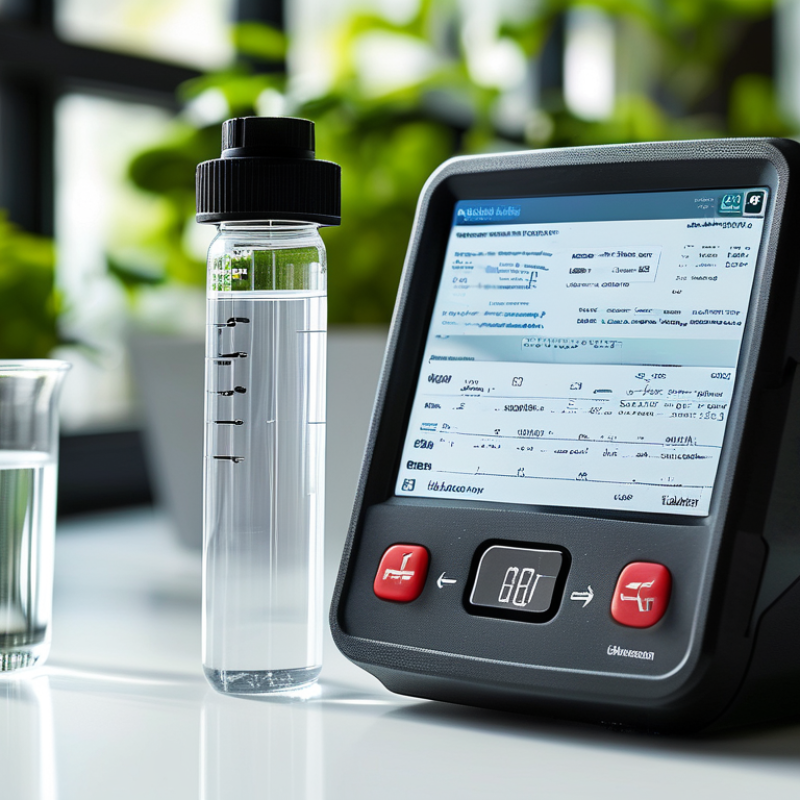
Single parameter water analyzers play a vital role in monitoring water quality. These devices measure specific parameters, such as pH, turbidity, or dissolved oxygen. Reliable data is crucial for various industries, including agriculture, aquaculture, and wastewater treatment. According to a recent industry report, the global water quality testing market is projected to reach $3.5 billion by 2025, emphasizing the importance of these tools.
Choosing an appropriate analyzer requires understanding its capabilities. Some devices are portable, allowing for efficient field testing. Others, designed for lab use, offer high precision. The selection criteria often depend on the user’s specific needs. For instance, environmental agencies frequently rely on portable analyzers for rapid assessments. This accessibility to accurate data is essential for effective decision-making in water management.
Tips: Always calibrate your analyzer before use. Regular maintenance ensures accuracy. Additionally, consider the specific environment in which the analyzer will operate. Not all devices perform equally well under varying temperatures or pressures. Understanding these nuances can prevent costly errors in water quality monitoring.

Choosing the right single parameter water analyzer is crucial for accurate water testing. When selecting an analyzer, consider factors like measurement accuracy, range, and ease of use. High precision ensures reliable results, especially for critical applications. Knowing the specific parameters you need to test will help narrow your choices.
Tips: Always validate the calibration methods the analyzer uses. Different analyzers may have varying calibration requirements, impacting their performance.
Another key feature is the display and data handling options. A clear display simplifies reading measurements. Good data management allows for easy record-keeping. Some devices offer connectivity features for trend analysis or reporting. This can enhance your data usage efficiency.
Tips: Be mindful of how many parameters can be measured simultaneously. Analyzers that handle multiple readings can save time but may sacrifice precision.
Lastly, consider the durability and portability of the analyzer. If your testing location is remote, a lightweight and robust design is essential. It should withstand environmental challenges, ensuring longevity and reliability over time. Always evaluate the support and service options from the manufacturer, as this affects your user experience.
| Feature | Description | Importance |
|---|---|---|
| Measurement Range | The range of values the analyzer can accurately measure. | High |
| Accuracy | The degree to which the measured values reflect the true values. | Critical |
| Response Time | The time taken to produce a stable reading after a sample is introduced. | Moderate |
| Ease of Use | User-friendliness and simplicity of operation for users. | High |
| Maintenance Requirements | Frequency and complexity of scheduled maintenance tasks. | Moderate |
| Portability | Design features that allow for easy transport and field use. | High |
| Data Logging | Capability to store measurement data for later analysis. | Moderate |
When it comes to selecting a water analyzer, understanding the top brands and models is crucial. These devices assess water quality through single parameter analysis. They can measure parameters like pH, turbidity, or conductivity. Buyers worldwide need reliable and accurate equipment for various applications, from aquaculture to environmental monitoring.
Some leading brands focus on precision and user-friendliness. Their models often come equipped with advanced technology and simple interfaces. This ensures that users, regardless of skill level, can operate them effectively. However, some products might lack in-depth features, prompting users to seek additional information elsewhere.
Many users appreciate portability. Some models are compact and easy to transport. Yet, a trade-off may exist between portability and measurement depth. Those who prioritize accuracy should consider stationary options. There's a need for careful evaluation of specific needs before making a choice. It’s vital to reflect on the balance between cost, functionality, and user support in your decision-making process.
When examining single parameter water analyzers, pricing and performance are critical. Various models offer diverse pricing structures, which can confuse potential buyers. Factors influencing cost include precision, durability, and design. A reliable analyzer often promises a higher price but may save users money in the long run through reduced maintenance.
Performance metrics play a significant role in selection. Buyers should not only compare the accuracy of measurements but also consider the speed of results. Some analyzers deliver quick readings, while others may take longer but provide more detailed data. A balance between speed and accuracy is essential, yet not all users prioritize the same metrics. This variation can lead to suboptimal choices if buyers do not reflect on their specific needs.
Another element to analyze is customer support and warranty. A robust support system and a good warranty can enhance the value of an analyzer. However, not all companies offer equal support, and sometimes promises are made that are not fulfilled. This gap may lead to dissatisfaction and regret after the purchase. It's crucial for buyers to weigh not just the price and performance, but also the reliability of the manufacturer.
Single parameter water analyzers are essential tools for many industries. They provide quick and accurate readings of specific contaminants in water sources. Their simplicity makes them ideal for various applications.
In laboratories, these analyzers excel in testing water quality. Researchers can quickly assess levels of pH, turbidity, or chlorine. This real-time data allows for timely adjustments to experiments. They are also useful in environmental monitoring. Agencies can track water quality in rivers, lakes, and other bodies of water effectively.
Tips: Always calibrate your analyzer before use. This step ensures accuracy in your measurements. Consider the specific conditions of your testing site. Temperature and pressure can affect results.
Industrial applications are also significant. Manufacturing plants often use these analyzers to maintain compliance with safety standards. Regular monitoring can prevent hazardous situations. However, operators must be cautious. Over-reliance on automated systems can be risky without frequent manual checks.
Tips: Regular training for staff on proper usage is vital. Knowledge about the limitations of these devices helps avoid misinterpretations of data.

Cepex is the brand for the fluid handling market belonging to the Fluidra group. One of the leading european manufacturer of valves and fittings in thermoplastic materials.
Dedicated to the swimming pool, irrigation and industrial markets, we distribute our products worldwide with the Fluidra commercial network and presence in 46 countries with 136 sales branches.


