
Top 10 Uses of 304 Stainless Steel Raw Materials in China?
FLUID HANDLING EXPERTS

Blog, all our news

Top 10 Uses of 304 Stainless Steel Raw Materials in China?

304 Stainless Steel Raw Materials play a pivotal role in various industries across China. According to recent market analysis, the demand for 304 stainless steel is projected to grow by 3.5% annually until 2025. This growth is driven by its corrosion resistance and mechanical properties, making it ideal for diverse applications. Industries such as manufacturing and construction rely heavily on this material for its durability and versatility.

The food and beverage sector is increasingly adopting 304 stainless steel for equipment and infrastructure due to stringent hygiene standards. A report from the China Stainless Steel Association highlights that over 60% of food processing plants utilize this material. Such data indicates a strong reliance on 304 stainless steel in meeting both safety and quality needs in production environments.

Despite its advantages, challenges such as price fluctuations and supply chain constraints persist. Some manufacturers face difficulties in sourcing high-quality 304 stainless steel raw materials. Balancing quality with cost remains a significant concern. A nuanced understanding of these dynamics is essential for stakeholders aiming to leverage this material effectively.
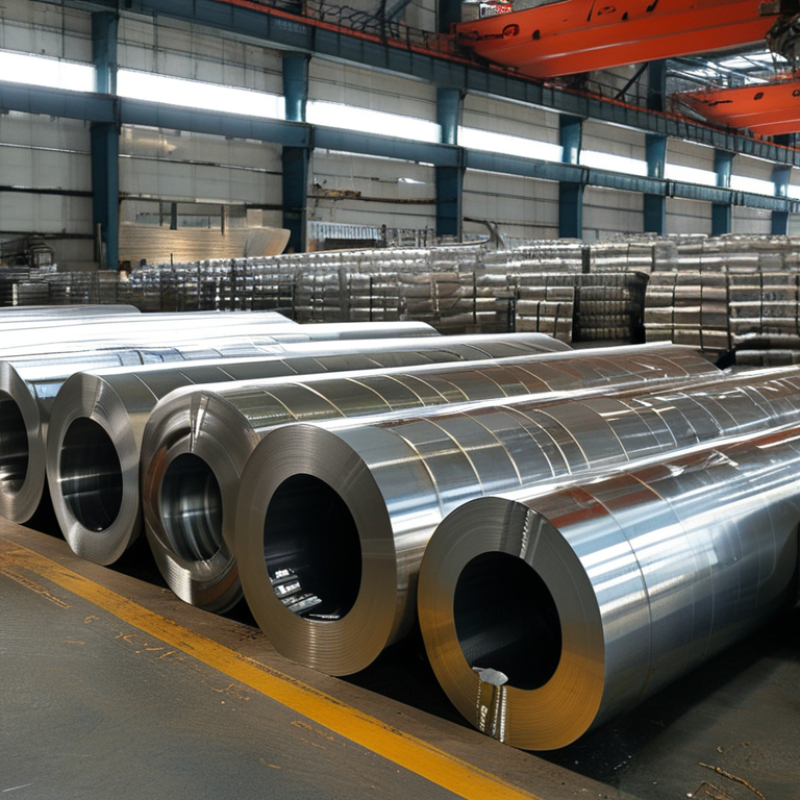
Top 10 Uses of 304 Stainless Steel Raw Materials in China?

Applications of 304 Stainless Steel in Construction and Architecture

304 stainless steel is widely used in construction and architecture due to its corrosion resistance and durability. This material is ideal for structural components in buildings. It offers strength while ensuring safety and stability. Architects appreciate its aesthetic appeal, allowing for sleek designs without compromising functionality.

In architectural applications, 304 stainless steel can be found in handrails, fixtures, and cladding. Its shiny surface can enhance visual appeal. However, the material may develop surface discoloration over time in harsh environments. Regular maintenance is necessary to retain its original look. In some cases, the cost of installation may be higher than other materials, which can be a concern for budget-conscious projects.

304 stainless steel does come with environmental considerations. While it is recyclable, the energy required for production is significant. This raises questions about sustainability in modern architecture. Designers must weigh the benefits of using this material against its environmental impact. Thoughtful planning can help mitigate these concerns while benefiting from its strengths.

Role of 304 Stainless Steel in the Automotive Industry

304 stainless steel plays a vital role in the automotive industry due to its exceptional properties. This alloy is known for its excellent corrosion resistance and high durability. These features make it suitable for various automotive components. For example, it is commonly used in exhaust systems, fuel tanks, and body frames.

The demand for 304 stainless steel in this sector is growing rapidly. Manufacturers appreciate its adaptability in harsh conditions. However, they should consider the manufacturing costs. Using premium materials can be a double-edged sword. While it enhances vehicle longevity, it may impact overall expenses.

When working with stainless steel, it’s essential to maintain quality standards. Regular inspections can prevent defects. Additionally, understanding welding techniques is crucial, as improper methods can lead to weak joints. Invest in training for your workforce. This can greatly improve product outcomes. Emphasizing these practices ensures vehicles perform reliably over time and meet safety regulations.

Use of 304 Stainless Steel in Food Processing Equipment

304 stainless steel is widely used in food processing equipment due to its excellent properties. It is resistant to corrosion, ensuring that food remains safe and untainted. This type of stainless steel can withstand high temperatures, making it perfect for cooking and processing environments. Its hygienic nature prevents the growth of harmful bacteria, an essential factor in food safety.

In food processing plants, equipment like mixers, tanks, and conveyor systems are often made from 304 stainless steel. This material is easy to clean and maintain, which is crucial in such settings. The durability of 304 stainless steel reduces the need for frequent replacements. However, it’s worth noting that its resistance to corrosion might not be adequate in highly acidic conditions. Regular inspections are necessary to ensure that the equipment remains safe for food contact.

Using 304 stainless steel in food processing is not without challenges. Cost can be a concern, especially for smaller businesses. Additionally, while 304 stainless steel is versatile, it might not always be the best choice for every application. Considering alternatives could be beneficial in certain circumstances. Balancing cost, safety, and functionality is crucial in selecting materials for food processing equipment.

304 Stainless Steel's Contribution to Medical Devices and Equipment

The use of 304 stainless steel in medical devices has been transformative. This alloy's corrosion resistance and excellent formability make it ideal for equipment in health care. A report from GlobalData estimates that the medical device market in China will reach $41 billion by 2025, with 304 stainless steel playing a significant role.

Surgical instruments, such as scalpels and forceps, often use this material. Its ability to withstand sterilization processes makes it a reliable choice. Additionally, 304 stainless steel is prevalent in MRI machines and surgical tables. The healthcare sector prioritizes materials that ensure safety and effectiveness. However, challenges exist, such as supply chain disruptions. This can impact the availability of raw materials and subsequently affect manufacturing schedules.

Despite its advantages, the use of 304 stainless steel isn't without drawbacks. Some medical professionals have raised concerns about the possibility of nickel allergies. Research indicates that a small percentage of the population may react to nickel, which is present in this alloy. Manufacturers must balance performance with patient safety. Continued innovation is essential in addressing these concerns while maintaining the effectiveness of medical devices.

Impact of 304 Stainless Steel on Home Appliances and Kitchenware

304 stainless steel is becoming a staple in home appliances and kitchenware across China. Its impressive resistance to corrosion makes it ideal for kitchen use, where moisture and stains are common. This grade of stainless steel also offers a sleek appearance, enhancing the aesthetic appeal of kitchen appliances. From sinks to cookware, 304 stainless steel is visible everywhere.

However, despite its advantages, there are challenges. Some consumers find it difficult to distinguish between grades of stainless steel. This confusion can lead to buying lower-quality products that are more prone to rust. Additionally, not all manufacturers adhere strictly to quality standards. This inconsistency can impact the longevity of appliances. Proper maintenance can prolong the life of 304 stainless steel items, but buyers must remain vigilant in their choices and be informed about the materials they purchase.

The impact of 304 stainless steel on kitchenware design is noteworthy. Its durability inspires innovative product designs. Chefs and home cooks alike appreciate the ease of cleaning and resistance to odors. However, over time, scratches and dents can appear, which may affect both aesthetics and functionality. A balance must be struck between beauty and practical use in kitchen settings.

Top 10 Uses of 304 Stainless Steel Raw Materials in China

Use Case Application Area Advantages Market Share (%)
Kitchen Sinks Home Appliances Corrosion Resistance 25%
Cutlery Kitchenware Durability and Aesthetic 15%
Cookware Cooking Heat Resistance 20%
Refrigerators Home Appliances Low Maintenance 18%
Dishwashers Home Appliances Long-lasting Finish 12%
Ovens Cooking Uniform Heat Distribution 10%
Mixers Kitchen Appliances Non-reactive Surface 8%
Food Processing Equipment Industrial Hygienic Properties 5%
Storage Tanks Industrial Strength and Sturdiness 7%
Barbecue Grills Outdoor Cooking Weather Resistance 5%
Copyright 2025 Fluidra S.A. | Created by BCM Marketing Agencia Privacy Policy Legal note | Cookie policy |

Technical cookies are strictly necessary for our website to work and you can navigate through it. These types of cookies are those that, for example, allow us to identify you, give you access to certain restricted parts of the page if necessary, or remember different options or services already selected by you, such as your privacy preferences. Therefore, they are activated by default, your authorization not being necessary in this regard. Through the configuration of your browser, you can block or alert the presence of this type of cookies, although such blocking will affect the proper functioning of the different functionalities of our website.


The analysis cookies allow us to study the navigation of the users of our website in general (for example, which sections of the page are the most visited, which services are used most and if they work correctly, etc.). From the statistical information on navigation on our website, we can improve both the operation of the page itself and the different services it offers. Therefore, these cookies do not have an advertising purpose, but only serve to make our website work better, adapting to our users in general. By activating them you will contribute to this continuous improvement. You can enable or disable these cookies by checking the corresponding box, being disabled by default.


Functionality cookies allow us to remember your preferences, to personalize certain characteristics and general options of our website, every time you access it (for example, the language in which the information is presented to you, the sections marked as favorites, your browser type, etc.) Therefore, this type of cookies does not have an advertising purpose, but by activating them you will improve the functionality of the website (for example, adapting to your type of browser) and the customization of it based on your preferences (for example, by presenting the information in the language that you have chosen in previous occasions), which will contribute to the ease, usability and comfort of our page during your navigation. You can enable or disable these cookies by checking the corresponding box, being disabled by default.


Advertising cookies allow us to manage the advertising spaces included in our website based on criteria such as the content shown or the frequency in which the ads are displayed. For example, if you have been shown the same ad several times on our website, and you have not shown a personal interest by clicking on it, it will not appear again. In summary, by activating this type of cookies, the advertising shown on our website will be more useful and diverse, and less repetitive. You can enable or disable these cookies by checking the corresponding box, being disabled by default.


Behavioral advertising cookies allow us to obtain information based on the observation of your browsing habits and behaviors on the web, in order to show you advertising content that best suits your personal tastes and interests. To understand it in a very simple way, we will give you a fictitious example: if your last searches on the web were related to suspense literature, we would show you advertising about suspense books. Therefore, activating this type of cookies, the advertising that we show you on our website will not be generic, but will be oriented to your searches, tastes and interests, therefore adjusting exclusively to you. You can enable or disable these cookies by checking the corresponding box, being disabled by default.
To understand it in a very simple way, we will give you a fictitious example: if your last searches on the web were related to suspense literature, we would show you advertising about suspense books. Therefore, activating this type of cookies, the advertising that we show you on our website will not be generic, but will be oriented to your searches, tastes and interests, therefore adjusting exclusively to you. You can enable or disable these cookies by checking the corresponding box, being disabled by default.

SAVE

We use our own and third-party cookies to ensure the proper functioning of the website and to analyse our services, improve your experience on our website and show you advertisements related to your interests according to profiling based on your browsing habits (e.g. websites visited). You can accept all cookies by clicking "ACCEPT" or set or reject them by clicking here. If you would like to know more about the use of cookies, please see our COOKIE POLICY.


ACCEPT ALL
Reject no essentials


