Top 10 Types of Pressure Fittings You Need to Know?
FLUID HANDLING EXPERTS

Blog, all our news

Top 10 Types of Pressure Fittings You Need to Know?

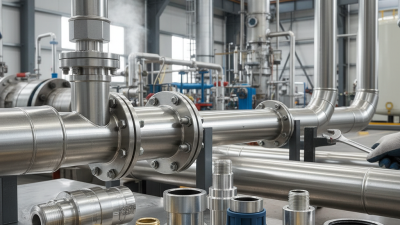
Pressure fittings play a crucial role in various piping systems. They ensure secure connections between pipes and components. Understanding the different types of pressure fittings can help you make informed choices for your projects.

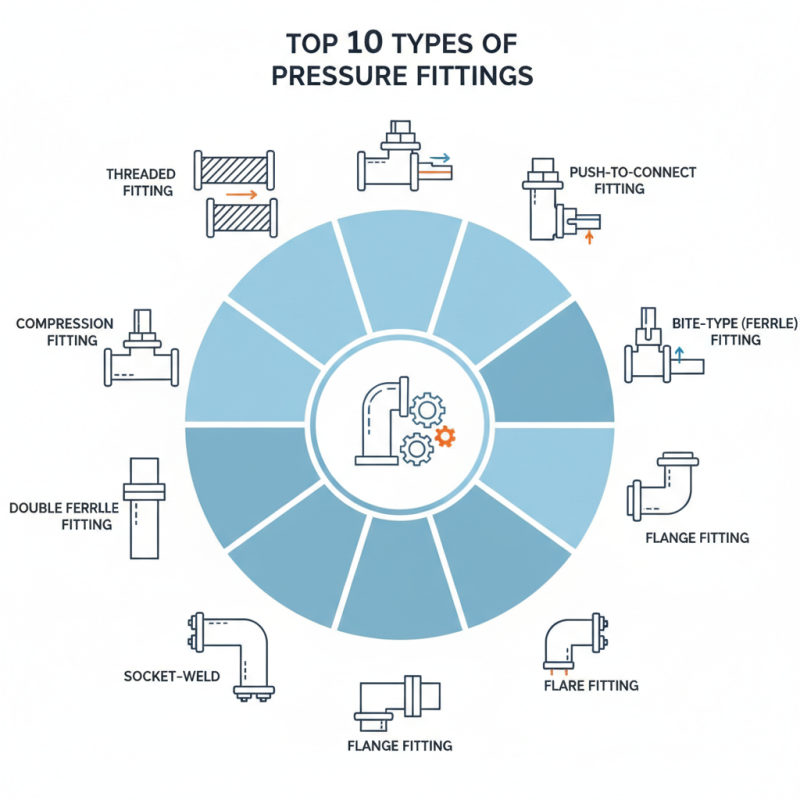
There are many types of pressure fittings available today. Each type has its specific applications and strengths. From threaded fittings to compression fittings, knowing these options is essential for any engineer or technician. Using the wrong type can lead to leaks or failures, which can be costly.

Pressure fittings are not always straightforward. Sometimes, you may overlook a detail and face issues later on. It is vital to reflect on your choices and continuously learn about new fitting options. By doing so, you can avoid mistakes and create reliable systems.
Top 10 Types of Pressure Fittings You Need to Know?

Understanding Pressure Fittings: A Comprehensive Introduction

Pressure fittings are essential components in many plumbing and industrial systems. They connect pipes, valves, and machinery. Understanding their types and applications is crucial for anyone working in these fields. These fittings are designed to withstand high pressure, preventing leaks and ensuring stability. Common materials include metals and plastics, which affect their durability and performance.

One of the main types is the socket weld fitting. It offers strong connections and is used in high-pressure applications. Another notable type is the threaded fitting, which allows for easier assembly. However, improper installation can lead to failures. It is important to follow guidelines when using pressure fittings.

Choosing the right fitting requires careful consideration. Not all fittings suit every application. Some may require special treatment or additional components. Always check compatibility. This can help avoid costly errors later on. Regular inspection of fittings is also necessary. Wear and tear can compromise their effectiveness over time.

Top 10 Types of Pressure Fittings You Need to Know

Type of Pressure Fitting Material Typical Application Pressure Rating (PSI)
Elbow Stainless Steel Pipelines 1500 PSI
Tee Carbon Steel Water Supply 2000 PSI
Reducer Copper HVAC Systems 100 PSI
Coupling PVC Irrigation 150 PSI
Cap Brass Oil and Gas 3000 PSI
Flange Aluminum Industrial Piping 5000 PSI
Union Stainless Steel Chemical Processing 2500 PSI
Bushing PVC Construction 100 PSI
Male/Female Adapter Brass Water Systems 1500 PSI
Check Valve Cast Iron HVAC 150 PSI

Common Types of Pressure Fittings and Their Applications

Pressure fittings are crucial in many industries. Their applications range from plumbing to oil and gas. A few common types include compression fittings and flare fittings. Compression fittings are used widely in water supply systems. They create a tight seal, preventing leaks.

Flare fittings provide a secure connection for gas lines. They rely on a conical shape to create a reliable seal. However, they can be tricky to install if not aligned properly. O-ring fittings are another type used to seal high-pressure environments. The rubber O-ring helps to absorb shocks, but it can wear out over time.

Each type of fitting serves a unique purpose. It’s essential to choose the right fitting for the job. Missteps can lead to significant problems. Inspecting your fittings regularly is a crucial step often overlooked. Even a small flaw can cause leaks or failures.

Key Features and Benefits of Each Pressure Fitting Type

Pressure fittings are crucial in various industries, including oil and gas, water distribution, and HVAC systems. Understanding their key features can optimize system performance. For example, stainless steel pressure fittings offer excellent corrosion resistance. They are ideal for harsh environments, ensuring longevity and safety in operations.

Copper fittings are another common choice, known for thermal conductivity. They are often used in plumbing systems. According to industry reports, copper fittings can handle high-pressure applications effectively, making them reliable. However, weight can be an issue in some installations. PVC pressure fittings are lightweight and resistant to chemicals, suitable for diverse applications.

Notably, many engineers debate the efficacy of each type. Some argue that while brass fittings are versatile, they may not be suitable for all fluids. Others find that choosing the wrong fitting material can lead to system failures. Awareness of each fitting’s characteristics helps in selecting the right one. Regular maintenance and inspections are necessary to ensure performance meets expectations.

Top 10 Types of Pressure Fittings You Need to Know

Selecting the Right Pressure Fitting for Your Project

Top 10 Types of Pressure Fittings You Need to Know?

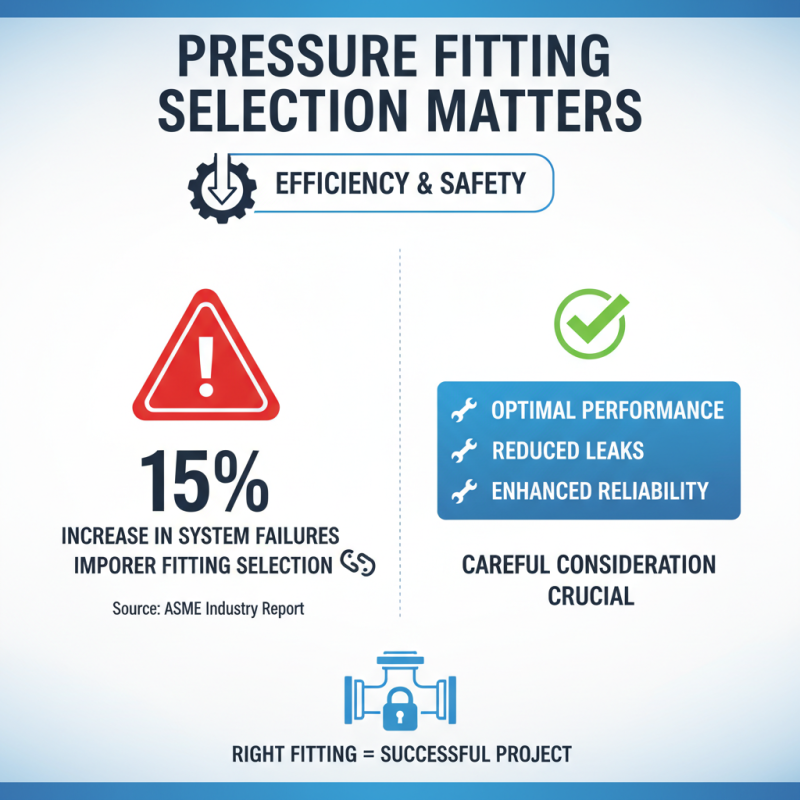
Selecting the right pressure fitting can significantly impact the efficiency and safety of your project. A recent industry report by the American Society of Mechanical Engineers indicates that improper fitting selection can lead to a 15% increase in system failures. This statistic underscores the necessity for careful consideration.

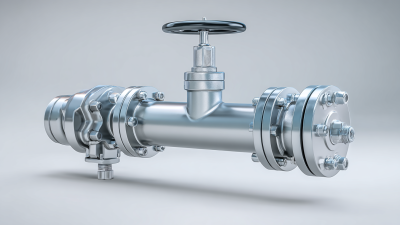
Pressure fittings come in various types, including threaded, welded, and flanged options. Each type has unique installation requirements and pressure ratings. For instance, threaded fittings are ideal for low-pressure applications, while welded fittings are better suited for high-pressure environments. The material is also crucial; stainless steel is often preferred in corrosive settings, while plastic may be sufficient for less demanding tasks. Neglecting these specifics can lead to costly project overruns and equipment damage.

Moreover, fitting sizes and tolerances are critical. According to recent studies, a 2% miscalculation in fitting size can result in leaks or reduced flow efficiency. When selecting fittings, it’s essential to understand the system's operational conditions deeply. Don't rush the decision-making process. Taking the time to analyze your project needs can save you time and money in the long run. Design choices often reflect a blend of engineering knowledge and practical experience. Therefore, consider both the technical specifications and the broader implications of your selection.

Best Practices for Installing and Maintaining Pressure Fittings

Installing and maintaining pressure fittings is crucial for ensuring safety and efficiency. When selecting fittings, always consider the right material. Different environments demand specific materials. For example, corrosive environments require stainless steel. Installing fittings should be approached with care. Ensure threads are clean and free from debris. This can prevent leaks and prolong the life of the fittings.

During maintenance, regular inspections are essential. Look for signs of wear or corrosion. A small pit can lead to a big leak. Keep a maintenance log to track any changes. This can highlight patterns and problems over time. Sometimes, the best practices are overlooked. Rushing through checks might save time but could result in costly repairs.

Always follow the manufacturer's guidelines for installation and maintenance. If those guidelines are ignored, issues may arise. Not every fitting will perform the same way. Some may call for additional sealing or specialized tools. Understanding these nuances can prevent future issues. Thus, staying proactive in maintenance is key to ensuring longevity in your pressure fittings.

Copyright 2025 Fluidra S.A. | Created by BCM Marketing Agencia Privacy Policy Legal note | Cookie policy |

Technical cookies are strictly necessary for our website to work and you can navigate through it. These types of cookies are those that, for example, allow us to identify you, give you access to certain restricted parts of the page if necessary, or remember different options or services already selected by you, such as your privacy preferences. Therefore, they are activated by default, your authorization not being necessary in this regard. Through the configuration of your browser, you can block or alert the presence of this type of cookies, although such blocking will affect the proper functioning of the different functionalities of our website.


The analysis cookies allow us to study the navigation of the users of our website in general (for example, which sections of the page are the most visited, which services are used most and if they work correctly, etc.). From the statistical information on navigation on our website, we can improve both the operation of the page itself and the different services it offers. Therefore, these cookies do not have an advertising purpose, but only serve to make our website work better, adapting to our users in general. By activating them you will contribute to this continuous improvement. You can enable or disable these cookies by checking the corresponding box, being disabled by default.


Functionality cookies allow us to remember your preferences, to personalize certain characteristics and general options of our website, every time you access it (for example, the language in which the information is presented to you, the sections marked as favorites, your browser type, etc.) Therefore, this type of cookies does not have an advertising purpose, but by activating them you will improve the functionality of the website (for example, adapting to your type of browser) and the customization of it based on your preferences (for example, by presenting the information in the language that you have chosen in previous occasions), which will contribute to the ease, usability and comfort of our page during your navigation. You can enable or disable these cookies by checking the corresponding box, being disabled by default.


Advertising cookies allow us to manage the advertising spaces included in our website based on criteria such as the content shown or the frequency in which the ads are displayed. For example, if you have been shown the same ad several times on our website, and you have not shown a personal interest by clicking on it, it will not appear again. In summary, by activating this type of cookies, the advertising shown on our website will be more useful and diverse, and less repetitive. You can enable or disable these cookies by checking the corresponding box, being disabled by default.


Behavioral advertising cookies allow us to obtain information based on the observation of your browsing habits and behaviors on the web, in order to show you advertising content that best suits your personal tastes and interests. To understand it in a very simple way, we will give you a fictitious example: if your last searches on the web were related to suspense literature, we would show you advertising about suspense books. Therefore, activating this type of cookies, the advertising that we show you on our website will not be generic, but will be oriented to your searches, tastes and interests, therefore adjusting exclusively to you. You can enable or disable these cookies by checking the corresponding box, being disabled by default.
To understand it in a very simple way, we will give you a fictitious example: if your last searches on the web were related to suspense literature, we would show you advertising about suspense books. Therefore, activating this type of cookies, the advertising that we show you on our website will not be generic, but will be oriented to your searches, tastes and interests, therefore adjusting exclusively to you. You can enable or disable these cookies by checking the corresponding box, being disabled by default.

SAVE

We use our own and third-party cookies to ensure the proper functioning of the website and to analyse our services, improve your experience on our website and show you advertisements related to your interests according to profiling based on your browsing habits (e.g. websites visited). You can accept all cookies by clicking "ACCEPT" or set or reject them by clicking here. If you would like to know more about the use of cookies, please see our COOKIE POLICY.


ACCEPT ALL
Reject no essentials