
When it comes to construction and manufacturing, steel angles play a crucial role. The demand for reliable and high-quality steel angle products is increasing. This brings us to the topic of top Steel Angle Manufacturers. A dependable Steel Angle Manufacturer can affect the quality of your projects significantly.
In this article, we will introduce five notable players in the steel angle industry. These manufacturers have established their reputation through years of experience and innovation. They ensure that their products meet stringent quality standards and customer expectations. However, it's essential to remember that no company is perfect. Some may face challenges in production or delivery timelines. Evaluating their strengths and weaknesses is crucial for making informed decisions.
Understanding the landscape of steel angle manufacturing is vital for builders and engineers alike. Selecting the right Steel Angle Manufacturer can lead to long-term partnerships and successful project outcomes. Knowing who the leaders are helps you make educated choices.
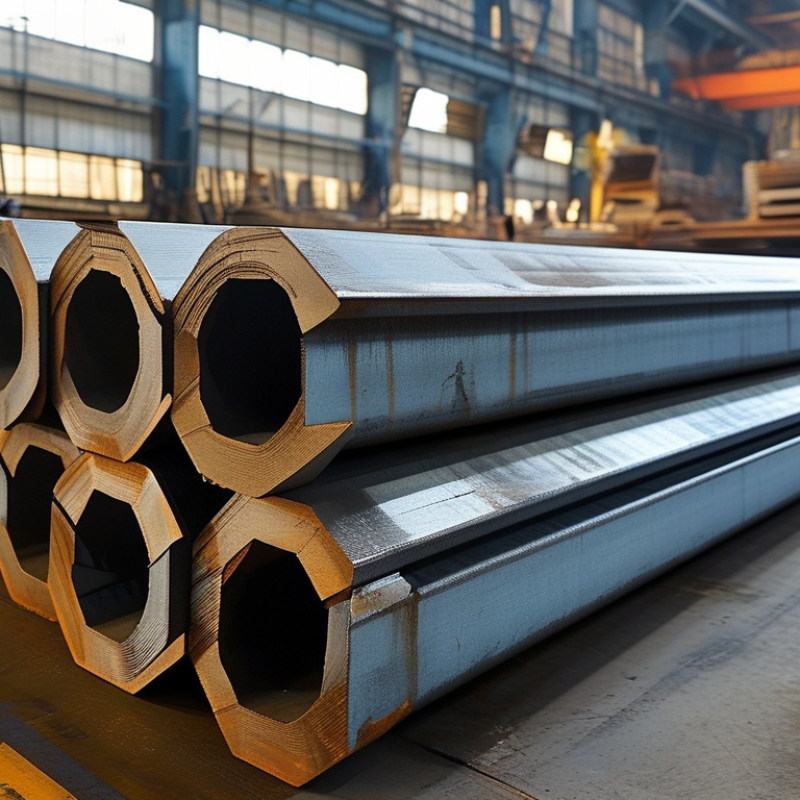
The steel angle manufacturing industry plays a crucial role in construction and infrastructure. In 2022, the global steel angle market was valued at approximately $33 billion, and it is projected to reach $45 billion by 2030. This growth reflects the rising demand for steel angles in various sectors, including construction, automotive, and manufacturing.
Recent reports highlight that the Asia Pacific region dominates steel angle production. Countries like China and India lead the way due to their rapid urbanization and industrialization. However, challenges persist. Quality control remains a critical issue, with some manufacturers struggling to meet international standards. Ensuring high-grade materials is essential for structural integrity.
Emerging technologies such as automation and data analytics are reshaping this industry. Manufacturers are slowly adopting these innovations to enhance efficiency and reduce costs. Yet, many companies find it challenging to integrate these technologies into their existing processes. This gap could hinder their competitiveness in a rapidly evolving market.

When selecting steel angle manufacturers, specific criteria can significantly affect your decision. First, assess the manufacturer’s experience in the industry. Companies with over 20 years of experience often have refined processes and quality control measures, ensuring consistent product quality. According to the World Steel Association, robust manufacturing practices can reduce defects by up to 30%.
Next, consider the diversity of products offered. A manufacturer that provides a range of steel angles—such as equal leg and unequal leg angles—can better meet your project requirements. Make sure to review their certifications, such as ISO 9001. These certifications indicate adherence to international quality standards. Additionally, the raw material sourcing should be transparent. Reliable manufacturers indicate where they source their materials, which impacts both quality and sustainability.
Pricing is also crucial, but it should not be the only factor. Higher-quality products may come with a higher price tag, but they often reduce long-term costs associated with maintenance and replacements. Analyze customer reviews and industry feedback to gauge reliability. Keep in mind that newer manufacturers might lack an extensive track record, yet they might offer innovative solutions. Reflecting on these aspects ensures that your choice aligns with your project goals and quality standards.
When exploring the landscape of steel angle production, understanding the key players is essential. Data from the International Steel Association indicates that the steel angle market will witness a growth rate of approximately 5.4% annually over the next five years. This rise reflects increasing demand in construction and manufacturing sectors. Quality and consistency in production play an integral role in meeting this demand, and manufacturers continually strive to enhance their processes.
Manufacturers are increasingly focusing on sustainability. According to the World Steel Association, emissions from steel production are expected to decrease by 20% by 2030. Advanced technologies are being explored to improve energy efficiency. However, there are still many challenges to overcome. For instance, reliability in supply chains can be inconsistent, leading to potential delays and project interruptions. Hence, companies often reassess their partnerships to ensure a more stable flow of materials.
Furthermore, the need for customization in steel angle products has grown. Industries seek specific dimensions and grades tailored to their unique applications. This trend pushes manufacturers to innovate continuously. While many successfully adapt, some struggle to keep pace with the rapid evolution of industry standards. Balancing quality, cost, and delivery remains a complex issue for many players in the market. The landscape is dynamic, and careful observation is crucial for stakeholders.
| Manufacturer | Annual Production (tons) | Global Reach | Specialty Products | Years in Business |
|---|---|---|---|---|
| Manufacturer A | 150,000 | North America, Europe | Structural Steel, Galvanized Angles | 25 |
| Manufacturer B | 200,000 | Asia, Middle East | Pre-painted Angles, High Strength Angles | 30 |
| Manufacturer C | 120,000 | Europe, Africa | Stainless Steel Angles, Custom Angles | 20 |
| Manufacturer D | 180,000 | North America, Asia | Aluminum Angles, Heavy Duty Angles | 15 |
| Manufacturer E | 160,000 | South America, Europe | Cold-formed Angles, Hot Rolled Angles | 22 |
When examining steel angle manufacturers, understanding their unique strengths and weaknesses is crucial. Each company brings specific advantages that may benefit your project, but it's equally important to recognize potential shortcomings. One manufacturer may excel in product variety but lack timely delivery. Another could be renowned for quality but is limited in customization. These distinctions will influence your decision-making process.
To make an informed choice, consider their production capabilities. Look for data on their production methods and material sourcing. Some firms utilize cutting-edge technology that enhances precision and durability. However, keep in mind that advanced manufacturing can lead to higher prices. You may find budget-friendly options that offer decent quality, but they might not meet your long-term needs.
Reflect on your project requirements. A manufacturer with a robust supply chain can deliver consistently, but they might charge a premium. Weighing these factors against your budget is essential. Each manufacturer has its own distinct approach to customer service, which significantly affects overall experience. Some may provide extensive support, while others may lack in this department. Take the time to evaluate these aspects before taking the plunge.
The steel angle manufacturing industry is evolving rapidly. Sustainability is becoming a crucial focus. Manufacturers are shifting towards eco-friendly production methods. The use of recycled materials is rising. This trend reflects the industry's response to environmental concerns. It also shows a commitment to reducing carbon footprints.
Innovation in technology is driving changes as well. Advanced machinery and automation are enhancing production efficiency. This leads to cost reductions and higher quality angles. Manufacturers are also investing in research and development. They need to adapt to fluctuating market demands. However, not all advancements may be beneficial. Some techniques may require significant financial investments that smaller manufacturers can't afford.
Market dynamics are influenced by global factors. Demand from sectors like construction continues to expand. Yet, uncertainties in trade policies may affect supply chains. Manufacturers must remain agile. They need to develop strategies to navigate these challenges. Balancing innovation with traditional methods is a delicate task. The landscape is constantly shifting, and staying informed is vital. The future is unpredictable, making adaptability essential for success.

Cepex is the brand for the fluid handling market belonging to the Fluidra group. One of the leading european manufacturer of valves and fittings in thermoplastic materials.
Dedicated to the swimming pool, irrigation and industrial markets, we distribute our products worldwide with the Fluidra commercial network and presence in 46 countries with 136 sales branches.


