
10 Best Scrap Copper Cable Suppliers for Global Buyers?
FLUID HANDLING EXPERTS

Blog, all our news

10 Best Scrap Copper Cable Suppliers for Global Buyers?

Sourcing reliable Scrap Copper Cable suppliers requires more than comparing online prices. Global buyers must examine material quality, recovery rates, export experience, and documented business practices. This guide introduces ten suppliers that may serve international industrial buyers, recyclers, and cable processors. Each profile should be assessed against current commercial needs, not reputation alone.

Good copper cable suppliers provide clear specifications, recent product photographs, packing details, and consistent communication. Buyers should ask about copper content, insulation type, contamination levels, moisture protection, and monthly availability. A sample inspection or independent assay can reveal differences hidden by attractive quotations. Details matter. A low price may reflect mixed grades, unstable supply, or higher sorting costs.

The selection also considers shipment capability, payment transparency, traceable documentation, and responses to quality disputes. Experienced suppliers should explain loading procedures, weight verification, and applicable customs requirements without making unrealistic promises. Buyers must confirm local import rules and use qualified inspection or legal professionals when needed. Claims need proof. Supplier information can change, and no public ranking replaces direct due diligence. Even strong candidates may have limitations, such as seasonal stock, limited container capacity, or inconsistent regional coverage. These weaknesses deserve attention rather than polished marketing language. By combining practical sourcing experience with technical checks and responsible purchasing standards, this overview helps global buyers compare Scrap Copper Cable suppliers more carefully and build safer, longer-term commercial relationships.
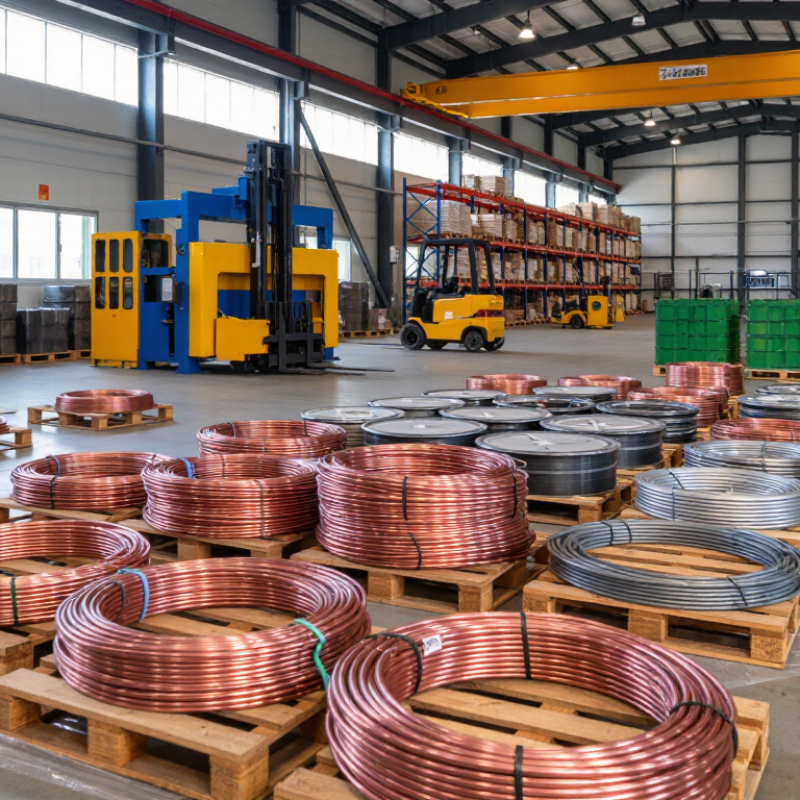
10 Best Scrap Copper Cable Suppliers for Global Buyers?

Copper Cable Scrap Classification: ISRI Grades, HS 7404, and Purity

For global buyers, copper cable scrap classification starts with ISRI grades, not vague terms like “high purity.” ISRI specifications describe physical material, insulation, contamination, and recovery potential. Bare Bright Copper Wire is usually clean, uncoated, unalloyed copper wire with a bright surface. Insulated wire requires closer review because copper recovery depends on conductor size, insulation type, and attachments. A compact cable bundle can look valuable while yielding less copper than expected.

HS 7404 identifies copper waste and scrap for customs reporting. It does not guarantee purity, grade, or payment value. Buyers should match the HS code with an ISRI description, packing list, photographs, and an independent assay. The International Copper Study Group reported global refined copper usage above 26 million tonnes in 2024, showing why secondary feedstock remains commercially important. The U.S. Geological Survey also continues to identify recycling as a significant source of copper supply, although reported shares vary by measurement method.

Purity needs evidence. Ask for copper recovery percentage, moisture results, plastic content, and sampling procedures. A sealed bale is not proof. In practical receiving, mixed terminals, aluminum strands, and excessive insulation can reduce actual yield sharply. Some sellers use “99% copper” loosely. That phrase should trigger questions. ISRI grades help, but they are not a substitute for testing, and classification errors still happen. A careful supplier provides representative samples before shipment, not only polished photographs.

Global Copper Recycling: The Industry’s 30% Secondary-Supply Benchmark

Global Copper Recycling: The Industry’s 30% Secondary-Supply Benchmark

Scrap copper cable suppliers play a practical role in global metal recycling. Many buyers assess suppliers against the often-cited benchmark that recycled copper provides about 30% of total supply. This figure is useful, but it is not a fixed global rule. Regional collection rates, construction activity, and processing capacity can change the balance.

Experienced buyers inspect cable grades before discussing price. Bright, clean copper usually commands stronger value than insulated or mixed material. A reliable supplier should provide weight records, photos, test results, and clear packing details. Those records reduce disputes when containers arrive with moisture, dirt, or unexpected insulation.

Quality problems are common.

I have seen promising lots lose value because the copper contained excessive plastic residue. Sampling at several points is more dependable than checking one handful. Buyers should also review delivery history, response times, and chain-of-custody documents. These details reveal operational maturity better than attractive quotations.

The 30% secondary-supply benchmark also exposes an industry challenge. Recycling cannot expand through collection alone. Cable must be sorted, processed, and returned to manufacturers at consistent quality. Smaller suppliers may offer excellent material, yet lack stable monthly volume. Larger operators may provide capacity but require stricter contracts. That trade-off deserves careful review. Even experienced teams can misjudge contamination risk when specifications are vague. Clear grades, independent inspections, and realistic delivery schedules create a more reliable purchasing decision.

Comparing 10 Suppliers by LME Pricing, MOQ, Recovery Rate, and Lead Time

Global Scrap Copper Cable Supplier Comparison

A practical comparison of ten scrap copper cable suppliers starts with LME pricing, not advertised discounts. Each supplier should state the pricing date, copper percentage, currency, and adjustment formula. A transparent quote may use LME minus processing, freight, and quality deductions.

Supplier 1 offers a 20-ton MOQ and a seven-day lead time. Supplier 2 requires 50 tons but provides an 86% average recovery rate. Supplier 3 lists 90% recovery, though its inspection report is older. Supplier 4 accepts 15 tons and ships within ten days. Supplier 5 links prices to the weekly LME average, which reduces daily volatility. Supplier 6 quotes a lower deduction but needs laboratory confirmation before shipment. Supplier 7 has a 40-ton MOQ and a 14-day lead time. Supplier 8 reports 88% recovery from mixed insulated cable. Supplier 9 offers flexible loading, but its pricing formula is less detailed. Supplier 10 provides a 30-ton MOQ, twelve-day delivery, and batch-level weight records.

Recovery rate needs careful verification. Buyers should request photos, sample test results, stripping details, and weighbridge records. Moisture, insulation thickness, and mixed metals can change the payable value sharply. I would not accept a high recovery claim without recent evidence. One weakness remains: supplier data often reflects ideal batches, not ordinary cargo. Compare net payable copper, not only the headline LME percentage. Lead time should include inspection, documentation, port handling, and possible reweighing. Small differences become significant across repeated shipments.

10 Best Scrap Copper Cable Suppliers for Global Buyers

Comparison by LME-linked pricing, minimum order quantity, copper recovery rate, and lead time

The chart uses anonymous supplier profiles rather than company or brand names. Each bubble represents one supplier profile: horizontal position shows lead time, vertical position shows estimated copper recovery rate, bubble size represents minimum order quantity, and the tooltip displays the LME-linked purchase price. The figures are indicative international-market benchmarks for insulated copper cable and should be confirmed against current specifications, inspection results, Incoterms, freight costs, and live LME quotations.

Quality Control: Sampling, Copper Content, Moisture, and ASTM Testing

For global buyers comparing the 10 best scrap copper cable suppliers, quality control should begin before shipment. A supplier should provide representative samples from different bales, not only clean pieces selected for inspection. Experienced buyers often check insulation type, mixed metals, oxidation, and visible contamination. Small details matter.

Copper content should be tested with a calibrated analyzer and confirmed through laboratory sampling when the cargo is valuable. Moisture also deserves attention. Wet cable can increase weight, hide dirt, and create disputes during receiving. Record the sample weight before and after controlled drying. Use applicable ASTM testing methods, and confirm the current standard with an independent laboratory. Results should include test dates, equipment details, and chain-of-custody records. ASTM labels alone are not proof of quality.

Tips: Ask for three sealed samples from separate bales. Compare supplier results with your own test. Check moisture at loading and arrival. Keep photographs, scale tickets, and inspection notes together. Do not rely on one reading.

No inspection plan is perfect. Sampling can miss hidden variation, especially in large shipments. I have seen clean outer layers conceal lower-grade material inside. A trusted supplier should accept reasonable retesting and explain differences clearly. That response often reveals more than a polished certificate.

Supplier Due Diligence: Certifications, Export Capacity, Compliance, and Risk

Choosing among the 10 best scrap copper cable suppliers requires more than comparing quoted prices.

A supplier should provide current business registration, recycling permits, quality certificates, and traceable ownership records. Check issuing bodies directly, not only scanned documents. Certificates can expire quietly. Ask for batch photographs, weight tickets, and recent inspection reports. Copper purity should match the contract, with clear rules for insulation, moisture, and contamination.

Export capacity needs evidence. Request shipment histories, packing standards, port experience, and customs documentation samples with sensitive data removed. A capable supplier can explain container loading, gross weight controls, and delivery terms without vague promises. Confirm whether the seller owns processing equipment or relies entirely on brokers. That difference affects consistency. One overlooked detail is insurance: responsibility may change when the cargo leaves the yard.

Compliance checks should cover sanctions screening, environmental obligations, labor practices, and destination-country import rules. Verify the material’s legal origin and keep a documented chain of custody. Do not accept “recycled” as a complete answer. Ask how cables were collected, sorted, stripped, and stored. A site video helps, but it is not an audit. Independent pre-shipment inspection is wiser for unfamiliar suppliers, although it adds cost and delay. That trade-off deserves honest review. Even experienced buyers miss details when deadlines tighten. Build staged payments, measurable rejection rights, and a small trial shipment into the contract. Good suppliers should accept scrutiny without pressure.

Copyright 2025 Fluidra S.A. | Created by BCM Marketing Agencia Privacy Policy Legal note | Cookie policy |

Technical cookies are strictly necessary for our website to work and you can navigate through it. These types of cookies are those that, for example, allow us to identify you, give you access to certain restricted parts of the page if necessary, or remember different options or services already selected by you, such as your privacy preferences. Therefore, they are activated by default, your authorization not being necessary in this regard. Through the configuration of your browser, you can block or alert the presence of this type of cookies, although such blocking will affect the proper functioning of the different functionalities of our website.


The analysis cookies allow us to study the navigation of the users of our website in general (for example, which sections of the page are the most visited, which services are used most and if they work correctly, etc.). From the statistical information on navigation on our website, we can improve both the operation of the page itself and the different services it offers. Therefore, these cookies do not have an advertising purpose, but only serve to make our website work better, adapting to our users in general. By activating them you will contribute to this continuous improvement. You can enable or disable these cookies by checking the corresponding box, being disabled by default.


Functionality cookies allow us to remember your preferences, to personalize certain characteristics and general options of our website, every time you access it (for example, the language in which the information is presented to you, the sections marked as favorites, your browser type, etc.) Therefore, this type of cookies does not have an advertising purpose, but by activating them you will improve the functionality of the website (for example, adapting to your type of browser) and the customization of it based on your preferences (for example, by presenting the information in the language that you have chosen in previous occasions), which will contribute to the ease, usability and comfort of our page during your navigation. You can enable or disable these cookies by checking the corresponding box, being disabled by default.


Advertising cookies allow us to manage the advertising spaces included in our website based on criteria such as the content shown or the frequency in which the ads are displayed. For example, if you have been shown the same ad several times on our website, and you have not shown a personal interest by clicking on it, it will not appear again. In summary, by activating this type of cookies, the advertising shown on our website will be more useful and diverse, and less repetitive. You can enable or disable these cookies by checking the corresponding box, being disabled by default.


Behavioral advertising cookies allow us to obtain information based on the observation of your browsing habits and behaviors on the web, in order to show you advertising content that best suits your personal tastes and interests. To understand it in a very simple way, we will give you a fictitious example: if your last searches on the web were related to suspense literature, we would show you advertising about suspense books. Therefore, activating this type of cookies, the advertising that we show you on our website will not be generic, but will be oriented to your searches, tastes and interests, therefore adjusting exclusively to you. You can enable or disable these cookies by checking the corresponding box, being disabled by default.
To understand it in a very simple way, we will give you a fictitious example: if your last searches on the web were related to suspense literature, we would show you advertising about suspense books. Therefore, activating this type of cookies, the advertising that we show you on our website will not be generic, but will be oriented to your searches, tastes and interests, therefore adjusting exclusively to you. You can enable or disable these cookies by checking the corresponding box, being disabled by default.

SAVE

We use our own and third-party cookies to ensure the proper functioning of the website and to analyse our services, improve your experience on our website and show you advertisements related to your interests according to profiling based on your browsing habits (e.g. websites visited). You can accept all cookies by clicking "ACCEPT" or set or reject them by clicking here. If you would like to know more about the use of cookies, please see our COOKIE POLICY.


ACCEPT ALL
Reject no essentials


