
What Are the 2026 Top Scenic Bus Types?
FLUID HANDLING EXPERTS

Blog, all our news

What Are the 2026 Top Scenic Bus Types?

The 2026 Scenic Bus market is entering a more demanding travel environment. UN Tourism’s World Tourism Barometer reported approximately 1.4 billion international tourist arrivals in 2024. That recovery is increasing pressure on sightseeing operators, city authorities, and destination planners. Visitors now expect comfort, clear views, quieter journeys, and reliable digital information.

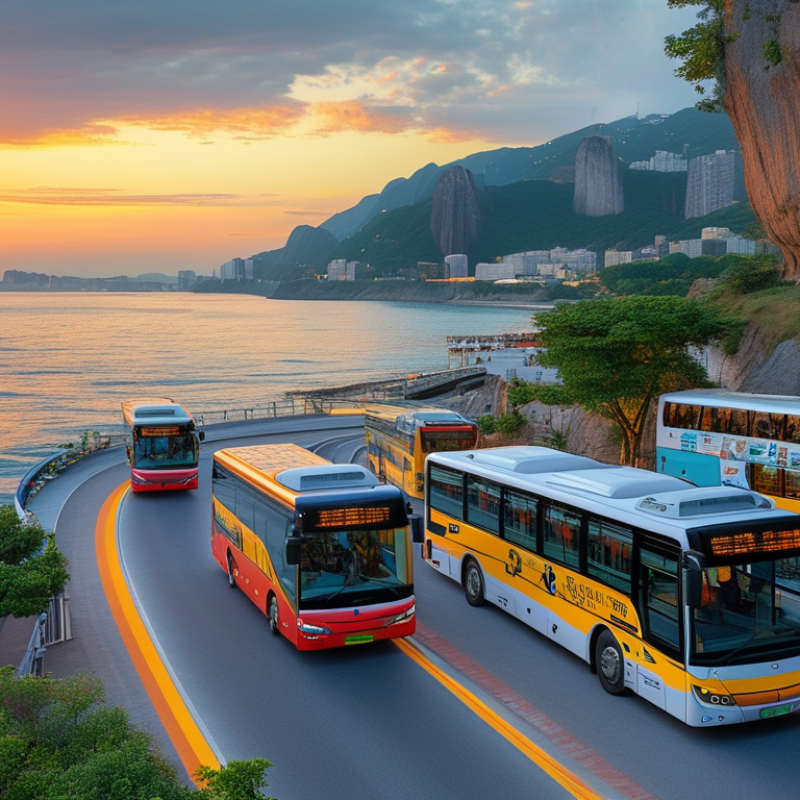
This article examines the leading Scenic Bus types for 2026, including open-top double-deckers, electric sightseeing buses, hybrid coaches, panoramic minibuses, and accessible low-floor models. Each design serves a different route. An open-top bus suits historic streets and coastal viewpoints. An electric bus performs better on low-emission urban circuits. A panoramic minibus can reach narrow mountain roads, but its capacity remains limited. The choice is rarely simple.

Technology is changing the baseline. The International Energy Agency’s Global EV Outlook 2024 recorded nearly 50,000 electric bus sales in 2023, with annual growth of about 30 percent. The report also noted China’s dominant position in electric bus deployment. Meanwhile, the World Travel & Tourism Council’s 2024 Economic Impact Research valued global travel and tourism at approximately 10.9 trillion US dollars in 2023. These figures suggest strong demand, but they do not guarantee profitable scenic operations.

Real routes reveal the difficult details. Battery range falls on steep roads. Glass roofs can intensify summer heat. Large buses may struggle beside old stone buildings. No single bus wins every route. This guide compares vehicle structure, passenger capacity, energy use, accessibility, operating cost, and visitor experience. Some conclusions remain provisional. Weather, charging access, and local road design can overturn a promising specification. That assumption needs testing.
What Are the 2026 Top Scenic Bus Types?

What Defines a Top Scenic Bus Type in 2026?

What Defines a Top Scenic Bus Type in 2026?

A top scenic bus type is defined by the journey, not its body shape. Operators should assess window height, seat visibility, turning radius, and boarding time together. A low-floor electric bus may serve city viewpoints well, while an open-top bus suits mild, dry routes. A quiet hybrid bus can remain practical where charging infrastructure is limited. Electric power helps, but it does not automatically create a better sightseeing experience.

Demand is also becoming more serious. UN Tourism’s World Tourism Barometer, published in January 2025, reported about 1.4 billion international arrivals in 2024, reaching 99% of 2019 levels. More visitors require smoother crowd movement, clearer information, and reliable climate control. Comfort matters. The IEA’s Global EV Outlook 2024 notes continued growth in electric bus deployment, especially in urban transport. Scenic operators should therefore examine battery range, charging schedules, and energy use on hills, not only brochure claims.

Safety and accessibility remain decisive. The World Health Organization’s Global Status Report on Road Safety 2023 records approximately 1.19 million annual road deaths worldwide. A top scenic bus needs stable handling, strong driver visibility, emergency access, and consistent braking. Wide doors and low steps help older passengers and wheelchair users. That is incomplete, though. Shade, glare control, and window reflections can change the entire view. In real route trials, planners should measure passenger sightlines at different seat rows. I would not call every electric bus scenic. Quietness helps, but thoughtful design matters more.

How Are Scenic Buses Classified by Design and Purpose?

In 2026, scenic buses are best classified by design and purpose, not appearance alone. An open-top double-decker suits city landmarks and coastal roads with mild weather. Its upper deck offers wide views, but wind, rain, and steep access can reduce comfort. A partially open roof creates a safer compromise.

Panoramic-roof coaches serve longer countryside routes and mountain corridors. Large windows, elevated seating, and climate control support extended travel. These buses need careful glass treatment to limit glare and heat. In practice, seat spacing matters as much as window size. A beautiful view becomes frustrating when passengers cannot turn comfortably.

Electric shuttle buses fit parks, heritage districts, and protected landscapes. Their quieter operation helps preserve natural sound, while low-floor entrances improve access for older travelers. Small buses work well on narrow roads and frequent stops. Larger coaches remain practical for tour groups and distant attractions. Some operators combine both designs, though transfers can interrupt the visitor experience. No classification is perfect. Weather, road gradients, passenger mobility, and daily distance should guide the final choice. Crew visibility, emergency access, ventilation, and maintenance records also reveal whether a scenic design is genuinely dependable.

What Are the 2026 Top Scenic Bus Types?

Scenic buses are commonly classified by their body design and travel purpose. The ranges below show typical passenger capacities rather than fixed industry standards.

Which Open-Top and Double-Decker Buses Maximize Views?

For 2026, open-top buses and double-decker buses remain strong choices for scenic routes. Open-top buses offer uninterrupted sky views, fresh air, and quick photography opportunities. They work especially well along waterfronts, historic districts, and low-rise city streets. Double-decker buses provide a higher viewing platform and greater passenger capacity. The upper deck can reveal rooftops, bridges, and distant landmarks that standard buses often hide. According to UN Tourism’s World Tourism Barometer, international arrivals reached about 1.4 billion in 2024, nearly matching 2019 levels. That recovery supports demand for memorable sightseeing transport.

Tips: Choose an open-top layout for atmosphere. Choose a double-decker layout for elevation and volume. Check wind exposure, rain protection, stair access, and road clearance before purchasing. A partially covered upper deck may be more practical than a fully open design. Small details matter.

The World Travel & Tourism Council’s 2025 Economic Impact Research valued global travel and tourism at about 11.6 trillion dollars in 2024. Operators therefore need buses that turn passenger time into visible experiences. Wide front windows, elevated seats, low-reflection glass, and quiet suspension improve the journey. However, the tallest bus is not always the best bus. Narrow streets, tree branches, and low bridges can quickly reduce its usefulness. I would not call one type a universal winner. Route geography, seasonal weather, boarding speed, and accessibility should guide the final choice. Scenic appeal is powerful, but operational mistakes remain expensive.

Why Are Electric Scenic Buses Gaining Popularity in 2026?

In 2026, Electric Scenic Buses are becoming a practical choice for city tours, coastal routes, and mountain parks. Their quiet drivetrains let passengers hear waterfalls, birds, and local guides more clearly. Low-floor designs also improve access for older travelers and wheelchair users. Common formats include open-top sightseeing buses, panoramic-window coaches, and compact electric shuttles for narrow roads.

The International Energy Agency reported nearly 50,000 electric bus sales worldwide in 2023, with annual growth of about 30%. China represented more than 90% of global electric bus sales that year, according to the IEA’s Global EV Outlook 2024. This scale has helped lower battery costs and improve charging systems. The UITP Global Status Report on Public Transport 2024 also identifies electrification as a major pathway for reducing urban transport emissions.

Operational experience shows clear benefits. Regenerative braking performs well on downhill scenic routes, while overnight charging suits scheduled tourism services. A quieter cabin can also reduce passenger fatigue. However, battery weight may limit luggage space and steep-route range. Cold weather creates another concern. Operators must measure real route energy use, not rely only on laboratory figures. The ICCT has found that electric buses generally produce substantially lower lifetime greenhouse-gas emissions than diesel models, but results depend on the electricity mix. The transition is promising, yet not effortless. Some routes still need smaller batteries, opportunity charging, or hybrid planning.

How Should Each Bus Type Match Different Scenic Routes?

Scenic routes need buses chosen for the landscape, not only passenger capacity. Open-top double-deckers suit historic centers, coastal roads, and wide valley viewpoints. Their upper decks provide clear photographs and fresh air. However, low bridges, strong winds, and sudden rain can quickly reduce comfort. Check height limits carefully before operation.

Electric shuttle buses work well on short park loops, lakefront paths, and protected natural areas. They produce less street noise, helping passengers hear guides and birds. Their quiet movement also suits wildlife-sensitive routes. Charging time, steep slopes, and winter temperatures require realistic planning.

A high-floor touring coach remains better for long mountain journeys. It offers luggage space, stable seating, climate control, and stronger performance on changing roads. Yet its larger turning radius can exclude narrow villages and older viewpoints.

Tips: Match the bus to three route facts: road width, weather exposure, and stop frequency. Measure every tight corner, not just the main highway. Include wheelchair access and non-slip flooring. Small details matter. Leave battery and fuel reserves for delays. One practical lesson is easy to miss: a beautiful route may be unsuitable for a beautiful bus. Test the full circuit with staff before selling seats. We should also admit that forecasts are imperfect. A flexible roof, spare charging plan, or alternate stop can protect the passenger experience when conditions change.

Copyright 2025 Fluidra S.A. | Created by BCM Marketing Agencia Privacy Policy Legal note | Cookie policy |

Technical cookies are strictly necessary for our website to work and you can navigate through it. These types of cookies are those that, for example, allow us to identify you, give you access to certain restricted parts of the page if necessary, or remember different options or services already selected by you, such as your privacy preferences. Therefore, they are activated by default, your authorization not being necessary in this regard. Through the configuration of your browser, you can block or alert the presence of this type of cookies, although such blocking will affect the proper functioning of the different functionalities of our website.


The analysis cookies allow us to study the navigation of the users of our website in general (for example, which sections of the page are the most visited, which services are used most and if they work correctly, etc.). From the statistical information on navigation on our website, we can improve both the operation of the page itself and the different services it offers. Therefore, these cookies do not have an advertising purpose, but only serve to make our website work better, adapting to our users in general. By activating them you will contribute to this continuous improvement. You can enable or disable these cookies by checking the corresponding box, being disabled by default.


Functionality cookies allow us to remember your preferences, to personalize certain characteristics and general options of our website, every time you access it (for example, the language in which the information is presented to you, the sections marked as favorites, your browser type, etc.) Therefore, this type of cookies does not have an advertising purpose, but by activating them you will improve the functionality of the website (for example, adapting to your type of browser) and the customization of it based on your preferences (for example, by presenting the information in the language that you have chosen in previous occasions), which will contribute to the ease, usability and comfort of our page during your navigation. You can enable or disable these cookies by checking the corresponding box, being disabled by default.


Advertising cookies allow us to manage the advertising spaces included in our website based on criteria such as the content shown or the frequency in which the ads are displayed. For example, if you have been shown the same ad several times on our website, and you have not shown a personal interest by clicking on it, it will not appear again. In summary, by activating this type of cookies, the advertising shown on our website will be more useful and diverse, and less repetitive. You can enable or disable these cookies by checking the corresponding box, being disabled by default.


Behavioral advertising cookies allow us to obtain information based on the observation of your browsing habits and behaviors on the web, in order to show you advertising content that best suits your personal tastes and interests. To understand it in a very simple way, we will give you a fictitious example: if your last searches on the web were related to suspense literature, we would show you advertising about suspense books. Therefore, activating this type of cookies, the advertising that we show you on our website will not be generic, but will be oriented to your searches, tastes and interests, therefore adjusting exclusively to you. You can enable or disable these cookies by checking the corresponding box, being disabled by default.
To understand it in a very simple way, we will give you a fictitious example: if your last searches on the web were related to suspense literature, we would show you advertising about suspense books. Therefore, activating this type of cookies, the advertising that we show you on our website will not be generic, but will be oriented to your searches, tastes and interests, therefore adjusting exclusively to you. You can enable or disable these cookies by checking the corresponding box, being disabled by default.

SAVE

We use our own and third-party cookies to ensure the proper functioning of the website and to analyse our services, improve your experience on our website and show you advertisements related to your interests according to profiling based on your browsing habits (e.g. websites visited). You can accept all cookies by clicking "ACCEPT" or set or reject them by clicking here. If you would like to know more about the use of cookies, please see our COOKIE POLICY.


ACCEPT ALL
Reject no essentials


