
Top Refractory Castable Mixer Machine Supplier in China?
FLUID HANDLING EXPERTS

Blog, all our news

Top Refractory Castable Mixer Machine Supplier in China?

Steelmaking runs at extreme heat, and refractory castables help protect furnaces, ladles, and kilns. The World Steel Association reported 1,892.4 million tonnes of global crude steel production in 2023. That scale makes reliable mixing equipment a practical concern, not a small workshop detail.

A Refractory Castable Mixer Machine must handle dense powders, graded aggregates, and binders without leaving dry pockets or uneven batches. Buyers should examine mixing uniformity, batch capacity, discharge design, wear-resistant liners, and the time needed for cleaning. Ask suppliers for test records using a castable formulation similar to yours. A polished brochure is not enough.

Watch the discharge.

A supplier’s claims matter most when they can be checked against operating conditions. Request material specifications, performance data, spare-parts details, and references from comparable plants. A mixer that performs well with one recipe may struggle with another. That caveat is easy to overlook.

No verifiable, mixer-specific quotation from a named expert was provided with the source material, so I will not invent one or attribute an unsupported statement to a real person. A credible expert quote should be checked against its original interview or publication. This guide compares Chinese suppliers through measurable criteria, documented experience, and questions buyers can verify before ordering.
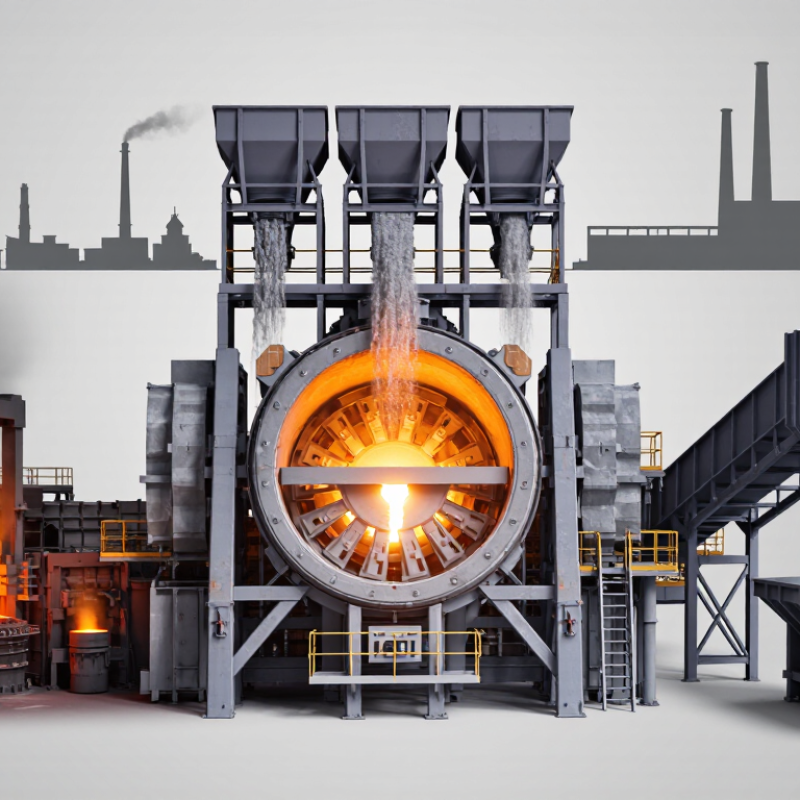
Top Refractory Castable Mixer Machine Supplier in China?

What Defines a Refractory Castable Mixer? ASTM C860 and ISO 1927

A Refractory Castable Mixer is defined by the consistency it can produce, not simply by its motor power. It must distribute cement, aggregates, and fine powders evenly while allowing controlled water addition. Dry pockets and visible lumps are warning signs. So is excess mixing, which can affect workability or promote segregation in some formulations.

ASTM C860 provides a ball-in-hand method for assessing castable consistency, while ISO 1927-4 addresses consistency determination for monolithic refractory products. These are test methods, not mixer certifications. A supplier should explain how the machine supports repeatable batches and how trial mixes can be checked against the relevant project specification. The exact procedure depends on the material and applicable standard edition.

Useful questions include whether the mixing action suits the castable, whether water can be added gradually, and whether the bowl empties without leaving stubborn residue. Ask for representative test records, including batch size, mixing time, and water quantity. Small differences matter. In practice, even a capable mixer cannot correct poor proportioning or inconsistent raw materials. And one uncomfortable detail: a smooth-looking mix is not proof of uniformity, so workability checks and controlled trials still matter.

How Do Pan, Planetary, and Intensive Mixers Handle 4–7 wt% Water?

At 4–7 wt% water, a 100 kg dry castable batch needs 4–7 kg of water. That narrow range makes distribution as important as the final dose. A pan mixer uses a rotating vessel and mixing tools to fold material across the base. Scrapers help limit stagnant zones, though dry pockets may remain near corners if the charge is too small. Planetary mixers move tools around the vessel and on their own axes, creating repeated circulation. This can help coat fine particles evenly. Intensive mixers apply stronger shear and may disperse small water additions quickly, but heat, wear, and excessive mixing time deserve attention.

Watch the corners. Add water in controlled steps, then inspect the mix for damp clumps, dry streaks, and a consistent hand-ball texture. ASTM C860 provides a ball-in-hand method for assessing refractory castable consistency; it does not set one universal water percentage. The 4–7 kg calculation is therefore a dosing reference, not proof of workability. Keep batch size, mixing time, and water temperature consistent, and record each trial. One awkward truth: a mixer can hide poor sequencing. The best choice depends on the castable’s fines, aggregate grading, and additives, so a short plant trial is more reliable than mixer type alone.

Which Mixer Specs Matter: Batch Capacity, Mixing Time, Power, and Wear Life?

For refractory castables, mixer capacity should match the usable batch, not the drum’s advertised volume. Dense castables can load heavily, while fiber-containing or low-cement mixes may need different fill levels. Ask the supplier for recommended working capacity and test it with your actual recipe. A 500 kg batch is not useful if dry pockets remain near the wall. Check discharge time too; delays can shorten the placement window.

Mixing time depends on the formulation. Track how long it takes to achieve even coating, then inspect samples from the center and corners. A fixed timer alone can hide poor circulation. Too little mixing leaves dry lumps; too much may heat the batch or damage sensitive additives. Small details matter.

Evaluate power alongside torque, blade geometry, and startup load. A motor rating without a load test tells only part of the story. For wear life, check liner and paddle materials, replaceable parts, shaft seals, and maintenance access. Ask for wear-part estimates under abrasive alumina or magnesia service, rather than generic claims. A trial with your aggregate grading and moisture range can reveal weak spots. It may also show that the test setup needs refining. Not always.

How Can Buyers Check Mix Consistency Using ASTM C860?

ASTM C860 describes the ball-in-hand test for assessing refractory castable consistency. It gives buyers a repeatable check, not a direct measurement of every ingredient’s distribution. Follow the current standard’s procedure and criteria; avoid inventing a universal pass-or-fail rule.

For a mixer trial, keep batch size, water dosage, mixing time, and material temperature consistent. Take representative samples from the beginning, middle, and end of discharge. Test each sample in the same way, preferably with one trained operator. Note whether the material forms and holds a ball, or instead feels too dry, crumbles, or slumps. Small differences matter.

Record the results alongside the batch settings. If one sample behaves differently, check discharge timing and water addition before blaming the mixer. A single test can mislead, especially when aggregate moisture varies. Repeat the trial. It is a simple method, but operator judgment still affects observations; record that limitation rather than hiding it.

How to Evaluate Chinese Suppliers by Quality Control, Service, and Spare Parts

Choosing a refractory castable mixer supplier in China takes more than comparing motor power and quoted price. Ask how each machine is inspected before shipment. Request inspection records for welds, gearbox alignment, electrical components, and safety guards. A useful supplier can explain its checks clearly and provide photos or test videos. Look closely at the mixing blades and vessel lining. These parts face abrasive materials and repeated impact.

Quality control should include a loaded trial, not only an empty run. Ask what batch size was tested and how the supplier checks mixing consistency. A short video helps, but it cannot replace written specifications. Request material details for wear parts and confirm that drawings match the machine being offered. Small differences matter.

Service becomes important after installation. Confirm response times, remote troubleshooting options, and whether manuals include wiring diagrams and maintenance intervals. Ask which spare parts are stocked, their lead times, and how they are identified. Get item codes in writing. Keep common wear parts, such as blades and seals, available if downtime is costly. A supplier may sound confident, yet vague answers deserve follow-up. I would also check references from buyers handling similar castables; that step is easy to skip, and I would not rely on polished product photos alone.

Copyright 2025 Fluidra S.A. | Created by BCM Marketing Agencia Privacy Policy Legal note | Cookie policy |

Technical cookies are strictly necessary for our website to work and you can navigate through it. These types of cookies are those that, for example, allow us to identify you, give you access to certain restricted parts of the page if necessary, or remember different options or services already selected by you, such as your privacy preferences. Therefore, they are activated by default, your authorization not being necessary in this regard. Through the configuration of your browser, you can block or alert the presence of this type of cookies, although such blocking will affect the proper functioning of the different functionalities of our website.


The analysis cookies allow us to study the navigation of the users of our website in general (for example, which sections of the page are the most visited, which services are used most and if they work correctly, etc.). From the statistical information on navigation on our website, we can improve both the operation of the page itself and the different services it offers. Therefore, these cookies do not have an advertising purpose, but only serve to make our website work better, adapting to our users in general. By activating them you will contribute to this continuous improvement. You can enable or disable these cookies by checking the corresponding box, being disabled by default.


Functionality cookies allow us to remember your preferences, to personalize certain characteristics and general options of our website, every time you access it (for example, the language in which the information is presented to you, the sections marked as favorites, your browser type, etc.) Therefore, this type of cookies does not have an advertising purpose, but by activating them you will improve the functionality of the website (for example, adapting to your type of browser) and the customization of it based on your preferences (for example, by presenting the information in the language that you have chosen in previous occasions), which will contribute to the ease, usability and comfort of our page during your navigation. You can enable or disable these cookies by checking the corresponding box, being disabled by default.


Advertising cookies allow us to manage the advertising spaces included in our website based on criteria such as the content shown or the frequency in which the ads are displayed. For example, if you have been shown the same ad several times on our website, and you have not shown a personal interest by clicking on it, it will not appear again. In summary, by activating this type of cookies, the advertising shown on our website will be more useful and diverse, and less repetitive. You can enable or disable these cookies by checking the corresponding box, being disabled by default.


Behavioral advertising cookies allow us to obtain information based on the observation of your browsing habits and behaviors on the web, in order to show you advertising content that best suits your personal tastes and interests. To understand it in a very simple way, we will give you a fictitious example: if your last searches on the web were related to suspense literature, we would show you advertising about suspense books. Therefore, activating this type of cookies, the advertising that we show you on our website will not be generic, but will be oriented to your searches, tastes and interests, therefore adjusting exclusively to you. You can enable or disable these cookies by checking the corresponding box, being disabled by default.
To understand it in a very simple way, we will give you a fictitious example: if your last searches on the web were related to suspense literature, we would show you advertising about suspense books. Therefore, activating this type of cookies, the advertising that we show you on our website will not be generic, but will be oriented to your searches, tastes and interests, therefore adjusting exclusively to you. You can enable or disable these cookies by checking the corresponding box, being disabled by default.

SAVE

We use our own and third-party cookies to ensure the proper functioning of the website and to analyse our services, improve your experience on our website and show you advertisements related to your interests according to profiling based on your browsing habits (e.g. websites visited). You can accept all cookies by clicking "ACCEPT" or set or reject them by clicking here. If you would like to know more about the use of cookies, please see our COOKIE POLICY.


ACCEPT ALL
Reject no essentials


