
Top Pill Counting Machine Manufacturers for Global Buyers
FLUID HANDLING EXPERTS

Blog, all our news

Top Pill Counting Machine Manufacturers for Global Buyers

Selecting a Pill Counting Machine manufacturer is not just a price comparison. Global buyers need equipment that fits their product range, production volume, and quality procedures. A supplier’s technical documents, service capacity, and installation support can matter as much as the machine’s advertised speed. Details matter.

A useful comparison examines counting accuracy across different tablet and capsule sizes, changeover steps, cleaning access, and safeguards against cross-contamination. Ask how performance is tested and what operating conditions the figures assume. A fast count is not enough. Request clear specifications, sample testing where practical, and references from facilities with similar needs. These checks help separate documented capability from attractive claims.

Service deserves close attention. Confirm spare-parts availability, response times, operator training, warranty terms, and support across your region and time zone. Also review whether the equipment can connect with existing packaging lines and record the information your quality team requires. Requirements vary by facility, so no single manufacturer suits every buyer. Even a careful shortlist can miss something; real-world trials may reveal awkward changeovers or cleaning steps that brochures barely mention. This guide introduces leading manufacturers and practical criteria for comparing them, while encouraging buyers to verify claims directly. The aim is a dependable fit—not simply the most impressive specification.
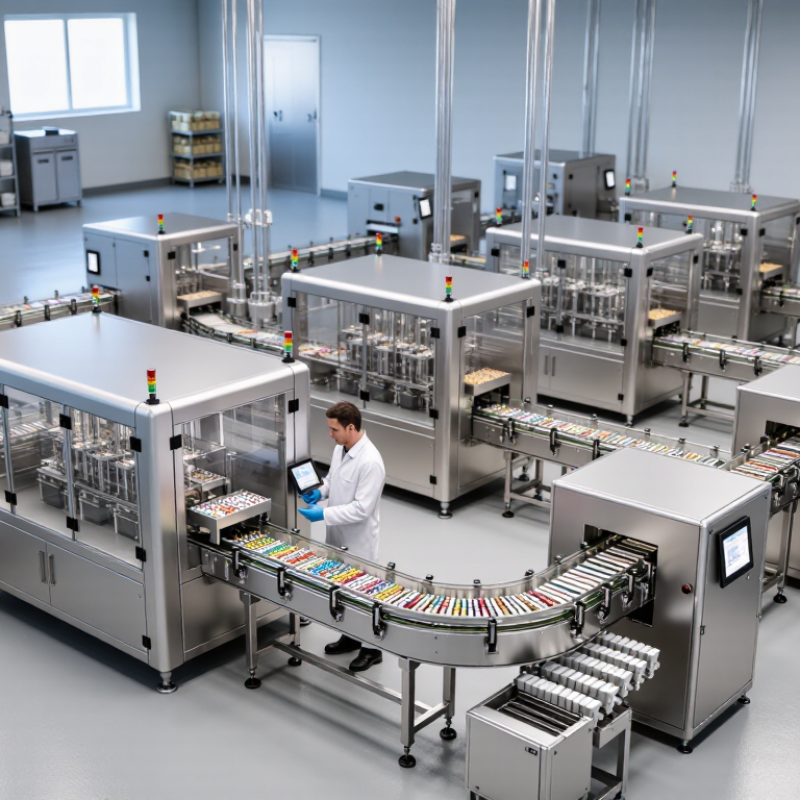
Top Pill Counting Machine Manufacturers for Global Buyers

Understanding Pill Counting Machines and Their Role in Packaging

Top Pill Counting Machine Manufacturers for Global Buyers

Understanding Pill Counting Machines and Their Role in Packaging

A pill counting machine measures a selected quantity of tablets or capsules before they enter a container. Depending on its design, it may use sensors, a rotating disc, or controlled channels to count each item. The machine then releases the count into a bottle or other package. Accuracy matters. A missed tablet can create rework, while a crowded feed may interrupt production.

Counting is only one step in packaging. Operators also need to consider product size, shape, coating, and dust, since these can affect feeding and sensor performance. A useful machine should allow practical adjustments and straightforward cleaning between product runs. Buyers should review test results using their own products, not rely only on a stated speed. Fast is not always better.

Tips: Ask how the machine handles mixed sizes, changeovers, and count checks. Confirm training, spare-part access, and service response for your region. Check the power and container formats, too. Small details matter. A well-matched counter can support steady filling, but it cannot replace routine inspections; that part still depends on people, and it is easy to underestimate.

Key Technologies and Features That Distinguish Manufacturers

For global buyers, a pill counting machine should be judged by more than its stated output per minute. Reliable manufacturers explain how optical sensors, vibration channels, and feed gates work together to separate and count tablets. Ask for test data using products similar in shape, coating, and size to yours. Small differences matter. A glossy round tablet may behave differently from a narrow capsule-shaped one, even at the same target speed. Clear controls should let operators adjust recipes, set count targets, and review alarms without guesswork. Changeovers should also be practical, with accessible contact parts and documented cleaning steps.

Look closely at rejection handling and calibration. A useful system identifies underfilled or overfilled containers and directs them away from the accepted line. Ask how often sensors need checking, and whether the machine records settings and production events. These details support repeatability; they do not guarantee it. No specification sheet can replace a witnessed trial with representative product. Manufacturer support matters, too: response times, spare-part availability, and operator training affect uptime after installation. Buyers should compare the same test conditions across suppliers. One point deserves reflection: the fastest machine may not be the best fit if frequent jams, difficult cleaning, or inconsistent counts slow the wider production line.

Top Pill Counting Machine Manufacturers for Global Buyers - Key Technologies and Features That Distinguish Manufacturers

Evaluation Dimension Common Machine Options Key Technology or Feature What Buyers Should Verify
Counting method Optical counting; electronic sensor counting; tray or channel-based counting Sensors detect and count items as they pass through a controlled feed path. Optical systems commonly use photoelectric sensing. Request a test using the actual product, including the smallest and largest items and any difficult shapes.
Product range Configurations for tablets, capsules, and other compatible solid dosage forms Adjustable feed tracks, vibration settings, and product-contact components help accommodate different shapes and sizes. Confirm compatibility with coated, irregular, fragile, or static-prone products; not every model handles every format.
Counting accuracy Accuracy depends on the product, feed stability, counting setup, and operating conditions. Product separation and sensor response help reduce missed counts and double counts. Ask for documented acceptance-test results for the intended product and target count. Avoid relying on a headline accuracy figure alone.
Throughput Single-lane and multi-lane systems; output varies with count size, container handling, and product characteristics. Multiple counting channels and coordinated bottle indexing can increase line output. Compare verified containers per minute at the required count, rather than comparing maximum component speed.
Feeding and product handling Hoppers, vibratory feeders, chutes, and dedicated counting channels Controlled vibration and product-flow design help separate items before they reach the sensors. Check for product damage, bridging, dust buildup, and stable feeding during a sustained production run.
Container handling Manual, semi-automatic, or automatic bottle positioning and filling Bottle sensors, indexing mechanisms, and synchronized discharge help coordinate counting with container movement. Confirm container size range, changeover requirements, and compatibility with upstream and downstream equipment.
Controls and data Operator panel with recipe settings, alarms, and production parameters Recipe storage can help standardize settings for repeat products; data connectivity depends on the supplied configuration. Check user access controls, data export, alarm history, and required integration with plant systems.
Cleaning and changeover Tool-assisted or tool-less removal of product-contact parts, depending on design Accessible surfaces and removable chutes or trays can simplify cleaning and product changeover. Review cleaning instructions, changeover time, product-contact materials, and cross-contamination controls.
Inspection and reject handling Optional bottle presence checks, reject mechanisms, or downstream inspection equipment Interlocks and sensors can identify selected fault conditions, such as a missing container or a detected count issue. Define the faults the system must detect and verify reject confirmation and line-stop behavior during testing.
Compliance and validation support Documentation and configuration vary by machine and intended market. Available documentation may include equipment manuals, material information, test records, and qualification support. Confirm applicable regulatory requirements, documentation scope, and responsibilities before purchase; equipment alone does not ensure compliance.
Service and lifecycle support Remote assistance, spare parts, training, and on-site service depend on supplier arrangements. Clear maintenance schedules and parts lists can support planned upkeep and troubleshooting. Check response times, local service coverage, spare-parts availability, warranty terms, and operator training.

Note: Capabilities and performance depend on the specific machine configuration, product, container, and operating conditions. Validate requirements with a product trial and written acceptance criteria.

How to Evaluate Pill Counting Machine Manufacturers

When evaluating pill counting machine manufacturers, look beyond the advertised speed. Ask for a live demonstration using tablets similar in size, shape, and surface finish to yours. Watch the count display, reject mechanism, and discharge into a bottle. Small details matter. A fast machine is not useful if frequent stoppages slow the line.

Request documented test results for counting accuracy at different speeds and batch sizes. Check how the manufacturer handles dust, static, and tablets that overlap or bounce in the feed path. Ask what changeover involves when switching bottle sizes, and whether operators can complete it without special tools. These details can expose practical limits that a brochure may not show. A polished demonstration is helpful, but it is not enough.

Service quality deserves equal attention. Ask about installation, operator training, troubleshooting response times, and the availability of common spare parts. If possible, speak with a current customer running a similar production setup. Review whether the machine can connect with your existing line and whether cleaning and maintenance steps are clearly documented. No checklist catches every problem. I would be cautious of any supplier that promises perfect performance without discussing test conditions, wear, or operator technique.

Leading Manufacturers Serving Global Buyers

Global buyers should assess pill counting machine manufacturers by verified performance, not catalogue claims. PMMI’s 2023 State of the Industry report placed U.S. packaging machinery shipments at about $10.9 billion in 2022, reflecting a substantial industrial base. That figure covers packaging machinery broadly, not pill counters alone. Still, it signals why buyers should compare suppliers’ engineering depth, documentation, and service capacity across markets.

Demand clear evidence. Ask manufacturers for counting accuracy tests using tablets of different shapes, coatings, and sizes. Request sample batch records, calibration procedures, and details on how operators clear jams. A good machine should handle the buyer’s actual containers and line speed. Watch a live trial. Check spare-parts availability, remote support hours, and training languages before signing. Small details matter.

WHO’s 2017 global surveillance report estimated that one in ten medical products in low- and middle-income countries is substandard or falsified. This estimate is not a measure of pill-counting equipment, but it reinforces the value of reliable quality controls and traceable production records. Buyers should also review installation references and ask how performance is checked after commissioning. A polished demonstration is useful, but it can hide difficult changeovers. I would not treat one successful test as proof of long-term reliability.

Comparing Suppliers by Compliance, Support, and Total Cost of Ownership

For global buyers, a pill counting machine should be judged by documented controls, not brochure speed alone. Ask for calibration records, user access controls, cleaning instructions, and batch-level count records. Confirm that documentation fits your destination market and site procedures. One certificate rarely answers every question. Request a sample run with your actual containers and tablet shapes. Watch for double counts, missed tablets, and how the machine handles a full reject bin.

Support is part of the purchase. Compare installation, operator training, spare-part availability, and realistic response times across time zones. Estimate total cost of ownership over several years, including change parts, maintenance visits, downtime, and consumables. A lower quote may become expensive if a sensor takes weeks to replace. Ask what routine servicing requires from your technicians. Even a careful estimate will be imperfect; usage changes, and that matters.

Tips: Put service promises in writing. Ask suppliers to quote the same assumptions, including shifts per day and format changes. Keep a spare-parts list near the machine. If a demonstration looks unusually smooth, repeat it with a less tidy batch.

Top Pill Counting Machine Manufacturers for Global Buyers — Comparing Suppliers by Compliance, Support, and Total Cost of Ownership

Compliance references buyers may encounter when evaluating equipment suppliers. Bars show the year each reference was first published or adopted—not supplier scores or certification status.

How to use this: Ask suppliers which requirements apply to your equipment, destination market, and intended use, and request supporting documentation. These references are not automatically mandatory for every pill counting machine. Compare service coverage, spare-parts availability, maintenance needs, and training alongside the purchase price when estimating total cost of ownership.

Reference years: FDA 21 CFR Part 11 (1997); ISO 9001 (2015); IEC 60204-1 (2016); ISO 13485 (2016); Regulation (EU) 2023/1230 (2023). The EU Machinery Regulation applies from 20 January 2027.

Sources: 21 CFR Part 11 · ISO 9001:2015 · IEC 60204-1:2016 · ISO 13485:2016 · Regulation (EU) 2023/1230

Copyright 2025 Fluidra S.A. | Created by BCM Marketing Agencia Privacy Policy Legal note | Cookie policy |

Technical cookies are strictly necessary for our website to work and you can navigate through it. These types of cookies are those that, for example, allow us to identify you, give you access to certain restricted parts of the page if necessary, or remember different options or services already selected by you, such as your privacy preferences. Therefore, they are activated by default, your authorization not being necessary in this regard. Through the configuration of your browser, you can block or alert the presence of this type of cookies, although such blocking will affect the proper functioning of the different functionalities of our website.


The analysis cookies allow us to study the navigation of the users of our website in general (for example, which sections of the page are the most visited, which services are used most and if they work correctly, etc.). From the statistical information on navigation on our website, we can improve both the operation of the page itself and the different services it offers. Therefore, these cookies do not have an advertising purpose, but only serve to make our website work better, adapting to our users in general. By activating them you will contribute to this continuous improvement. You can enable or disable these cookies by checking the corresponding box, being disabled by default.


Functionality cookies allow us to remember your preferences, to personalize certain characteristics and general options of our website, every time you access it (for example, the language in which the information is presented to you, the sections marked as favorites, your browser type, etc.) Therefore, this type of cookies does not have an advertising purpose, but by activating them you will improve the functionality of the website (for example, adapting to your type of browser) and the customization of it based on your preferences (for example, by presenting the information in the language that you have chosen in previous occasions), which will contribute to the ease, usability and comfort of our page during your navigation. You can enable or disable these cookies by checking the corresponding box, being disabled by default.


Advertising cookies allow us to manage the advertising spaces included in our website based on criteria such as the content shown or the frequency in which the ads are displayed. For example, if you have been shown the same ad several times on our website, and you have not shown a personal interest by clicking on it, it will not appear again. In summary, by activating this type of cookies, the advertising shown on our website will be more useful and diverse, and less repetitive. You can enable or disable these cookies by checking the corresponding box, being disabled by default.


Behavioral advertising cookies allow us to obtain information based on the observation of your browsing habits and behaviors on the web, in order to show you advertising content that best suits your personal tastes and interests. To understand it in a very simple way, we will give you a fictitious example: if your last searches on the web were related to suspense literature, we would show you advertising about suspense books. Therefore, activating this type of cookies, the advertising that we show you on our website will not be generic, but will be oriented to your searches, tastes and interests, therefore adjusting exclusively to you. You can enable or disable these cookies by checking the corresponding box, being disabled by default.
To understand it in a very simple way, we will give you a fictitious example: if your last searches on the web were related to suspense literature, we would show you advertising about suspense books. Therefore, activating this type of cookies, the advertising that we show you on our website will not be generic, but will be oriented to your searches, tastes and interests, therefore adjusting exclusively to you. You can enable or disable these cookies by checking the corresponding box, being disabled by default.

SAVE

We use our own and third-party cookies to ensure the proper functioning of the website and to analyse our services, improve your experience on our website and show you advertisements related to your interests according to profiling based on your browsing habits (e.g. websites visited). You can accept all cookies by clicking "ACCEPT" or set or reject them by clicking here. If you would like to know more about the use of cookies, please see our COOKIE POLICY.


ACCEPT ALL
Reject no essentials


