
Top Longer Laser Cutter Models for Every Budget
FLUID HANDLING EXPERTS

Blog, all our news

Top Longer Laser Cutter Models for Every Budget

A Longer Laser Cutter can make detailed projects easier, but choosing one involves more than comparing price tags. Work area, laser power, software, and material compatibility all affect what a machine can handle. A compact model may suit small signs, labels, and craft pieces. A larger bed can reduce repositioning when you cut wider panels. That convenience matters.

This guide compares Longer Laser Cutter models across different budgets and project needs. It looks at practical details, including usable cutting space, setup requirements, included accessories, and the kinds of materials each model is designed to process. Specifications can vary by configuration, so check the manufacturer’s current product information before buying. Also consider ventilation, eye protection, and a stable workspace; these are part of responsible operation, not optional extras.

The lowest price is not always the best value. A machine that exceeds your needs may take up space and add cost, while a very basic option may limit future projects. That assumption can be wrong, though: a beginner might value simplicity more than extra features. Compare the models with your own workspace, typical materials, and spending limit in mind. A little hesitation here is useful. It can prevent an expensive mismatch later.
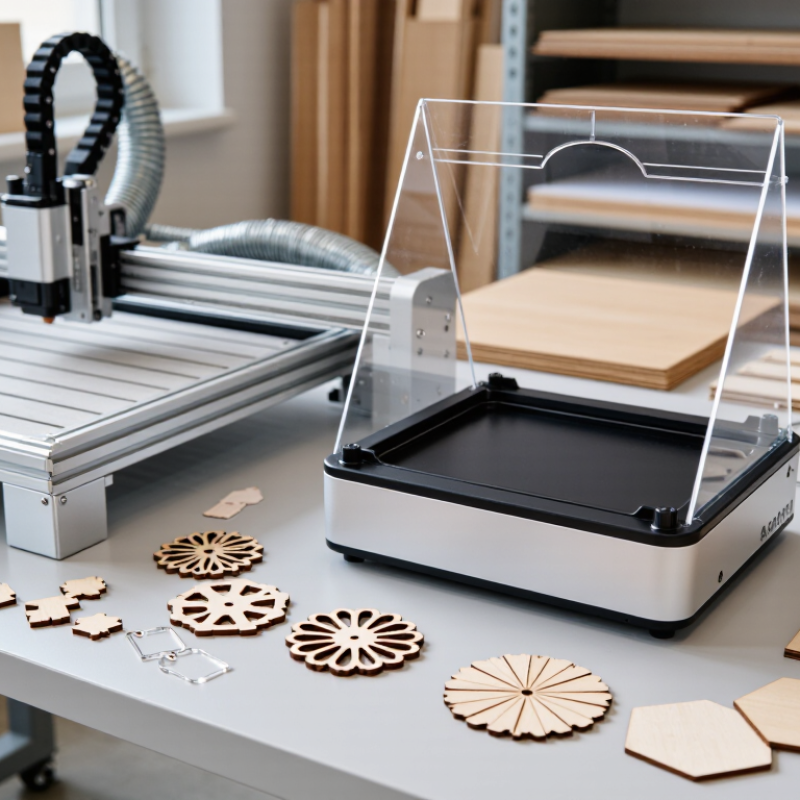
Top Longer Laser Cutter Models for Every Budget

Understanding Longer Laser Cutter Models and Their Core Features

Laser cutter models differ by laser source, output power, working area, and enclosure. Diode machines can handle many engraving jobs and some thin, opaque materials. CO2 systems are commonly chosen for wood and acrylic, while fiber systems target metal marking and cutting. These categories are not interchangeable. A larger bed may fit a full sheet, but it also needs more bench space and ventilation.

Grand View Research’s 2023 laser-cutting-machine market report estimated the global market at about US$5.3 billion and projected roughly 7.5% annual growth through 2030. That growth reflects wider industrial use, but it does not tell you which machine fits a small workshop. Compare usable bed dimensions, material compatibility, focusing method, air assist, and extraction requirements. Output power matters, yet real cutting results also depend on material thickness and speed. Specs can look clear on paper; setup time is easier to underestimate.

Tips: Check the manufacturer’s material guidance before buying, and measure the widest piece you expect to process. Leave room for exhaust routing. A cheap model can still be the wrong fit.

Top Longer Laser Cutter Models for Every Budget - Understanding Longer Laser Cutter Models and Their Core Features

Machine Type Typical Budget (USD) Laser Source and Output Typical Work Area Suitable Materials Key Features Best For
Compact Diode Engraver $150–$400 Blue diode; approximately 5–10 W optical output About 400 × 400 mm Wood, paper, leather, and opaque coated materials; not suitable for clear acrylic cutting Small footprint, relatively low purchase cost, and simple setup; an enclosure and air assist may be optional Beginners, hobby projects, and light engraving
Enclosed Diode Cutter $400–$1,000 Blue diode; approximately 10–20 W optical output About 400 × 400 mm Wood, paper, leather, and opaque coated materials; clear acrylic is generally unsuitable for diode cutting Protective enclosure, interlock, exhaust connection, and often air assist; check included safety features before purchase Home workshops needing added protection and more consistent cutting
Desktop CO₂ Laser Cutter $2,000–$5,000 CO₂; approximately 40–60 W About 500 × 300 mm Wood, acrylic (including clear acrylic), paper, leather, and some fabrics; not bare metal Enclosed cutting area, exhaust ventilation, and commonly air assist; requires more installation and maintenance than a diode machine Small businesses and makers working with varied non-metal materials
Mid-Size CO₂ Laser Cutter $5,000–$10,000 CO₂; approximately 60–100 W About 700 × 500 mm Wood, acrylic, paper, leather, and some fabrics; not bare metal Larger bed, faster production potential, and usually stronger cooling and exhaust requirements Sign making, product fabrication, and regular batch work
Large-Format CO₂ Laser Cutter $10,000–$25,000+ CO₂; approximately 100–150 W or more About 900 × 600 mm or larger Wood, acrylic, paper, leather, and some fabrics; not bare metal Large work area and higher throughput potential; needs adequate space, electrical capacity, cooling, and exhaust ventilation Production workshops handling larger pieces or frequent jobs

Note: Prices, bed sizes, and laser outputs are broad, indicative ranges for common machine classes, not specifications for a particular model. Cutting results depend on material type, thickness, focus, speed, and machine condition. Use suitable ventilation and follow the machine's safety instructions; never cut PVC or other chlorine-containing materials.

Comparing Laser Power, Work Area, and Material Compatibility

Top Longer Laser Cutter Models for Every Budget
Comparing Laser Power, Work Area, and Material Compatibility

A longer work area helps with signs, panels, and batch jobs, but it also demands more floor space and careful material support. Compare usable bed dimensions, not just the machine’s outer footprint. Laser power matters, too, but wattage alone can mislead: wavelength, focus, and cutting speed affect the result. A diode laser suits many wood and coated-material projects, while CO₂ systems handle wood and many acrylics. Fiber lasers are commonly used for marking and processing metals. Check each machine’s material guidance before buying; “compatible” does not always mean clean edges or fast production.

Grand View Research valued the global laser-cutting-machine market at about US$5.5 billion in 2023 and projected continued growth through 2030. That market signal reflects broad industrial demand, not a guarantee that a larger or more powerful cutter is right for a small workshop. For a tight budget, prioritize the materials and sheet sizes you actually use. Extra capacity can sit idle. I’d also leave room for ventilation and maintenance; those needs are easy to underestimate.

Tips: Test a small offcut first. Compare cut quality at the same material thickness, and record power and speed settings. Confirm that the bed supports long stock without sagging. Check the manufacturer’s material list and ventilation requirements before running unfamiliar materials.

Top Longer Laser Cutter Models for Every Budget

Compare representative CO₂ laser cutter configurations by laser power and work area. These are typical specifications, not specific product models; actual specifications vary.

Material compatibility

CO₂ lasers commonly cut or engrave wood, acrylic, paper, cardboard, and leather. They can engrave glass, but generally are not suitable for cutting bare metal. Material type, thickness, and machine setup affect results; never laser-cut PVC or vinyl.

Work areas shown are calculated from representative bed dimensions. More power and a larger bed can support thicker materials and larger projects, but do not guarantee compatibility.

Affordable Longer Laser Cutters for Beginners and Small Projects

Affordable laser cutters suit beginners best when the work stays small and repeatable. Think engraved labels, paper templates, or thin plywood ornaments on a compact workbench. A larger machine can look like better value, but its footprint, ventilation needs, and replacement parts add costs. Small jobs first. That matters more than chasing maximum power.

Grand View Research estimated the global laser cutting machine market at about $5.73 billion in 2023, with projected growth through 2030. The report covers industrial equipment, not just hobby machines, so it cannot tell buyers what an entry-level cutter should cost. Still, it reflects broad demand for laser processing. For a first purchase, compare usable work area, material settings, enclosure, and exhaust requirements—not headline wattage alone.

Before ordering, check that the machine supports the materials you actually plan to use, and follow its manufacturer’s operating guidance. Never cut unknown plastics. A clear window, stable table, and dependable ventilation make a small project safer and less frustrating. I would leave room in the budget for these essentials; it is easy to underestimate them. Not automatically. A cheap cutter may still be the wrong fit if setup costs or limited material compatibility get in the way.

Mid-Range and Premium Models for Larger or More Demanding Work

A longer-bed laser cutter can handle full-size panels, repeated parts, or several smaller jobs in one setup. Mid-range models often suit workshops that need more working area without moving to the highest power tier. Check the usable bed dimensions, not just the machine’s outer footprint. A wide frame is helpful, but only if your room can accommodate it and the material can be loaded safely.

Premium models may offer stronger sources, faster motion, better cooling, and more consistent alignment during long production runs. Those details matter when cutting thick stock or running the machine for hours. Yet higher power is not automatically better; delicate engraving can still scorch, and results vary with material, focus, and airflow. Review the manufacturer’s supported-material guidance, then test settings on scrap. I would also inspect access to the lens, exhaust connection, and replacement parts before buying. It is easy to overlook maintenance until dust builds up.

Tips: Measure your largest workpiece and leave room around the machine for loading and ventilation. Keep a small settings log. Start with a low-power test, check the cut, and adjust one setting at a time. If edges look charred, pause and review focus and extraction rather than simply increasing power.

Choosing the Right Longer Laser Cutter for Your Budget and Needs

Choosing a laser cutter starts with the work you plan to make, not the largest advertised power number. A hobbyist engraving small wooden tags needs a different setup from someone cutting panels regularly. Measure your usual material, including its width and thickness, before comparing models. That simple step can prevent an expensive mismatch.

At a tighter budget, a compact machine may handle occasional engraving and small projects well. Check its usable work area, material compatibility, and whether the required ventilation or enclosure fits your workspace. For frequent cutting, a more powerful model can save time, but only if its bed size and supported materials match your projects. More power is not automatically better. It can add cost without improving the work you actually do.

Set aside money for practical extras, too: air assist, suitable exhaust, replacement parts, and protective equipment. Check the manufacturer’s material guidance rather than assuming every sheet with a familiar name behaves the same way. Test settings on scrap, since thickness and finish can change the result. It is easy to focus on cutting speed and overlook setup, noise, or maintenance. Those details matter on a busy workbench. A clear plan—and a little flexibility—usually makes a better buying guide than chasing the most impressive specification.

Copyright 2025 Fluidra S.A. | Created by BCM Marketing Agencia Privacy Policy Legal note | Cookie policy |

Technical cookies are strictly necessary for our website to work and you can navigate through it. These types of cookies are those that, for example, allow us to identify you, give you access to certain restricted parts of the page if necessary, or remember different options or services already selected by you, such as your privacy preferences. Therefore, they are activated by default, your authorization not being necessary in this regard. Through the configuration of your browser, you can block or alert the presence of this type of cookies, although such blocking will affect the proper functioning of the different functionalities of our website.


The analysis cookies allow us to study the navigation of the users of our website in general (for example, which sections of the page are the most visited, which services are used most and if they work correctly, etc.). From the statistical information on navigation on our website, we can improve both the operation of the page itself and the different services it offers. Therefore, these cookies do not have an advertising purpose, but only serve to make our website work better, adapting to our users in general. By activating them you will contribute to this continuous improvement. You can enable or disable these cookies by checking the corresponding box, being disabled by default.


Functionality cookies allow us to remember your preferences, to personalize certain characteristics and general options of our website, every time you access it (for example, the language in which the information is presented to you, the sections marked as favorites, your browser type, etc.) Therefore, this type of cookies does not have an advertising purpose, but by activating them you will improve the functionality of the website (for example, adapting to your type of browser) and the customization of it based on your preferences (for example, by presenting the information in the language that you have chosen in previous occasions), which will contribute to the ease, usability and comfort of our page during your navigation. You can enable or disable these cookies by checking the corresponding box, being disabled by default.


Advertising cookies allow us to manage the advertising spaces included in our website based on criteria such as the content shown or the frequency in which the ads are displayed. For example, if you have been shown the same ad several times on our website, and you have not shown a personal interest by clicking on it, it will not appear again. In summary, by activating this type of cookies, the advertising shown on our website will be more useful and diverse, and less repetitive. You can enable or disable these cookies by checking the corresponding box, being disabled by default.


Behavioral advertising cookies allow us to obtain information based on the observation of your browsing habits and behaviors on the web, in order to show you advertising content that best suits your personal tastes and interests. To understand it in a very simple way, we will give you a fictitious example: if your last searches on the web were related to suspense literature, we would show you advertising about suspense books. Therefore, activating this type of cookies, the advertising that we show you on our website will not be generic, but will be oriented to your searches, tastes and interests, therefore adjusting exclusively to you. You can enable or disable these cookies by checking the corresponding box, being disabled by default.
To understand it in a very simple way, we will give you a fictitious example: if your last searches on the web were related to suspense literature, we would show you advertising about suspense books. Therefore, activating this type of cookies, the advertising that we show you on our website will not be generic, but will be oriented to your searches, tastes and interests, therefore adjusting exclusively to you. You can enable or disable these cookies by checking the corresponding box, being disabled by default.

SAVE

We use our own and third-party cookies to ensure the proper functioning of the website and to analyse our services, improve your experience on our website and show you advertisements related to your interests according to profiling based on your browsing habits (e.g. websites visited). You can accept all cookies by clicking "ACCEPT" or set or reject them by clicking here. If you would like to know more about the use of cookies, please see our COOKIE POLICY.


ACCEPT ALL
Reject no essentials


