
The Hydraulic Pumps market is poised for significant growth by 2026. A recent report from Market Research Future estimates a compound annual growth rate (CAGR) of over 5% for this sector. Industries like construction and manufacturing drive the demand for hydraulic pumps. These pumps are vital for efficient fluid power systems, making them indispensable in various applications.
Innovations in hydraulic systems are enhancing performance and energy efficiency. For instance, advancements in pump design can reduce energy consumption by 20-30%. Users need to consider the right specifications when selecting hydraulic pumps. Implementation challenges still exist, particularly regarding compatibility with existing systems. Despite the market's growth, many buyers report difficulty in sourcing reliable suppliers.
Reliable information about hydraulic pumps is crucial for buyers. Understanding different types, like gear and piston pumps, helps in making informed decisions. However, industry standards and variations in performance can complicate choices. Thus, potential buyers should seek expert advice. This proactive approach ensures they invest in the best hydraulic pump solutions available.
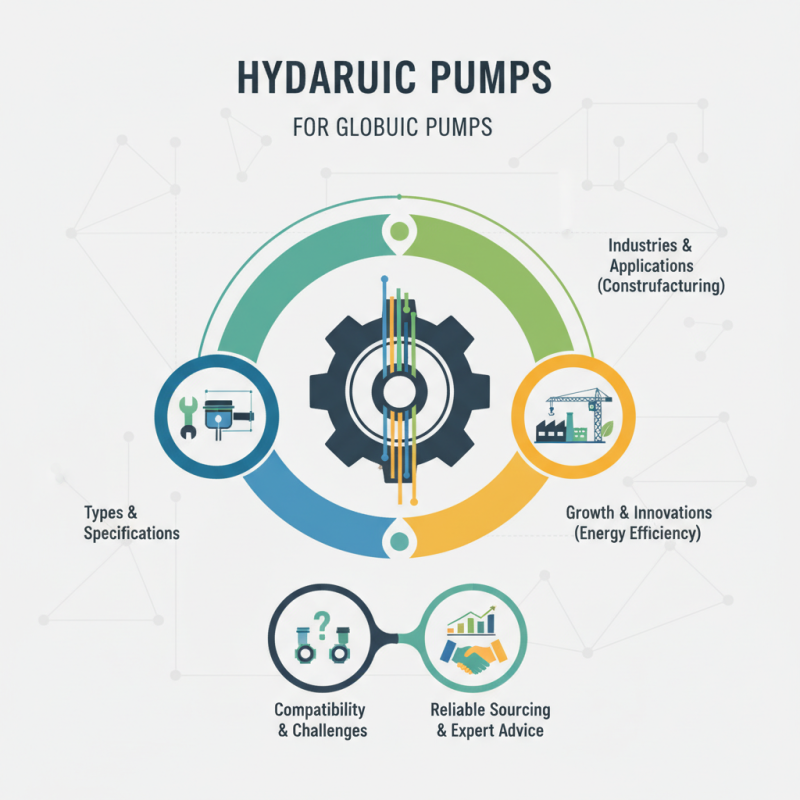
The global hydraulic pump market is witnessing significant growth, driven by increasing industrial automation and infrastructure development. According to recent industry reports, the market is projected to expand with a compound annual growth rate (CAGR) of over 5% by 2026. This surge presents a unique opportunity for manufacturers and buyers alike.
Top hydraulic pump manufacturers are strategically strengthening their market positions. For instance, a report highlights that the top five manufacturers captured approximately 40% of the market share in 2023. These companies are enhancing their production capabilities to meet rising demand. Innovations in product design and energy efficiency are trending. Some manufacturers focus on electric hydraulic pumps, reflecting the industry's shift towards sustainable solutions.
However, challenges remain. The supply chain disruptions experienced recently have impacted production timelines. Companies are exploring alternative raw material sources to mitigate these risks. Additionally, fluctuations in oil prices could affect market stability. Global buyers should remain informed and adjust their procurement strategies accordingly to navigate potential uncertainties.

The hydraulic pump industry is poised for significant advancements in 2026. Key innovations focus on efficiency and sustainability. Many engineers are exploring lighter materials to reduce overall weight. This shift can improve energy efficiency and enhance performance.
Another area of innovation lies in smart technology. Hydraulic pumps are increasingly being integrated with IoT capabilities. Real-time data analytics can enhance operational efficiency. However, this technology is still evolving. Users must navigate potential cybersecurity risks that arise with connectivity.
Moreover, the design of hydraulic pumps is becoming more modular. This change allows for easier maintenance and upgrades. It presents some challenges in standardization across various applications. Finding the perfect balance between customization and compatibility can be tricky. Ultimately, manufacturers will need to reflect on how these innovations impact long-term serviceability.
The hydraulic pump market is evolving rapidly, influencing various industries. Innovations in design and technology are reshaping applications, leading to improved efficiency and performance. Industries like construction, agriculture, and automotive are increasingly relying on advanced hydraulic systems to optimize operations.
In construction, for instance, the use of hydraulic pumps has become vital for machinery and equipment. They power excavators and cranes, enhancing lifting capacities and operational speed. Similarly, in agriculture, hydraulic systems drive equipment such as tractors and harvesters. This enhances productivity and allows for precision farming techniques.
However, challenges remain. Many manufacturers struggle to meet rising demands while adhering to sustainability standards. The balance between efficiency and environmental impact often requires innovative solutions. Additionally, there is an ongoing need for skilled professionals who can operate and maintain these advanced hydraulic systems. The industry must reflect on these issues to foster growth and efficiency.
Environmental regulations are shaping the future of hydraulic pump production. In 2026, manufacturers will need to adapt to stricter standards. These regulations can help reduce pollution but may also increase production costs. Compliance requires innovation and investment in cleaner technologies.
Many hydraulic pump producers face challenges in achieving sustainability goals. Some may struggle with resource allocation to meet new standards. This can lead to a delay in product development. On the other hand, companies that proactively embrace these changes could gain a competitive edge. They may attract environmentally conscious clients and boost their market reputation.
As the industry evolves, collaboration will become vital. Partnerships between manufacturers and regulatory bodies can foster innovation. Sharing knowledge about sustainable practices can enhance compliance efforts. This cooperative approach may lead to more reliable and efficient hydraulic pumps. Through continuous improvement, the industry can navigate the complexities of regulation while still meeting market demands.
As we move toward 2026, the demand for hydraulic pumps is expected to rise substantially. This increase is driven by growth in various industries, including construction, agriculture, and manufacturing. Global trends indicate that sustainability remains a focus, pushing for more efficient hydraulic solutions. Consequently, pricing trends are projected to fluctuate, reflecting the demand and advancements in technology.
Tips: Consider examining local market conditions. Regional demand may differ significantly. Understanding this aspect can refine procurement strategies.
By 2026, innovations in hydraulic technology may lead to improved performance. Efficiency is vital, but the market may experience volatility. Prices can be influenced by raw material costs and technological advancements. Buyers should stay informed about global supply chain dynamics.
Tips: Keep track of emerging technologies. They may offer cost-effective solutions. Engaging with industry reports can provide insight into potential price shifts.
Despite forecasts, uncertainties exist. Factors like political instability or natural disasters can affect supply. It's essential for buyers to remain adaptable and prepared for sudden changes. Balancing cost with reliability will be crucial in the coming years.
| Hydraulic Pump Type | Projected Demand (Units) | Average Price (USD) | Growth Rate (%) | Key Applications |
|---|---|---|---|---|
| Gear Pumps | 1,200,000 | $150 | 5.5% | Construction, Agriculture |
| Piston Pumps | 800,000 | $350 | 4.8% | Manufacturing, Mining |
| Vane Pumps | 600,000 | $200 | 3.0% | Automotive, Aerospace |
| Diaphragm Pumps | 500,000 | $250 | 6.0% | Food Processing, Water Treatment |
| Hydraulic Screw Pumps | 400,000 | $500 | 7.2% | Oil and Gas, Power Generation |

Cepex is the brand for the fluid handling market belonging to the Fluidra group. One of the leading european manufacturer of valves and fittings in thermoplastic materials.
Dedicated to the swimming pool, irrigation and industrial markets, we distribute our products worldwide with the Fluidra commercial network and presence in 46 countries with 136 sales branches.


