
Indoor air quality (IAQ) has become a major concern for many households. Studies show that poor air quality can lead to health issues, including respiratory problems and allergies. The EPA indicates that indoor air can be 2 to 5 times worse than outdoor air. This makes choosing the right air filtration system essential.
Air Filter Hepa systems stand out due to their efficiency in capturing airborne particles. A HEPA filter can trap 99.97% of particles that are 0.3 microns or larger. This includes dust, pollen, and even some bacteria. As we spend more time indoors, investing in a quality air filter is crucial for maintaining a healthy environment.
However, not all HEPA filters perform equally. Some rely on additional features like activated carbon to eliminate odors. Others may lack the necessary airflow. Understanding these differences can help you make informed decisions. Poor air filter choices can inadvertently expose families to harmful pollutants. Therefore, evaluating your options is essential for optimal indoor air quality.
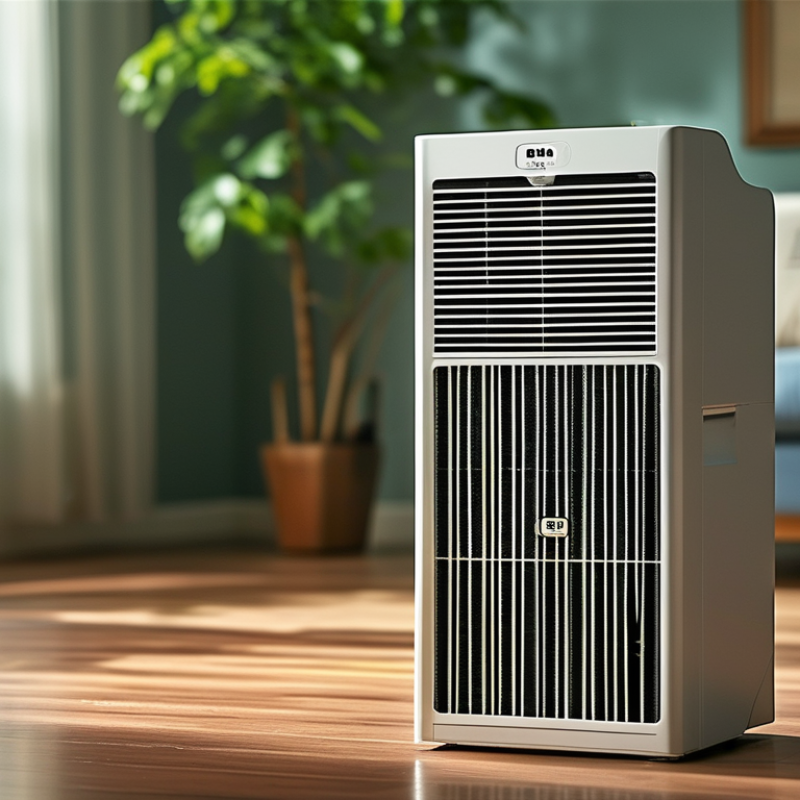
HEPA filters, or High-Efficiency Particulate Air filters, are a popular choice for improving indoor air quality. These filters trap 99.97% of particles that are 0.3 microns and larger. This includes dust, pollen, mold spores, and pet dander. The effectiveness of HEPA filters comes from their dense structure. The fibers capture contaminants through a combination of interception, impaction, and diffusion.
Choosing the right HEPA filter can enhance your living space's air quality significantly. Many people overlook the importance of regular maintenance. A dirty filter can actually hinder air flow. This could lead to a buildup of particles in the air. You may notice increased allergy symptoms or respiratory issues. Without proper care, the performance of a HEPA filter diminishes over time.
In addition to filtering airborne particles, some HEPA filters come with activated carbon layers. These layers help reduce odors and gases. However, not all filters are created equal. It’s essential to choose those certified by reputable organizations. Research can help in selecting high-quality options. Even within trusted brands, individual product differences can exist. It’s worth reading reviews and consumer feedback. Each living environment presents unique challenges, and a well-informed choice is crucial for optimal air quality.

When selecting a HEPA air filter, there are several key features to consider. The first feature is the filtration efficiency. Look for filters that capture at least 99.97% of particles down to 0.3 microns. This includes dust, pollen, and smoke. Such performance is crucial for improving indoor air quality, especially in homes with allergens.
Another important factor is the filter lifespan. A long-lasting filter can provide consistent performance without frequent replacements. Check the recommended duration for replacement, usually every six months to a year. It’s essential to balance convenience and effectiveness. Some filters might seem appealing but require more frequent changes, leading to higher overall costs.
Noise level is often overlooked. A quiet filter will not disrupt your daily life. Some models feature silent operation, making them suitable for bedrooms or workspaces. Additionally, consider the size and design. Ensure the filter fits your space and complements your decor without sacrificing performance. Ultimately, your choice should reflect both practicality and personal comfort.
When considering HEPA air filters, it is essential to analyze the top options available. High-efficiency particulate air (HEPA) filters are known for their ability to trap small particles. This feature makes them popular for enhancing indoor air quality.
A comparative analysis of leading brands shows diverse performance and features. Some filters excel in trapping allergens while others focus on eliminating odors. In a study, different filters showed varying efficiencies. For example, some captured 99.97% of particles down to 0.3 microns, while others fell short. It is crucial to examine the specifications carefully.
Consumer reviews often highlight reliability and maintenance ease. Some users prefer disposable options, while others favor washable filters for long-term use. However, not all products perform as advertised. Inconsistent performance can lead to frustration. Users must research thoroughly before making a purchase decision. It’s essential to weigh each option's pros and cons. Engaging with expert opinions can offer valuable insights into making the best choice.
Maintaining HEPA air filters is essential for optimal indoor air quality. Regular upkeep ensures these filters work effectively, capturing up to 99.97% of airborne particles. However, many people neglect this crucial step, resulting in decreased efficiency.
Clean filters allow for better airflow. Check and replace filters according to the manufacturer’s guidelines. Typically, this is every six months. If you have pets or live in a dusty area, replace them more frequently. A simple visual inspection can reveal dust accumulation. Do not ignore this!
Additionally, vacuum around the air filter units often. Dust and debris can obstruct airflow, making your filters work harder. Use a vacuum cleaner with a brush attachment to remove dirt. Remember to turn off any air purifier before cleaning. This simple act can extend the life of your system and improve air quality significantly.
When selecting the right HEPA air filter for your home, consider air quality needs. Assess the size of the space where you will use it. Different areas require different airflow capacities. A bedroom may need a filter with a lower CADR compared to larger living spaces.
Tips for selection include checking the MERV rating. A higher MERV rating means better filtration. Look for a filter rated at least 13. This ensures it captures small particles effectively. Pay attention to the replacement frequency. Some filters need changing every few months, while others last longer.
It’s crucial to check compatibility with your air system. An incompatible filter can hinder air circulation. Don't ignore noise levels. Some filters operate louder than others. This can be distracting, especially in quiet rooms. Balancing effectiveness and practicality is key to improving indoor air quality. While it may seem simple, this choice has significant effects on your health and comfort.
| Filter Type | MERV Rating | Filter Lifespan | CADR (Smoke) | Noise Level |
|---|---|---|---|---|
| HEPA Filter A | 13 | 12 months | 300 CFM | 30 dB |
| HEPA Filter B | 14 | 6 months | 250 CFM | 32 dB |
| HEPA Filter C | 12 | 9 months | 280 CFM | 28 dB |
| HEPA Filter D | 15 | 12 months | 320 CFM | 35 dB |

Cepex is the brand for the fluid handling market belonging to the Fluidra group. One of the leading european manufacturer of valves and fittings in thermoplastic materials.
Dedicated to the swimming pool, irrigation and industrial markets, we distribute our products worldwide with the Fluidra commercial network and presence in 46 countries with 136 sales branches.


