
Top Extruder Machine Parts Suppliers for Global Buyers
FLUID HANDLING EXPERTS

Blog, all our news

Top Extruder Machine Parts Suppliers for Global Buyers

Top Extruder Machine Parts Suppliers for Global Buyers is a practical starting point for manufacturers seeking dependable components and clearer purchasing decisions. Extruder lines rely on parts that must fit the machine, material, operating conditions, and maintenance schedule. A screw, barrel, gearbox, heater, or sensor can affect output consistency and planned downtime. Small differences matter. A returned part can cost more than its purchase price.

Choosing a supplier involves more than comparing unit prices. Buyers should confirm technical drawings, material grades, tolerances, compatibility, inspection records, and warranty terms before placing an order. Ask how the supplier verifies dimensions and handles replacement parts. Request documentation that matches the specific machine model. Useful answers should be specific, not promotional. Lead times, packaging, export experience, and communication across time zones also deserve attention. These details can shape the real cost of an order.

This guide examines what global buyers can assess when comparing Extruder Machine Parts suppliers, from product range to quality controls and after-sales support. It also highlights questions to ask before requesting a quotation, helping buyers reduce avoidable mismatches. No supplier is right for every plant. Requirements differ by polymer, throughput, machine design, and local service access. Some claims may sound convincing, yet they still need verification. A careful review of samples, records, and references can reveal gaps that a catalog will not. In the end, confidence comes from evidence and fit, not a polished sales page.
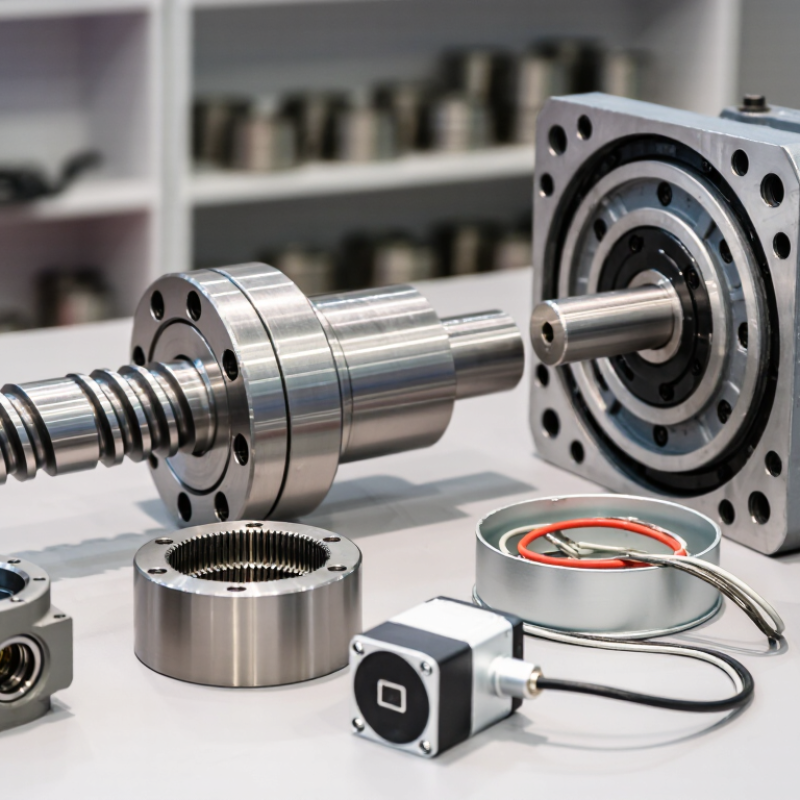
Top Extruder Machine Parts Suppliers for Global Buyers

Understanding Extruder Machine Parts and Their Functions

Understanding Extruder Machine Parts and Their Functions

An extruder turns solid polymer pellets into a steady melt through controlled heat and mechanical pressure. The screw is central to this process. Its flights convey, compress, and mix material as it travels through the barrel. Screw design affects output, melt quality, and the amount of heat generated by friction. Small gaps matter. Excessive wear between the screw and barrel can reduce output and make temperatures harder to control.

The feed throat guides pellets into the barrel, while heaters and cooling channels help maintain the required temperature profile. A gearbox transfers motor power to the screw, so its condition influences stable rotation under load. Sensors measure factors such as melt temperature and pressure. They help operators spot changes, but readings are only useful when sensors are correctly installed and calibrated. A screen pack filters contaminants before the melt reaches the die. It can also create back pressure, so a finer screen is not automatically a better choice.

For global buyers, replacement parts should match the machine’s dimensions, material, and operating conditions. Ask for drawings, material specifications, tolerances, and inspection records. A part that looks similar may not fit or perform the same way. This is easy to overlook. Supplier documentation helps, but it cannot replace checking the part against the extruder and the actual production process.

Common Parts and Materials Used in Extrusion Equipment

An extruder’s screw, barrel, die, breaker plate, heaters, and temperature sensors all affect output quality. The screw pushes and mixes material while its flights face constant friction. Small parts matter. A worn thermocouple, for example, can give a misleading temperature reading and disrupt process control.

Screws and barrels are commonly made from alloy steel, with nitriding or wear-resistant inner layers used for protection. Glass-filled polymers can abrade metal surfaces, so a more wear-resistant screw may be appropriate. Corrosive or heat-sensitive materials can call for different alloys and operating conditions. Die plates and breaker plates often use tool or stainless steel. Heaters may use mica or ceramic insulation. I would not treat one material as universally best; processing conditions matter.

PlasticsEurope’s Plastics – the Fast Facts 2023 reports global plastics production of 400.3 million tonnes in 2022. That figure indicates the scale of plastic processing, but it is not a measure of extruder-parts demand. Supplier specifications should identify material grades, heat treatment, dimensions, and inspection tolerances. A catalog description alone may not reveal whether a part suits a specific resin, filler, or operating temperature.

Types of Extruder Parts Suppliers Serving Global Buyers

Global buyers usually work with several types of extruder parts suppliers, each suited to different maintenance needs. Component manufacturers produce items such as screws, barrels, liners, and adapters to specified dimensions. Their engineering teams may review drawings and material requirements before production. This helps when a machine needs a less common configuration. Details matter.

Specialist wear-part suppliers focus on components exposed to abrasion, heat, or pressure. They can advise on alloy selection, surface treatment, and expected service conditions. Distributors, by contrast, often carry standard parts and offer faster dispatch from regional stock. For an urgent shutdown, availability may matter more than customization. Still, a stocked part is not automatically the right fit.

Some suppliers provide custom machining or refurbishment, including screw repair and barrel reconditioning. Buyers should compare measured dimensions, tolerances, material certificates, inspection records, and delivery terms. Ask how the supplier verifies compatibility with the machine’s operating conditions. A catalog description alone may miss a small geometry difference. That is easy to overlook. Even a well-made replacement can wear quickly if the process temperature, resin, or operating pressure differs from the original specification. Clear drawings and a practical technical discussion help reduce that risk.

How to Evaluate and Qualify an Extruder Parts Supplier

Qualifying an extruder parts supplier starts with the machine, not the catalog. Share the screw diameter, polymer type, operating temperature, pressure range, and wear history. Ask how the supplier verifies dimensions, material composition, heat treatment, and surface finish. Request inspection records linked to the specific part number. Small deviations can affect fit, melt consistency, and service life. That matters at startup.

Evaluate more than the quoted price. Check whether drawings show critical tolerances and whether sample parts match them. Ask about production lead times, packaging, replacement support, and how material batches are traced. A trial order can reveal practical issues, such as a flight edge arriving rough or a component needing extra fitting. I have to admit, a detailed quotation can look convincing without proving consistent production. Compare documented checks with the actual parts received.

Tips: Send clear drawings and operating conditions. Keep one approved sample for comparison. Record dimensions after delivery, and note any mismatch before installation. If an answer is vague, ask for evidence; a supplier’s response is useful, but it is not a substitute for inspection.

Ordering, Shipping, and After-Sales Support for Global Buyers

Ordering extruder parts across borders starts with precise machine information, not a broad request for “a screw” or “a barrel.” Send the equipment model, part number, dimensions, material requirements, operating temperature, and clear photos of worn surfaces. Include the resin type and production symptoms when relevant. Uneven output can point to wear, but it may also come from process settings. Good suppliers ask questions before quoting. That takes time. It can prevent a costly mismatch.

A useful quotation should identify tolerances, materials, inspection steps, lead time, packing method, and the exact scope of supply. Confirm who arranges freight, which shipping terms apply, and whether duties or local charges are excluded. For long screw assemblies, request protective end caps, rust prevention, and a rigid crate; thin wrapping is rarely enough for rough handling. Ask for photos before dispatch and tracking details once the carrier collects the shipment. Small details matter.

After-sales support should continue beyond delivery. Keep the inspection report, invoice, drawings, and installation notes together, then check dimensions and visible damage before fitting the part. If performance changes, share operating hours, material, temperature, screw speed, and photos with the supplier. A response that explains likely causes is more useful than a quick promise. Still, no supplier can diagnose every failure from one image. A short installation call or written troubleshooting guide can help, especially when technicians work across time zones. Some buyers overlook this until production stops.

Extruder Parts Procurement: Typical Planning Timeframes

Illustrative planning ranges in business days; actual timelines vary by part, supplier, destination, and shipping method.

Use these ranges as initial planning guidance, not guaranteed service levels. Confirm production lead time, freight schedule, customs requirements, and technical support response expectations before ordering.

Copyright 2025 Fluidra S.A. | Created by BCM Marketing Agencia Privacy Policy Legal note | Cookie policy |

Technical cookies are strictly necessary for our website to work and you can navigate through it. These types of cookies are those that, for example, allow us to identify you, give you access to certain restricted parts of the page if necessary, or remember different options or services already selected by you, such as your privacy preferences. Therefore, they are activated by default, your authorization not being necessary in this regard. Through the configuration of your browser, you can block or alert the presence of this type of cookies, although such blocking will affect the proper functioning of the different functionalities of our website.


The analysis cookies allow us to study the navigation of the users of our website in general (for example, which sections of the page are the most visited, which services are used most and if they work correctly, etc.). From the statistical information on navigation on our website, we can improve both the operation of the page itself and the different services it offers. Therefore, these cookies do not have an advertising purpose, but only serve to make our website work better, adapting to our users in general. By activating them you will contribute to this continuous improvement. You can enable or disable these cookies by checking the corresponding box, being disabled by default.


Functionality cookies allow us to remember your preferences, to personalize certain characteristics and general options of our website, every time you access it (for example, the language in which the information is presented to you, the sections marked as favorites, your browser type, etc.) Therefore, this type of cookies does not have an advertising purpose, but by activating them you will improve the functionality of the website (for example, adapting to your type of browser) and the customization of it based on your preferences (for example, by presenting the information in the language that you have chosen in previous occasions), which will contribute to the ease, usability and comfort of our page during your navigation. You can enable or disable these cookies by checking the corresponding box, being disabled by default.


Advertising cookies allow us to manage the advertising spaces included in our website based on criteria such as the content shown or the frequency in which the ads are displayed. For example, if you have been shown the same ad several times on our website, and you have not shown a personal interest by clicking on it, it will not appear again. In summary, by activating this type of cookies, the advertising shown on our website will be more useful and diverse, and less repetitive. You can enable or disable these cookies by checking the corresponding box, being disabled by default.


Behavioral advertising cookies allow us to obtain information based on the observation of your browsing habits and behaviors on the web, in order to show you advertising content that best suits your personal tastes and interests. To understand it in a very simple way, we will give you a fictitious example: if your last searches on the web were related to suspense literature, we would show you advertising about suspense books. Therefore, activating this type of cookies, the advertising that we show you on our website will not be generic, but will be oriented to your searches, tastes and interests, therefore adjusting exclusively to you. You can enable or disable these cookies by checking the corresponding box, being disabled by default.
To understand it in a very simple way, we will give you a fictitious example: if your last searches on the web were related to suspense literature, we would show you advertising about suspense books. Therefore, activating this type of cookies, the advertising that we show you on our website will not be generic, but will be oriented to your searches, tastes and interests, therefore adjusting exclusively to you. You can enable or disable these cookies by checking the corresponding box, being disabled by default.

SAVE

We use our own and third-party cookies to ensure the proper functioning of the website and to analyse our services, improve your experience on our website and show you advertisements related to your interests according to profiling based on your browsing habits (e.g. websites visited). You can accept all cookies by clicking "ACCEPT" or set or reject them by clicking here. If you would like to know more about the use of cookies, please see our COOKIE POLICY.


ACCEPT ALL
Reject no essentials


