
What Are the Top Glass Skylight Types in 2026?
FLUID HANDLING EXPERTS

Blog, all our news

What Are the Top Glass Skylight Types in 2026?

Choosing the right Glass Skylight in 2026 involves more than comparing attractive roof windows. Daylight, ventilation, insulation, safety, and installation conditions all affect the final result. A fixed skylight can brighten a dark hallway or kitchen with minimal moving parts. A vented model may release warm, humid air from bathrooms or vaulted living spaces. Tubular designs suit narrow corridors where a larger roof opening would feel excessive.

Recent options also include low-emissivity glazing, laminated safety glass, solar-control coatings, and electrically operated blinds. These features can reduce glare and improve indoor comfort, but they do not solve every problem. Orientation matters. A south-facing skylight may create strong summer heat, while a north-facing opening often provides softer, steadier light. Roof pitch, snow exposure, flashing quality, and local climate deserve equal attention.

Small details matter.

From practical installation experience, poor flashing can undermine excellent glass. Condensation may also appear when indoor humidity remains high or ventilation is weak. That point is easy to overlook. Product labels can sound impressive, yet performance depends on the complete roof system, not the pane alone. This guide compares the top Glass Skylight types for 2026 through a careful, evidence-based lens. It considers where each design works, what it costs to maintain, and which limitations homeowners should accept before choosing. Some recommendations may remain imperfect, because every building responds differently. A trusted installer, clear warranty terms, and verified energy-performance data should support the final decision.
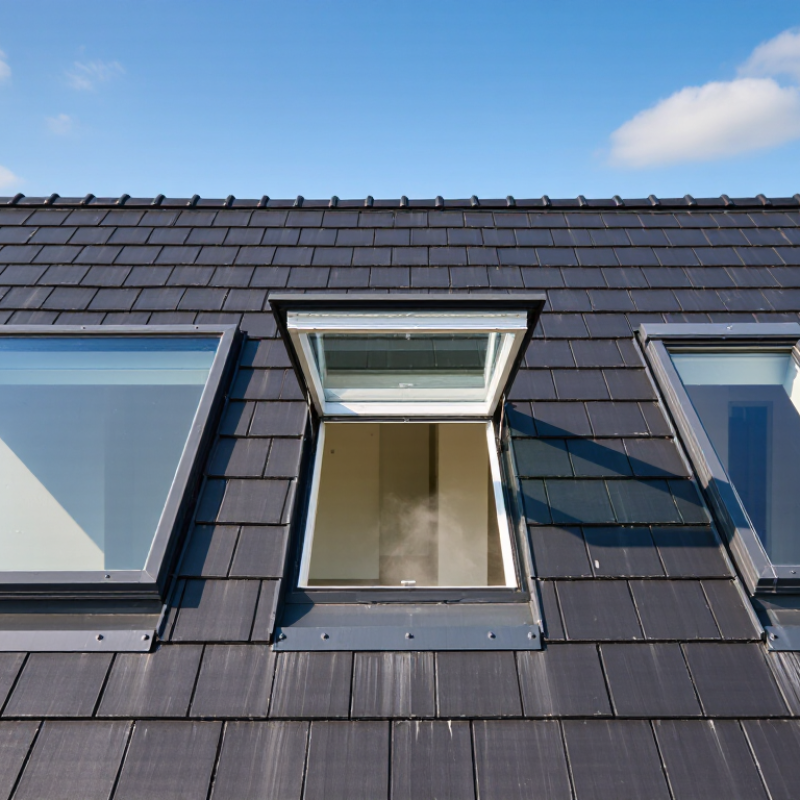
What Are the Top Glass Skylight Types in 2026?

What Defines a Top 2026 Glass Skylight: U-Factor, SHGC, VLT and Air Leakage

What Are the Top Glass Skylight Types in 2026?

A top glass skylight is defined by measured performance, not appearance alone. The U.S. Department of Energy reports that windows can cause 25–30% of residential heating and cooling energy use. Skylights deserve similar scrutiny. A low U-factor reduces heat transfer. Lower values usually perform better in cold weather. Yet, low U-factor glass can still overheat a room.

SHGC shows how much solar heat enters through the glass. South-facing skylights often need a lower SHGC in warm climates. Cold regions may benefit from moderate solar gain during winter. VLT measures visible daylight transmission. A higher VLT brightens a hallway, but glare can become uncomfortable. Real project experience matters here. A bright ceiling is not always a comfortable ceiling.

Air leakage is easy to overlook. NFRC 400 testing expresses leakage in cubic feet per minute per square foot at 75 pascals. Lower leakage supports steadier indoor temperatures and fewer drafts. NFRC 100 and 200 procedures also help compare U-factor, SHGC, and VLT consistently. ASHRAE 90.1-2022 provides broader energy-performance guidance, but local codes still control installation choices. I would compare the skylight’s certified values with climate zone, roof pitch, shading, and room use. Numbers alone can mislead. A skylight with excellent glass ratings may still perform poorly after careless flashing or an oversized opening.

Fixed Low-E Skylights: Compare Insulated-Glass U-Factors of 0.40–0.55

What Are the Top Glass Skylight Types in 2026?

Fixed low-E skylights remain a practical choice for rooms needing steady daylight and controlled heat flow. Their insulated-glass U-factors commonly range from 0.40 to 0.55 Btu/h·ft²·°F. Lower numbers indicate better resistance to heat transfer, according to National Fenestration Rating Council rating guidance. A 0.40 unit can reduce winter heat loss more effectively than a 0.55 unit. The difference seems small. It is not always small on a large roof.

Low-E coatings reflect selected infrared energy while allowing visible light through. The U.S. Department of Energy’s Energy Saver guidance identifies low-emissivity glazing as a method for improving window and skylight insulation. However, the frame, spacer, and installation also affect real performance. A well-rated glass unit can still underperform if the curb is poorly sealed or thermal bridging is ignored. This is where specifications often become optimistic.

For a cold climate, compare 0.40–0.45 units first, especially above heated bedrooms or stairwells. In milder climates, a 0.50–0.55 unit may provide adequate insulation at a lower cost. Check the NFRC label, not only the glass description. Also review solar heat gain coefficient and visible transmittance, because a lower U-factor can reduce useful winter sunlight. Site orientation matters. So does shading. One overlooked detail: fixed skylights cannot purge hot air, so summer comfort may still depend on exterior shading.

Operable Ventilating Skylights: Assess Air Leakage Below 0.3 cfm/ft²

What Are the Top Glass Skylight Types in 2026?

Operable ventilating skylights are gaining attention because they provide daylight and controlled air movement. Their performance depends on more than the glass. A reliable unit should achieve air leakage below 0.3 cfm/ft² under a recognized laboratory test method.

That number needs context. Testing should identify pressure conditions, sash size, and the measured opening area. A skylight that performs well in a laboratory may leak after poor installation. Uneven curbs, compressed gaskets, and loose fasteners can create narrow paths for wind and dust. Small details matter.

During site inspections, technicians can check seals with a smoke pencil, infrared camera, or calibrated blower-door equipment. The sash should close evenly, without excessive force. Multi-point locking hardware usually supports more consistent compression around the frame. However, hardware alone cannot correct a warped curb.

Ventilation controls also deserve careful review. Rain sensors, timers, and indoor humidity controls can prevent the skylight from remaining open during storms. Manual operation is useful, but it depends on occupant habits. That part is often underestimated.

Designers should request documented leakage results, installation tolerances, and maintenance instructions. Results below 0.3 cfm/ft² are valuable, but they are not a promise of lifetime performance. Gaskets age. Frames move slightly. Regular inspection remains necessary. The target is excellent, not magical.

Tubular Daylighting Devices: Compare 250–550 mm Diameters and Light Output

Tubular daylighting devices remain a practical glass skylight option in 2026, especially where a full roof window is impractical. Their key measurement is diameter. Common sizes range from 250 to 550 millimeters. A 250 mm tube suits corridors, bathrooms, and compact utility rooms. It delivers useful daylight, but its bright area stays limited. A 350 or 400 mm tube generally offers a stronger balance between ceiling coverage and roof space. The 550 mm size can provide substantially higher light output for large rooms, although it needs careful structural planning.

Size alone does not determine performance. Tube length, roof angle, internal reflectance, diffuser design, and local sky conditions matter. A short, straight tube can transfer daylight efficiently. A long tube with several bends loses more light. In field measurements, two identical diameters may perform very differently under cloudy weather. The 550 mm model may produce broad illumination, not necessarily sharp brightness. That difference matters in kitchens, studios, and work areas.

My first estimate was too optimistic. I once judged output by diameter and ignored surrounding roof shade. That mistake changed the recommendation. For reliable design, compare tested illuminance data, not marketing language. Ask for results under clear and overcast conditions. Check the room’s floor area, ceiling height, and required task lighting. Smaller tubes can reduce installation disruption, but several units may create uneven patches. Larger tubes cost more and may still need electric lighting after sunset. Good specifications should acknowledge that limitation.

Electrochromic Skylights: Control Visible Transmittance from 1% to 60%

Electrochromic skylights can adjust visible transmittance from about 1% to 60%. This range changes a roof opening from heavily shaded to bright daylight. The glass responds to electrical signals, sensors, or building-management controls. It can reduce glare across a desk, then reopen when clouds arrive.

The U.S. Department of Energy reports that windows can represent up to 30% of a home’s heating and cooling energy use. Skylights face stronger solar exposure, especially on south- and west-facing roofs. Electrochromic control can limit unwanted heat and glare without permanent blinds. The International Energy Agency’s Buildings 2023 report found that buildings consumed about 30% of global final energy in 2022. Small envelope decisions matter.

Performance still depends on design. Low visible transmittance does not mean complete darkness. A 1% setting may soften sunlight, but bright edges can remain. Switching can also take several minutes, depending on glass size and temperature. Field commissioning is essential. Sensors need correct placement, and installers must verify roof drainage, wiring, and airtightness. I have seen controls fail when daylight sensors were hidden beneath deep ceiling features. That detail is easy to miss. Designers should compare visible transmittance, solar heat-gain coefficient, U-factor, and roof orientation together. Higher technology does not automatically mean better comfort.

Copyright 2025 Fluidra S.A. | Created by BCM Marketing Agencia Privacy Policy Legal note | Cookie policy |

Technical cookies are strictly necessary for our website to work and you can navigate through it. These types of cookies are those that, for example, allow us to identify you, give you access to certain restricted parts of the page if necessary, or remember different options or services already selected by you, such as your privacy preferences. Therefore, they are activated by default, your authorization not being necessary in this regard. Through the configuration of your browser, you can block or alert the presence of this type of cookies, although such blocking will affect the proper functioning of the different functionalities of our website.


The analysis cookies allow us to study the navigation of the users of our website in general (for example, which sections of the page are the most visited, which services are used most and if they work correctly, etc.). From the statistical information on navigation on our website, we can improve both the operation of the page itself and the different services it offers. Therefore, these cookies do not have an advertising purpose, but only serve to make our website work better, adapting to our users in general. By activating them you will contribute to this continuous improvement. You can enable or disable these cookies by checking the corresponding box, being disabled by default.


Functionality cookies allow us to remember your preferences, to personalize certain characteristics and general options of our website, every time you access it (for example, the language in which the information is presented to you, the sections marked as favorites, your browser type, etc.) Therefore, this type of cookies does not have an advertising purpose, but by activating them you will improve the functionality of the website (for example, adapting to your type of browser) and the customization of it based on your preferences (for example, by presenting the information in the language that you have chosen in previous occasions), which will contribute to the ease, usability and comfort of our page during your navigation. You can enable or disable these cookies by checking the corresponding box, being disabled by default.


Advertising cookies allow us to manage the advertising spaces included in our website based on criteria such as the content shown or the frequency in which the ads are displayed. For example, if you have been shown the same ad several times on our website, and you have not shown a personal interest by clicking on it, it will not appear again. In summary, by activating this type of cookies, the advertising shown on our website will be more useful and diverse, and less repetitive. You can enable or disable these cookies by checking the corresponding box, being disabled by default.


Behavioral advertising cookies allow us to obtain information based on the observation of your browsing habits and behaviors on the web, in order to show you advertising content that best suits your personal tastes and interests. To understand it in a very simple way, we will give you a fictitious example: if your last searches on the web were related to suspense literature, we would show you advertising about suspense books. Therefore, activating this type of cookies, the advertising that we show you on our website will not be generic, but will be oriented to your searches, tastes and interests, therefore adjusting exclusively to you. You can enable or disable these cookies by checking the corresponding box, being disabled by default.
To understand it in a very simple way, we will give you a fictitious example: if your last searches on the web were related to suspense literature, we would show you advertising about suspense books. Therefore, activating this type of cookies, the advertising that we show you on our website will not be generic, but will be oriented to your searches, tastes and interests, therefore adjusting exclusively to you. You can enable or disable these cookies by checking the corresponding box, being disabled by default.

SAVE

We use our own and third-party cookies to ensure the proper functioning of the website and to analyse our services, improve your experience on our website and show you advertisements related to your interests according to profiling based on your browsing habits (e.g. websites visited). You can accept all cookies by clicking "ACCEPT" or set or reject them by clicking here. If you would like to know more about the use of cookies, please see our COOKIE POLICY.


ACCEPT ALL
Reject no essentials


