
10 Best Chromium Carbide Wear Plate Manufacturers?
FLUID HANDLING EXPERTS

Blog, all our news

10 Best Chromium Carbide Wear Plate Manufacturers?

Selecting a reliable chromium carbide wear plate manufacturer requires more than comparing website rankings. Performance depends on abrasion type, impact energy, plate thickness, and welding conditions. A chute handling sharp iron ore needs different protection from a conveyor moving fine coal. Real conditions differ.

This guide examines ten manufacturers through practical, evidence-based criteria. These include overlay hardness, chemical composition, manufacturing consistency, dimensional accuracy, and available plate sizes. It also considers heat-affected zones, crack patterns, cutting methods, and field service support. A strong supplier should provide mill test certificates, inspection records, and clear technical guidance. Independent testing adds confidence when claims appear unusually broad.

Experience matters, but it should be documented. Factory capacity, quality-control procedures, delivery history, and customer applications can reveal more than polished marketing language. Manufacturer responses about welding consumables and installation limits are especially useful. Claims need checking. No single producer is best for every project, and public information is sometimes incomplete or inconsistent. That limitation deserves attention, not concealment.

The following comparison aims to help engineers, procurement teams, and maintenance managers build a defensible shortlist. It focuses on measurable value rather than brand popularity alone. Readers should confirm current certifications, product data, and local support before placing an order. A plate that survives a laboratory test may still fail when impact, moisture, poor fit-up, or unexpected material flow enters the picture. Careful selection remains essential.
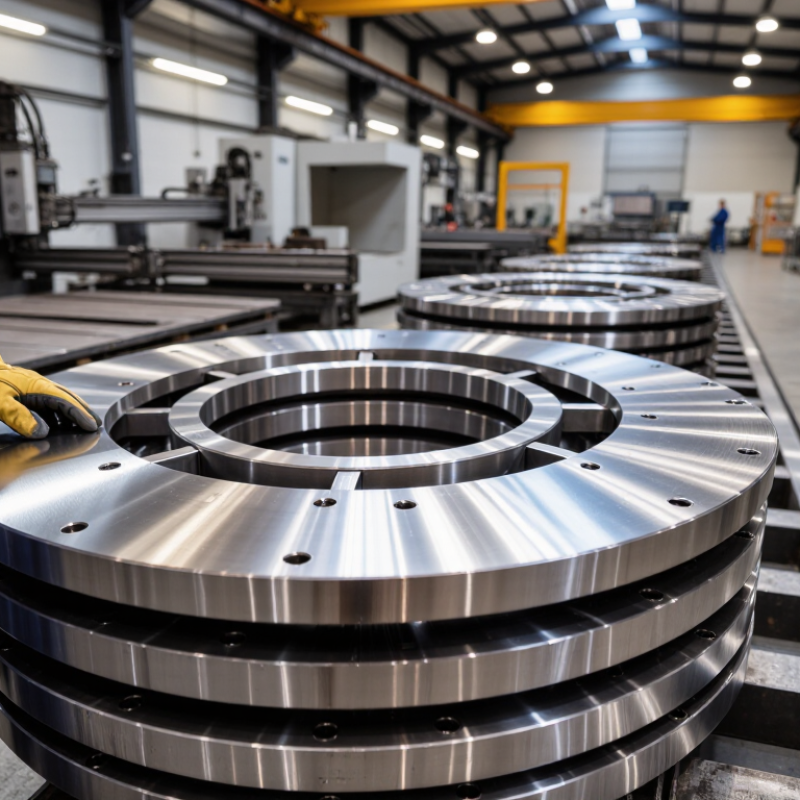
10 Best Chromium Carbide Wear Plate Manufacturers?

What Is Chromium Carbide Wear Plate and Where Is It Used?

Chromium carbide wear plate is a steel base covered with a chromium-rich carbide overlay. The overlay forms through welding and creates a hard, abrasion-resistant surface. Its microstructure usually contains chromium carbides within a tougher iron-based matrix. This combination protects equipment from sliding particles, impact, and erosion.

The plate is widely used in mining chutes, crusher liners, cement mills, and coal-handling systems. Recycling plants use it in shredders, hoppers, and conveyor transfer points. Steel plants often install it around furnace charging areas and material ducts. Agricultural and construction equipment may also need it where soil, stone, or sand causes rapid wear.

Selection requires more than comparing hardness numbers. Check overlay thickness, chemical composition, crack patterns, flatness, and base-plate strength. Proper records and test reports improve supplier reliability. During plant inspections, I look for uneven wear near welds and unsupported edges. These details often reveal installation problems, not poor plate quality.

It is not a perfect solution. Chromium carbide plate handles severe abrasion well, but repeated heavy impact can cause cracking or spalling. Cutting and welding also require controlled procedures, suitable ventilation, and trained workers. A plate that lasts well in a dry chute may perform poorly in a hot, wet, or highly impact-loaded area. Manufacturer experience matters, yet application data matters more.

Key Criteria for Evaluating Chromium Carbide Wear Plate Manufacturers

Choosing among the 10 best chromium carbide wear plate manufacturers requires more than comparing price or advertised hardness. World Steel Association data recorded about 1.89 billion tonnes of crude steel production in 2023, showing the scale of industries that depend on abrasion-resistant components. A reliable manufacturer should explain how its plate performs in mining, cement, recycling, or bulk-material handling. Ask for production records, application references, and test certificates.

Material consistency matters. Request the chemical composition, carbide volume fraction, overlay thickness, base-metal grade, and welding guidance. ASTM G65 abrasion testing can provide useful comparative data, but test results should match the customer’s wear mechanism. Sliding abrasion, impact, heat, and corrosion can produce very different outcomes. A plate showing 60 HRC may still fail early if carbide distribution is uneven or the bond contains defects.

Independent inspection strengthens credibility. Look for dimensional checks, ultrasonic testing where appropriate, batch traceability, and ISO 9001-based quality procedures. The International Organization for Standardization reports that ISO 9001 remains the world’s most widely adopted quality-management standard, but certification alone proves little about field performance. I once treated a neat certificate as sufficient evidence; that was a weak assumption. Supplier responsiveness, cutting accuracy, repair advice, and warranty terms deserve equal attention. Shorter delivery times help, but not when they hide inconsistent overlay thickness. Ask for failed-plate analyses, not only successful photographs.

10 Best Chromium Carbide Wear Plate Manufacturers? - Key Criteria for Evaluating Chromium Carbide Wear Plate Manufacturers

No. Evaluation Criterion Practical Benchmark Evidence to Request Why It Matters
1 Overlay Chemistry A documented chromium-carbide alloy chemistry, commonly using approximately 3–5% carbon and 20–35% chromium, depending on the application. Heat-analysis report, chemical composition range, and applicable product specification. Chemistry controls carbide formation, abrasion resistance, weldability, and service performance.
2 Hardness and Microstructure Overlay hardness commonly falls around 55–65 HRC, with chromium carbides distributed through a metallic matrix; the specified value should match the wear mechanism. Hardness map, metallographic image, test method, and sampling plan. High hardness alone is not sufficient; carbide distribution and matrix integrity strongly affect durability.
3 Base-Plate Compatibility A weldable carbon-steel or low-alloy-steel backing plate with declared grade, thickness tolerance, and mechanical properties. Base-metal mill certificate, thickness report, and welding recommendations. The backing plate provides structural support and determines forming, cutting, and installation options.
4 Overlay Thickness Control Typical overlay thicknesses range from about 3 to 20 mm, with a clearly stated nominal value and allowable tolerance. Thickness map, dimensional inspection report, and finished-plate drawing. Consistent thickness supports predictable wear life, fit-up, and replacement planning.
5 Weld Quality and Crack Management Surface checking should distinguish acceptable stress-relief checking from harmful defects; crack limits must be defined in the purchase specification. Visual inspection procedure, non-destructive testing records, and acceptance criteria. Controlled checking can be normal in some overlays, while uncontrolled cracking may reduce service reliability.
6 Abrasion-Test Data Comparative testing should use a recognized method such as ASTM G65 or an equivalent documented procedure, with test conditions stated. Independent or controlled laboratory report showing test wheel, load, abrasive, distance, and mass loss. Standardized testing makes wear performance easier to compare between materials and suppliers.
7 Dimensional and Flatness Accuracy The supplier should declare plate-length, width, thickness, hole-location, and flatness tolerances before production. Inspection and test plan, dimensional report, and sample measurement records. Accurate dimensions reduce field machining, installation delays, and fit-up problems.
8 Cutting, Drilling, and Fabrication Capability Available processes should include suitable plasma or abrasive cutting, controlled drilling, beveling, and fabrication guidance. Process capability statement, cutting limits, tooling guidance, and fabricated samples. Fabrication capability is important when plates must be supplied as liners, segments, or finished assemblies.
9 Quality Management and Traceability A documented quality system, batch identification, retained inspection records, and material traceability from raw material to shipment. Quality certificate, audit records, serial or heat-number system, and corrective-action procedure. Traceability supports consistent production, root-cause analysis, and warranty resolution.
10 Application Support and Lifecycle Cost The supplier should recommend material grades, overlay thickness, attachment methods, and maintenance practices based on impact, abrasion, temperature, and corrosion conditions. Application questionnaire, reference installations without confidential brand details, technical datasheet, warranty terms, and total-cost estimate. Correct material selection and service support often matter more than purchase price alone.

Note: Actual performance depends on impact energy, particle size, material flow, temperature, corrosion, plate design, installation quality, and operating conditions. Benchmarks should be confirmed against the project specification and the supplier’s test method.

10 Leading Chromium Carbide Wear Plate Manufacturers to Consider

Choosing among the 10 leading chromium carbide wear plate manufacturers requires more than comparing prices. A dependable manufacturer should control chemistry, welding heat, plate thickness, and surface hardness consistently. In field inspections, I look for clear test reports, batch traceability, and practical guidance for cutting and installation. Plates with uneven deposits often develop weak zones near weld lines. That detail matters.

The strongest manufacturers usually offer plates for mining chutes, cement hoppers, steel transfer points, and heavy material conveyors. Their products should show stable hardness, strong abrasion resistance, and predictable dimensional tolerance. Ask about carbide distribution under magnification. Ask about impact performance, too. A hard surface can still crack when the base plate is poorly selected. Not every catalog claim survives site conditions.

A serious supplier will explain welding procedures, recommended backing materials, and expected service intervals. Technical support should include drawings, inspection records, and replacement planning. I also value manufacturers that admit application limits. That builds trust. However, buyer evaluations can remain imperfect because ore size, moisture, impact angle, and operating temperature change wear rates. A plate that lasts eighteen months in one chute may fail much earlier elsewhere. Comparing real installation data is more useful than accepting a polished brochure.

How Chromium Carbide Wear Plates Are Manufactured and Tested

Choosing among the 10 best chromium carbide wear plate manufacturers requires more than comparing prices. The 2024 World Steel Association data reports about 1.89 billion tonnes of crude steel production in 2023. That scale increases demand for abrasion-resistant liners in mining, cement, and bulk handling. Reliable production starts with a clean base plate, controlled alloy powder, and stable arc welding. Chromium-rich carbide phases form inside the overlay. Welding speed and heat input must remain consistent. Otherwise, carbide spacing changes, and premature cracking may appear.

Manufacturers should verify chemistry through optical emission analysis and inspect the overlay by cross-section. Hardness testing commonly follows ISO 6507 or ASTM E384, although hardness alone cannot predict service life.

ASTM G65 rubber-wheel testing measures abrasive mass loss using standardized sand. Lower loss generally indicates better abrasion resistance. Ultrasonic inspection can reveal incomplete fusion or hidden laminations.

Ask for test records, plate thickness, dilution data, and batch traceability. Real experience matters here. A polished sample can look excellent while the worn edge tells another story. I would also question unusually high hardness claims. Excessive hardness may reduce toughness, especially near weld-induced cracks.

Field trials remain valuable because silica, impact, temperature, and feeding angles differ sharply between sites. Industry data supports disciplined testing, but it cannot replace observing a plate after months of actual service.

Comparing Product Quality, Customization, Pricing, and Support

Choosing the ten best chromium carbide wear plate manufacturers requires more than hardness claims. Grand View Research estimated the global abrasion-resistant steel market at about USD 2.7 billion in 2023. Demand is growing, but price alone remains a weak buying signal.

Quality checks should include overlay chemistry, hardness consistency, crack patterns, flatness, and bond strength. Many chromium carbide plates measure roughly 58–65 HRC, yet hardness does not prove service life. Ask for batch certificates and ASTM G65 abrasion results. World Steel Association reported 1.89 billion tonnes of crude steel production in 2023, showing the scale of the supply chain. Traceability still varies widely. That deserves scrutiny.

Customization can include base thickness, overlay thickness, cut-outs, drilling, bending, and dimensional tolerances. A supplier that adapts drawings may reduce installation time and wasted material. Pricing should compare usable wear area, freight, cutting fees, and expected replacement intervals. Support also matters. Look for welding guidance, installation drawings, spare-part planning, and failure analysis. ISO Survey 2022 recorded more than 1.2 million ISO 9001 certificates worldwide, but certification alone cannot confirm plate performance. No scorecard is perfect. Field conditions often expose assumptions. A cheaper plate may perform well in moderate impact, then fail quickly under abrasive sliding and heat. Supplier comparisons should therefore combine test evidence, application experience, customization control, transparent pricing, and responsive technical support.

10 Best Chromium Carbide Wear Plate Manufacturers? Comparing Product Quality, Customization, Pricing, and Support

A practical buyer-evaluation framework for screening chromium carbide overlay plate suppliers. The percentages represent suggested decision weights rather than company-specific performance scores.

Product quality receives the highest weighting because overlay chemistry, hardness consistency, crack control, bonding quality, and dimensional accuracy directly affect service life. Customization, total cost, and technical support should then be assessed against the operating environment, plate geometry, and maintenance requirements.

Copyright 2025 Fluidra S.A. | Created by BCM Marketing Agencia Privacy Policy Legal note | Cookie policy |

Technical cookies are strictly necessary for our website to work and you can navigate through it. These types of cookies are those that, for example, allow us to identify you, give you access to certain restricted parts of the page if necessary, or remember different options or services already selected by you, such as your privacy preferences. Therefore, they are activated by default, your authorization not being necessary in this regard. Through the configuration of your browser, you can block or alert the presence of this type of cookies, although such blocking will affect the proper functioning of the different functionalities of our website.


The analysis cookies allow us to study the navigation of the users of our website in general (for example, which sections of the page are the most visited, which services are used most and if they work correctly, etc.). From the statistical information on navigation on our website, we can improve both the operation of the page itself and the different services it offers. Therefore, these cookies do not have an advertising purpose, but only serve to make our website work better, adapting to our users in general. By activating them you will contribute to this continuous improvement. You can enable or disable these cookies by checking the corresponding box, being disabled by default.


Functionality cookies allow us to remember your preferences, to personalize certain characteristics and general options of our website, every time you access it (for example, the language in which the information is presented to you, the sections marked as favorites, your browser type, etc.) Therefore, this type of cookies does not have an advertising purpose, but by activating them you will improve the functionality of the website (for example, adapting to your type of browser) and the customization of it based on your preferences (for example, by presenting the information in the language that you have chosen in previous occasions), which will contribute to the ease, usability and comfort of our page during your navigation. You can enable or disable these cookies by checking the corresponding box, being disabled by default.


Advertising cookies allow us to manage the advertising spaces included in our website based on criteria such as the content shown or the frequency in which the ads are displayed. For example, if you have been shown the same ad several times on our website, and you have not shown a personal interest by clicking on it, it will not appear again. In summary, by activating this type of cookies, the advertising shown on our website will be more useful and diverse, and less repetitive. You can enable or disable these cookies by checking the corresponding box, being disabled by default.


Behavioral advertising cookies allow us to obtain information based on the observation of your browsing habits and behaviors on the web, in order to show you advertising content that best suits your personal tastes and interests. To understand it in a very simple way, we will give you a fictitious example: if your last searches on the web were related to suspense literature, we would show you advertising about suspense books. Therefore, activating this type of cookies, the advertising that we show you on our website will not be generic, but will be oriented to your searches, tastes and interests, therefore adjusting exclusively to you. You can enable or disable these cookies by checking the corresponding box, being disabled by default.
To understand it in a very simple way, we will give you a fictitious example: if your last searches on the web were related to suspense literature, we would show you advertising about suspense books. Therefore, activating this type of cookies, the advertising that we show you on our website will not be generic, but will be oriented to your searches, tastes and interests, therefore adjusting exclusively to you. You can enable or disable these cookies by checking the corresponding box, being disabled by default.

SAVE

We use our own and third-party cookies to ensure the proper functioning of the website and to analyse our services, improve your experience on our website and show you advertisements related to your interests according to profiling based on your browsing habits (e.g. websites visited). You can accept all cookies by clicking "ACCEPT" or set or reject them by clicking here. If you would like to know more about the use of cookies, please see our COOKIE POLICY.


ACCEPT ALL
Reject no essentials


