
China Top Oilfield Mud Pump Manufacturers and Suppliers?
FLUID HANDLING EXPERTS

Blog, all our news

China Top Oilfield Mud Pump Manufacturers and Suppliers?

China’s oilfield equipment sector is gaining attention as drilling activity remains essential to energy security. The International Energy Agency’s Oil 2024 report expects global oil demand to remain substantial through 2030, despite faster growth in low-carbon energy. OPEC’s World Oil Outlook 2024 also projects long-term oil demand growth. These trends support continued investment in reliable drilling systems, including the Oilfield Mud Pump.

Market research from Grand View Research and Mordor Intelligence identifies drilling equipment as a major segment within the broader oilfield services and equipment industry. Their analyses highlight demand for high-pressure, high-flow pumping systems, especially in land drilling and unconventional operations. China offers a broad manufacturing base, with suppliers producing triplex and quintuplex pumps, fluid-end modules, expendable parts, and complete power-end assemblies. Some factories also provide customized configurations for different rig packages. That matters in practice.

A qualified supplier should demonstrate more than a low quotation. Buyers need verifiable production experience, pressure-test records, material certificates, machining capabilities, and responsive spare-parts support. API Spec 7K provides an important reference for drilling and well-servicing equipment, while ISO-based quality systems can strengthen process control. However, certification claims require careful verification. A logo on a website is not proof.

This guide examines China’s leading Oilfield Mud Pump manufacturers and suppliers through product range, technical capability, quality assurance, delivery performance, and after-sales service. It also considers practical details, such as valve replacement time, liner availability, shipment protection, and field maintenance. Supplier rankings are never perfect. Actual performance depends on configuration, operating conditions, and honest communication.
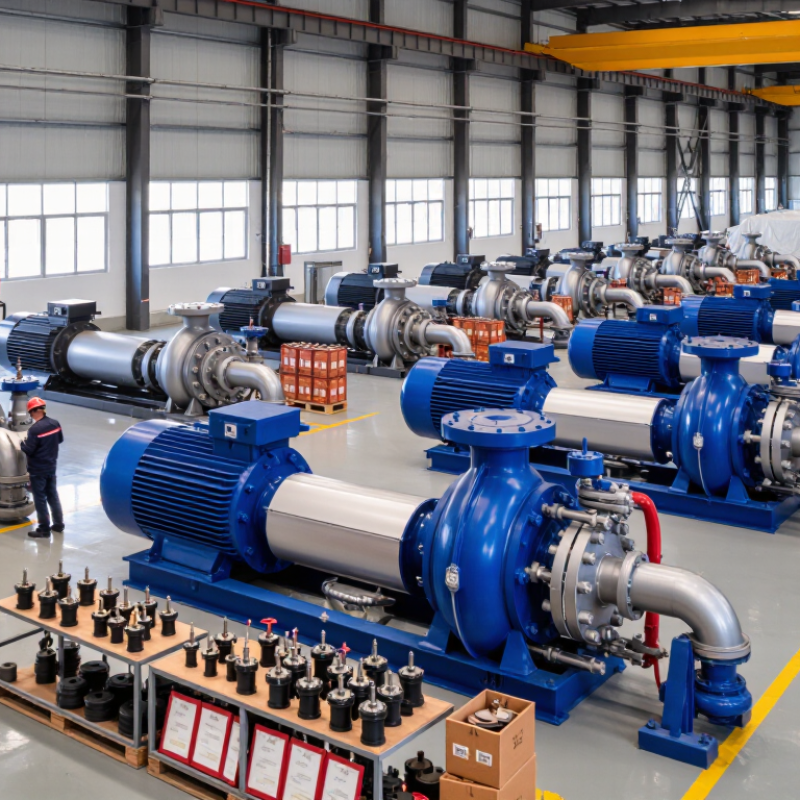
China Top Oilfield Mud Pump Manufacturers and Suppliers?

What Are Oilfield Mud Pumps and Why Are They Essential?

Oilfield mud pumps are positive-displacement reciprocating pumps used to circulate drilling fluid through a well. They send mud down the drill string and return it through the annulus. This fluid carries rock cuttings to the surface. It also cools the bit, supports wellbore stability, and helps control formation pressure. Pressure matters underground.

During field inspections, technicians monitor pressure, flow rate, vibration, and unusual noise. A sudden pressure drop may indicate a damaged liner, worn piston, leaking valve, or blocked passage. These are common wear points. Reliable suppliers should explain maintenance intervals and provide clear technical records, material certificates, and spare-part support. Factory testing is useful, but it cannot reproduce every drilling condition.

When comparing China-based manufacturers and suppliers, buyers should match pump capacity with depth, mud density, solids content, and operating hours. A pump suitable for shallow drilling may struggle with abrasive fluid and continuous high-pressure work. Catalog ratings can look impressive. They are not the whole answer. Field reports often reveal problems that specifications hide, especially around sealing systems and spare-part delivery. One overlooked seal can stop an entire shift. That lesson deserves attention. Proper installation, trained operators, and regular inspections still influence performance as much as the pump itself. Equipment selection involves judgment, and even a carefully prepared plan may need adjustment after real site data appears.

Key Criteria for Evaluating Chinese Mud Pump Manufacturers

Choosing Chinese mud pump manufacturers requires more than comparing prices. Field experience shows that pump reliability depends on design accuracy, material quality, and consistent assembly. Request detailed specifications for flow rate, discharge pressure, power rating, stroke length, liner size, and operating hours. The supplier should explain how each value fits your drilling program.

Inspect the manufacturer’s production capability, not only its catalog. Ask for factory photos, machining records, pressure-test reports, and serial-number traceability. Independent testing or documented quality procedures can strengthen confidence. Check whether engineers understand pulsation control, fluid compatibility, bearing loads, and routine maintenance. A reliable supplier also provides spare parts, clear warranty terms, installation guidance, and responsive technical support. Vague promises are warning signs.

Tips: Compare at least three suppliers using the same technical requirements. Request a sample inspection before full production. Confirm export documents and applicable industry certifications. Speak with previous users when possible. Shortcuts can become expensive.

A perfect checklist does not exist. Even experienced buyers can overlook service response time or replacement-part availability. I would also review packaging, corrosion protection, and commissioning instructions before payment. Small details matter when a pump operates continuously under dust, vibration, and high pressure.

Leading Types of Chinese Oilfield Mud Pump Suppliers

Chinese oilfield mud pump suppliers are increasingly divided by pump design, drive system, and drilling conditions. Triplex pumps remain the leading type because they provide stable pressure with fewer pulsations. Duplex pumps still serve demanding, lower-speed operations where simple maintenance matters. Quintuplex pumps attract attention on high-pressure rigs, although their higher cost requires careful lifecycle analysis.

According to API Spec 7K, drilling fluid pumps must meet defined requirements for pressure-containing parts, safety, and testing. Suppliers with documented hydrostatic tests, material traceability, and factory performance records deserve closer review. Field engineers usually compare rated horsepower, maximum discharge pressure, liner size, stroke rate, and spare-parts availability. A 1,000-horsepower triplex pump may look attractive, but unsuitable liners can quickly reduce efficiency. This is where supplier experience becomes visible.

Industry reports support continued equipment demand. The International Energy Agency projected global oil demand near 103 million barrels per day in 2024, while Baker Hughes reported sustained international drilling activity. These figures do not guarantee every pump project will be profitable. Chinese suppliers commonly offer skid-mounted, trailer-mounted, and electric-drive configurations for different rig layouts. Some provide complete fluid-end assemblies; others focus on valves, liners, pistons, and expendable parts. Buyers should verify independent inspection records and after-sales response times. Documentation is sometimes weaker than the hardware. That weakness deserves honest attention.

How to Compare Mud Pump Models, Features, and Performance

When comparing oilfield mud pump models, start with the drilling program, not the supplier’s headline rating. A triplex pump may offer smoother flow and lower pulsation than many duplex designs. However, a duplex model can remain practical for simpler wells and controlled operating conditions. Check rated pressure, maximum flow, stroke length, and power demand together. A high-pressure figure means little if the pump cannot sustain it during continuous circulation.

Examine the hydraulic end closely. Replaceable liners, accessible valves, and corrosion-resistant fluid ends can reduce maintenance delays. Confirm that the pump handles the planned mud density, solids content, and chemical additives. Ask suppliers for tested performance curves, not only catalog values. Compare output at the actual operating pressure. Small differences become important when the pump runs twelve hours daily. Keep spare parts availability in the comparison.

Field reliability also depends on the power end, lubrication system, pulsation dampener, and monitoring instruments. Look for clear service records and documented factory testing. A useful supplier should explain pressure derating, expected liner life, and recommended inspection intervals. Do not ignore noise, vibration, or foundation requirements. They often reveal installation problems before a major failure. My own evaluation standard is still imperfect; laboratory efficiency may not match muddy, abrasive field conditions. Leave room for measured site data.

How to Compare Oilfield Mud Pump Models, Features, and Performance

The chart compares representative triplex mud pump classes by rated flow and discharge pressure. Ratings are commonly used industry benchmarks; actual performance depends on liner size, stroke length, operating speed, fluid density, and pressure limitations.

Higher horsepower classes generally support greater drilling-fluid circulation rates, while pressure capability is determined by the fluid end, liner configuration, and operating conditions. Flow values are shown in litres per minute and pressure values in MPa.

Purchasing, Quality Control, and After-Sales Support in China

Purchasing an oilfield mud pump in China requires more than comparing quotations. Begin with operating data, including pressure, flow rate, drilling fluid density, and working environment. Ask suppliers for detailed drawings, material specifications, production schedules, and inspection procedures. Factory visits can reveal machining quality, storage conditions, and assembly discipline. A clean workshop is useful evidence, but it is not proof.

Request a pre-shipment inspection with measurable checks. Inspect the fluid end, liners, pistons, valves, crankshaft, bearings, and lubrication system. Review dimensional reports, pressure-test records, vibration readings, and material certificates. Run the pump under load when possible. Paperwork is not enough. I have seen minor flange differences delay installation because drawings were approved too quickly. Confirm spare-part compatibility before payment, especially for wearing components and sealing kits. Keep records.

After-sales support should be written into the contract. Define warranty coverage, response time, remote troubleshooting, and technician availability. Ask whether spare parts are stocked in China and how quickly they can be exported. Clear videos, maintenance manuals, and online training can reduce downtime during the first operation. However, remote advice cannot replace skilled site inspection when abnormal noise or pressure fluctuation appears. Some suppliers promise fast support but respond slowly after delivery, so test their communication before signing. A reliable supplier accepts technical questions, documents problems honestly, and adjusts procedures when field feedback exposes weaknesses.

Copyright 2025 Fluidra S.A. | Created by BCM Marketing Agencia Privacy Policy Legal note | Cookie policy |

Technical cookies are strictly necessary for our website to work and you can navigate through it. These types of cookies are those that, for example, allow us to identify you, give you access to certain restricted parts of the page if necessary, or remember different options or services already selected by you, such as your privacy preferences. Therefore, they are activated by default, your authorization not being necessary in this regard. Through the configuration of your browser, you can block or alert the presence of this type of cookies, although such blocking will affect the proper functioning of the different functionalities of our website.


The analysis cookies allow us to study the navigation of the users of our website in general (for example, which sections of the page are the most visited, which services are used most and if they work correctly, etc.). From the statistical information on navigation on our website, we can improve both the operation of the page itself and the different services it offers. Therefore, these cookies do not have an advertising purpose, but only serve to make our website work better, adapting to our users in general. By activating them you will contribute to this continuous improvement. You can enable or disable these cookies by checking the corresponding box, being disabled by default.


Functionality cookies allow us to remember your preferences, to personalize certain characteristics and general options of our website, every time you access it (for example, the language in which the information is presented to you, the sections marked as favorites, your browser type, etc.) Therefore, this type of cookies does not have an advertising purpose, but by activating them you will improve the functionality of the website (for example, adapting to your type of browser) and the customization of it based on your preferences (for example, by presenting the information in the language that you have chosen in previous occasions), which will contribute to the ease, usability and comfort of our page during your navigation. You can enable or disable these cookies by checking the corresponding box, being disabled by default.


Advertising cookies allow us to manage the advertising spaces included in our website based on criteria such as the content shown or the frequency in which the ads are displayed. For example, if you have been shown the same ad several times on our website, and you have not shown a personal interest by clicking on it, it will not appear again. In summary, by activating this type of cookies, the advertising shown on our website will be more useful and diverse, and less repetitive. You can enable or disable these cookies by checking the corresponding box, being disabled by default.


Behavioral advertising cookies allow us to obtain information based on the observation of your browsing habits and behaviors on the web, in order to show you advertising content that best suits your personal tastes and interests. To understand it in a very simple way, we will give you a fictitious example: if your last searches on the web were related to suspense literature, we would show you advertising about suspense books. Therefore, activating this type of cookies, the advertising that we show you on our website will not be generic, but will be oriented to your searches, tastes and interests, therefore adjusting exclusively to you. You can enable or disable these cookies by checking the corresponding box, being disabled by default.
To understand it in a very simple way, we will give you a fictitious example: if your last searches on the web were related to suspense literature, we would show you advertising about suspense books. Therefore, activating this type of cookies, the advertising that we show you on our website will not be generic, but will be oriented to your searches, tastes and interests, therefore adjusting exclusively to you. You can enable or disable these cookies by checking the corresponding box, being disabled by default.

SAVE

We use our own and third-party cookies to ensure the proper functioning of the website and to analyse our services, improve your experience on our website and show you advertisements related to your interests according to profiling based on your browsing habits (e.g. websites visited). You can accept all cookies by clicking "ACCEPT" or set or reject them by clicking here. If you would like to know more about the use of cookies, please see our COOKIE POLICY.


ACCEPT ALL
Reject no essentials


