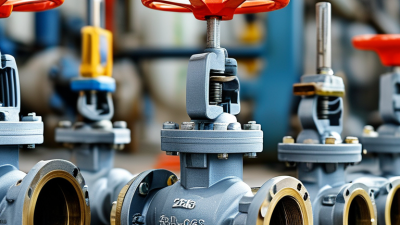
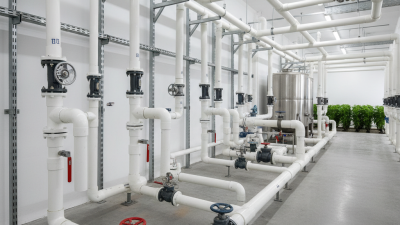
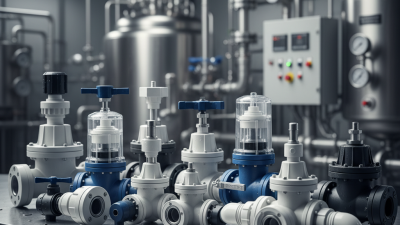
Choosing reliable Cepex PVC suppliers requires more than comparing prices or browsing product photos. Global buyers must examine pressure ratings, connection standards, chemical resistance, temperature limits, and documented quality controls. A valve may look identical across two catalogs, yet its sealing materials or test procedures can differ significantly. Small details matter.
Dr. George Wypych, author of PVC Handbook, offers a practical industry principle: “PVC performance depends on formulation, processing, and service conditions.” This reminder is valuable when assessing cepex pvc components for irrigation, water treatment, swimming pools, and industrial fluid systems. The best supplier should provide current technical datasheets, clear model numbers, batch traceability, and responsive engineering support. Certification evidence also deserves careful review. Claims without documents are weak.
Look beyond the lowest quotation. Check warehouse availability, export packaging, lead times, spare parts, and after-sales communication. Confirm whether the supplier understands your destination’s fitting standards and installation practices. Experienced distributors can reduce delays when containers face port congestion or specifications change unexpectedly. Still, no supplier is perfect. Even established companies may show occasional stock gaps or communication errors. That is why buyers should request samples, verify dimensions, and approve drawings before placing large orders. A dependable cepex pvc partner combines authentic products, technical accuracy, predictable logistics, and honest limitations. That combination protects project performance long after the purchase order is signed.
PVC Product Range and Global Market Role
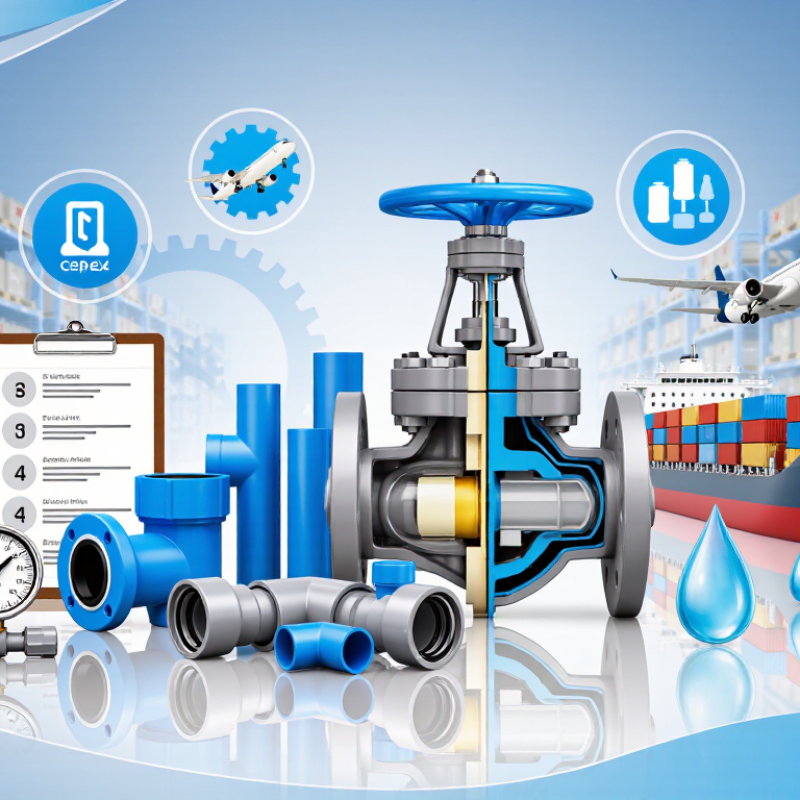
A broad PVC portfolio supports water infrastructure, irrigation, drainage, and industrial fluid handling. Common products include pressure pipes, fittings, valves, unions, and chemical-resistant components. The range matters because buyers often need matched systems, not isolated parts.
Grand View Research valued the global PVC market at about USD 45.8 billion in 2023. It projects a compound annual growth rate of roughly 4.4% from 2024 to 2030. Meanwhile, industry forecasts place global PVC demand above 50 million tonnes annually. These figures differ because researchers use different product boundaries and regional assumptions. That weakness deserves attention. Exporters should verify specifications, not rely on market size alone.
Global suppliers compete through technical consistency and service. Buyers should check pressure ratings, temperature limits, chemical compatibility, and test documentation. A reliable supplier can also provide metric and imperial options, replacement seals, and installation guidance. Those details reduce delays at ports and job sites.
Tips: Ask for batch traceability and current test reports. Confirm the resin standard and connection method. Review delivery performance across similar markets. A low price can hide costly compatibility problems. Request samples first. Small checks prevent large failures.
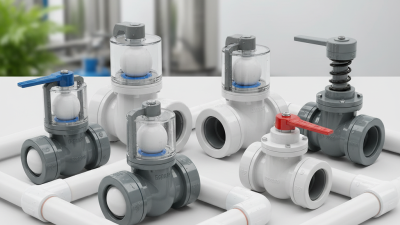
Selecting dependable PVC suppliers requires more than comparing quoted prices. Buyers should examine product specifications, manufacturing experience, and evidence of consistent production. Ask for pressure ratings, operating temperatures, chemical-resistance data, and dimensional tolerances. These details matter when fittings face vibration, moisture, or repeated pressure changes.
Request recent test reports, quality certificates, and batch traceability records. A reliable supplier should identify the production lot, inspection date, and material grade on each shipment. Independent laboratory testing can verify claims, especially for large infrastructure orders. Check whether samples match the approved drawings before signing a long-term contract. Small differences can create costly installation problems.
Review delivery performance, packaging methods, and technical support. Cracked cartons, missing labels, or poorly protected threaded parts often reveal weak controls. Contact two or three existing customers, not only the supplier’s listed references. Their comments may expose delays or slow complaint handling. No supplier file is perfect. That matters. Evaluate how openly the company addresses defects and corrective actions. A practical audit should also inspect factory equipment, worker training, storage conditions, and document control. Suppliers that provide clear records and realistic lead times are easier to manage across borders. Avoid decisions based only on polished brochures. Fresh evidence is stronger.
Global buyers often need more than a low unit price when sourcing PVC valves, fittings, or related components. Supplier types vary by region, inventory, and service depth. In East Asia, factory-direct exporters often support custom dimensions, large production runs, and container planning. European distributors usually emphasize documented specifications, stable stock, and technical consultation. North American wholesalers may offer faster domestic delivery, replacement parts, and order flexibility. These patterns are useful, not absolute.
Regional stocking suppliers can reduce lead times for water treatment, irrigation, and industrial maintenance projects. They may hold common sizes in local warehouses and provide batch records, pressure data, and packing photographs. Export-focused manufacturers often provide better pricing for repeat orders, but buyers must verify resin grade, connection standards, temperature limits, and inspection procedures. A capable service partner should answer clearly about sample approval, defect handling, and shipment claims. Ask for recent references where possible.
Service specialists also deserve attention. Engineering-led suppliers help with flow calculations, material selection, and installation compatibility. Trading companies can combine several factories, which simplifies procurement but may weaken traceability. Response speed is an underrated quality signal. Still, quick replies do not prove technical competence. One overlooked issue is after-sales ownership. A supplier may promise support, yet the contract leaves responsibility unclear. Buyers should test one small order, inspect markings and dimensions, then review performance before scaling. Mistakes happen. Good systems make them visible early.
| Region | Common Supplier Type | Typical PVC Product Scope | Core Services | Common Compliance References | Logistics Strengths | Best Fit for Global Buyers |
|---|---|---|---|---|---|---|
| East Asia | Large-scale PVC valve, fitting and piping manufacturers | Rigid PVC valves, fittings, pipe components, unions and industrial fluid-handling assemblies | OEM production Private labeling Mold customization Bulk quotations | ISO 9001 quality systems; ASTM, DIN, EN or JIS specifications depending on the target market | Strong container availability, export packing, and consolidated shipments from major seaports | Importers seeking competitive pricing, high production capacity and customized product programs |
| South Asia | Regional plastic-processing factories and industrial distributors | PVC fittings, valves, irrigation components, drainage products and general-purpose piping accessories | Small-to-medium batches Technical sourcing Local assembly Project supply | ISO-based quality procedures and application-specific requirements such as pressure, dimensional and chemical-resistance testing | Useful access to South Asian markets; sea freight and regional trucking are commonly available | Distributors and contractors requiring flexible order quantities and project-oriented support |
| Southeast Asia | Export-oriented manufacturers and regional stock distributors | Industrial PVC valves, fittings, piping systems, water-treatment components and aquaculture accessories | Export documentation Stock programs Assembly support After-sales coordination | ASTM, ISO, DIN and EN specifications are commonly supported according to application and destination | Efficient access to Asian and Oceania routes, with established container and less-than-container-load services | Buyers needing regional inventory, multimarket shipping and a balance between price and lead time |
| Mainland Europe | Certified industrial manufacturers and engineered-system suppliers | Pressure-rated PVC-U systems, chemical-process components, valves, fittings and water-treatment equipment | System engineering Traceability Technical documentation Application consulting | Relevant EN standards, CE-related obligations where applicable, REACH considerations and documented material specifications | Shorter intra-European delivery times, established road freight and organized warehouse distribution | Industrial, municipal and chemical-processing buyers prioritizing documentation, consistency and technical support |
| United Kingdom and Ireland | Technical distributors and water-industry system suppliers | PVC pressure pipe accessories, valves, fittings, drainage components and maintenance parts | Technical sales Rapid dispatch Replacement parts Project quotations | Applicable BS, EN and ISO requirements, together with project-specific potable-water or industrial specifications | Strong regional warehousing and parcel or pallet delivery for maintenance and replacement demand | Engineering contractors, maintenance teams and buyers requiring quick availability and local technical assistance |
| North America | Industrial distributors, system integrators and specification-led suppliers | PVC valves, fittings, pressure piping accessories, chemical-handling components and water-treatment assemblies | Inventory programs System selection Compliance review Job-site delivery | ASTM, ASME-related specifications where applicable, NSF/ANSI requirements for relevant potable-water uses, and local codes | Broad domestic distribution networks, regional warehouses and reliable truck freight | Municipal, commercial and industrial buyers requiring local stock, code alignment and dependable replenishment |
| Latin America | Import distributors, local assemblers and infrastructure suppliers | PVC valves, fittings, irrigation products, water-supply components and general industrial piping accessories | Import handling Spanish or Portuguese support Project sourcing Local distribution | Local technical standards combined with ASTM, ISO or EN specifications when required by the project | Port-based imports, customs coordination and inland distribution to major commercial centers | Infrastructure contractors and distributors needing localized support and mixed-product shipments |
| Middle East | Project suppliers and industrial distributors serving water and infrastructure sectors | Chemical-resistant PVC valves, fittings, desalination accessories, water-treatment components and utility piping parts | Tender support Project documentation Inspection coordination Long-term supply | ASTM, ISO, EN and project-owner specifications; material certificates and inspection records are often requested | Hub-based air and sea freight, regional re-export capability and project-site delivery coordination | Desalination, water-treatment, construction and industrial projects with formal approval procedures |
| Africa | Regional wholesalers, infrastructure distributors and import-led suppliers | PVC fittings, valves, irrigation systems, water-distribution accessories and replacement components | Mixed-container sourcing Regional stock Product substitution Installation guidance | Project-specific requirements commonly reference ISO, ASTM, EN or national water and construction standards | Port delivery, container consolidation and inland transport planning are important for remote destinations | NGO, agricultural, municipal and commercial buyers needing durable products and flexible shipment planning |
| Oceania | Local stockists, engineering distributors and water-system specialists | PVC pressure fittings, valves, irrigation products, pool and water-treatment components | Local inventory Technical advice Compliance screening Fast replenishment | Relevant AS/NZS, ISO and project specifications; potable-water applications may require additional approval evidence | Warehouse distribution across Australia and New Zealand, supported by sea freight for imported replenishment | Buyers prioritizing local availability, standards compliance and support for water, agricultural or building projects |
| Global E-commerce and Trading Channels | Multi-supplier trading platforms and independent sourcing agents | Standard PVC valves, fittings, adapters, repair parts and low-to-medium complexity assemblies | Supplier comparison Sample purchasing Inspection coordination Payment support | Documentation must be verified directly, including material grade, pressure rating, dimensional standards and test reports | Multiple shipping options, but lead times and product consistency can vary by source | Small businesses and first-time importers testing samples or comparing suppliers before a larger contract |
Global buyers comparing PVC supplier offers should look beyond the lowest unit price. Start with the exact application: irrigation, chemical handling, water treatment, or industrial piping. Each use requires different pressure ratings, dimensions, and chemical resistance.
Request technical datasheets, batch test reports, and material traceability records. Check whether product dimensions match recognized international standards. Also compare production capacity, minimum order quantity, packaging quality, and estimated lead time. A quotation with unclear tolerances deserves careful review. Small differences can create installation problems later.
Tips: Build a comparison sheet with price, specifications, certifications, delivery terms, and payment conditions. Ask suppliers to quote the same quantity and delivery point. Review samples before placing a large order. Photos are useful, but they are not enough. Inspect surface finish, socket accuracy, labeling, and protective packing. Confirm whether replacement support exists if goods arrive damaged.
Freight terms can change the real cost significantly. Compare total landed cost, not only the factory price. Suppliers with responsive technical teams often reduce costly misunderstandings. Still, communication alone does not prove reliability. Request references from similar projects and verify documents independently. A polished offer may hide weak production controls. I have seen buyers overlook this detail. That mistake can become expensive. Recheck every assumption before approval.
Global buyers evaluating PVC suppliers should treat ordering as a technical process, not a simple price comparison. PlasticsEurope’s 2024 industry report recorded 413.8 million tonnes of global plastics production in 2023. That scale increases supplier choice, but also increases quality variation. Request a current technical datasheet, material grade, dimensional tolerances, pressure rating, and lot traceability. Ask for independent test results when the application involves drinking water, chemicals, or industrial pressure systems. Small omissions can become expensive claims.
Tips: Compare landed cost, not unit price. Include tooling, inspection, insurance, duties, inland delivery, and currency risk. Confirm the Incoterm in writing, then match it with your insurance responsibility. The purchase order should state packaging strength, pallet dimensions, labeling language, and document requirements. A sample approval is useful, but it does not replace production-lot inspection.
Compliance and logistics deserve equal attention. The World Bank’s 2023 Logistics Performance Index assesses 139 economies through customs, infrastructure, shipment quality, and timeliness. Use those indicators when selecting ports and freight partners, but do not treat a national score as a guarantee. Verify HS classification, product declarations, safety data, and destination-market requirements with a qualified customs adviser. UNCTAD’s maritime transport reporting also highlights continuing exposure to route disruption and freight volatility. Build buffer time into delivery schedules. I have seen “confirmed” dates fail after one transshipment. A realistic plan leaves room for that.
Typical nominal capacities for standard dry freight containers help international PVC buyers estimate loading plans. Actual payloads depend on container tare weight, carrier limits, route restrictions, packaging, and the density and dimensions of the products.
Before ordering, confirm product standards, dimensional tolerances, pressure ratings, material declarations, REACH obligations where applicable, potable-water approvals when required, export packaging, HS classification, Incoterms, inspection documents, and destination-port delivery requirements. Container specifications are typical industry figures; confirm final loading limits with the selected carrier and freight forwarder.

Cepex is the brand for the fluid handling market belonging to the Fluidra group. One of the leading european manufacturer of valves and fittings in thermoplastic materials.
Dedicated to the swimming pool, irrigation and industrial markets, we distribute our products worldwide with the Fluidra commercial network and presence in 46 countries with 136 sales branches.