Choosing reliable butterfly valves manufacturers and suppliers in China requires more than comparing prices. Buyers must examine design experience, material control, testing procedures, certifications, and after-sales support. A valve may look excellent in a catalog, yet perform poorly under abrasive media, repeated cycling, or unstable pressure. The details matter. Seat alignment, disc finish, shaft sealing, and actuator compatibility can affect service life.
According to valve engineer Richard W. Greene, “A valve earns trust through predictable shutoff, not impressive paperwork.” This principle fits butterfly valves especially well. Their compact structure offers practical advantages in water treatment, HVAC, chemical processing, food production, and industrial pipelines. However, the correct selection depends on temperature, pressure, fluid composition, connection standard, and operating frequency. One size does not fit every plant.
This guide reviews leading Chinese manufacturers and suppliers from a technical and purchasing perspective. It considers production capability, inspection depth, customization experience, delivery performance, and customer communication. Factory photographs are useful, but they are not enough. Buyers should request test records, material certificates, dimensional drawings, and clear warranty terms. Site audits can reveal more than polished brochures. Even experienced purchasers can overlook actuator sizing or elastomer compatibility. That is worth admitting. No supplier is perfect, and no ranking remains permanently accurate. Market conditions, engineering teams, and quality systems change. A dependable supplier should welcome questions, explain limitations, and provide evidence before the order is placed.
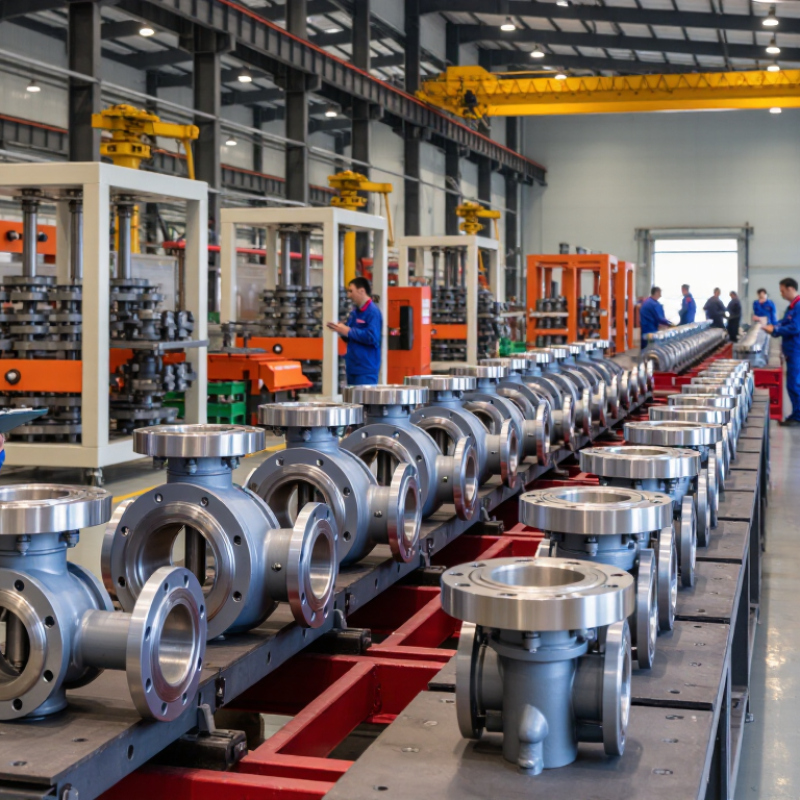
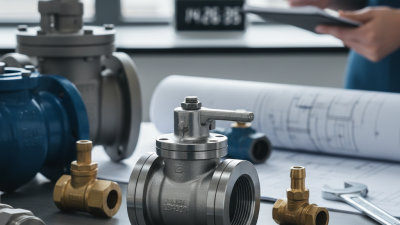
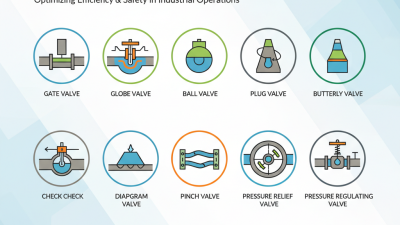
Butterfly valves are widely used in China because they are compact, lightweight, and economical for medium control. The main types include resilient-seated, high-performance, double-offset, and triple-offset designs. Wafer valves fit between pipe flanges, while lug and flanged valves support easier maintenance or stronger pipeline connections. Each design serves a different pressure, temperature, and sealing requirement.
Resilient-seated valves suit water treatment, irrigation, HVAC, and general industrial pipelines. Their rubber seats provide reliable shutoff at moderate temperatures. High-performance valves handle higher pressure and frequent operation in chemical, power, and process systems. Triple-offset valves use a metal seat and reduce rubbing during operation. They are useful for hot oil, steam, and demanding gas applications. In China, suppliers commonly provide electric, pneumatic, and manual actuation. However, the actuator must match torque, cycle frequency, and fail-safe needs. A valve may look suitable, yet fail early if the material choice is careless.
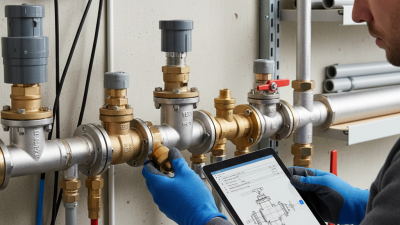
Tips: Confirm the medium, pressure, temperature, pipe size, and flange standard before ordering. Ask for pressure-test records, material certificates, coating details, and service history. Inspect the disc edge and seat carefully; small surface damage can cause leakage. Do not select only by low price. A cheaper valve may require more maintenance, although this is sometimes overlooked. Sampling and third-party inspection can improve sourcing reliability.
China’s leading butterfly valve manufacturers compete through practical engineering, not catalogue size alone. Fortune Business Insights valued the global industrial valves market at approximately USD 77.5 billion in 2023. Its forecast indicates continued growth through 2032, driven by water treatment, energy, and process industries. This demand rewards suppliers with stable production and documented quality.
Strong manufacturers usually offer wafer, lug, and double-flanged designs for different installation conditions. Common body materials include ductile iron, carbon steel, and stainless steel. Disc coatings and seat options, such as EPDM, NBR, and PTFE, must match temperature and media. Reliable suppliers also provide ISO 5211 actuator mounting, pressure testing, material certificates, and traceable batch numbers. Small details matter. A clear serial plate helps maintenance teams identify a valve after years underground.
Research from Grand View Research estimates the industrial valves market exceeded USD 79 billion in 2023. This scale makes automation increasingly important. Leading Chinese factories therefore integrate pneumatic, electric, and smart-positioner solutions. They should verify torque calculations rather than simply recommend oversized actuators. API 609, EN 593, and ISO 9001-based systems can strengthen purchasing confidence, but certificates alone cannot prove field performance. I would still request sample test records, cycle-test results, and inspection photos. Some specifications look impressive yet remain vague. Factory audits, witness testing, and after-sales response often reveal the real difference.
China Top Butterfly Valves Manufacturers and Suppliers
Top butterfly valve manufacturers and suppliers in China usually serve water treatment, chemical processing, HVAC, energy, and general industrial projects. The better suppliers provide clear drawings, material certificates, pressure ratings, and traceable test records. During evaluation, inspect the body material, disc finish, seat compound, shaft design, and sealing performance. These details affect service life more than a low purchase price.
A practical supplier should explain how each valve is tested before shipment. Ask for pressure testing, leakage results, dimensional checks, and production photos. Factory experience also matters. A manufacturer familiar with corrosive media may recommend stainless steel, reinforced seats, or special coatings. However, technical advice is not always perfect. Confirm every recommendation against your process temperature, pressure, fluid, and operating frequency.
Tips: Request a sample data sheet and compare it with the approved drawing. Check whether certificates match the actual batch. Clarify delivery terms, spare parts, warranty limits, and after-sales response time. An online catalog can look impressive, but a factory audit may reveal weak inspection control. If possible, review previous project references and test one valve under realistic conditions. Small checks prevent expensive installation problems.
When evaluating China’s butterfly valve manufacturers and suppliers, check standards before comparing prices. API 609 and EN 593 define key design and testing expectations for butterfly valves. ISO 5208 specifies pressure testing and leakage classifications. Reliable factories maintain material certificates, heat numbers, and inspection records for every critical component. Auditors should witness shell tests, seat tests, actuator calibration, and torque checks. A clean production floor helps, but it does not prove process control.
Quality control must cover more than final inspection. Incoming checks should verify casting integrity, rubber grade, shaft dimensions, and disc surface finish. The NACE IMPACT study estimated global corrosion costs at about 3.4% of global GDP. This figure explains why coating records and material selection matter in water, chemical, and energy applications. The ISO Survey 2022 recorded 1,265,216 ISO 9001 certificates worldwide. Certification supports consistency, but it is not proof of perfect valves. Some audits still miss weak traceability or rushed sampling. That deserves honest review.
Tips: Request recent test reports, not templates. Confirm ISO 9001 scope and certificate validity. Ask for PED or API 609 evidence when the project requires it. Inspect a sample valve personally, if possible. Check markings, packing, and certificates against the purchase order. Small mismatches can become expensive failures.
This chart maps widely used standards and certification frameworks relevant to butterfly valve manufacturing and supply. A value of 1 indicates that the standard directly addresses the listed area, while 0 indicates that it is not primarily intended for that area. API 609 and EN 593 focus on butterfly valve design requirements, ISO 5208 and API 598 address pressure testing, GB/T 12221 covers valve construction length, and ISO 9001, ISO 14001, and ISO 45001 define management-system requirements.
Choosing a reliable Chinese butterfly valve supplier requires more than comparing prices. Review the supplier’s manufacturing experience, valve designs, and quality records. A serious factory should explain materials, pressure ratings, seat options, and testing procedures clearly. Ask for product drawings and sample inspection reports before placing a large order. Vague answers are warning signs.
Visit the factory online or in person, if possible. Look for machining equipment, assembly areas, pressure-testing stations, and organized storage. Request certificates for raw materials and a traceable inspection process. Check whether the supplier can meet recognized standards required in your market. Communication also matters. A dependable technical team should respond accurately, not simply promise fast delivery. Some buyers focus too heavily on polished websites. That can be a mistake.
Tips: Confirm the valve’s medium, temperature, pressure, size, and connection type. Ask how leakage tests are recorded. Clarify lead times, packaging, spare parts, and after-sales support in writing. Order a small trial batch when practical. Compare the delivered valves with the approved drawings. A minor dimension mismatch can delay installation. Keep inspection records, even when the supplier seems trustworthy. Reliability is built through evidence, not confidence alone.

Cepex is the brand for the fluid handling market belonging to the Fluidra group. One of the leading european manufacturer of valves and fittings in thermoplastic materials.
Dedicated to the swimming pool, irrigation and industrial markets, we distribute our products worldwide with the Fluidra commercial network and presence in 46 countries with 136 sales branches.