
Top Angle Valve Types for Global Buyers to Consider?
FLUID HANDLING EXPERTS

Blog, all our news

Top Angle Valve Types for Global Buyers to Consider?

Angle Valves are crucial components in various industries, controlling fluid flow efficiently. As demand for precision and efficiency rises, global buyers must understand the best types available. According to a recent market report by ResearchAndMarkets, the global valve market is projected to grow at a CAGR of 4.8%, reaching over $100 billion by 2026. This growth reflects the increasing importance of reliable valve systems, including angle valves, in industries like oil and gas, water supply, and manufacturing.

When selecting angle valves, buyers often face challenges. Product specifications can vary widely, impacting performance and durability. While high-quality angle valves can reduce maintenance costs, choosing the wrong type may lead to inefficiencies. Expert recommendations often emphasize durability and adaptability in angle valves to meet diverse application needs. It's essential for buyers to weigh the advantages of different materials and designs.

In conclusion, staying informed about the various types of angle valves is vital for global buyers. Understanding the specifications can direct better decisions. This ensures efficiency and reliability in critical systems.
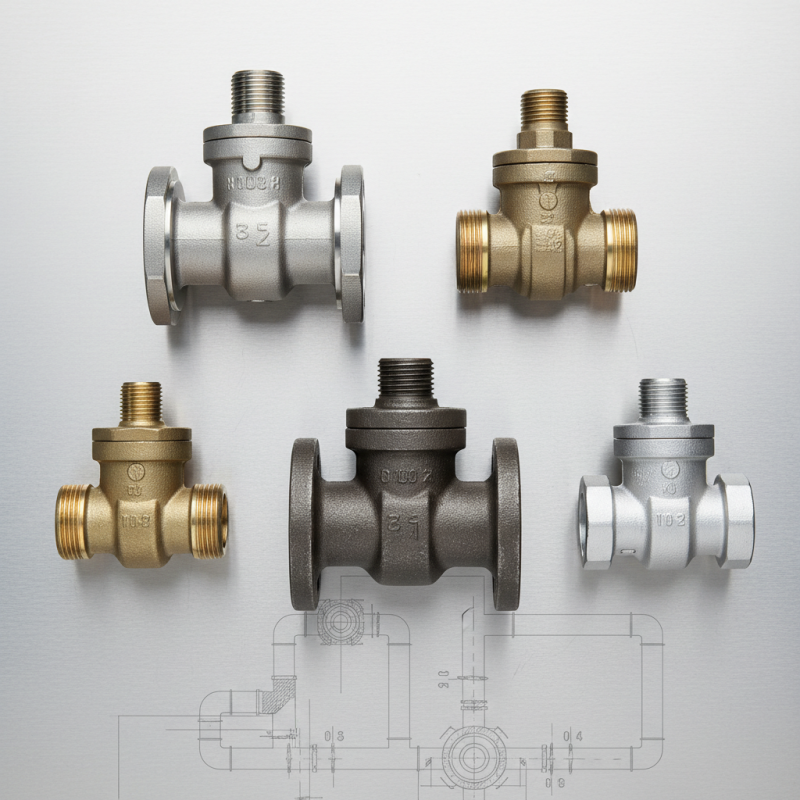
Top Angle Valve Types for Global Buyers to Consider?

Overview of Angle Valve Types Available Globally

When exploring angle valves, understanding the various types available globally is crucial. Angle valves are essential for controlling fluid flow in different applications. Common types include globe valves, gate valves, and ball valves. Each type serves specific purposes and can impact efficiency. For instance, globe valves offer precise flow control but may have higher pressure drops.

One tip for buyers is to consider the material of the angle valve. Stainless steel, brass, and plastic options exist. The choice will affect durability and suitability for various fluids. Plastic valves, for example, are often lighter but may not withstand high temperatures. Always assess your application requirements.

Another key factor is the valve size. It should match the piping system to ensure optimal performance. An oversized valve can lead to inefficiencies, while an undersized one can cause issues like increased pressure drops. Buyers should measure and calculate accordingly. Reflect on your needs before making a choice. Remember, selecting the right angle valve type requires careful consideration of its features and your specific application.

Top Angle Valve Types for Global Buyers

Key Features to Consider in Selecting Angle Valves

When selecting angle valves, understanding key features is crucial. One primary aspect is the material used in construction. A report by the International Valve Manufacturers Association indicated that brass and stainless steel are the leading materials due to their durability and corrosion resistance. For instance, brass valves are commonly favored in residential applications, while stainless steel suits industrial settings.

Another consideration is the valve's pressure rating. Valves must operate effectively under varying pressure conditions. According to recent industry data, high-pressure angle valves can withstand up to 300 psi, making them ideal for demanding environments. Buyers should also review the valve size. An inappropriate size can lead to inefficiencies or failures in the system.

Lastly, look into the design of the valve. Some designs allow for smoother flow and reduced turbulence. However, complex designs may complicate maintenance. Simple designs often facilitate easier access and repairs, but they might not manage high flow rates as efficiently. Therefore, assessing the balance between efficiency and maintainability is essential. Each factor requires careful consideration before making a decision.

Comparison of Material Types for Angle Valves

When selecting angle valves, material types play a crucial role in performance and durability. Common materials include brass, stainless steel, and plastic. Each material has unique properties, influencing its suitability for various applications. Brass is often chosen for its corrosion resistance and strength. Stainless steel offers high durability and is ideal for harsh environments. Plastic, while lightweight, may not withstand high pressure as effectively.

Tips: Evaluate the specific conditions of your application. Consider factors like temperature, pressure, and chemical exposure. Understanding these factors helps in selecting the right material.

Choosing the right angle valve is complex. Not all materials are equal. Each comes with pros and cons. Plastic might be cost-effective, but it might not last in extreme conditions. Stainless steel might be overkill for some projects. Assess your needs carefully.

Ultimately, reliable performance hinges on material selection. Failure to choose wisely can lead to leaks or premature wear. Take your time to weigh options and think critically about your requirements. A well-informed choice will ensure better long-term results.

Applications of Angle Valves in Various Industries

Angle valves are crucial in various industries due to their versatility and reliable design. In the water supply sector, they efficiently control the flow direction. This is essential for residential plumbing and larger municipal systems. Their compact build allows easy installation in tight spaces.

In the oil and gas industry, angle valves manage the flow of fluids under high pressure. This ensures safety and precision during operations. However, not all angle valves perform equally under extreme conditions. Different materials and construction methods impact their durability.

Food and beverage production also benefit from angle valves. They maintain hygiene and facilitate precise flow control. The application is critical to ensure product quality. Yet, selecting the right type can be challenging due to varying standards. Users must consider their specific needs carefully to avoid costly mistakes.

Top Angle Valve Types for Global Buyers to Consider

Angle Valve Type Material Size Range (inches) Pressure Rating (psi) Applications
brass angle valve Brass 1/2 - 2 150 Water, Air, Gas
Stainless Steel Angle Valve Stainless Steel 1/4 - 6 3000 Chemical Processing, Oil & Gas
Plastic Angle Valve PVC/CPVC 1/2 - 4 150 Water Treatment, Landscaping
Bronze Angle Valve Bronze 1 - 3 200 Marine Applications, HVAC
Electric Angle Valve Aluminum & Plastic 1/2 - 3 150 Automated Systems, Robotics

Maintenance Tips for Extended Angle Valve Lifespan

Proper maintenance of angle valves is crucial for their longevity. Regular inspection can prevent leaks and other issues. According to industry reports, poorly maintained valves can lead to a 30% increase in operational costs due to inefficiencies. This statistic emphasizes the need for proactive care.


First, ensure a clean environment. Dust and debris can hinder valve function. Cleaning the exterior regularly helps combat buildup. Additionally, lubricate moving parts to enhance their performance. This simple step can increase lifespan by up to 25%.


Monitoring pressure and temperature is essential. Data shows that fluctuating conditions can stress valves, leading to premature failure. For instance, exceeding rated pressure can cause leaks. Many users overlook this aspect. Maintaining stable conditions will help retain efficient operation.

Article Source:

Copyright 2025 Fluidra S.A. | Created by BCM Marketing Agencia Privacy Policy Legal note | Cookie policy |

Technical cookies are strictly necessary for our website to work and you can navigate through it. These types of cookies are those that, for example, allow us to identify you, give you access to certain restricted parts of the page if necessary, or remember different options or services already selected by you, such as your privacy preferences. Therefore, they are activated by default, your authorization not being necessary in this regard. Through the configuration of your browser, you can block or alert the presence of this type of cookies, although such blocking will affect the proper functioning of the different functionalities of our website.


The analysis cookies allow us to study the navigation of the users of our website in general (for example, which sections of the page are the most visited, which services are used most and if they work correctly, etc.). From the statistical information on navigation on our website, we can improve both the operation of the page itself and the different services it offers. Therefore, these cookies do not have an advertising purpose, but only serve to make our website work better, adapting to our users in general. By activating them you will contribute to this continuous improvement. You can enable or disable these cookies by checking the corresponding box, being disabled by default.


Functionality cookies allow us to remember your preferences, to personalize certain characteristics and general options of our website, every time you access it (for example, the language in which the information is presented to you, the sections marked as favorites, your browser type, etc.) Therefore, this type of cookies does not have an advertising purpose, but by activating them you will improve the functionality of the website (for example, adapting to your type of browser) and the customization of it based on your preferences (for example, by presenting the information in the language that you have chosen in previous occasions), which will contribute to the ease, usability and comfort of our page during your navigation. You can enable or disable these cookies by checking the corresponding box, being disabled by default.


Advertising cookies allow us to manage the advertising spaces included in our website based on criteria such as the content shown or the frequency in which the ads are displayed. For example, if you have been shown the same ad several times on our website, and you have not shown a personal interest by clicking on it, it will not appear again. In summary, by activating this type of cookies, the advertising shown on our website will be more useful and diverse, and less repetitive. You can enable or disable these cookies by checking the corresponding box, being disabled by default.


Behavioral advertising cookies allow us to obtain information based on the observation of your browsing habits and behaviors on the web, in order to show you advertising content that best suits your personal tastes and interests. To understand it in a very simple way, we will give you a fictitious example: if your last searches on the web were related to suspense literature, we would show you advertising about suspense books. Therefore, activating this type of cookies, the advertising that we show you on our website will not be generic, but will be oriented to your searches, tastes and interests, therefore adjusting exclusively to you. You can enable or disable these cookies by checking the corresponding box, being disabled by default.
To understand it in a very simple way, we will give you a fictitious example: if your last searches on the web were related to suspense literature, we would show you advertising about suspense books. Therefore, activating this type of cookies, the advertising that we show you on our website will not be generic, but will be oriented to your searches, tastes and interests, therefore adjusting exclusively to you. You can enable or disable these cookies by checking the corresponding box, being disabled by default.

SAVE

We use our own and third-party cookies to ensure the proper functioning of the website and to analyse our services, improve your experience on our website and show you advertisements related to your interests according to profiling based on your browsing habits (e.g. websites visited). You can accept all cookies by clicking "ACCEPT" or set or reject them by clicking here. If you would like to know more about the use of cookies, please see our COOKIE POLICY.


ACCEPT ALL
Reject no essentials


