
Top 10 Flip Chip Packaging Suppliers Worldwide
FLUID HANDLING EXPERTS

Blog, all our news

Top 10 Flip Chip Packaging Suppliers Worldwide

Flip Chip Packaging has moved from a specialist interconnection method to a central platform for processors, graphics chips, networking devices, and high-bandwidth memory. Its short electrical paths, dense bump arrays, and improved thermal potential make it attractive when package space is limited. The details matter. A substrate inspection image, a misplaced solder bump, or a small warpage increase can affect yield and reliability.

Yole Group’s Status of the Advanced Packaging Industry 2024 report describes advanced packaging as a rapidly expanding market, supported by artificial intelligence, high-performance computing, and chiplet integration. MarketsandMarkets also identifies flip-chip packaging as a major growth segment, driven by rising pin counts and demand for faster data movement. These reports provide useful direction, but their forecasts differ by scope, package type, and regional assumptions. That uncertainty deserves attention.

John H. Lau, a widely recognized semiconductor packaging expert and author, has described flip-chip technology as “the most popular interconnection technology for high-performance semiconductor packages.” His observation remains relevant as suppliers improve copper pillar bumps, underfill materials, fine-pitch substrates, and automated inspection. Yet no supplier is perfect. Cost, thermal cycling, substrate availability, and manufacturing yield can change the practical ranking quickly. This Top 10 Flip Chip Packaging Suppliers Worldwide overview therefore considers technology capability, production scale, reliability experience, customer applications, and global support—not marketing visibility alone. The list should be read as a structured industry comparison, not an absolute judgment.
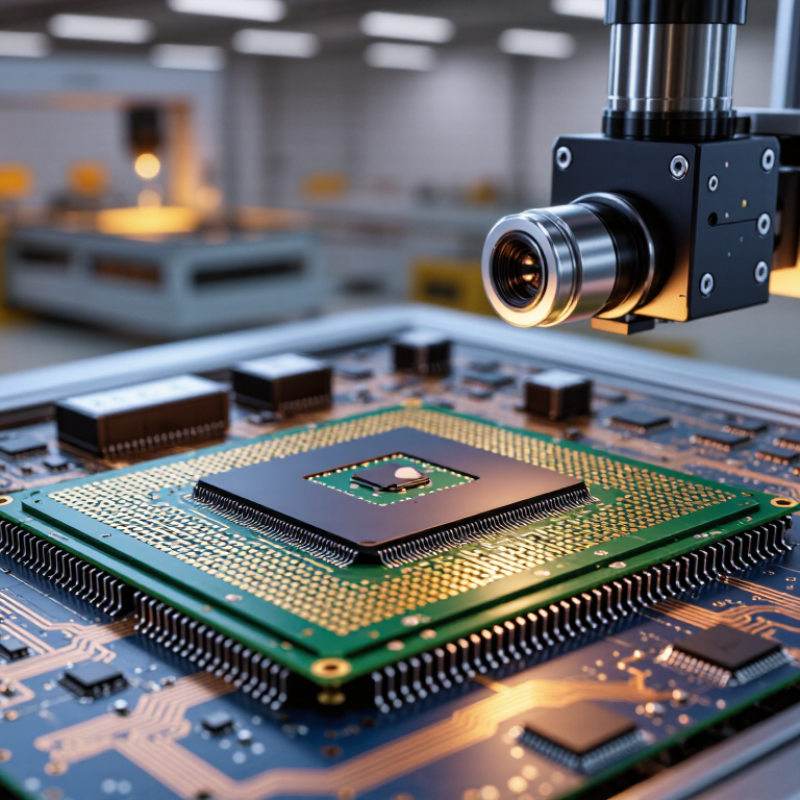
Top 10 Flip Chip Packaging Suppliers Worldwide

Flip Chip Packaging: Definition, Structure, and Core Applications

Flip chip packaging connects a semiconductor die directly to a substrate through tiny solder or copper bumps. The die is flipped face-down, shortening the electrical path and improving signal speed. A typical structure includes the die, bump array, underfill, substrate, solder balls, and sometimes a heat spreader. Underfill supports the joints and reduces stress during temperature cycling. Small details matter here.

WSTS reported global semiconductor sales of about US$626.9 billion in 2024, up 19.1% year over year. This growth increases demand for compact, high-performance packaging. Flip chip technology supports processors, graphics devices, mobile chips, networking hardware, automotive controllers, and image sensors. It also improves power delivery and heat transfer, although warpage, bump reliability, and substrate cost remain difficult engineering issues. In practice, performance gains can expose thermal weaknesses.

Tips: Check bump pitch, substrate material, underfill selection, and thermal design together. Do not judge a package by density alone. Testing should include thermal cycling, moisture exposure, electrical continuity, and warpage measurement. Industry analyses from Yole Group also show advanced packaging expanding as computing workloads grow. However, reported market estimates vary by definition, so comparisons require care.

Top 10 Flip Chip Packaging Suppliers Worldwide

Flip Chip Packaging: Definition, Structure, and Core Applications

Flip chip packaging connects the semiconductor die directly to the substrate or interposer through an array of solder bumps or copper pillars, eliminating conventional wire bonds. The chart shows representative industry-typical interconnect-pitch ranges by package structure. Smaller pitch supports higher I/O density and shorter electrical paths, while larger pitch is commonly used where mechanical robustness, power delivery, and cost efficiency are prioritized.

Values are representative engineering ranges in micrometers; actual pitch depends on device design, substrate technology, process generation, and application requirements.

Criteria for Evaluating Global Flip Chip Packaging Suppliers

Selecting a global flip chip packaging supplier requires more than comparing quoted prices. A credible evaluation starts with process capability, measured through bump placement accuracy, die alignment, warpage control, and assembly yield. Ask for recent production data, not only laboratory results. Cross-section reviews should show consistent solder joints, clean interfaces, and controlled underfill coverage. Thermal performance matters when devices operate continuously inside dense systems. Review thermal resistance, heat spreader design, and test conditions together. Small details matter.

Reliability evidence should cover temperature cycling, humidity exposure, vibration, and electrical endurance. The test duration, sample size, and failure criteria deserve careful review. A supplier with traceability can connect each package to materials, equipment settings, operators, and inspection records. That visibility supports corrective action when field returns appear. Quality certifications help, but they do not replace audited process evidence. Request pilot-lot results and compare them with high-volume performance. Numbers can shift.

Commercial assessment should include capacity, lead time, engineering support, regional logistics, and change-control discipline. A low unit price may hide expensive substrate losses, delayed ramps, or repeated qualification work. Evaluate communication through technical questions and escalation exercises. Strong suppliers explain limitations clearly and document assumptions. No supplier wins every category. Our scoring model may also be wrong. Weight each criterion against product risk, then revisit those weights after pilot production. An honest review records unresolved issues instead of smoothing them away.

Profiles of the Top 10 Flip Chip Packaging Suppliers Worldwide

Profiles of the Top 10 Flip Chip Packaging Suppliers Worldwide

The leading ten suppliers differ in scale, process depth, and regional reach. Some focus on high-density computing packages, while others serve automotive, medical, or consumer electronics. Their profiles should be judged beyond production volume.

Look for wafer bumping, substrate integration, thermal design, and final inspection capabilities. A strong supplier can explain warpage control using measurable limits, not vague promises.

Several suppliers operate advanced cleanrooms with automated placement and optical inspection. Others offer flexible engineering lines for low-volume prototypes. This difference matters when a design changes after thermal cycling or drop testing. Ask for anonymized case evidence, process capability data, and corrective-action records. Experience is visible in details, such as void mapping, underfill selection, and traceability at each assembly stage. No supplier is perfect. Capacity claims may also depend on substrate availability and regional logistics.

Tips: Compare suppliers with the same technical checklist. Request sample reports, audit access, delivery history, and failure-analysis methods. Confirm qualification standards before signing a development agreement. Review how each supplier protects sensitive design data and manages material substitutions. A dependable partner should disclose limitations clearly. That honesty is useful.

Comparison of Supplier Capabilities, Technologies, and Markets

Top 10 Flip Chip Packaging Suppliers Worldwide
Comparing the top ten suppliers requires more than checking production volume. Their real differences appear in bump pitch, wafer size, substrate control, thermal design, and verified yield. Some suppliers support fine-pitch copper pillars for compact processors. Others focus on high-power modules that need thicker substrates and stronger heat paths. Capability matters most when it matches the package’s operating conditions.
Technology choices also reveal market positioning. Advanced 2.5D and 3D integration can improve bandwidth, but it increases testing complexity and manufacturing cost. Traditional flip chip processes may offer better stability for automotive, networking, and industrial products.
Supplier experience with failure analysis, thermal cycling, and process traceability should influence qualification decisions. A perfect ranking is unrealistic. No supplier leads every category.
Tips:
Compare measured yield, not promotional claims. Request sample reliability reports and thermal data. Check whether the supplier can scale from pilot lots to consistent volume. Review regional support, engineering response times, and substrate sourcing before approval. A capable supplier should explain limitations clearly. That builds trust. One overlooked detail is package warpage after reflow. It can quietly reduce assembly yield, especially with large substrates and thin dies.

Emerging Trends Shaping the Flip Chip Packaging Industry

Emerging Trends Shaping the Flip Chip Packaging Industry

Flip chip packaging is moving toward finer pitches, higher bandwidth, and tighter thermal control. AI accelerators and high-performance processors are driving this shift. Yole Group’s 2024 advanced packaging analysis forecasts the market could approach 79 billion US dollars by 2029, with roughly 10% annual growth. Flip chip remains important because short interconnects reduce electrical losses and support compact designs. However, advanced substrates and inspection tools now influence supplier performance as much as bumping capability.

Hybrid bonding is gaining attention, especially where conventional solder bumps reach practical limits. Panel-level processing may also reduce material waste and improve production efficiency. SEMI reports continued investment in advanced packaging capacity through 2026, reflecting strong demand from computing and automotive electronics. Sustainability is another pressure point. Suppliers are testing lower-temperature assembly, thinner substrates, and more recyclable process materials. The figures are not perfectly comparable across reports, though. Packaging definitions differ, and that weakens direct market comparisons.

Tips: Evaluate pitch capability, thermal testing, yield data, and regional capacity together. Ask suppliers for recent qualification evidence, not only marketing claims. Check how they manage warpage after reflow. Small package defects can become expensive system failures. One point deserves reflection: faster scaling does not always mean better reliability. A cautious qualification schedule may protect performance when material stacks keep changing.

Top 10 Flip Chip Packaging Suppliers Worldwide - Emerging Trends Shaping the Flip Chip Packaging Industry

Comparative industry profile based on publicly reported capabilities, technology coverage, application focus, and market trends

Rank Supplier Identifier Primary Operating Region Core Flip Chip Capability Typical Interconnect Technology Package Formats Main Application Markets Key Industry Trend Supported Industry Position
1 Supplier 01 East Asia High-volume flip chip assembly and advanced package integration Solder bumping, copper pillar, and fine-pitch flip chip FC-BGA, FC-CSP, system-in-package High-performance computing, networking, consumer electronics Chiplet integration, larger package substrates, heterogeneous integration Global leader
2 Supplier 02 North America Advanced outsourced semiconductor assembly and test Copper pillar, micro-bump, and wafer-level interconnect FC-BGA, 2.5D packages, wafer-level packages AI accelerators, data centers, communications High-density interconnects and advanced thermal management Tier 1
3 Supplier 03 East Asia Broad portfolio of flip chip, wire bond, and mixed-technology assembly Solder bump, copper pillar, and controlled-collapse solder joint FC-CSP, FC-QFN, multi-chip modules Automotive, industrial, mobile, consumer electronics Automotive-grade reliability and supply-chain localization Tier 1
4 Supplier 04 Southeast Asia Volume production of flip chip and wafer-level packages Solder bump and copper pillar FC-CSP, WLCSP, fine-pitch BGA Mobile devices, connectivity, consumer electronics Smaller form factors, thinner packages, and cost optimization Major supplier
5 Supplier 05 Europe Specialized flip chip assembly for automotive and industrial devices Solder bump and copper pillar with reliability screening FC-QFN, FC-BGA, power modules Automotive electronics, power management, sensors AEC-oriented qualification, thermal cycling, and long product life Specialist
6 Supplier 06 East Asia Fine-pitch flip chip and advanced substrate-based packaging Micro-bump, copper pillar, and hybrid interconnect development FC-BGA, 2.5D integration, multi-die packages AI, graphics, high-speed computing Chiplets, silicon interposers, and high-bandwidth memory integration Advanced
7 Supplier 07 North America High-reliability assembly and test for complex semiconductor devices Solder bump, copper pillar, and fine-pitch BGA assembly FC-BGA, FC-CSP, multi-chip packages Aerospace, defense, networking, industrial systems Traceability, high-reliability testing, and domestic capacity expansion Specialist
8 Supplier 08 Southeast Asia Cost-efficient flip chip assembly for high-volume consumer products Solder bump and standard copper pillar FC-CSP, QFN, BGA Consumer electronics, wireless connectivity, display systems Automation, yield improvement, and regional manufacturing diversification Major supplier
9 Supplier 09 East Asia Specialized wafer-level and flip chip packaging services Wafer-level bumping, micro-bump, and solder interconnect WLCSP, FC-CSP, sensor packages Image sensors, MEMS, mobile and Internet of Things devices Wafer-level miniaturization and heterogeneous sensor integration Specialist
10 Supplier 10 Europe and Asia Application-specific flip chip and system-in-package solutions Copper pillar, solder bump, and embedded-die interconnect SiP, FC-CSP, embedded and automotive packages Automotive, medical electronics, industrial automation Sustainable materials, lower-power systems, and customized integration Specialist
Note: Supplier identifiers are intentionally anonymized. Technology terms and application categories reflect established flip chip packaging practices, including solder bumping, copper pillar interconnects, micro-bumping, FC-BGA, FC-CSP, wafer-level packaging, chiplets, and heterogeneous integration.
Copyright 2025 Fluidra S.A. | Created by BCM Marketing Agencia Privacy Policy Legal note | Cookie policy |

Technical cookies are strictly necessary for our website to work and you can navigate through it. These types of cookies are those that, for example, allow us to identify you, give you access to certain restricted parts of the page if necessary, or remember different options or services already selected by you, such as your privacy preferences. Therefore, they are activated by default, your authorization not being necessary in this regard. Through the configuration of your browser, you can block or alert the presence of this type of cookies, although such blocking will affect the proper functioning of the different functionalities of our website.


The analysis cookies allow us to study the navigation of the users of our website in general (for example, which sections of the page are the most visited, which services are used most and if they work correctly, etc.). From the statistical information on navigation on our website, we can improve both the operation of the page itself and the different services it offers. Therefore, these cookies do not have an advertising purpose, but only serve to make our website work better, adapting to our users in general. By activating them you will contribute to this continuous improvement. You can enable or disable these cookies by checking the corresponding box, being disabled by default.


Functionality cookies allow us to remember your preferences, to personalize certain characteristics and general options of our website, every time you access it (for example, the language in which the information is presented to you, the sections marked as favorites, your browser type, etc.) Therefore, this type of cookies does not have an advertising purpose, but by activating them you will improve the functionality of the website (for example, adapting to your type of browser) and the customization of it based on your preferences (for example, by presenting the information in the language that you have chosen in previous occasions), which will contribute to the ease, usability and comfort of our page during your navigation. You can enable or disable these cookies by checking the corresponding box, being disabled by default.


Advertising cookies allow us to manage the advertising spaces included in our website based on criteria such as the content shown or the frequency in which the ads are displayed. For example, if you have been shown the same ad several times on our website, and you have not shown a personal interest by clicking on it, it will not appear again. In summary, by activating this type of cookies, the advertising shown on our website will be more useful and diverse, and less repetitive. You can enable or disable these cookies by checking the corresponding box, being disabled by default.


Behavioral advertising cookies allow us to obtain information based on the observation of your browsing habits and behaviors on the web, in order to show you advertising content that best suits your personal tastes and interests. To understand it in a very simple way, we will give you a fictitious example: if your last searches on the web were related to suspense literature, we would show you advertising about suspense books. Therefore, activating this type of cookies, the advertising that we show you on our website will not be generic, but will be oriented to your searches, tastes and interests, therefore adjusting exclusively to you. You can enable or disable these cookies by checking the corresponding box, being disabled by default.
To understand it in a very simple way, we will give you a fictitious example: if your last searches on the web were related to suspense literature, we would show you advertising about suspense books. Therefore, activating this type of cookies, the advertising that we show you on our website will not be generic, but will be oriented to your searches, tastes and interests, therefore adjusting exclusively to you. You can enable or disable these cookies by checking the corresponding box, being disabled by default.

SAVE

We use our own and third-party cookies to ensure the proper functioning of the website and to analyse our services, improve your experience on our website and show you advertisements related to your interests according to profiling based on your browsing habits (e.g. websites visited). You can accept all cookies by clicking "ACCEPT" or set or reject them by clicking here. If you would like to know more about the use of cookies, please see our COOKIE POLICY.


ACCEPT ALL
Reject no essentials


