
China Top 10 Custom Sewer Jetter Manufacturers
FLUID HANDLING EXPERTS

Blog, all our news

China Top 10 Custom Sewer Jetter Manufacturers

Selecting a reliable supplier from the China Top 10 Custom Sewer Jetter Manufacturers can shape a project’s daily performance, maintenance costs, and service life. A Custom Sewer Jetter may look straightforward, but its pump, hose, tank, and vehicle layout must work together. A mismatch can mean slower cleaning, difficult access, or unnecessary downtime.

This guide introduces manufacturers through practical considerations rather than rankings alone. It looks at customization options, production experience, quality controls, technical support, and the ability to match equipment to specific operating conditions. For example, a contractor clearing narrow urban lines may need a different hose length and water capacity than a municipal team maintaining larger networks. Details matter. Buyers should also ask for clear specifications, documented testing, warranty terms, and references for comparable machines. These checks help distinguish useful engineering support from sales claims.

No single manufacturer is right for every buyer. Some suppliers may offer broad customization, while others may be better suited to standard configurations or particular budgets. That is not always simple. Product descriptions can leave important questions unanswered, and stated performance should be confirmed against the intended workload. Consider access to replacement parts, operator training, and service response before making a decision. The manufacturers discussed here provide a starting point for comparison, not a substitute for due diligence. With careful evaluation, buyers can identify equipment that fits their routes, water supply, maintenance resources, and long-term plans.
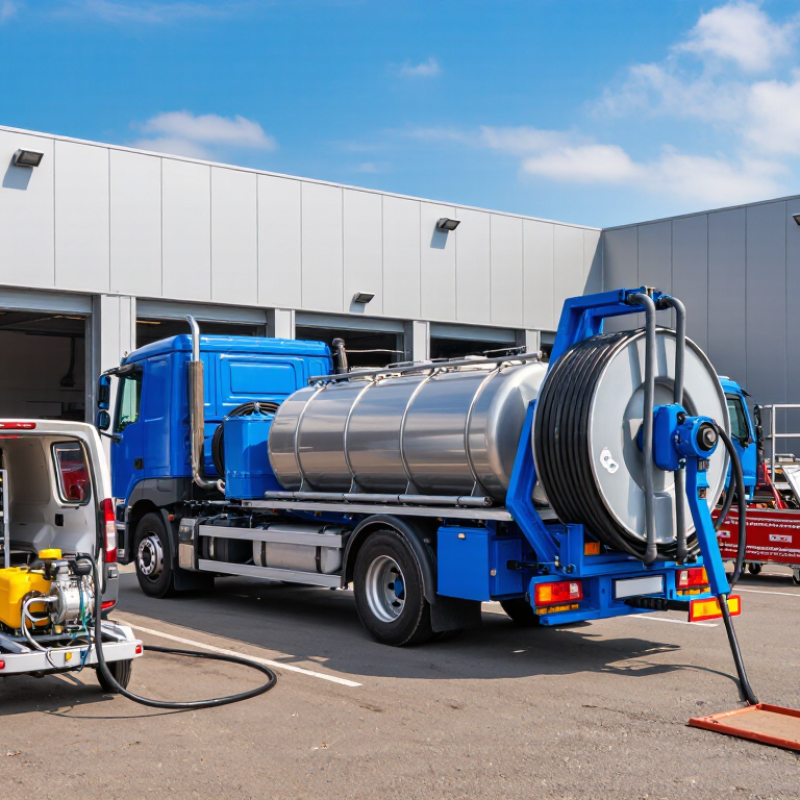
China Top 10 Custom Sewer Jetter Manufacturers

How Custom Sewer Jetters Work and Which Configurations They Support

A custom sewer jetter clears pipes by sending pressurized water through a flexible hose and nozzle. Rear-facing jets help move the hose forward while washing debris toward the access point. A forward-facing jet can help break through a blockage. Pressure and flow rate work together: pressure loosens deposits, while water volume helps carry them away.

Configurations vary by job. Buyers can specify a truck, trailer, or skid-mounted unit, then match tank capacity, hose length, reel layout, and nozzle type to pipe size and site access. The U.S. EPA’s 2022 Clean Watersheds Needs Survey estimated $630.1 billion in wastewater infrastructure needs over 20 years. That figure is not a jetter-market forecast, but it shows the scale of maintenance demand. A high-pressure rating alone can look impressive; it may still be a poor fit if flow, water supply, or hose reach falls short.

Tips: Match the nozzle to the blockage and pipe diameter. Check the manufacturer’s operating limits, and confirm access points before choosing hose length. Small details matter. A neat specification sheet cannot replace a site check.

China Top 10 Custom Sewer Jetter Manufacturers - How Custom Sewer Jetters Work and Which Configurations They Support

Configuration guide: ten common custom sewer jetter build types, not a ranking of companies. Features and operating specifications vary by manufacturer and model.

Configuration Typical platform How the jetter works Common custom options Typical application
1. Compact portable jetter Portable frame or small cart A high-pressure pump sends water through a small-diameter hose; a rear-facing nozzle jets help pull the hose into the line and flush loosened debris back toward the access point. Hose length and diameter, reel, nozzle set, water-tank connection, and control layout Small branch drains and indoor plumbing work
2. Trailer-mounted general-purpose jetter Road trailer with tank, pump, engine, and hose reel The onboard pump draws from the tank and supplies a jetting hose. Nozzle selection and the balance of pressure and flow are matched to the pipe and blockage. Tank capacity, reel arrangement, engine choice, hose package, lighting, and tool storage Routine municipal and contractor drain cleaning
3. Skid-mounted jetter Equipment skid fitted to a truck or service vehicle A vehicle-mounted power source drives the pump; the hose reel feeds the nozzle through a manhole or cleanout to scour the pipe wall and move material downstream or back toward the entry point. Skid footprint, tank integration, pump drive, reel position, service access, and remote controls Fleet vehicles and operators needing a removable or vehicle-integrated unit
4. Van-mounted jetter Enclosed service van The pump supplies water from a tank or approved supply to a hose reel. The nozzle uses directed jets to penetrate, scour, and flush deposits from the drain. Interior reel layout, tank size, ventilation, spill containment, hose routing, and winter protection Urban service work where enclosed equipment and compact parking are useful
5. Truck-mounted high-capacity jetter Heavy-duty truck chassis with larger water and hose systems A higher-capacity pumping system delivers water through a larger hose and selected nozzle. Flow, pressure, and nozzle design determine cleaning action; the removed material is carried toward an access point or downstream. Tank configuration, hose reel capacity, pump controls, boom or reel position, and optional vacuum-system integration Larger sewer lines and demanding municipal maintenance tasks
6. Hot-water jetter Trailer, skid, van, or truck platform with a compatible heating system Water is pressurized and heated before delivery to the hose. The nozzle directs the heated water into the drain; heat can assist with certain greasy deposits, subject to pipe and site constraints. Heater type, fuel supply, temperature controls, insulation, and cold-weather package Drain cleaning where grease or temperature-sensitive deposits are a concern
7. Electric-powered jetter Portable frame, cart, van, or site-powered system An electric motor drives the water pump, which feeds the jetting hose. The nozzle's forward and rear jets help advance and clean the line. Voltage and phase, motor controls, power-cable setup, enclosure, and compatible hose and nozzle sets Sites with suitable electrical power or a preference for electric equipment
8. Remote-control jetter Trailer, skid, or truck-mounted system The water-jetting process is the same as a standard unit, while remote controls let the operator manage selected functions from a position near the work area. Remote start and stop, pressure adjustment, emergency shutdown, and control-system compatibility Jobs where the operator benefits from controlling the unit near the hose entry point
9. Compact-reel jetter Small trailer, van, or compact service vehicle A compact reel stores the jetting hose and feeds it into the line. The pump supplies the nozzle, which uses directed water jets to loosen and flush obstructions. Reel orientation, hose guide, hose length, tank layout, and quick-connect fittings Work in confined service vehicles or locations with limited equipment space
10. Jetter with vacuum-system integration Combined sewer-cleaning truck or coordinated jetter and vacuum equipment The jetter loosens deposits with pressurized water; a compatible vacuum system can collect wastewater and solids at the access point or from a designated collection area. Tank arrangement, hose and boom layout, debris handling, interlocks, and coordinated operator controls Projects where flushing and collection of removed material are both required

Operating note: A sewer jetter uses a pump to pressurize water, a hose to deliver it into the pipe, and a selected nozzle to direct the jets. Correct pressure, flow, hose, and nozzle depend on pipe size, material, condition, and the blockage. Follow equipment instructions and applicable safety requirements.

Criteria for Evaluating Chinese Sewer Jetter Manufacturers

Evaluating Chinese sewer jetter manufacturers requires more than comparing maximum pressure. The U.S. EPA’s 2022 Clean Watersheds Needs Survey estimated $630.1 billion in wastewater infrastructure needs over 20 years. This is not a China market forecast, but it signals sustained demand for dependable sewer maintenance equipment. Ask manufacturers for pump pressure and flow test records, continuous-duty results, and clear limits for hose length. A unit should match the pipe sizes and blockage types your crews actually encounter.

Check whether the factory can document component origins, assembly inspections, and final-load testing. Request close-up photos of the pump, hose reel, fittings, and control panel—not just polished showroom images. Confirm spare-parts lead times, warranty terms, operator manuals, and available service training. Third-party certificates can help, but verify their scope and issuing body. A specification sheet may omit useful details. I would not treat that omission as proof of poor quality, but I would ask for clarification in writing.

Tips: Request a live demonstration using a recorded pressure gauge and a measured hose run. Compare the results with the quoted specifications. Keep the test conditions; otherwise, the numbers are hard to judge.

Suggested evaluation weights total 100%. They provide a practical procurement framework—not measured market statistics or a ranking of specific manufacturers. Adjust the weights to match your project requirements.

Profiles of Ten Leading Custom Sewer Jetter Manufacturers in China

China’s custom sewer jetter market includes manufacturers with different engineering strengths. A useful profile of ten suppliers should examine what each can build, not rely on an unsupported ranking. Some focus on compact trucks for narrow streets; others configure larger tanks and pumps for municipal work. Several specialize in chassis integration, while others emphasize high-pressure systems, hose reels, or combined vacuum and jetting functions.

Customization varies in practical ways. One manufacturer may adapt tank capacity and compartment layout. Another may offer control changes, winterization, or export-ready documentation. Profiles should also check welding quality, pump specifications, component traceability, and access to replacement parts. Ask for drawings and test records. Details matter. A polished brochure alone cannot show how a unit performs after long shifts or repeated hose deployment.

Service capability deserves equal attention. Some suppliers provide commissioning and operator training; others depend on local partners. Response times and spare-part availability can differ by destination. Request references for comparable builds, then verify what was delivered against the agreed configuration. A sample vehicle is useful, but it may not represent every custom order. Even careful buyers can miss small differences in controls or fittings, so written specifications need close review.

Comparing Manufacturer Capabilities, Products, and Customization Options

Comparing sewer jetter manufacturers starts with the work, not the brochure. The U.S. EPA’s 2022 Clean Watersheds Needs Survey estimates $630.1 billion in wastewater and stormwater infrastructure needs over 20 years. That figure does not measure jetter demand, but it shows why municipal crews need reliable, serviceable equipment. Compare pressure and flow as a working pair: high pressure alone may not move heavy debris through a long hose. Check hose length, reel capacity, nozzle options, water-tank size, and whether the chassis fits narrow streets. Ask manufacturers for test conditions behind performance claims. A number without nozzle size or hose length is hard to compare.

Customization should match pipe sizes, access points, and daily routes. A compact skid unit may suit indoor or tight-access work; a truck-mounted system can carry more water for longer jobs. The 2021 ASCE Report Card for America’s Infrastructure gave wastewater a D+ grade and cited a $434 billion investment need over 20 years. This is infrastructure context, not a sales forecast. Request drawings, maintenance schedules, parts lead times, and operator training details. Then compare warranty coverage and local service response. Small details matter. I would also question any quote that lists optional controls without explaining how they help operators. Customization can solve a real constraint, but it can add weight, cost, and maintenance points. A clean comparison sheet may still miss field reality.

How to Verify Suppliers and Select a Sewer Jetter Manufacturer

China Top 10 Custom Sewer Jetter Manufacturers

How to Verify Suppliers and Select a Sewer Jetter Manufacturer

A supplier’s product sheet is only a starting point. Ask for a dated factory test report showing pressure, flow rate, engine load, and operating temperature. Compare results with your required hose length and nozzle type; pressure alone cannot predict cleaning performance. Ask whether the test unit matches the proposed configuration. Small differences matter.

Check the manufacturer’s quality-system certificate with its issuing body, and confirm that its scope covers the relevant production site. Request references from buyers using similar vehicles and working conditions. Where possible, inspect a unit under load, not just at a showroom demonstration. Ask for a written parts list, warranty terms, and typical lead times. No checklist is perfect. The U.S. EPA’s 2022 Clean Watersheds Needs Survey estimated $630.1 billion in wastewater and stormwater infrastructure needs over 20 years. This figure signals substantial infrastructure investment, not direct demand for jetters. Numbers need context. Use it to understand the market backdrop, then judge each supplier on verified test data, service capability, and clear documentation. A polished brochure helps little if the pump curve, replacement parts, or test conditions remain unclear.

Copyright 2025 Fluidra S.A. | Created by BCM Marketing Agencia Privacy Policy Legal note | Cookie policy |

Technical cookies are strictly necessary for our website to work and you can navigate through it. These types of cookies are those that, for example, allow us to identify you, give you access to certain restricted parts of the page if necessary, or remember different options or services already selected by you, such as your privacy preferences. Therefore, they are activated by default, your authorization not being necessary in this regard. Through the configuration of your browser, you can block or alert the presence of this type of cookies, although such blocking will affect the proper functioning of the different functionalities of our website.


The analysis cookies allow us to study the navigation of the users of our website in general (for example, which sections of the page are the most visited, which services are used most and if they work correctly, etc.). From the statistical information on navigation on our website, we can improve both the operation of the page itself and the different services it offers. Therefore, these cookies do not have an advertising purpose, but only serve to make our website work better, adapting to our users in general. By activating them you will contribute to this continuous improvement. You can enable or disable these cookies by checking the corresponding box, being disabled by default.


Functionality cookies allow us to remember your preferences, to personalize certain characteristics and general options of our website, every time you access it (for example, the language in which the information is presented to you, the sections marked as favorites, your browser type, etc.) Therefore, this type of cookies does not have an advertising purpose, but by activating them you will improve the functionality of the website (for example, adapting to your type of browser) and the customization of it based on your preferences (for example, by presenting the information in the language that you have chosen in previous occasions), which will contribute to the ease, usability and comfort of our page during your navigation. You can enable or disable these cookies by checking the corresponding box, being disabled by default.


Advertising cookies allow us to manage the advertising spaces included in our website based on criteria such as the content shown or the frequency in which the ads are displayed. For example, if you have been shown the same ad several times on our website, and you have not shown a personal interest by clicking on it, it will not appear again. In summary, by activating this type of cookies, the advertising shown on our website will be more useful and diverse, and less repetitive. You can enable or disable these cookies by checking the corresponding box, being disabled by default.


Behavioral advertising cookies allow us to obtain information based on the observation of your browsing habits and behaviors on the web, in order to show you advertising content that best suits your personal tastes and interests. To understand it in a very simple way, we will give you a fictitious example: if your last searches on the web were related to suspense literature, we would show you advertising about suspense books. Therefore, activating this type of cookies, the advertising that we show you on our website will not be generic, but will be oriented to your searches, tastes and interests, therefore adjusting exclusively to you. You can enable or disable these cookies by checking the corresponding box, being disabled by default.
To understand it in a very simple way, we will give you a fictitious example: if your last searches on the web were related to suspense literature, we would show you advertising about suspense books. Therefore, activating this type of cookies, the advertising that we show you on our website will not be generic, but will be oriented to your searches, tastes and interests, therefore adjusting exclusively to you. You can enable or disable these cookies by checking the corresponding box, being disabled by default.

SAVE

We use our own and third-party cookies to ensure the proper functioning of the website and to analyse our services, improve your experience on our website and show you advertisements related to your interests according to profiling based on your browsing habits (e.g. websites visited). You can accept all cookies by clicking "ACCEPT" or set or reject them by clicking here. If you would like to know more about the use of cookies, please see our COOKIE POLICY.


ACCEPT ALL
Reject no essentials


